The full-grown Bengal cat is a truly captivating breed, known for its striking appearance and energetic personality. These mini-leopards, as they’re sometimes called, bring a unique blend of wild beauty and domestic charm into our homes. But owning a Bengal isn’t just about admiring their gorgeous coats; it’s about understanding their specific needs and providing them with a fulfilling life.
This guide dives deep into everything you need to know about caring for a mature Bengal, from their physical characteristics and nutritional requirements to their enrichment needs and potential health concerns.
We’ll explore the nuances of their behavior, the importance of socialization, and how to adapt your care routine as they gracefully age. Whether you’re a seasoned Bengal owner or considering welcoming one into your family, this resource will equip you with the knowledge to ensure your Bengal thrives.
The Majestic Bengal: A Comprehensive Guide to Adult Cats
Bringing a Bengal cat into your life is a big decision, and understanding what to expect from a full-grown Bengal is crucial. These stunning cats are known for their wild appearance and energetic personalities, but there’s much more to them than meets the eye. This guide will delve into every aspect of owning an adult Bengal, from their physical characteristics and nutritional needs to their behavior and potential health concerns.
We’ll cover everything you need to know to provide a happy, healthy, and enriching life for your Bengal companion.
Physical Characteristics of a Mature Bengal
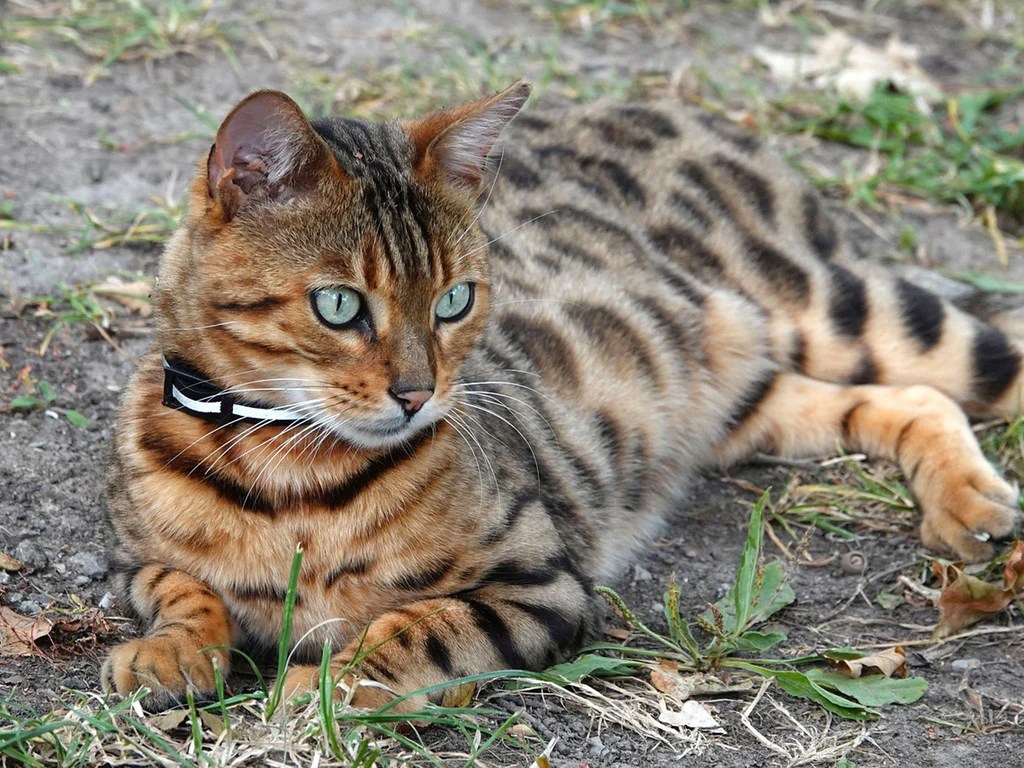
The striking appearance of a Bengal is one of the main reasons people are drawn to them. Their resemblance to their wild ancestors is undeniable, but their domestic nature makes them wonderful companions. Understanding their physical traits, how they develop, and what variations exist is key to appreciating and caring for your Bengal.The typical size range for a full-grown Bengal varies depending on sex.
Male Bengals generally weigh between 10-15 pounds (4.5-6.8 kg) and stand approximately 12-16 inches (30-41 cm) tall at the shoulder. Females are typically smaller, weighing between 8-12 pounds (3.6-5.4 kg) and standing 10-14 inches (25-36 cm) tall. Keep in mind that these are averages, and individual Bengals can fall outside of this range.Coat patterns are a defining feature of Bengals.
The two most common are spotted and marbled. Spotted Bengals have distinct spots, which can vary in size, shape, and density. Rosettes, spots with a darker Artikel and a lighter center, are particularly prized. Marbled Bengals, on the other hand, have a swirling, abstract pattern that resembles marble. The visual impact of these patterns is significant; a Bengal with high contrast and well-defined spots or marbling will appear more striking and visually dynamic.
The background color also plays a role, with brown, silver, and charcoal Bengals offering different aesthetics.A Bengal’s coat isn’t just about the pattern; it’s also about the texture. It’s short, dense, and incredibly soft, with a unique sheen that gives it a luxurious feel. As Bengals age, the coat may become slightly thicker and the sheen may diminish slightly, but it generally remains remarkably soft.
Regular grooming helps maintain that beautiful luster.Bengals are known for their muscular build and athletic appearance. They possess a strong, lean physique that reflects their active nature. Their powerful legs and flexible spines allow for impressive leaps and bounds. This athleticism is not just for show; it’s an integral part of their personality and play style.Here’s a table summarizing typical physical characteristics:
| Feature | Male (Typical) | Female (Typical) | Notes |
|---|---|---|---|
| Weight | 10-15 lbs (4.5-6.8 kg) | 8-12 lbs (3.6-5.4 kg) | Varies based on genetics and activity level. |
| Height | 12-16 inches (30-41 cm) | 10-14 inches (25-36 cm) | Measured at the shoulder. |
| Body Length | 24-30 inches (61-76 cm) | 20-26 inches (51-66 cm) | Includes tail length. |
| Head Shape | Wedge-shaped | Wedge-shaped | Broad forehead, strong chin. |
| Ear Size | Large, rounded tips | Large, rounded tips | Expressive and alert. |
| Eye Color | Green, gold, copper | Green, gold, copper | Intense and captivating. |
Temperament and Behavior in Adulthood
While Bengals retain their kitten-like energy well into adulthood, their behavior and temperament evolve. Understanding these changes is essential for building a strong bond and providing appropriate enrichment.The energy levels of a full-grown Bengal are notably high, though they do tend to settle down slightly compared to their kittenhood exuberance. They still require significant playtime and mental stimulation to prevent boredom and destructive behaviors.
Expect bursts of activity followed by periods of relaxation.Bengal vocalizations are unique and often described as sounding like a mix between a meow and a chirp or trill. They use these sounds to communicate a variety of needs and emotions, from requesting food or attention to expressing excitement or frustration. Pay attention to the context of the vocalization to understand what your Bengal is trying to tell you.Intelligence is a hallmark of the Bengal breed.
They are quick learners and can be trained to perform tricks, walk on a leash, or even play fetch. Their intelligence also manifests in their problem-solving abilities and their tendency to explore and investigate their surroundings.Adult Bengals have distinct play preferences. They enjoy interactive toys like feather wands and laser pointers, as well as puzzle toys that challenge their minds.
They also appreciate climbing opportunities and will often spend hours exploring cat trees or shelves. A variety of toys and activities are essential to keep them entertained and engaged.Here’s a breakdown of common Bengal behaviors:
- Affectionate: Bengals often enjoy cuddling and being petted, though on their own terms. They may rub against your legs, purr loudly, or even sleep on your bed. Some Bengals will follow their owners around the house, seeking attention and companionship.
- Playful: Bengals are naturally playful and enjoy chasing toys, pouncing on objects, and engaging in mock hunts. They may also enjoy playing with other cats or even dogs, if properly socialized.
- Independent: While affectionate, Bengals also value their independence. They may spend time exploring on their own or simply observing their surroundings from a high vantage point.
- Vocal: As mentioned, Bengals are known for their unique vocalizations. They use these sounds to communicate a variety of needs and emotions.
- Curious: Bengals are incredibly curious and enjoy exploring new things. They may investigate every nook and cranny of your home, and they are always eager to learn about their surroundings.
Nutritional Needs of a Full-Grown Bengal
Source: shopify.com
Providing a balanced and nutritious diet is crucial for maintaining a Bengal’s health and vitality throughout adulthood. Their high energy levels and active lifestyles require a diet that supports their physical needs.A mature Bengal requires a diet rich in high-quality protein, essential fatty acids, vitamins, and minerals. Protein is essential for muscle development and repair, while fatty acids support healthy skin and coat.
Vitamins and minerals play a vital role in various bodily functions.The choice of feeding method – dry food, wet food, or raw food – is a personal one, each with its own pros and cons. Dry food is convenient and affordable, but it can be lower in moisture. Wet food provides more moisture and can be more palatable, but it’s often more expensive.
Raw food, when prepared correctly, can offer optimal nutrition, but it requires careful handling to prevent bacterial contamination.Recommended daily caloric intake for Bengals varies depending on their activity level, age, and overall health. A moderately active Bengal typically needs around 20-30 calories per pound of body weight per day. Adjust this amount based on your Bengal’s individual needs and body condition.Food sensitivities and allergies are not uncommon in Bengals.
Common allergens include grains, dairy, and certain proteins. Signs of food sensitivities include skin problems, digestive issues, and excessive itching. If you suspect your Bengal has a food sensitivity, consult with your veterinarian to identify the allergen and adjust their diet accordingly.Here’s a table outlining essential nutrients:
| Nutrient | Importance for Adult Bengals | Food Sources |
|---|---|---|
| Protein | Muscle development, tissue repair, overall health | Meat, poultry, fish, eggs |
| Taurine | Heart health, vision, reproduction | Meat, poultry, fish (supplementation may be needed in vegetarian diets) |
| Omega-3 Fatty Acids | Healthy skin and coat, joint health, brain function | Fish oil, flaxseed oil |
| Vitamins | Various bodily functions, immune system support | Fruits, vegetables, commercial cat food |
| Minerals | Bone health, nerve function, enzyme activity | Commercial cat food, bone meal |
Health Concerns in Mature Bengals
Like all breeds, Bengals are predisposed to certain genetic health issues. Being aware of these potential problems and taking preventative measures can help ensure a long and healthy life for your Bengal.Common genetic health issues in Bengals include hypertrophic cardiomyopathy (HCM), progressive retinal atrophy (PRA), and pyruvate kinase deficiency (PKD). HCM is a heart condition that can lead to heart failure.
PRA is a degenerative eye disease that can cause blindness. PKD is a kidney disease that can lead to kidney failure.Preventative healthcare measures are essential for maintaining a Bengal’s health. This includes regular vaccinations, parasite control (fleas, ticks, worms), and dental care.Signs and symptoms of common illnesses in Bengals can vary depending on the condition. Hyperthyroidism, a hormonal disorder, can cause weight loss, increased appetite, and hyperactivity.
Diabetes, a metabolic disorder, can cause increased thirst, frequent urination, and weight loss.Regular veterinary checkups are crucial for early detection and treatment of health problems. Your veterinarian can perform routine screenings to identify potential issues before they become serious.
Remember, proactive healthcare is key to ensuring a long and healthy life for your Bengal. Regular veterinary checkups, a balanced diet, and a stimulating environment can significantly reduce the risk of developing health problems and maximize their lifespan. Early detection and intervention are crucial for managing any health concerns that may arise.
Closing Notes
From their powerful physiques and mesmerizing coat patterns to their playful antics and surprising vocalizations, full-grown Bengal cats are a constant source of fascination. Providing them with the right nutrition, enrichment, and veterinary care is key to a long and happy life together. By understanding their unique needs and embracing their wild spirit, you can forge a truly rewarding bond with this extraordinary breed and enjoy years of companionship.
Ultimately, owning a Bengal is a commitment, but the joy and wonder they bring are immeasurable. With the knowledge Artikeld here, you’re well-equipped to provide your Bengal with the exceptional life they deserve.
FAQ Corner
How much exercise does a full-grown Bengal need?
Bengals are high-energy cats and require a significant amount of exercise – at least 30-60 minutes daily. This can include interactive play sessions, climbing on cat trees, and even leash walks if they’re comfortable with it.
Are Bengals prone to scratching furniture?
Yes, Bengals have a strong scratching instinct. Providing plenty of scratching posts (both vertical and horizontal) and regularly trimming their nails can help redirect this behavior.
What’s the best way to introduce a Bengal to a dog?
Slow and gradual introductions are crucial. Start by keeping them separated, allowing them to sniff each other under the door. Then, supervised short visits, rewarding calm behavior, are key to a successful integration.
Can Bengals eat human food?
While small amounts of certain cooked meats or vegetables might be okay as occasional treats, Bengals should primarily eat a high-quality cat food formulated for their specific needs. Avoid foods toxic to cats, like chocolate and onions.
How often should I clean my Bengal’s ears?
Check your Bengal’s ears weekly. Clean them only if there’s visible dirt or wax buildup, using a vet-approved ear cleaning solution and cotton balls. Never insert anything deep into the ear canal.
What are some signs of stress in a Bengal?
Signs of stress can include excessive grooming, hiding, changes in appetite, aggression, or increased vocalization. Identifying and addressing the source of stress is important.
Do Bengals need a lot of attention?
Bengals are intelligent and social cats who thrive on interaction. While they appreciate independence, they generally enjoy spending time with their humans and participating in activities.
What is the difference between a spotted and marbled Bengal?
Spotted Bengals have distinct, random spots across their coat, while marbled Bengals have a swirling, flowing pattern resembling marble. Both are beautiful and desirable patterns.

