Discovering what lurks in your cat’s stool or around their living space can be unsettling, but understanding feline worms is crucial for their health and well-being. This guide delves into the visual aspects of these parasites, from identifying them in feces to recognizing environmental signs of contamination. We’ll explore the different types of worms, their appearance at various life stages, and how to distinguish them from harmless debris, empowering you to spot potential problems and seek appropriate veterinary care.
Identifying feline worms isn’t just about spotting long, wriggling creatures. It involves understanding subtle clues like changes in stool consistency, coat condition, and even behavioral shifts. We’ll break down the morphology of common worms – roundworms, hookworms, tapeworms, and whipworms – detailing their size, shape, color, and where they reside within your cat’s digestive system. Knowing what to look for can be the first step in ensuring your feline friend is parasite-free.


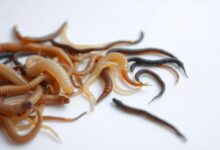
Understanding Feline Worms: A Visual Guide for Cat Owners
Discovering worms in your cat’s stool or noticing unusual behavior can be alarming. This guide aims to equip you with the knowledge to visually identify common feline worms, understand their impact, and recognize potential signs of infestation. We’ll focus on what you can observe – in your cat’s feces, environment, and overall appearance – to help you make informed decisions about your cat’s health.
Identifying worms isn’t always easy, and a definitive diagnosis requires veterinary testing. However, being able to recognize potential signs can prompt you to seek professional help sooner, leading to quicker treatment and a healthier cat. This isn’t a substitute for a vet visit, but a helpful resource for observation and understanding.
Common Types of Intestinal Worms Affecting Cats
Several types of intestinal worms can affect cats, each with distinct characteristics. Knowing these differences is crucial for accurate identification. We’ll cover roundworms, hookworms, tapeworms, and whipworms, detailing their appearance and where they reside within the cat’s digestive system.
| Worm Type | Size (mm) | Color | Habitat (Intestine, etc.) |
|---|---|---|---|
| Roundworm (Toxocara cati) | 50-80 | Yellowish-white | Small intestine |
| Hookworm (Ancylostoma tubaeforme) | 10-30 | Brownish-red | Small intestine |
| Tapeworm (Dipylidium caninum) | Varies greatly (segments up to 10mm) | White to yellowish | Small intestine |
| Whipworm (Trichuris vulpis) | 30-40 | Pinkish-white | Large intestine, cecum |
Visual Manifestations: What to Look For
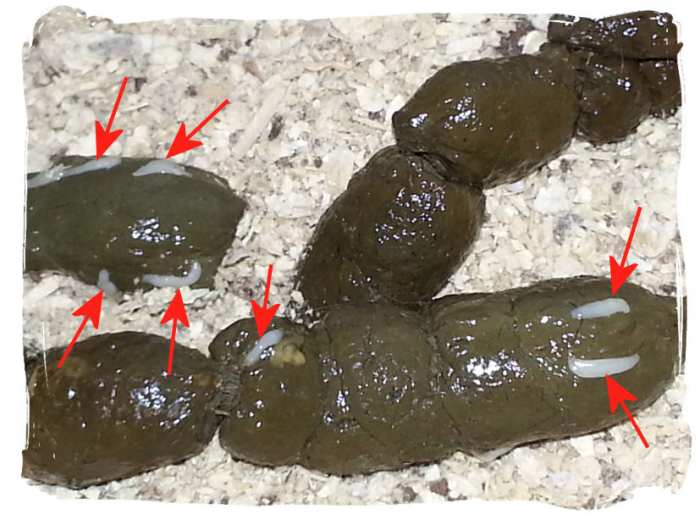
The most direct visual clue to a worm infestation is the presence of worms or their segments in your cat’s feces. However, worms can also manifest in vomit or around your cat’s anus. Recognizing these signs is the first step in addressing a potential problem.
Worms in feces often appear as long, thin, spaghetti-like strands (roundworms), or smaller, hook-shaped structures (hookworms). Tapeworm segments, on the other hand, resemble small, white, rice-like grains. Whipworms are more difficult to spot with the naked eye, appearing as thin, whip-shaped structures.
Vomiting can also contain worms or worm segments. The vomit might be discolored or have an unusual texture. In some cases, you might even see whole worms. Around the cat’s anus, you might observe irritation or the presence of small, white segments – these are likely tapeworm proglottids, the reproductive segments of the tapeworm.
Roundworm Egg Visual Guide: In fecal samples, roundworm eggs appear as round or oval structures, typically 40-60 micrometers in diameter. They have a thick, brownish shell and often contain a single, centrally located cell. They can be difficult to see without a microscope, but with careful observation, you might notice small, translucent spheres within the stool.
Worm-Related Symptoms and Associated Visual Signs
Beyond direct observation of worms, a worm infestation can manifest in various physical and behavioral changes. These changes can be subtle, but paying attention to your cat’s overall condition is crucial.
A heavy worm load can impact a cat’s coat, leading to dullness and hair loss. The worms compete for nutrients, depriving the cat of essential elements for healthy fur growth. Visible abdominal swelling or distention can also occur, particularly in kittens or cats with severe infestations. This is due to the sheer volume of worms within the digestive tract.
Weight loss is a common symptom of worm infestation. Despite a normal or even increased appetite, the worms are consuming nutrients, preventing the cat from absorbing them properly. This can manifest as a visibly thinner cat, with a loss of muscle mass.
- Increased Appetite: Worms steal nutrients, leading to constant hunger.
- Restlessness: Discomfort and irritation in the digestive tract can cause restlessness.
- Diarrhea: Worms can irritate the intestinal lining, leading to diarrhea.
- Vomiting: Worms or their segments may be expelled through vomiting.
Fecal Sample Examination: Visual Indicators
Examining a fecal sample is a key step in identifying potential worm infestations. Careful observation can reveal clues about the presence and type of worms affecting your cat.
The consistency of the stool can provide valuable information. Diarrhea or unusually loose stools can indicate intestinal irritation, which may be caused by worms. The presence of mucus or blood in the stool is also a cause for concern and warrants a veterinary visit.
While adult worms are relatively easy to spot, larval stages are microscopic and require specialized testing. However, you might notice tiny, moving specks in the sample, which could be hookworm larvae.
Fecal Sample Assessment Flowchart:
- Collect Sample: Gather a fresh stool sample (within 12 hours).
- Visual Inspection: Examine the stool for worms, segments, or unusual colors/textures.
- Consistency Check: Note the stool’s consistency (firm, loose, watery).
- Microscopic Examination (Optional): If possible, examine the sample under a microscope for eggs or larvae.
- Veterinary Consultation: If any abnormalities are observed, consult a veterinarian for further testing and treatment.
Environmental Contamination and Visual Signs
Worms and their eggs can contaminate a cat’s living environment, posing a risk of reinfection. Understanding how these parasites spread and recognizing signs of contamination is essential for maintaining a healthy home.
Worm segments, particularly those from tapeworms, can be found in litter boxes or on surfaces the cat frequents. These segments are often dry and brittle, resembling small grains of rice. Rodent droppings can also be a source of worm eggs, so controlling rodent populations is crucial.
Environmental Checklist:
- Litter Box: Regularly clean and disinfect the litter box.
- Bedding: Wash cat bedding frequently.
- Floors: Vacuum and mop floors regularly.
- Outdoor Areas: Control rodent populations and clean up any animal feces.
Illustrative Descriptions: Worm Morphology
Understanding the specific appearance of different worm species can aid in identification. Here are detailed descriptions of common feline worms.
Roundworm (Toxocara cati): A typical roundworm is long, slender, and cylindrical, measuring between 50 and 80 millimeters in length. It has a smooth, yellowish-white surface and a tapered end. Its movement is undulating, resembling a wriggling noodle.
Hookworm Larvae: Hookworm larvae are tiny, thread-like structures, typically less than 1 millimeter in length. They have a distinctive hook-shaped mouth and move with a characteristic wriggling motion. They are often difficult to see with the naked eye.
Tapeworms (Cestoda): Tapeworms are segmented worms, with each segment (proglottid) containing reproductive organs. Proglottids are typically 5-10 millimeters long and 2-3 millimeters wide, with a flattened, rectangular shape. They are white to yellowish in color and often appear in clusters.
Whipworm eggs in a fecal sample are oval-shaped, measuring approximately 40-50 micrometers in diameter. They have a thick, brownish shell and a distinctive, elongated shape, resembling a tiny football. The internal structure is visible as a single, centrally located cell.
Distinguishing Worms from Other Debris
It can be challenging to differentiate worm segments from plant matter or other debris in feces. Careful observation and understanding the key differences are essential for accurate identification.
| Item | Description | Distinguishing Feature |
|---|---|---|
| Worm Segment | Small, flattened, rectangular structure | Often white or yellowish, may be moist or dry |
| Plant Fiber | Long, stringy, or coarse material | Typically green or brown, often rigid |
| Roundworm Egg | Small, round or oval structure | Thick, brownish shell, often with a single cell |
Visualizing the Life Cycle: Worm Development Stages
Understanding the life cycle of feline worms can provide insights into how they infect cats and how to prevent reinfection. Each stage has distinct visual characteristics.
Roundworm eggs hatch in the environment, releasing larvae that penetrate the cat’s skin or are ingested. The larvae then migrate through the body, eventually maturing into adult worms in the small intestine. The visual changes involve the transition from a microscopic egg to a long, adult worm.
Hookworm larvae develop in the environment, molting several times before becoming infective. These larvae are tiny, thread-like structures with a characteristic hook-shaped mouth.
Tapeworm Life Cycle Diagram:
- Ingestion: Cat ingests flea larvae containing tapeworm eggs.
- Development: Eggs hatch and develop into adult tapeworms in the cat’s small intestine.
- Proglottid Release: Mature tapeworms release proglottids containing eggs.
- Environmental Contamination: Proglottids are shed in feces, contaminating the environment.
- Flea Infestation: Fleas ingest tapeworm eggs from the environment.
- Cycle Continues: The cycle repeats when another cat ingests an infected flea.
Impact on Kitten Appearance
Source: saymedia-content.com
Worm infestations can significantly impact the physical development of kittens, leading to stunted growth and other health problems.
Kittens with worms often exhibit stunted growth and visible weakness. The worms compete for nutrients, preventing the kitten from reaching its full potential. The coat may be dull and unkempt, and the kitten may appear generally unwell.
- Stunted Growth: Failure to reach expected weight and size.
- Visible Weakness: Lethargy and lack of energy.
- Dull Coat: Lack of shine and overall poor coat condition.
- Pot-bellied Appearance: Due to intestinal distention.
Visual Comparison: Different Worm Species
Comparing and contrasting the appearance of different worm species can aid in identification. While all worms are parasitic, their physical characteristics vary significantly.
| Worm Type | Length | Shape | Unique Feature |
|---|---|---|---|
| Roundworm | 50-80 mm | Cylindrical | Smooth, yellowish-white surface |
| Hookworm | 10-30 mm | Hook-shaped mouth | Brownish-red color |
| Tapeworm | Varies (segments up to 10mm) | Segmented, flattened | Rice-like segments (proglottids) |
| Whipworm | 30-40 mm | Whip-shaped | Pinkish-white color |
Last Recap
Navigating the world of feline parasites can feel overwhelming, but with a keen eye and a little knowledge, you can become more attuned to your cat’s health. From recognizing worm segments in the litter box to understanding the visual signs of larval stages in fecal samples, this guide provides a framework for observation and proactive care. Remember, early detection and treatment are key to preventing serious complications and ensuring your cat enjoys a long, healthy, and happy life.
If you suspect a worm infestation, always consult with your veterinarian for accurate diagnosis and appropriate treatment.
FAQ Section
What do roundworm eggs look like in a fecal sample?
Roundworm eggs are typically oval or round, about 40-60 micrometers in diameter, and have a thick, brownish shell. They often appear singly or in small clusters.
How can I tell the difference between a worm segment and plant fiber?
Worm segments (proglottids from tapeworms) are typically flat, segmented, and often have visible internal structures. Plant fiber is usually more irregular in shape, less defined, and lacks these internal features.
Can hookworm larvae be seen with the naked eye?
Hookworm larvae are microscopic, but under magnification, they appear as slender, thread-like structures with a characteristic undulating movement.
What does it mean if my cat is losing hair and seems dull?
While hair loss and a dull coat can have many causes, a heavy worm infestation can contribute to these symptoms due to nutrient deficiencies and irritation. It’s important to rule out parasites with a vet check.
How often should I be checking my cat’s stool for worms?
Regular fecal exams, typically every 6-12 months, are recommended, especially for outdoor cats or those with access to other animals. Your vet can advise on the best schedule for your cat.
What are some behavioral changes that might indicate worms?
Increased appetite despite weight loss, restlessness, scooting their bottom along the floor, and increased vomiting are all potential signs of a worm infestation.

