
Birman cats, with their striking blue eyes and luxurious silky fur, are undeniably captivating. These gentle giants are known for their affectionate personalities and devoted nature, making them a dream companion for many. But before you fall completely in love, it’s important to understand the birman cats price – a factor that can vary significantly depending on a number of elements.
This guide will break down everything you need to know, from initial purchase costs to ongoing expenses, helping you make an informed decision about bringing a Birman into your life.
We’ll explore the factors that influence the price, delve into different quality levels and adoption options, and even look at potential health considerations and regional price differences. Whether you’re dreaming of a show-quality Birman or a loving companion from a rescue, this comprehensive overview will equip you with the knowledge to navigate the world of Birman cat ownership.
Understanding the Cost of Bringing a Birman Cat Home
Birman cats, with their striking blue eyes and silky coats, are undeniably captivating. But beyond their beauty lies a significant investment, both financially and emotionally. This article aims to break down the various costs associated with owning a Birman, from the initial purchase price to ongoing expenses, helping you make an informed decision about whether this breed is the right fit for you and your budget.
We’ll cover everything from breeder reputation to potential health concerns, providing a comprehensive guide to Birman cat ownership costs.
1. Introduction to Birman Cats
The Birman’s history is shrouded in a bit of mystery and legend. Originating in Burma (now Myanmar), the breed’s story is intertwined with the Temple of Lao Tsun. Legend has it that a temple guardian cat, a pure white Himalayan, was transformed by the tears of a grieving monk, resulting in the distinctive color points we see today. While the legend is charming, the modern Birman breed was developed in France and England in the 1920s, with further refinement occurring in the United States.
The breed almost disappeared during World War II, but dedicated breeders managed to revive it.
Physically, Birman cats are medium-sized, known for their semi-long, silky fur that feels incredibly soft. Their most defining feature is their color points – darker fur on the face, ears, paws, and tail, contrasting with a lighter body color. Eye color is always a vivid, deep blue. They have a sturdy build, a rounded head, and a plumed tail.
The combination of these features creates a truly elegant and distinctive appearance.
Birman cats are renowned for their gentle and affectionate personalities. They are often described as “gentle giants” – large in size but incredibly sweet-tempered. They are known to be devoted companions, often following their owners around and enjoying being involved in household activities. They are generally good with children and other pets, making them a wonderful addition to a family.
Their playful nature and affectionate demeanor contribute to their growing popularity as a beloved pet.
The Birman’s unique combination of striking looks, affectionate personality, and relatively calm demeanor has made them increasingly popular among cat lovers. Their gentle nature and devotion make them ideal companions for individuals and families alike, contributing to their rising demand and, consequently, their price.
2. Factors Influencing Birman Cat Prices
The price of a Birman kitten isn’t a fixed number; it’s influenced by a variety of factors. Understanding these factors can help you navigate the purchasing process and find a kitten that fits your budget and expectations. The most significant influences revolve around the breeder’s reputation, lineage, location, and even coat color.
A breeder’s reputation and experience play a crucial role. Established breeders with a history of producing healthy, well-socialized kittens often command higher prices. They invest in health testing, quality food, and proper socialization, which contributes to the overall cost. Less experienced breeders may offer kittens at lower prices, but it’s essential to thoroughly research their practices.
Lineage and pedigree are also key determinants. Kittens with show-quality lineage, meaning they possess traits desirable for showing, are significantly more expensive than “pet quality” kittens. Show-quality kittens have been carefully bred to meet breed standards, and their pedigree may include champion ancestors. Pet quality kittens are still wonderful companions but may have minor imperfections that prevent them from being shown.
Geographic location impacts pricing due to regional demand and breeder density. Areas with high demand for Birman cats and fewer breeders tend to have higher prices. Shipping costs also factor into the equation if you’re purchasing a kitten from a breeder located far from your home.
Finally, coat color and pattern variations can influence the price. While all Birman cats have color points, certain colors and patterns are rarer and therefore more sought after, leading to higher prices. Seal point, blue point, and chocolate point are common, while lilac point and red point are less frequently seen and often more expensive.
| Factor | Description | Price Impact (Low/Medium/High) |
|---|---|---|
| Breeder Reputation | Experience, health testing, socialization practices | Medium/High |
| Lineage/Pedigree | Show quality vs. pet quality, champion ancestors | Medium/High |
| Geographic Location | Regional demand, breeder density, shipping costs | Medium |
| Coat Color/Pattern | Rarity of specific colors (e.g., lilac point) | Low/Medium |
3. Birman Kitten Price Ranges (Detailed Breakdown)
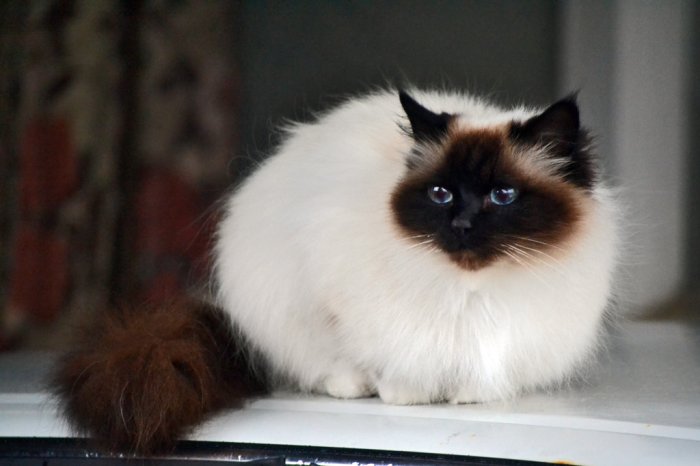
Source: catbreedselector.com
The price of a Birman kitten can vary considerably depending on its quality level. Here’s a detailed breakdown of typical price ranges:
- Pet Quality: These kittens are intended as loving companions and may have minor imperfections that prevent them from being shown. Expect to pay between $800 and $1,500.
- Show Quality: These kittens meet breed standards and are suitable for showing. Prices typically range from $1,500 to $3,000 or higher.
- Breeding Quality: Kittens with exceptional lineage and potential for producing high-quality offspring are the most expensive, often costing $2,500 to $5,000 or more.
Reputable breeders with health guarantees generally charge higher prices, but this investment is worthwhile. Health guarantees typically cover genetic conditions and provide some recourse if the kitten develops a health problem within a certain timeframe. Adopting a Birman from a rescue organization or shelter can be a more affordable option, with adoption fees typically ranging from $100 to $300.
However, the kitten’s history may be unknown, and there’s a higher risk of underlying health issues. Male and female Birman kittens often have similar prices, although female kittens with exceptional breeding potential may command a slightly higher price.
| Quality Level | Typical Price Range | Health Guarantee | Breeder Reputation |
|---|---|---|---|
| Pet | $800 – $1,500 | Often limited or none | Varies |
| Show | $1,500 – $3,000+ | Common, often extensive | Generally high |
| Breeding | $2,500 – $5,000+ | Common, often extensive | Generally high |
| Rescue/Shelter | $100 – $300 | Rare | Unknown |
4. Costs Beyond the Initial Purchase Price
Bringing a Birman cat home is an ongoing financial commitment. While the initial purchase price is significant, it’s just the beginning. You’ll need to factor in ongoing expenses like food, litter, and veterinary care.
High-quality cat food is essential for a Birman’s health and well-being. Expect to spend $30 to $60 per month on food, depending on the brand and quantity. Litter costs can range from $20 to $40 per month, depending on the type of litter you choose. Veterinary care is a crucial expense, including annual checkups, vaccinations, and preventative medications.
Vaccinations, deworming, and preventative medications (like flea and tick control) are essential for maintaining your Birman’s health. These costs can range from $100 to $300 per year. Regular grooming is also important for Birman cats, as their long fur is prone to matting. This can involve brushing several times a week and occasional professional grooming, which can cost $50 to $100 per session.
Finally, don’t forget about toys, scratching posts, and other enrichment items to keep your Birman entertained and stimulated.
- Food: $30 – $60/month
- Litter: $20 – $40/month
- Vet Care (Annual Checkups, Vaccinations): $100 – $300/year
- Grooming Supplies: $20 – $50/month
- Professional Grooming (Optional): $50 – $100/session
- Toys & Enrichment: $20 – $40/month
5. Comparing Birman Prices to Similar Breeds
Birman cats are priced similarly to other popular long-haired breeds. Persian cats, known for their luxurious coats, typically range from $800 to $3,000, depending on lineage and breeder reputation. Ragdoll cats, known for their docile and affectionate nature, generally cost between $800 and $2,500. Maine Coon cats, the gentle giants of the cat world, can range from $1,000 to $3,500.
Price differences between these breeds are influenced by factors like rarity and demand. Birman cats are generally less common than Persian or Maine Coon cats, which can contribute to their higher price. The perceived value and benefits of owning a Birman – their striking appearance, affectionate personality, and relatively calm demeanor – justify the price for many cat lovers.
| Breed | Typical Price Range | Key Characteristics |
|---|---|---|
| Birman | $800 – $3,500+ | Blue eyes, color points, gentle, affectionate |
| Persian | $800 – $3,000+ | Long, luxurious coat, flat face, calm |
| Ragdoll | $800 – $2,500+ | Docile, affectionate, large size |
| Maine Coon | $1,000 – $3,500+ | Large size, long fur, friendly, playful |
6. Finding Reputable Birman Breeders
Finding a reputable Birman breeder is crucial for ensuring you get a healthy, well-socialized kitten. Look for breeders who conduct health testing on their cats, such as screening for hypertrophic cardiomyopathy (HCM) and polycystic kidney disease (PKD). They should also prioritize socialization, exposing kittens to various people, sounds, and environments from a young age.
Visiting a breeder’s cattery and observing the living conditions of the cats is highly recommended. The cattery should be clean, spacious, and well-maintained. The cats should appear healthy, happy, and well-cared for. Be wary of breeders who are unwilling to answer questions or allow you to visit their cattery. Poor hygiene or a reluctance to provide information are red flags.
Here’s a checklist of questions to ask a Birman breeder:
- What health testing do you perform on your cats?
- Can I see the parents of the kitten?
- What is your socialization process?
- What is your kitten’s vaccination and deworming schedule?
- Do you offer a health guarantee?
A responsible breeder prioritizes the health and well-being of their cats above all else. They are knowledgeable about the breed, conduct thorough health testing, provide excellent socialization, and are transparent about their breeding practices. They are passionate about preserving the breed and ensuring that their kittens go to loving, responsible homes.
7. Birman Rescue and Adoption Options
Adopting a Birman cat from a rescue organization or shelter is a rewarding experience. You’ll be giving a deserving cat a second chance at a loving home. While Birman cats are not as common in shelters as some other breeds, it’s worth checking with local rescues and online adoption platforms.
Typical adoption fees for Birman cats range from $100 to $300. The adoption process usually involves filling out an application, undergoing a screening interview, and potentially a home visit. Rescues want to ensure that their cats are going to safe and suitable environments. Stories of successful Birman adoptions are plentiful, with many rescued cats thriving in their new homes and bringing joy to their adoptive families.
| Adoption Source | Typical Fees & Process |
|---|---|
| Rescue Organization | $100 – $300; Application, interview, potential home visit |
| Animal Shelter | $50 – $200; Application, interview |
8. Health Considerations and Their Impact on Price
Birman cats are generally healthy, but they are predisposed to certain genetic health conditions, including hypertrophic cardiomyopathy (HCM), a heart condition, and polycystic kidney disease (PKD), a kidney disease. Breeders who conduct health testing for these conditions may charge a premium for their kittens, but this is a worthwhile investment to minimize the risk of these diseases.
Understanding the genetic risks associated with the breed is essential. Responsible breeders will be transparent about these risks and provide documentation of health testing results. The potential costs of treating common Birman health conditions can be significant, ranging from hundreds to thousands of dollars.
- HCM Screening: Echocardiogram
- PKD Screening: DNA testing
- Eye Examination: Annual checkup by a veterinarian
9. Geographic Price Variations
A Regional Overview
Birman cat prices can vary significantly depending on the region. In areas with a high concentration of breeders, such as the Midwest and East Coast of the United States, prices tend to be more competitive. Conversely, in areas with fewer breeders, like the Southwest, prices may be higher due to limited supply and increased shipping costs.
Major cities often have higher prices than rural areas due to higher demand and cost of living. Shipping costs can add a significant amount to the overall price if you’re purchasing a kitten from a breeder located far from your home.
Imagine a map of the United States: The Northeast and Midwest are shaded light green, representing a price range of $800 – $1,500. The Southeast and West Coast are shaded yellow, indicating a price range of $1,500 – $2,500. The Southwest is shaded orange, signifying a higher price range of $2,500 – $3,500+ due to limited breeder availability.
10. Financing Options and Payment Plans
Some breeders may offer payment plans or financing options to make purchasing a Birman kitten more accessible. These arrangements typically involve a down payment followed by monthly installments. However, it’s crucial to carefully review any contracts or agreements before making a payment, paying close attention to interest rates, fees, and cancellation policies.
Resources for pet financing or insurance can also help cover the costs of ownership. Pet insurance can help offset the costs of unexpected veterinary care, while pet financing options can provide a loan to cover the initial purchase price and ongoing expenses.
| Financing Option | Description & Considerations |
|---|---|
| Breeder Payment Plans | Down payment + monthly installments; Review contract carefully |
| Pet Financing Loans | Loan to cover purchase price and ongoing expenses; Interest rates and fees apply |
