Maine Coon cats are already known for their impressive size, but the “large” Maine Coon takes it to another level! These magnificent felines are truly gentle giants, captivating hearts with their fluffy coats, playful personalities, and surprisingly sweet dispositions. We’ll dive deep into everything you need to know about these oversized companions, from their fascinating history and unique needs to finding a responsible breeder and ensuring they live long, happy, and healthy lives.
Understanding the nuances of a large Maine Coon – their specific physical traits, potential health concerns, and specialized care requirements – is crucial for any prospective or current owner. This guide will explore all aspects of these remarkable cats, providing practical advice and insightful information to help you provide the best possible life for your furry friend.
Introduction to Large Maine Coon Cats

Source: maine-coon-cat-nation.com
Maine Coon cats. Just the name conjures images of fluffy giants, and for good reason! They’re often called “gentle giants” and are beloved for their impressive size, luxurious coats, and sweet personalities. But whatexactly* defines a “large” Maine Coon, and what’s the story behind this remarkable breed? Let’s dive in and explore everything you need to know about these magnificent felines.Maine Coons are one of the oldest natural breeds in North America, and their origins are shrouded in a bit of mystery.
Several charming, though largely unverified, legends surround their beginnings. One popular tale suggests they’re the result of matings between domestic cats and raccoons – a biologically impossible scenario, of course! Another claims they descended from long-haired cats brought to America by Vikings or Marie Antoinette. The most plausible theory points to natural selection in the harsh Maine winters, where long fur and large size provided a survival advantage.
Regardless of their exact ancestry, Maine Coons have evolved into the impressive cats we know and love today. Their personalities are just as captivating as their appearance. They’re known for being friendly, playful, and intelligent, often forming strong bonds with their human families.
Physical Characteristics of a Large Maine Coon
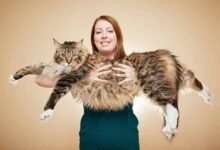
So, how bigare* we talking? A “large” Maine Coon isn’t just a slightly bigger-than-average cat. We’re discussing cats that truly stand out in terms of size and build. Male Maine Coons typically weigh between 13 and 18 pounds (sometimes exceeding 20!), while females generally range from 8 to 12 pounds. Height is also a key indicator.
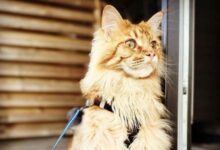
A large male can stand 10-12 inches tall at the shoulder, while females are usually 9-11 inches. Their body length, from nose to tail tip, can easily reach 40 inches or more.Beyond weight and height, their build is distinctive. They have a long, rectangular body with a broad chest and well-muscled legs. Their paws are large and round, often described as “snowshoe paws,” and they have a long, bushy tail that’s roughly the same length as their body.
The coat is thick and shaggy, with a distinctive ruff around the neck and large ear tufts. The combination of these features creates a truly imposing, yet undeniably charming, presence.
Personality Traits of Large Maine Coon Cats
Don’t let their size intimidate you! Despite their impressive stature, Maine Coons are renowned for their gentle and affectionate nature. They’re often described as “dog-like” due to their loyalty and tendency to follow their owners around. They’re intelligent and easily trainable, enjoying interactive games and puzzle toys. Maine Coons are also remarkably sociable, getting along well with children, other cats, and even dogs.
Their playful spirit often lasts well into adulthood, making them entertaining companions for years to come. They have a distinctive chirping vocalization, rather than a typical meow, which adds to their unique charm.
Size Variations Within the Breed
While we’ve discussed typical sizes, it’s important to understand that Maine Coons exhibit a considerable range in size. Not every Maine Coon will reach the upper limits of the weight and height ranges. Several factors contribute to this variation, making each cat a unique individual.
Male vs. Female Maine Coon Size
The most significant size difference between Maine Coons is between males and females. As mentioned earlier, males are considerably larger than females. The average male Maine Coon weighs between 13 and 18 pounds, with some reaching over 20 pounds. Their height at the shoulder typically ranges from 10 to 12 inches. Females, on the other hand, generally weigh between 8 and 12 pounds and stand 9 to 11 inches tall.
While some exceptionally large females can approach male sizes, the difference remains noticeable. A good rule of thumb is that males are typically 20-30% larger than females.
Factors Influencing Size Variation
Genetics play a primary role in determining a Maine Coon’s potential size. Just like humans, some cats inherit genes that predispose them to be larger or smaller. Nutrition is also crucial, especially during kittenhood and adolescence. A well-balanced diet rich in protein and essential nutrients supports healthy growth. Environmental factors, such as access to space and opportunities for exercise, can also influence a cat’s overall development.
A cat that is consistently confined to a small space may not reach its full potential size.
| Factor | Impact on Size |
|---|---|
| Genetics | Determines the cat’s inherent growth potential; influences bone structure and muscle mass. |
| Nutrition | Adequate protein, fat, and essential nutrients are vital for healthy growth, especially during kittenhood. |
| Environment | Sufficient space for exercise and activity promotes muscle development and overall growth. |
| Early Spaying/Neutering | Can potentially stunt growth if performed before the cat reaches full maturity. |
Grooming Requirements for Large Maine Coons
That magnificent coat comes with a responsibility! Due to their long, thick fur, large Maine Coons require a significant grooming commitment. Regular brushing is essential to prevent mats and tangles, which can be particularly challenging to remove from their dense undercoat.
Brushing Frequency and Techniques
Ideally, Maine Coons should be brushed at least 2-3 times per week. During shedding season (typically spring and fall), daily brushing is recommended. A combination of tools is most effective: a stainless steel comb to reach deep into the undercoat, a slicker brush to remove loose fur, and a metal rake to detangle. Start brushing at the head and work your way down the body, paying close attention to areas prone to matting, such as behind the ears, under the legs, and around the tail.
Gentle, patient brushing is key to a positive grooming experience.
Grooming Challenges and Solutions
The sheer volume of fur on a large Maine Coon presents unique grooming challenges. Matting is a common problem, especially if brushing is infrequent. Shedding can be substantial, leaving fur on furniture and clothing. Regular grooming helps minimize these issues. Consider professional grooming every few months to address any stubborn mats and keep the coat in optimal condition.
Bathing Guide for Large Maine Coons
Bathing a large Maine Coon can be an adventure! Here’s a step-by-step guide:
- Preparation: Gather your supplies: a cat-specific shampoo and conditioner, several towels, a non-slip mat for the tub, and a pitcher or sprayer for rinsing.
- Brushing: Thoroughly brush the cat
-before* bathing to remove loose fur and prevent mats from tightening. - Water Temperature: Use lukewarm water – not too hot, not too cold.
- Wetting: Gently wet the cat’s fur, avoiding the face and ears.
- Shampooing: Apply cat shampoo and gently massage it into the fur, working from head to tail.
- Rinsing: Rinse thoroughly until all traces of shampoo are gone.
- Conditioning: Apply cat conditioner to help detangle and moisturize the fur.
- Rinsing (Again!): Rinse again to remove all conditioner.
- Drying: Wrap the cat in a towel and gently pat dry. You can use a low-heat hairdryer, but be cautious not to overheat the cat.
- Post-Bath Brushing: Once the cat is mostly dry, brush the fur to prevent tangles.
Safety Precautions: Never leave a cat unattended in the bathtub. Speak in a calm, reassuring voice throughout the process. If the cat becomes overly stressed, stop and try again another day.
Health Considerations for Larger Individuals
The impressive size of large Maine Coons can, unfortunately, predispose them to certain health issues. Being aware of these potential problems and taking preventative measures is crucial for ensuring a long and healthy life.
Potential Health Issues
Hip dysplasia, a condition where the hip joint doesn’t develop properly, is more common in larger breeds, including Maine Coons. Hypertrophic cardiomyopathy (HCM), a heart condition, is also a concern. Spinal muscular atrophy (SMA) is a genetic disease that affects the motor neurons, leading to muscle weakness and atrophy. Polycystic kidney disease (PKD) is another genetic condition that can cause kidney failure.
Preventative Measures
Maintaining a healthy weight is paramount. Obesity puts extra stress on joints and can exacerbate hip dysplasia. Providing a balanced diet and encouraging regular exercise can help prevent weight gain. Regular veterinary checkups, including screenings for HCM and PKD, are essential for early detection and management. Joint supplements, such as glucosamine and chondroitin, may help support joint health.
Responsible Breeding Practices
Responsible breeders prioritize the health and well-being of their cats. They conduct genetic testing for HCM, SMA, and PKD before breeding and only breed cats that are free from these conditions or carriers with careful pairing. They also screen for hip dysplasia and select breeding pairs with good hip scores. Transparency about health testing results is a hallmark of a reputable breeder.
Outcome Summary
From their regal appearance to their affectionate nature, large Maine Coon cats offer a truly rewarding companionship. We’ve covered a lot of ground, from grooming and nutrition to health and training, highlighting the unique considerations for these impressive felines. Ultimately, owning a large Maine Coon is a commitment to providing a loving, stimulating, and supportive environment for a cat that will undoubtedly bring joy and wonder into your life for years to come.
If you’re considering welcoming one of these gentle giants into your home, remember that responsible breeding and attentive care are key to ensuring a long and fulfilling life for your Maine Coon. Prepare to be charmed by their playful antics and comforted by their unwavering loyalty – you won’t regret it!
Essential FAQs
How much do large male Maine Coons typically weigh?
Large male Maine Coons can weigh anywhere from 15 to 25 pounds, and some even exceed that! Females are generally smaller, ranging from 8 to 14 pounds.
What’s the history behind the Maine Coon breed?
The exact origins are shrouded in mystery! Popular theories include a mix between longhaired cats brought over by Vikings and local shorthaired cats, or even a pairing between a cat and a raccoon (hence the name, though this is highly unlikely!).
Are large Maine Coons prone to specific health problems?
Yes, larger individuals can be more susceptible to hip dysplasia and hypertrophic cardiomyopathy (HCM). Responsible breeders screen for these conditions to minimize the risk.
What’s the best food for a large Maine Coon?
A high-quality diet rich in protein is essential. Look for food specifically formulated for large breeds or active cats. Wet food is also beneficial for hydration.
How often should I brush a large Maine Coon?
Daily brushing is ideal to prevent mats and tangles. At a minimum, aim for 3-4 times per week, especially during shedding season.
What are some good enrichment activities for a large Maine Coon?
Puzzle toys, interactive games, cat trees, and scratching posts are all great ways to keep them mentally and physically stimulated. They also love chasing laser pointers and playing fetch!
How can I tell if a breeder is reputable?
A reputable breeder will be transparent about health testing, allow you to visit their cattery, and socialize their kittens from a young age. They should also be knowledgeable about the breed and happy to answer your questions.

