Lately, the internet’s been buzzing about a surprising trend: cat owners giving their feline friends Metamucil, a fiber supplement typically used by humans. It started with anecdotal posts online – stories of cats experiencing improved digestion, fewer hairballs, and even subtle shifts in weight. But is this a safe and effective solution, or are we putting our beloved companions at risk?
Metamucil, for those unfamiliar, is primarily psyllium husk, a soluble fiber designed to add bulk to stool and promote regularity in humans. This post dives deep into the phenomenon, exploring potential benefits, serious risks, and what veterinary experts have to say.
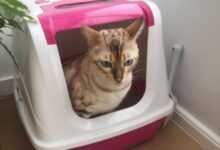
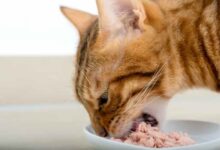
We’ll break down the science behind fiber, compare it to natural alternatives, and examine the potential dangers of self-treating your cat. It’s a complex topic with a lot of conflicting information, so we’ll aim to provide a balanced perspective, always emphasizing the crucial role of your veterinarian in making informed decisions about your cat’s health.
The Curious Case of Cats and Metamucil: A Growing Online Trend
Lately, a peculiar conversation has been bubbling up online: cat owners discussing the use of Metamucil, a fiber supplement typically used by humans, for their feline companions. It’s a trend that’s sparked both curiosity and concern, with anecdotes ranging from improved digestion to surprising behavioral changes. While the idea might seem unconventional, the sheer volume of discussion warrants a closer look.
This article aims to explore the phenomenon, weighing potential benefits against significant risks, and ultimately advising caution and veterinary consultation above all else.
Introduction: The Unexpected Trend
The internet, as it often does, has unearthed a surprising trend: cat owners sharing their experiences with administering Metamucil to their cats. Forums, social media groups, and online communities dedicated to feline health are buzzing with discussions about whether this human supplement can offer benefits for cats struggling with digestive issues or weight management. Many owners claim to have noticed positive changes, while others express serious reservations.
The anecdotal evidence, while compelling to some, highlights the need for a thorough understanding of the ingredients, potential risks, and the crucial role of veterinary guidance.
Several cat owners have reported observing changes in their cats after introducing Metamucil. One owner shared that her cat, previously prone to frequent hairballs, experienced a significant reduction after a few weeks. Another mentioned improved stool consistency and a decrease in overall digestive discomfort. These stories, while heartwarming, are just that – anecdotal. Metamucil, primarily known as a psyllium husk-based fiber supplement for humans, is intended to promote regularity and digestive health by adding bulk to stool.
It’s widely available and generally considered safe for human consumption when taken as directed.
| Human Dosage (Typical) | Potential Cat Dosage (Consult Vet!) | Important Note |
|---|---|---|
| 1-3 teaspoons (5-15g) daily | 1/8 – 1/4 teaspoon (0.6 – 1.25g) daily (START LOW!) | EXTREME CAUTION ADVISED. NEVER administer without veterinary approval. |
| Mixed with 8-16 ounces of water | Mixed with a small amount of wet food | Ensure adequate water intake for the cat. |
Potential Benefits for Cats (Reported by Owners)
The claims surrounding Metamucil’s potential benefits for cats largely revolve around digestive health. Many owners report a noticeable improvement in their cat’s digestion, particularly a reduction in hairballs. The fiber in Metamucil is believed to help bind hair in the digestive tract, preventing it from accumulating and forming hairballs. Beyond hairballs, some owners have observed a positive impact on weight management.
The added fiber can contribute to a feeling of fullness, potentially reducing a cat’s overall food intake, which could be beneficial for overweight cats. Finally, some owners have found Metamucil helpful in managing both constipation and diarrhea, although this is an area requiring particularly careful veterinary oversight.
- Hairballs: Significant reduction in frequency and size of hairballs reported.
- Constipation: Improved stool passage and reduced straining.
- Diarrhea: Some owners report firmer stools and reduced frequency of diarrhea episodes.
- Weight: Potential for reduced food intake and gradual weight loss in overweight cats.
Risks and Concerns: Why Caution is Essential
While the anecdotal evidence might be tempting, it’s crucial to understand the potential risks associated with giving human supplements to cats. Cats have unique digestive systems and nutritional needs that differ significantly from humans. Administering supplements without veterinary supervision can be dangerous, potentially leading to adverse reactions or masking underlying health problems. Incorrect dosage is a major concern; too much Metamucil can cause digestive upset, while too little might be ineffective.
Allergic reactions are also possible, although less common. Furthermore, Metamucil can interfere with the absorption of other medications a cat might be taking, potentially reducing their effectiveness or increasing the risk of side effects.
- Veterinary Supervision: Essential to rule out underlying medical conditions and ensure appropriate dosage.
- Incorrect Dosage: Can lead to digestive upset, dehydration, or nutrient deficiencies.
- Allergic Reactions: Possible, though rare.
- Medication Interference: Metamucil can affect the absorption of other medications.
If a cat ingests Metamucil, watch for the following symptoms: vomiting, lethargy, diarrhea, abdominal pain, loss of appetite, and changes in behavior. Immediate veterinary attention is necessary if any of these signs are observed.
The Fiber Factor: How it Works (and Why it’s Different for Cats)
Fiber plays a different role in a cat’s digestive system compared to many other animals. Cats are obligate carnivores, meaning their digestive systems are primarily designed to process animal protein. They have a relatively short digestive tract and limited ability to digest plant-based fiber. While some fiber can be beneficial, excessive amounts can actually disrupt their digestive balance. Metamucil, with its relatively high fiber content, differs significantly from natural sources of fiber that are more suitable for cats, such as pumpkin or sweet potato, which are more easily digestible.
The effect of fiber on stool consistency is well-documented. Fiber absorbs water in the digestive tract, adding bulk to the stool and making it easier to pass. However, in cats, this effect can be unpredictable and potentially problematic if not carefully managed under veterinary guidance.
[Flowchart Illustration: Cat Digestive Process] Imagine a simplified flowchart. It starts with food entering the mouth, then travels to the stomach, where protein digestion begins. Next, it moves to the small intestine for nutrient absorption. The remaining material then enters the large intestine, where water is absorbed. Finally, waste is eliminated.
Fiber, if present in excessive amounts, can disrupt the water absorption process in the large intestine, leading to loose stools or, conversely, constipation if it binds too much water.
Alternative Solutions: Safer Ways to Address Digestive Issues
Fortunately, there are safer and more effective ways to address digestive issues in cats. Veterinarian-approved fiber supplements specifically formulated for cats offer a more controlled and balanced approach. These supplements are designed to meet a cat’s unique nutritional needs and minimize the risk of adverse reactions. Dietary changes, such as switching to a wet food diet (which has higher moisture content) and ensuring adequate water intake, can also significantly improve digestion.
Regular grooming is essential to minimize hairball formation, regardless of whether a cat is taking any supplements.
| Brand | Ingredients | Dosage (Typical) | Price (Approximate) |
|---|---|---|---|
| Purina Pro Plan Veterinary Diets Hairball Control | Fiber blend (beet pulp, cellulose), chicken, rice | Varies based on cat’s weight and condition | $40 – $60 (large bag) |
| Hill’s Prescription Diet w/d Fiber Digestive Care | Fiber blend (cellulose, beet pulp), chicken, rice | Varies based on cat’s weight and condition | $50 – $70 (large bag) |
| Miracle Vet Fiber Supplement | Psyllium husk, pumpkin powder, flaxseed | 1/4 – 1/2 teaspoon daily | $15 – $25 (small container) |
Veterinary Perspectives: What Experts Say
Veterinarians generally advise against giving Metamucil to cats due to the potential risks and the availability of safer alternatives. They emphasize the importance of a proper diagnosis before attempting any home remedies. Digestive issues in cats can be caused by a variety of factors, including parasites, food allergies, inflammatory bowel disease, and underlying medical conditions. Self-treating without identifying the root cause can delay proper treatment and potentially worsen the condition.
“As a veterinarian, I strongly discourage owners from administering human supplements like Metamucil to their cats without my guidance. While the internet is full of anecdotal evidence, it’s crucial to remember that cats have unique digestive systems. A proper diagnosis is always the first step, and there are many vet-approved options available to address feline digestive problems safely and effectively.” – Dr. Emily Carter, DVM
Dosage and Administration (If Recommended by a Vet – Emphasize Caution)
If a veterinarian determines that Metamucil is appropriate for a cat, they will carefully calculate the dosage based on the cat’s weight, age, and overall health condition. The recommended method of administration is typically mixing a small amount of Metamucil powder with wet food. It’s crucial to ensure the cat drinks plenty of water to prevent dehydration. Self-treating with Metamucil is strongly discouraged and can have serious consequences.
- Step 1: Obtain veterinary approval and a specific dosage recommendation.
- Step 2: Measure the prescribed amount of Metamucil powder accurately.
- Step 3: Mix the powder thoroughly with a small portion of wet food.
- Step 4: Ensure the cat consumes the entire mixture.
- Step 5: Monitor the cat for any adverse reactions and report them to your veterinarian immediately.
Ingredient Breakdown: Beyond Psyllium Husk
Metamucil isn’t just psyllium husk. It contains a variety of other ingredients, including artificial sweeteners, flavorings, and preservatives. These additional ingredients can be problematic for cats. Artificial sweeteners, particularly xylitol, are extremely toxic to cats and can cause rapid hypoglycemia and liver failure. Flavorings and preservatives can also trigger allergic reactions or digestive upset in sensitive cats.
| Ingredient | Potential Impact on Cats |
|---|---|
| Psyllium Husk | Neutral (if used under veterinary guidance) |
| Xylitol | EXTREMELY TOXIC – can cause liver failure and death. |
| Artificial Flavorings | Potential for allergic reactions or digestive upset. |
| Artificial Preservatives (e.g., Sodium Benzoate) | Potential for allergic reactions or digestive upset. |
The Online Community: Exploring the Discussions

Source: topdogtips.com
Online forums and social media groups dedicated to cat health are rife with discussions about Metamucil. Owners share their experiences, ask questions, and offer advice. However, it’s important to approach this information with caution. The internet is a breeding ground for misinformation, and not all advice is reliable. Always verify information with a qualified veterinarian before making any changes to your cat’s diet or treatment plan.
Common concerns include dosage, potential side effects, and whether Metamucil is appropriate for specific health conditions.
- Hairball Concerns: “Does Metamucil really work for hairballs?”
- Dosage Questions: “What’s the safest dosage for a small cat?”
- Side Effects: “My cat seems lethargic after taking Metamucil. Should I stop?”
- Underlying Conditions: “Can Metamucil help with my cat’s chronic diarrhea?”
Long-Term Effects: What We Don’t Know
Currently, there is a significant lack of scientific research on the long-term effects of Metamucil on cats. While some owners report positive short-term results, the potential for unforeseen health consequences remains a concern. Ongoing veterinary monitoring is essential if a cat is given Metamucil, even under veterinary guidance. More research is needed to fully understand the impact of this human supplement on feline health.
- What are the long-term effects of psyllium husk on feline gut microbiome?
- Does prolonged Metamucil use affect nutrient absorption in cats?
- Are there specific cat breeds that are more susceptible to adverse reactions from Metamucil?
- What is the optimal dosage of Metamucil for cats with different digestive conditions?
Closure
The surge in online discussions about cat Metamucil highlights a common desire: to find simple solutions for our pets’ health concerns. However, the lack of scientific research and the potential for serious adverse effects underscore the importance of caution. While some owners report positive outcomes, the risks associated with incorrect dosage, allergic reactions, and interference with other medications are significant.
Ultimately, addressing digestive issues in cats requires a proper diagnosis from a veterinarian and a tailored treatment plan. Don’t fall for internet trends – prioritize your cat’s well-being by consulting a professional and exploring safer, vet-approved alternatives.
Remember, your cat’s health is paramount. This exploration should serve as a starting point for a conversation with your vet, not a DIY guide to feline fiber supplementation.
Popular Questions
Can I give my cat Metamucil to help with hairballs?
While some owners report success, it’s not recommended without veterinary guidance. There are safer, vet-approved fiber supplements and dietary changes specifically designed for hairball prevention.
What’s the difference between Metamucil and natural fiber sources for cats?
Metamucil contains ingredients beyond psyllium husk that may be unsuitable for cats. Natural sources like pumpkin and sweet potato offer fiber without the added risks.
My cat is overweight, could Metamucil help them lose weight?
Fiber can contribute to a feeling of fullness, potentially aiding in weight management, but it’s not a substitute for a balanced diet and exercise. Consult your vet for a proper weight management plan.
What if my cat has diarrhea after I give them Metamucil?
Diarrhea is a potential side effect. Stop giving Metamucil immediately and contact your veterinarian.
Are there any long-term studies on giving cats Metamucil?
No, there’s a significant lack of long-term research on the effects of Metamucil on cats, making it difficult to assess potential risks.
Can Metamucil interact with my cat’s other medications?
Yes, it’s possible. Always discuss any supplements with your veterinarian, especially if your cat is already taking medication.
What ingredients in Metamucil are most concerning for cats?
Artificial sweeteners like xylitol are extremely toxic to cats. Flavorings and preservatives can also be problematic. Read the label carefully.

