It’s not something you hear about every day, but just like in humans, chromosomal abnormalities can affect our feline friends. Down syndrome in cats, or more accurately, developmental variations stemming from similar chromosomal differences, is a complex topic that deserves a closer look. We’ll explore what causes these differences, how they manifest, and most importantly, how we can provide the best possible care for these special kitties.
Historically, recognizing these differences in cats was less common, often attributed to simple quirks. However, with advancements in veterinary science and a growing understanding of genetics, we’re now better equipped to identify and address these conditions. This guide will walk you through everything from the genetic basis to practical tips for creating a supportive and enriching environment for a cat with developmental variations.
Down Syndrome in Cats: Understanding Developmental Variations
It’s a topic that doesn’t get nearly enough attention: developmental variations in cats. While we often focus on common feline ailments, understanding conditions that stem from chromosomal differences is crucial for responsible pet ownership and ethical breeding. This article aims to shed light on what we know about these variations, often informally referred to as “Down syndrome” in cats, exploring the genetics, physical and behavioral traits, health concerns, and how we can best support these special felines.
It’s important to note that the term “Down syndrome” is an oversimplification, as the underlying causes and specific manifestations can vary significantly.
1. Introduction to Down Syndrome in Cats
Chromosomal abnormalities are deviations from the typical number or structure of chromosomes, the structures that carry our genetic information. In cats, like in humans, these abnormalities can lead to a range of developmental differences. Historically, recognizing these differences in cats was challenging. Early observations might have been dismissed as simply “odd” or “unusual” kittens. However, as veterinary science has advanced, particularly in genetics, we’ve begun to understand that some of these variations are linked to chromosomal issues.
A cat exhibiting developmental differences might show subtle or more pronounced variations in appearance, behavior, or cognitive abilities. Recognizing these early signs is the first step in providing appropriate care.
2. Genetic Basis and Causes
A typical feline has 38 chromosomes arranged in 19 pairs. Cats with developmental variations often have an extra chromosome (trisomy) or a structural abnormality within a chromosome. The most commonly suspected, though rarely confirmed, is a partial or full trisomy of chromosome 18, mirroring the human condition. The exact causes of these chromosomal differences are often unknown, but they are generally considered to arise spontaneously during the formation of egg or sperm cells (de novo mutations).
While inherited factors are theoretically possible, they are not well-documented in felines. The likelihood of recurrence within a feline lineage is generally low, especially if the affected cat didn’t inherit the chromosomal abnormality from its parents. However, genetic counseling is always recommended for breeders.
3. Physical Characteristics and Appearance
Source: barklikemeow.com
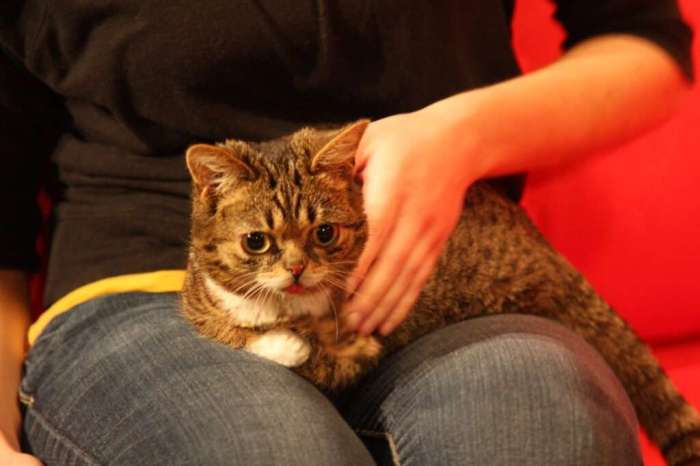
Cats with developmental variations can exhibit a wide range of physical traits. While there’s no single “look,” certain characteristics are more commonly observed. Facial features might include epicanthic folds (a slight upward slant to the eyes), a flattened nose bridge, and a somewhat broader facial structure. Body structure can also vary, with some cats showing limb length discrepancies or subtle skeletal differences.
Coat characteristics don’t seem to be consistently linked to these conditions; coat patterns and textures are generally normal. It’s important to remember that not all cats will exhibit all of these traits, and the severity can vary greatly.
| Feature | Typical Appearance | Potential Variation |
|---|---|---|
| Facial Structure | Symmetrical, well-defined nose bridge | Epicanthic folds, flattened nose bridge, broader face |
| Limb Length | Equal limb length on all four limbs | Slight discrepancies in limb length |
| Body Proportions | Balanced body proportions | Slightly altered body proportions |
| Head Size | Proportional to body size | Slightly larger head relative to body |
4. Behavioral and Cognitive Differences
Behavioral and cognitive differences are often a significant aspect of developmental variations in cats. Increased anxiety is frequently observed, and these cats may be more sensitive to stimuli like loud noises or sudden movements. Altered social interactions are also common; some cats may be more withdrawn, while others might exhibit clingy or overly affectionate behaviors. Cognitively, these cats may experience learning challenges or difficulties with problem-solving.
These differences can manifest differently depending on the environment. For example, a cat might be relatively calm and content at home but become highly anxious and overwhelmed in a busy veterinary clinic.
5. Common Health Concerns and Comorbidities
Cats with developmental variations are predisposed to certain health problems. Heart defects, particularly congenital heart defects, are more prevalent. Vision and hearing impairments are also frequently observed. The underlying chromosomal abnormalities can affect various organ systems, increasing the risk of these complications. Furthermore, these cats may have a slightly compromised immune system, making them more susceptible to secondary infections.
Preventative care, including regular veterinary checkups, vaccinations, and parasite control, is absolutely crucial for these cats.
6. Diagnosis and Assessment
Diagnosing developmental variations in cats can be complex. The initial step involves a thorough physical examination, looking for the characteristic physical traits mentioned earlier. A detailed pedigree review is also important to rule out any inherited conditions. Genetic testing, while becoming increasingly available, is not always conclusive and can be expensive. Veterinary specialists, such as veterinary geneticists and cardiologists, often play a vital role in the diagnostic process, particularly when investigating potential heart defects or other complex health issues.
| Step | Description |
|---|---|
| 1. Initial Observation | Owner notices unusual physical traits or behaviors. |
| 2. Physical Examination | Veterinarian performs a comprehensive physical exam. |
| 3. Pedigree Review | Veterinarian reviews the cat’s family history. |
| 4. Diagnostic Testing | Consider genetic testing, echocardiogram (heart ultrasound), and other relevant tests. |
| 5. Specialist Consultation | Referral to a veterinary geneticist or cardiologist, if needed. |
7. Management and Supportive Care
Creating a supportive home environment is paramount for cats with developmental variations. Minimizing stress and maximizing comfort are key. This might involve providing quiet, safe spaces, avoiding loud noises and sudden changes, and using pheromone diffusers to promote relaxation. Managing specific health concerns requires a tailored approach, which may include medication, dietary adjustments, and physical therapy. Behavioral modification techniques, such as positive reinforcement training, can be helpful in addressing anxiety or other behavioral challenges.
- Provide a quiet, safe haven.
- Use pheromone diffusers (e.g., Feliway).
- Maintain a consistent routine.
- Avoid overwhelming stimuli.
- Administer medications as prescribed.
- Provide gentle, regular grooming.
8. Nutritional Considerations
Cats with developmental variations may have specific nutritional needs. Potential metabolic differences or digestive issues can impact nutrient absorption. A diet formulated for sensitive stomachs or specific health conditions, such as kidney disease or heart disease, may be beneficial. It’s crucial to monitor a cat’s weight and body condition regularly, adjusting the diet as needed to ensure optimal nutrition. Consulting with a veterinary nutritionist can provide personalized dietary recommendations.
9. Environmental Enrichment and Stimulation
Environmental enrichment is essential for all cats, but it’s particularly important for those with developmental variations. Providing safe and stimulating activities can help reduce anxiety and improve overall well-being. Interactive toys, climbing structures, and puzzle feeders can provide mental and physical stimulation. However, it’s important to adapt enrichment activities to accommodate a cat’s individual abilities and preferences. Some cats may prefer gentle, low-key activities, while others may enjoy more challenging games.
10. Veterinary Care and Monitoring
Cats with developmental variations require more frequent veterinary checkups than typical cats. Regular monitoring of vital signs, organ function, and overall health status is crucial for early detection of potential problems. Communication with veterinary professionals is key; clearly articulate the cat’s specific needs and concerns.
| Parameter | Frequency of Monitoring | Typical Range | Potential Concerns |
|---|---|---|---|
| Heart Rate | Every 6 months | 140-220 bpm | Arrhythmias, murmurs |
| Blood Pressure | Annually | 90-160 mmHg | Hypertension |
| Kidney Function (BUN, Creatinine) | Annually | Within normal limits | Elevated levels indicate kidney disease |
| Vision/Hearing | Annually | Normal | Decreased acuity or hearing loss |
11. Ethical Considerations and Responsible Breeding
Breeding cats with known or suspected developmental variations raises significant ethical concerns. Responsible breeders should prioritize the health and welfare of their cats above all else. Breeding programs should avoid intentionally producing cats with these conditions. Genetic counseling can help breeders make informed decisions about breeding practices, minimizing the risk of passing on these conditions to future generations. Transparency with potential buyers is also essential.
12. Illustrative Examples of Affected Cats
Imagine a female cat, slightly smaller than average, with a noticeably flattened nose bridge and a tendency to startle easily at sudden noises. She’s incredibly affectionate and loves to cuddle, but she becomes anxious when left alone for extended periods. Another cat might have slightly shorter limbs and a tendency to tire quickly during playtime. He’s a gentle soul, but he struggles with learning new tricks and often gets frustrated when faced with a puzzle feeder.
A third cat might have a slightly enlarged head and a tendency to vocalize excessively. While she’s playful and energetic, she can be easily overwhelmed by boisterous interactions with other cats.
“A typical day for Willow involves a slow, deliberate morning routine. After a quiet breakfast, she spends hours basking in a sunbeam, occasionally batting at a feather toy. The afternoon is reserved for cuddling with her human, followed by a gentle grooming session. Evenings are peaceful, filled with soft music and the comforting presence of her loved ones. While she faces challenges, Willow’s life is filled with love, comfort, and moments of pure joy.”
A loving owner might adapt their home by creating a series of quiet, safe spaces where the cat can retreat when feeling overwhelmed. They might use soft bedding, calming pheromone diffusers, and provide a predictable routine to minimize stress. Interactive toys and gentle playtime can provide enrichment without being overly stimulating.
Last Recap
Navigating life with a cat experiencing developmental variations can be challenging, but it’s also incredibly rewarding. By understanding the potential health concerns, behavioral nuances, and nutritional needs, we can empower ourselves to provide the best possible care and create a loving, supportive home. Remember, these cats deserve all the love and patience we can offer, and with the right approach, they can live happy, fulfilling lives.
Ultimately, responsible breeding practices and early veterinary intervention are key to minimizing the impact of these conditions and ensuring the well-being of future generations of felines. Let’s continue to learn and advocate for these unique and deserving members of our cat community.
Key Questions Answered
What’s the difference between “Down syndrome in cats” and “developmental variations”?
The term “Down syndrome” is specifically for humans. In cats, we use “developmental variations” because the exact chromosomal abnormality isn’t always the same as in humans. It refers to a range of conditions caused by differences in chromosome structure or number.
Are developmental variations always obvious at birth?
Not always. Some cats may show subtle differences that become more apparent as they grow. Others might have more pronounced characteristics from a young age.
Can a cat with developmental variations still be a loving and playful companion?
Absolutely! While they may have unique needs and challenges, cats with developmental variations are just as capable of forming strong bonds and bringing joy to their families.
Is there a cure for developmental variations in cats?
Unfortunately, there’s no cure. Management focuses on addressing specific health concerns, providing supportive care, and creating a comfortable and enriching environment.
Should I be worried if my cat has slightly unusual facial features?
It’s always best to consult with a veterinarian. While unusual features
-could* be related to a developmental variation, they could also be due to other factors. A vet can perform a thorough examination and recommend appropriate testing if needed.
How can I tell if my cat is in pain or discomfort?
Cats are masters at hiding pain. Look for subtle changes in behavior, such as decreased appetite, hiding more than usual, changes in grooming habits, or increased irritability. Contact your vet if you suspect your cat is in pain.

