Ever wondered if your feline friend could enjoy a taste of the ocean? The question “can cat have shrimp?” is popping up more and more, and for good reason! Shrimp is packed with nutrients that
-could* benefit your cat, but there are also potential risks to consider. This guide dives deep into everything you need to know – from the nutritional perks to potential allergies, safe preparation methods, and even alternatives – to help you make informed decisions about including shrimp in your cat’s diet.
We’ll explore the impressive nutritional profile of shrimp, detailing the protein, omega-3s, and essential vitamins and minerals it offers. But it’s not all sunshine and seafood! We’ll also address concerns like allergies, heavy metal contamination, and the importance of proper cooking. Plus, we’ll break down portion sizes, different shrimp varieties, and when (and if!) shrimp might be a helpful addition to your cat’s meal plan, always with a vet’s guidance.
Can Cats Have Shrimp? A Comprehensive Guide
Shrimp. It’s a delicious seafood enjoyed by humans worldwide. But what about our feline companions? Can cats safely enjoy this tasty treat? The answer, like many things in the world of pet nutrition, is a bit nuanced.
This guide will delve into the nutritional benefits, potential risks, and proper preparation methods for feeding shrimp to your cat, ensuring you make informed decisions about their diet. We’ll cover everything from the best types of shrimp to potential allergic reactions and how to safely incorporate this seafood into your cat’s meal plan.The world of cat nutrition can be confusing.
There’s so much information out there, and it’s hard to know what’s reliable. Our goal here is to cut through the noise and provide you with clear, practical advice based on current understanding of feline dietary needs.
Nutritional Value of Shrimp for Cats
Shrimp offers a surprising array of nutrients that can be beneficial for cats. It’s not just about taste; it’s about providing essential building blocks for a healthy feline. The primary nutrients found in shrimp include protein, omega-3 fatty acids, vitamins, and minerals. Protein is crucial for muscle development and repair, omega-3s support brain health and reduce inflammation, and vitamins and minerals contribute to overall well-being.Typically, cooked shrimp is composed of roughly 70-80% protein, 15-20% fat, and less than 1% carbohydrates.
This makes it a relatively low-carb, high-protein food source, which aligns well with a cat’s carnivorous nature. The omega-3 fatty acids, particularly EPA and DHA, are especially valuable. These contribute to a shiny coat, healthy joints, and a robust immune system.Here’s a comparison table illustrating the nutritional content of shrimp versus common cat food ingredients:
| Ingredient | Protein % | Fat % | Other Notable Nutrients |
|---|---|---|---|
| Shrimp (Cooked) | 70-80 | 15-20 | Omega-3 Fatty Acids, Vitamin B12, Selenium |
| Chicken (Cooked) | 75-80 | 3-5 | Niacin, Phosphorus |
| Fish (Cooked) | 65-75 | 10-15 | Omega-3 Fatty Acids, Vitamin D |
| Beef (Cooked) | 60-70 | 10-20 | Iron, Zinc |
Potential Risks and Allergies
While shrimp can be a healthy addition to a cat’s diet, it’s essential to be aware of potential risks. Allergic reactions to shellfish are possible in cats, just as they are in humans. Symptoms can range from mild skin irritation (itching, redness) to more severe reactions like vomiting and diarrhea. If you notice any of these signs after introducing shrimp, discontinue feeding it immediately and consult your veterinarian.Heavy metal contamination is another concern with seafood.
Shrimp, like other marine animals, can accumulate heavy metals from their environment. The level of contamination varies depending on the shrimp’s origin and the water quality. Farmed shrimp often have a higher risk of contamination with antibiotics and pesticides, while wild-caught shrimp may be more susceptible to heavy metal accumulation. Choosing reputable sources and opting for sustainably harvested shrimp can help minimize this risk.Here’s a flowchart outlining the steps to take if you suspect your cat is having an allergic reaction to shrimp:
1. Observe
Note the symptoms (skin irritation, vomiting, diarrhea, lethargy).
2. Stop Feeding
Immediately discontinue feeding shrimp.
3. Monitor
Continue to observe your cat for any worsening of symptoms.
4. Contact Vet
If symptoms persist or worsen, contact your veterinarian.
5. Veterinary Examination
Your vet may recommend allergy testing or other diagnostic procedures.
Safe Preparation Methods
Safety is paramount when preparing food for your cat. Raw shrimp can harbor bacteria and parasites that can make your feline friend sick. Thorough cooking is essential to eliminate these risks.Boiling, steaming, and grilling are all preferred cooking methods. Boiling and steaming are generally considered the safest, as they minimize the risk of charring and the formation of potentially harmful compounds.
Grilling is acceptable, but ensure the shrimp is cooked thoroughly and avoid adding any seasonings or marinades.Removing the shell and tail is crucial to prevent choking hazards. Cats can easily get their claws or teeth caught in the shell, leading to discomfort or even injury.Here’s a step-by-step guide to preparing shrimp for your cat:
- Purchase: Select fresh or frozen shrimp from a reputable source.
- Thaw (if frozen): Thaw shrimp completely in the refrigerator.
- Peel & Devein: Remove the shell and tail.
- Cook: Boil or steam the shrimp until it’s pink and opaque (approximately 3-5 minutes).
- Cool: Allow the shrimp to cool completely before offering it to your cat.
- Serve: Offer a small portion as a treat.
Quantity and Frequency of Feeding
Moderation is key when incorporating shrimp into your cat’s diet. Portion sizes should be adjusted based on your cat’s weight and age. A small cat (under 5 pounds) might only need 1-2 shrimp per week, while a larger cat (over 10 pounds) could have 3-4.Shrimp should be considered a treat, not a primary food source. It shouldn’t make up more than 10% of your cat’s daily caloric intake.
Overfeeding can lead to digestive upset and nutritional imbalances.To calculate the caloric intake of shrimp, you can use the following estimate: approximately 85 calories per 100 grams (3.5 ounces). Adjust the portion size accordingly to maintain a healthy weight.
Types of Shrimp and Suitability
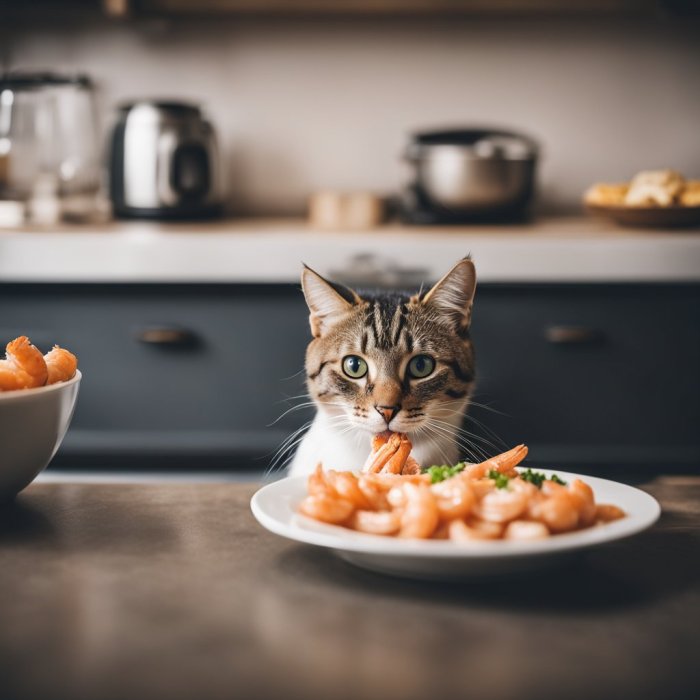
Source: purrpetrators.com
Different varieties of shrimp have slightly varying nutritional profiles and potential risks. Tiger shrimp, pink shrimp, and white shrimp are commonly available. Tiger shrimp tends to be larger and has a slightly higher fat content. Pink and white shrimp are generally leaner.Frozen, canned, and dried shrimp can all be suitable for feline consumption, provided they are prepared safely. Frozen shrimp is often a good option as it’s typically frozen shortly after harvesting, preserving its nutritional value.
Canned shrimp should be rinsed thoroughly to remove excess sodium. Dried shrimp can be a palatable treat, but be mindful of the sodium content.Shrimp paste and shrimp jerky are generally not recommended due to their high sodium content and often added ingredients, which can be harmful to cats.
| Shrimp Type | Suitability | Reasoning |
|---|---|---|
| Tiger Shrimp | Medium | Higher fat content; moderate portion sizes recommended. |
| Pink Shrimp | High | Leaner option; generally well-tolerated. |
| White Shrimp | High | Similar to pink shrimp; good source of nutrients. |
Shrimp as a Remedy for Specific Conditions
While not a cure-all, shrimp’s nutrients
- may* offer benefits for cats with certain health concerns,
- always under veterinary guidance*. The omega-3 fatty acids in shrimp can potentially help reduce inflammation associated with arthritis, improving joint mobility and comfort. Similarly, omega-3s can support skin health, alleviating dryness and itchiness.
Omega-3s are also known to play a role in cognitive function, and incorporating shrimp into a cat’s dietmight* help support brain health, particularly in older cats. For cats with decreased appetite, the appealing aroma and taste of shrimp can sometimes entice them to eat.A veterinarian might recommend incorporating small amounts of shrimp into a cat’s diet as part of a broader treatment plan for arthritis, skin problems, or decreased appetite, alongside medication and other dietary adjustments.
Alternatives to Shrimp for Cats
If your cat doesn’t tolerate shrimp well or you’re looking for alternative protein sources, several options are available. Chicken, fish (salmon, tuna), and beef are all excellent choices. These alternatives offer similar nutritional benefits, such as protein and omega-3 fatty acids.The cost and availability of these alternatives vary. Chicken is generally the most affordable and readily available option. Fish can be more expensive, especially if you’re opting for wild-caught varieties.
Beef can be a good source of iron but should be offered in moderation due to its higher fat content.
A balanced diet is the cornerstone of feline health. While shrimp can be a nutritious treat, relying solely on it as a food source can lead to nutritional deficiencies and health problems. Always consult with your veterinarian to ensure your cat’s dietary needs are being met.
Visual Descriptions of Shrimp for Cats
From a cat’s perspective, cooked shrimp presents a unique sensory experience. The texture is smooth and slightly rubbery, offering a satisfying chew. The aroma is appealing, a subtle, savory scent that can pique a cat’s interest.Raw shrimp has a translucent, grayish-white appearance, while cooked shrimp turns a vibrant pink. This color change is a clear indicator that the shrimp is safe to eat.A close-up view reveals the muscle fibers running along the length of the shrimp, interspersed with delicate veins.
The shell, once removed, leaves behind a thin, translucent membrane.The color variations in shrimp – ranging from pink to grey to white – might affect a cat’s perception. Some cats may be more attracted to the pink color, while others may prefer the milder hue of white shrimp.
Epilogue
Ultimately, deciding whether or not “can cat have shrimp?” is a yes depends on your individual cat and their specific needs. While shrimp offers a compelling nutritional boost, it’s crucial to prioritize safety and moderation. Remember, shrimp should be considered a treat, not a replacement for a balanced, complete cat food. Always consult with your veterinarian before making significant changes to your cat’s diet, especially if they have any existing health conditions.
With careful consideration and veterinary advice, you can determine if a little shrimp can be a delicious and healthy addition to your cat’s life!
Query Resolution
Can raw shrimp be given to cats?
Absolutely not! Raw shrimp can contain harmful bacteria and parasites that can make your cat very sick. Always cook shrimp thoroughly before offering it to your cat.
What are the signs of a shrimp allergy in cats?
Look out for symptoms like excessive scratching, skin irritation, vomiting, diarrhea, or swelling of the face. If you notice any of these, stop feeding shrimp immediately and contact your vet.
How much shrimp is safe for a cat to eat?
A small amount – typically no more than 1-2 shrimp per week – is generally considered safe for most cats as a treat. Portion size should be adjusted based on your cat’s weight and overall diet.
Is canned shrimp okay for cats?
Canned shrimp can be okay
-if* it’s packed in water and doesn’t contain added salt or seasonings. Rinse it thoroughly before feeding.
Are shrimp shells safe for cats to eat?
No! Shrimp shells are a choking hazard and difficult for cats to digest. Always remove the shell and tail before giving shrimp to your cat.
Can shrimp help with arthritis in cats?
The omega-3 fatty acids in shrimp
-may* offer some benefit for joint health, but this should always be discussed with your veterinarian as part of a comprehensive treatment plan.