That lingering cat urine smell? It’s more than just unpleasant; it’s a complex chemical battle. Cat urine contains a potent cocktail of compounds like ammonia and uric acid crystals, making it notoriously difficult to eliminate. Unlike other animal urine, cat urine’s unique composition clings stubbornly to surfaces, and its intensity can vary based on your cat’s sex, age, and even their diet.
Understanding these factors is the first step in winning the war against that persistent odor.

This guide dives deep into the science behind cat urine odor, explores various elimination methods – from enzymatic cleaners to DIY solutions – and provides practical tips for tackling even the most stubborn smells. We’ll break down the pros and cons of each approach, ensuring you have the knowledge to choose the best cat urine odor eliminator for your home and your feline friend.
Understanding Cat Urine Odor
Cat urine is notorious for its lingering, unpleasant smell. It’s a problem many cat owners face, and it’s often far more persistent than other animal urine odors. This isn’t just about a bad smell; it’s a complex chemical reaction that requires a specific approach to eliminate effectively. Let’s dive into what makes cat urine so difficult to deal with and how different factors influence its intensity.
Detail the Chemical Compounds Responsible for the Persistent Smell
The distinctive and stubborn odor of cat urine isn’t caused by a single compound. It’s a complex cocktail of chemicals, with ammonia and uric acid crystals playing the starring roles. Ammonia, a byproduct of urea breakdown, is immediately pungent. However, the real culprit behind the lingering smell is uric acid. Unlike urea, which breaks down relatively quickly, uric acid forms crystals that are incredibly stable and resistant to standard cleaning methods.
These crystals slowly release ammonia over time, leading to that persistent, lingering odor. Beyond ammonia and uric acid, volatile organic compounds (VOCs) like dimethylamine and trimethylamine also contribute to the overall smell, adding layers of complexity. These VOCs are released as the urine dries, further extending the odor’s lifespan.
Explain Why Cat Urine Odor is So Difficult to Eliminate
The difficulty in eliminating cat urine odor stems primarily from the uric acid crystals. Traditional cleaners often fail to fully dissolve these crystals, meaning the ammonia release continues even after cleaning. Many household cleaners simply mask the odor temporarily, rather than eliminating the source. Furthermore, cat urine can penetrate deep into porous materials like carpets and upholstery, making complete removal a challenge.
The combination of stable crystals, VOCs, and deep penetration creates a formidable odor problem.
Discuss the Differences in Urine Composition Between Male and Female Cats
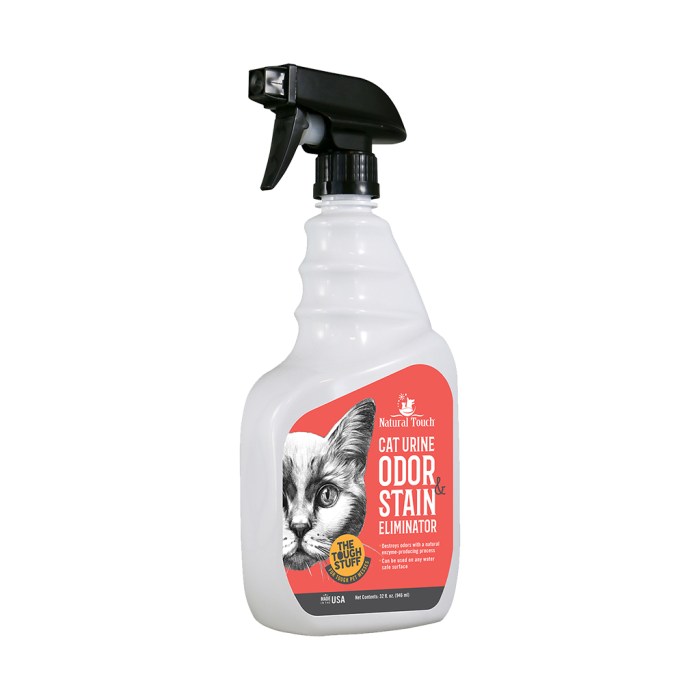
Source: tommyspetshop.ca
Interestingly, the odor intensity can vary depending on the cat’s sex. Male cat urine generally has a stronger odor than female cat urine. This is due to the presence of pheromones in male cat urine, which are used for marking territory. These pheromones contribute significantly to the overall smell and are more concentrated in male cats. While female cats also produce pheromones, they are typically present in lower concentrations.
Provide a Breakdown of How Age and Diet Influence Urine Composition
A cat’s age and diet also play a role in urine composition and odor. Younger cats tend to have more diluted urine, resulting in a less intense odor. As cats age, their kidney function may decline, leading to more concentrated urine and a stronger smell. Diet is a significant factor as well. A diet high in protein can increase the concentration of urea in the urine, which subsequently leads to higher ammonia levels after breakdown.
Conversely, a diet with controlled protein levels can help minimize the odor. Certain urinary health foods can also influence urine pH, which can affect the stability of uric acid crystals.
Types of Cat Urine Odor Eliminators
Choosing the right odor eliminator can feel overwhelming, with so many options available. From enzymatic cleaners to DIY solutions, each approach has its pros and cons. Understanding the different types and how they work is crucial for selecting the most effective solution for your situation.
Create a Categorized List of Odor Eliminators
Here’s a breakdown of common cat urine odor eliminators, categorized by their approach:
- Enzymatic Cleaners: These cleaners utilize enzymes to break down the odor-causing molecules.
- Chemical-Based Sprays: These sprays typically contain chemicals that either mask the odor or neutralize it through chemical reactions.
- Baking Soda Methods: Baking soda is a natural absorbent that can help absorb odors.
- DIY Solutions: Homemade remedies using common household ingredients like vinegar and hydrogen peroxide.
Compare and Contrast Enzymatic Cleaners with Chemical-Based Sprays
Enzymatic cleaners and chemical-based sprays represent two fundamentally different approaches to odor elimination. Chemical-based sprays often rely on masking the odor with a stronger fragrance or neutralizing it through chemical reactions. While they can provide temporary relief, they don’t address the underlying source of the odor – the uric acid crystals. Enzymatic cleaners, on the other hand, work by introducing enzymes that specifically target and break down these crystals and other odor-causing compounds.
This results in a more complete and long-lasting odor removal. However, enzymatic cleaners require dwell time and proper saturation to be effective, while chemical sprays often offer quicker results.
Design a Table Comparing Different Types of Odor Eliminators
| Type | Effectiveness (Scale 1-5) | Pet Safety | Cost | Ease of Use |
|---|---|---|---|---|
| Enzymatic Cleaners | 4-5 | 3-4 (Read labels carefully) | 3-4 | 3 |
| Chemical-Based Sprays | 2-3 | 1-2 (Potential toxicity) | 2 | 4 |
| Baking Soda | 1-2 | 5 | 1 | 5 |
| DIY Solutions | 1-3 | 4 (Depending on ingredients) | 1 | 4 |
Elaborate on the Science Behind Enzymatic Cleaners
Enzymatic cleaners harness the power of biological catalysts – enzymes – to break down complex molecules into simpler, odorless substances. The enzymes typically used in cat urine odor eliminators are proteases (break down proteins), lipases (break down fats), and amylases (break down carbohydrates). These enzymes specifically target the uric acid crystals, proteins, and other organic compounds present in cat urine, effectively dismantling the odor-causing molecules.
The process is natural and doesn’t just mask the odor; it eliminates the source.
Enzymatic Cleaners: A Deep Dive
While many products claim to eliminate cat urine odor, enzymatic cleaners stand out due to their unique biological approach. Understanding how these cleaners work and how to use them effectively is key to achieving lasting results.
Detail the Process of How Enzymes Work
Enzymes are biological catalysts that speed up chemical reactions. In the context of cat urine odor elimination, enzymes work by binding to the odor-causing molecules (uric acid crystals, proteins, etc.) and breaking them down into smaller, odorless components like carbon dioxide and water. This process is called hydrolysis, where water molecules are used to break the chemical bonds. The specific enzymes used determine which molecules they can target, highlighting the importance of a broad-spectrum enzyme blend.
Discuss the Importance of Choosing an Enzymatic Cleaner with a Broad Spectrum of Enzymes
Cat urine is a complex mixture of compounds. A cleaner with only one type of enzyme might only address a portion of the odor problem. A broad-spectrum enzymatic cleaner contains a variety of enzymes – proteases, lipases, amylases, and sometimes even cellulases – to target a wider range of odor-causing molecules. This ensures a more thorough and complete odor elimination.
Provide s for Properly Using Enzymatic Cleaners
Proper application is crucial for enzymatic cleaners to work effectively. Here are some key s:
- Dwell Time: Allow the cleaner to sit on the affected area for the recommended dwell time (usually 10-30 minutes, or longer for heavily soiled areas). This allows the enzymes time to work.
- Saturation Levels: Saturate the area thoroughly. Enzymes need moisture to function, so ensure the cleaner penetrates deep into the material.
- Ventilation Requirements: Ensure adequate ventilation during and after application.
Share a Step-by-Step Guide on How to Identify and Pre-Treat Heavily Soiled Areas
Before applying an enzymatic cleaner, it’s important to identify and pre-treat heavily soiled areas:
- Locate the Source: Use a UV blacklight to identify hidden urine stains.
- Blot Excess Urine: If the urine is still wet, blot up as much as possible with paper towels.
- Pre-Treat with Water: Saturate the area with water to help the enzymes penetrate.
- Apply Enzymatic Cleaner: Follow the product’s instructions for application.
Final Conclusion
Ultimately, effectively eliminating cat urine odor requires a multi-faceted approach. While chemical solutions can offer quick results, enzymatic cleaners often provide a more thorough and long-lasting solution by actually breaking down the odor-causing molecules. Don’t underestimate the power of preventative measures, like maintaining a clean litter box and addressing any underlying behavioral issues. By combining the right cleaning techniques with proactive strategies, you can reclaim your home from that stubborn cat urine smell and create a fresh, welcoming environment for both you and your cat.
Remember, persistence is key! Stubborn odors often require repeated treatments and a keen eye for identifying hidden stains. With the knowledge and tools Artikeld here, you’re well-equipped to conquer even the most challenging cat urine odor situations.
Expert Answers
Why is cat urine so hard to get rid of?
Cat urine contains uric acid crystals that bind to surfaces, resisting water-based cleaning. Ammonia and volatile organic compounds also contribute to the lingering smell.
Are enzymatic cleaners really better than chemical sprays?
Enzymatic cleaners break down the odor-causing molecules, while chemical sprays often just mask the smell. Enzymes offer a more permanent solution, but may require longer dwell times.
Can I use vinegar and baking soda on all surfaces?
While effective on some surfaces, vinegar can damage hardwood floors and baking soda can leave a residue. Always test in an inconspicuous area first.
How can I find hidden cat urine spots?
A UV blacklight can help reveal urine stains that are invisible to the naked eye. Turn off the lights and shine the blacklight over the suspected area.
What if my cat is still urinating outside the litter box?
Consult a veterinarian to rule out any medical conditions. Also, consider litter box placement, type, and cleanliness, and ensure your cat has adequate environmental enrichment.
How long should I let an enzymatic cleaner sit on the affected area?
Dwell time varies by product, but generally, 10-30 minutes is recommended. Always follow the manufacturer’s instructions.

