So, you’ve invested in an automatic litter box – fantastic! It’s a game-changer for convenience and odor control. But the key to a truly seamless experience lies in selecting the right cat litter. Not all litters are created equal, especially when it comes to the mechanics and performance of these automated systems. This guide dives deep into everything you need to know, from litter types and dust control to cat preferences and long-term costs, ensuring your automatic litter box runs smoothly and your feline friend is happy.
We’ll explore the nuances of different litter materials like clay, silica gel, wood, and more, examining their absorbency, odor-fighting abilities, and how they interact with various automatic litter box mechanisms. Beyond just the litter itself, we’ll cover crucial aspects like minimizing dust, reducing tracking, and even troubleshooting common issues that can arise. Ultimately, our goal is to empower you to make informed decisions that optimize your automatic litter box setup for both you and your cat.
Choosing the Right Litter for Your Automatic Litter Box
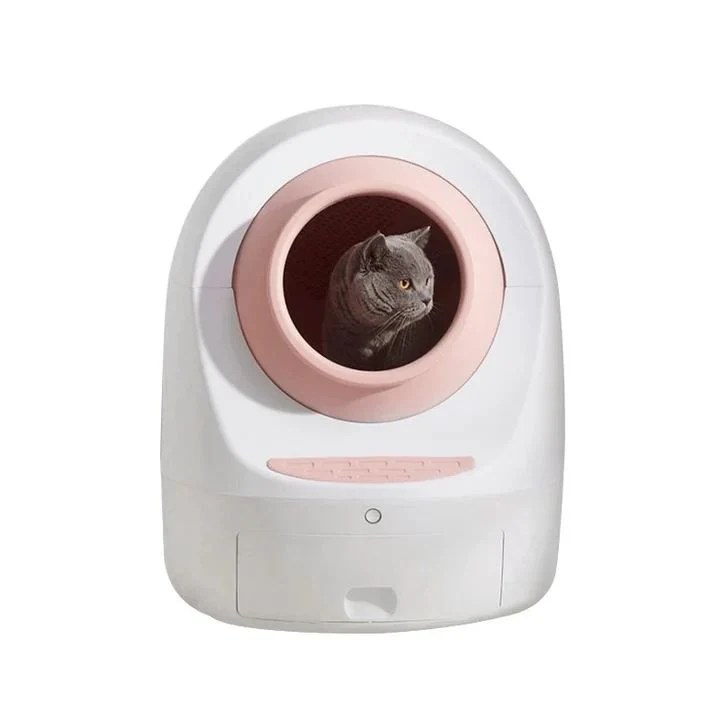
Source: pethuhou.com
So, you’ve taken the plunge and invested in an automatic litter box – congrats! It’s a game-changer for convenience and, hopefully, a less smelly home. But here’s the thing: not all litter is created equal, especially when it comes to automated systems. Picking the wrong litter can lead to clogs, malfunctions, and a frustrated cat (and you!). This guide will walk you through everything you need to know about litter selection for your automatic litter box, from material types to troubleshooting common issues.
The key is understanding how different litters interact with the box’s mechanism and how they impact things like dust, odor, and tracking. Let’s dive in!
Types of Litter Suitable for Automatic Systems
The world of cat litter is surprisingly diverse. You’ve got your traditional clay, the trendy silica gel crystals, natural options like wood and paper, and even plant-based litters like corn and wheat. Each has its pros and cons when used in an automatic litter box. Let’s break them down:
- Clay Litter: The classic choice, often affordable. However, traditional clay litter tends to be dusty and can clump excessively, potentially clogging automatic systems. Clumping clay
-can* work, but requires careful monitoring and a box designed to handle it. - Silica Gel (Crystal) Litter: These crystals absorb urine and dehydrate solid waste. They’re known for excellent odor control and low dust. However, they don’t clump, which means the box needs a sifting mechanism to separate waste. Some cats dislike the texture.
- Wood Litter: Available in pellets or crumbles, wood litter is a natural and biodegradable option. Pellets are generally better for automatic boxes as they don’t clump as much. Crumble versions can be dusty.
- Paper Litter: Another biodegradable choice, often made from recycled paper. It’s low-dust and gentle on paws, but absorbency can be an issue, and odor control isn’t always the best.
- Corn & Wheat Litter: Plant-based litters that are biodegradable and often have good clumping abilities. However, they can be more expensive and some cats may be allergic to corn or wheat.
| Litter Type | Absorbency | Odor Control | Dust Levels | Tracking | Cost |
|---|---|---|---|---|---|
| Clay (Clumping) | Good | Moderate | High | Moderate | Low |
| Silica Gel | Excellent | Excellent | Very Low | Low | Moderate |
| Wood (Pellets) | Moderate | Good | Low | Low | Moderate |
| Paper | Fair | Fair | Very Low | Moderate | Low |
| Corn/Wheat | Good | Good | Low | Moderate | High |
The clumping ability of litter is crucial for automatic box functionality. Excessive clumping can lead to blockages in the raking or sifting mechanisms. If you opt for a clumping litter, ensure your automatic box is specifically designed to handle it and that you regularly check for and remove any large clumps.
Biodegradable options are great for the environment, but consider their absorbency and clumping properties. Some plant-based litters might require more frequent changes or not control odor as effectively as traditional clay.
Litter Box Mechanism Compatibility
Automatic litter boxes aren’t all created equal. They use different mechanisms to clean, and each mechanism has its preferred litter type. Understanding these interactions is key to avoiding problems.
- Raking Boxes: These boxes use a rake to push waste into a covered compartment. They generally work best with clumping clay or wood pellets. Silica gel can be problematic as it doesn’t clump and can get stuck in the rake.
- Sifting Boxes: These boxes use a sifting screen to separate waste from clean litter. Silica gel and larger wood pellets are ideal for these boxes. Fine clay litter can pass through the screen, and clumping litter can clog the sifter.
- Rotating Boxes: These boxes rotate a drum containing the litter, separating waste through centrifugal force. They can handle a variety of litter types, but finer litters like clay can create a lot of dust during rotation.
- Flushing Boxes: These boxes flush waste into a plumbing system. They require flushable litter, typically made from paper or wood.
Here’s a simplified flowchart to illustrate the relationship:
[Flowchart Description: Start with “Litter Type”. Branches lead to “Clay (Clumping)” -> “Raking Box (Good)” or “Sifting Box (Poor)”; “Silica Gel” -> “Sifting Box (Good)” or “Rotating Box (Okay)”; “Wood Pellets” -> “Raking Box (Good)” or “Rotating Box (Good)”; “Paper” -> “Flushing Box (Good)”; “Corn/Wheat” -> “Raking Box (Okay)”]
For example, Litter-Robot uses silica gel crystals and a sifting mechanism. PetSafe Simply Clean uses a raking mechanism and is often paired with clumping clay litter. Always check the manufacturer’s recommendations for your specific model.
Using unsuitable litter can lead to jams, sensor malfunctions, and increased wear and tear on the box. Imagine using clumping clay in a sifting box – the clumps would quickly clog the sifter, rendering the box useless!
Dust Control and Respiratory Health
Dust is a major concern with cat litter, not just for your cat’s respiratory health but also for yours. Cats can develop asthma or allergies from inhaling litter dust, and humans can experience similar issues. This is especially important in enclosed spaces.
Dust levels directly impact the performance of air filters within automatic litter boxes. Excessive dust can quickly overwhelm the filter, reducing its effectiveness and potentially damaging the box’s motor. Regular filter replacement is crucial, but choosing low-dust litter minimizes the need for frequent changes.
- Dr. Elsey’s Precious Cat Ultra: Known for its low-dust formulation using a unique sifting process.
- Purina Tidy Cats: Offers several low-dust varieties, often incorporating activated charcoal for odor control.
- Arm & Hammer Clump & Seal: Uses a special process to reduce dust during clumping.
To assess the dust level of a litter sample without equipment, pour a small amount of litter into a clear container and gently shake it. Observe the amount of airborne particles. A low-dust litter will produce minimal dust, while a high-dust litter will create a noticeable cloud.
Odor Management Strategies
Cat urine odor is caused by uric acid crystals, which are resistant to breakdown by bacteria. Different litter materials neutralize or absorb these crystals to varying degrees. Ammonia, a byproduct of urine breakdown, is the primary culprit behind the pungent smell.
Activated carbon is a common additive in litter formulations, effectively absorbing odors. Other additives, like zeolites, can also trap ammonia. Some litters use enzymes to break down uric acid crystals, while others rely on fragrance masking.
- Baking Soda: A natural deodorizer that absorbs odors but doesn’t eliminate the source.
- Enzymes: Break down uric acid crystals, providing long-lasting odor control.
- Fragrance Masking: Covers up odors with perfumes, but doesn’t address the underlying cause.
| Litter Brand | Odor Control Duration | Scent Type | User Reviews |
|---|---|---|---|
| Dr. Elsey’s Precious Cat Ultra | 7-10 days | Unscented | Excellent odor control, low dust |
| Purina Tidy Cats | 5-7 days | Various (Fresh Clean, Lavender, etc.) | Good odor control, can be dusty |
| Arm & Hammer Clump & Seal | 5-7 days | Baking Soda Scent | Decent odor control, clumps well |
Wrap-Up
Navigating the world of cat litter for automatic litter boxes can feel overwhelming, but understanding the interplay between litter type, box mechanism, and your cat’s preferences is key. By considering factors like dust levels, odor control, tracking, and cost, you can create a clean, convenient, and comfortable environment for your furry companion. Remember, a little research upfront can save you a lot of headaches (and unpleasant smells!) down the road.
Happy scooping – or rather,
-not* scooping!
With the right choices, your automatic litter box will become a true asset, simplifying your life and keeping your home fresh. Don’t be afraid to experiment to find the perfect combination that works best for your cat and your lifestyle. And remember to prioritize your cat’s comfort and acceptance – a happy cat is a clean cat!
FAQ Resource
Can I use clumping clay litter in my automatic litter box?
Generally, it’s not recommended. Clumping clay can clog the mechanisms of many automatic litter boxes, especially sifting or rotating models. Check your box’s manual for specific recommendations.
What’s the best litter for odor control in an automatic box?
Silica gel litter and litters with activated carbon are often excellent choices for odor control. Look for formulations specifically designed for automatic boxes.
How important is dust control with an automatic litter box?
Very important! Dust can trigger allergies in both cats and humans and can also damage the air filters within the automatic box, reducing its efficiency.
My cat refuses to use the automatic litter box. What should I do?
Introduce the new litter gradually, mixing it with their old litter. Place some of their used litter in the automatic box to familiarize them with the scent. Positive reinforcement (treats and praise) can also help.
How often should I clean the waste receptacle in my automatic litter box?
This depends on the size of the receptacle and your cat’s habits, but typically every 1-2 weeks is a good starting point. Empty it more frequently if needed.
Can I use scented litter in my automatic litter box?
While some automatic litter boxes are designed to work with scented litter, it’s generally best to avoid it. Many cats are sensitive to strong fragrances, and they can also interfere with the box’s odor control system.
What should I do if my automatic litter box is making a strange noise?
Check for any obstructions or clogs. Consult the manufacturer’s troubleshooting guide or contact customer support for assistance.
Are biodegradable litters suitable for automatic litter boxes?
Some biodegradable litters, like wood or paper-based options, can work well, but ensure they don’t clump excessively, which could cause issues. Always check your box’s compatibility guidelines.

