The Siamese Point Lynx – a captivating blend of elegance and wild beauty – is steadily gaining popularity among cat lovers. This relatively new breed combines the striking colorpoint pattern of the Siamese with the distinctive “lynx tips” on their ears and paws, creating a truly unique and mesmerizing feline. We’ll dive into everything you need to know about these vocal, intelligent, and affectionate companions, from their fascinating history to their specific care requirements.
Tracing their roots back to experimental breeding efforts in the 1960s, the Siamese Point Lynx emerged as a deliberate attempt to introduce a more “wild” look to the classic Siamese. The result is a cat that retains the Siamese’s renowned personality while sporting a distinctly different appearance, making them a standout in the cat world. Understanding their origins helps appreciate the careful selection process that shaped this breed into the stunning creature it is today.
The Enchanting Siamese Point Lynx: A Comprehensive Guide
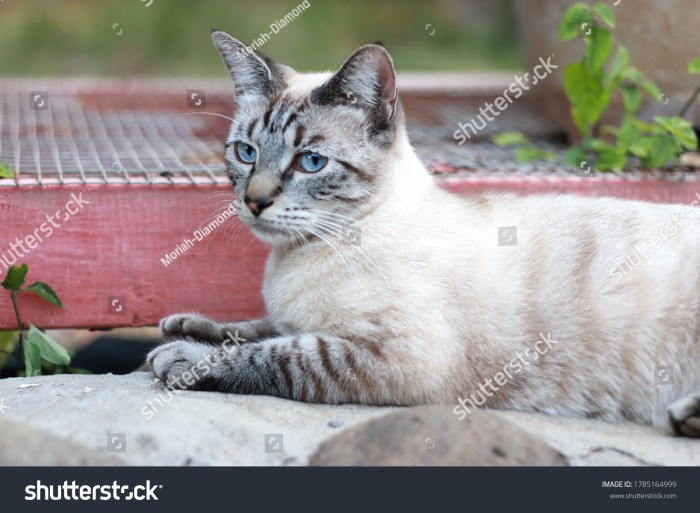
Source: shutterstock.com
The Siamese Point Lynx is a captivating breed, a striking blend of the classic Siamese elegance and the wild, spotted beauty of a Tabby. It’s a relatively newer breed, but its unique appearance and personality have quickly garnered a devoted following. This guide will delve into everything you need to know about these gorgeous cats, from their history and care to their quirks and potential health concerns.
Let’s explore the world of the Siamese Point Lynx!
Origins and History of the Siamese Point Lynx
The Siamese Point Lynx’s story is one of deliberate breeding and a desire to create a Siamese with a distinctive, wilder look. It all began in the 1960s with a breeder named Marguerite Dubois in France. Dubois was experimenting with crossing Siamese cats with various Tabby breeds, primarily the American Shorthair, to introduce the Tabby pattern onto the Siamese point.
The goal wasn’t just about aesthetics; Dubois believed that introducing genetic diversity could improve the overall health and resilience of the Siamese breed.Early breeding efforts were challenging, and the resulting kittens often displayed inconsistent patterns. It took several generations of careful selection to consistently produce cats with the desired Lynx markings – the distinct, broken tabby pattern on the points.
The breed was initially known as the “Lynx Point Siamese.”Recognition by major cat registries has been a gradual process. The breed gained preliminary recognition from the United Kingdom’s Governing Council of the Cat Fancy (GCCF) in the 1990s. The Cat Fanciers’ Association (CFA) and The International Cat Association (TICA) have not yet granted full championship status, but they do allow the breed to be shown in non-championship classes, which is a positive step towards wider acceptance.Selective breeding has been absolutely crucial in establishing the distinct Point Lynx pattern.
Breeders meticulously select cats with strong Lynx markings and desirable Siamese traits, gradually refining the breed’s appearance and temperament. It’s a testament to the dedication of breeders who have worked tirelessly to create this unique feline. Timeline of Significant Milestones:
- 1960s: Marguerite Dubois begins breeding Siamese with Tabby cats in France.
- 1970s-1980s: Early generations of Lynx Point Siamese are produced, with inconsistent markings.
- 1990s: Preliminary recognition from GCCF.
- 2000s-Present: Continued refinement of the breed through selective breeding; recognition in non-championship classes by CFA and TICA.
Physical Characteristics & Appearance
Siamese Point Lynx cats are medium-sized, typically weighing between 8 and 12 pounds. They possess the classic elegant, slender body structure of the Siamese, with long legs and a wedge-shaped head. Their tails are long and tapering.Coat color variations are a key feature. You’ll find them in the traditional Siamese colors, but with the Lynx pattern overlay. Common colors include:
- Seal Point: Dark brown points with a cream-colored body.
- Blue Point: Slate gray points with a silver-gray body.
- Chocolate Point: Milk chocolate brown points with a fawn-colored body.
- Lilac Point: Pale gray-pink points with a frosty white body.
- Red Point (Flame Point): Orange-red points with a cream-colored body.
- Cream Point: Pale cream points with a light cream body.
- Tortie Point: A mix of red and cream markings on the points, creating a tortoiseshell pattern.
Eye color is typically a brilliant blue, considered the standard for the breed. The intensity of the blue can vary, but a deep, clear blue is highly prized.The difference between a Lynx Point and a Traditional Point Siamese lies primarily in the coat markings. Lynx Points have the distinct broken tabby pattern (the “Lynx” markings) on their points, while Traditional Points have solid-colored points.
[Insert image comparing Lynx Point and Traditional Point markings here].
| Feature | Lynx Point | Traditional Point | Comparison |
|---|---|---|---|
| Body Type | Slender, elegant, typical Siamese build | Slender, elegant, typical Siamese build | Similar |
| Coat Pattern | Pointed with broken tabby markings (Lynx pattern) | Pointed with solid color on points | Distinct difference – Lynx pattern |
| Eye Color | Brilliant blue | Brilliant blue | Identical |
| Temperament | Vocal, intelligent, affectionate, playful, can be more independent | Vocal, intelligent, affectionate, playful | Slightly more independent tendencies in Lynx Points |
Temperament and Personality Traits
Siamese Point Lynx cats are known for their vibrant personalities. They are incredibly vocal, often “chatting” with their owners and expressing their opinions with a variety of meows and chirps. They are also highly intelligent and easily trained, enjoying interactive games and puzzle toys. Affection is a cornerstone of their personality; they crave attention and love to cuddle with their humans.
Playfulness is also a defining trait – expect lots of energy and a desire to chase toys and explore.Compared to other Siamese variations, the Lynx Point may exhibit a slightly more independent streak. While still affectionate, they might be content to entertain themselves for longer periods.[Share an anecdote about a Siamese Point Lynx cat’s playful behavior, e.g., a cat who loves to “hunt” toys and bring them to its owner as gifts.]Potential behavioral challenges can include excessive vocalization (which can be managed with enrichment and attention) and a tendency to become bored easily (addressed with plenty of toys and interactive play).
5 Common Personality Traits:
- Vocal: They communicate frequently and expressively, using a wide range of meows and vocalizations.
- Intelligent: Quick learners, easily trained, and enjoy mental stimulation.
- Affectionate: Bond strongly with their humans and crave attention and physical contact.
- Playful: Energetic and enjoy interactive games and chasing toys.
- Curious: Always exploring their surroundings and investigating new things.
Health Concerns and Genetic Predispositions
Like all breeds, Siamese Point Lynx cats are predisposed to certain health issues. Common concerns include amyloidosis (a protein deposition disease), hypertrophic cardiomyopathy (HCM – a heart condition), and asthma.The genetic basis of these conditions is complex, but genetic testing can help identify carriers and reduce the risk of passing these diseases on to offspring. Responsible breeders routinely screen their cats for HCM and other genetic predispositions.Preventative care measures are crucial for maintaining a Siamese Point Lynx’s health.
This includes regular veterinary checkups, a high-quality diet, and a clean living environment.Responsible breeding plays a vital role in reducing the prevalence of genetic diseases. By carefully selecting breeding pairs and avoiding inbreeding, breeders can minimize the risk of passing on harmful genes.
| Health Issue | Symptoms | Preventative Measures |
|---|---|---|
| Amyloidosis | Weight loss, increased thirst and urination, vomiting, diarrhea | Regular veterinary checkups, genetic testing (if available) |
| Hypertrophic Cardiomyopathy (HCM) | Difficulty breathing, lethargy, coughing, fainting | Regular veterinary checkups, echocardiograms (heart ultrasound), genetic testing |
| Asthma | Coughing, wheezing, difficulty breathing | Avoidance of allergens, air purification, veterinary treatment |
Grooming and Care Requirements
Siamese Point Lynx cats have short, sleek coats that require minimal grooming. Brushing once or twice a week with a soft brush is usually sufficient to remove loose hair and keep their coat shiny. Bathing is rarely necessary unless they get particularly dirty. Nail trimming should be done every few weeks.Dental care is important to prevent dental disease. Regular tooth brushing with cat-specific toothpaste is recommended.
Ear cleaning should also be performed regularly to remove wax and debris.The ideal living environment for a Siamese Point Lynx is indoors, where they are safe from predators and environmental hazards. They thrive on interaction and enrichment, so providing plenty of toys, scratching posts, and climbing structures is essential. Weekly Grooming Checklist:
- Brush coat (1-2 times)
- Trim nails
- Clean ears
- Brush teeth (ideally daily, but at least a few times a week)
Nutrition and Diet
Selecting the right food for your Siamese Point Lynx is crucial for their health and well-being. Kittens require a diet formulated for growth, with higher levels of protein and calories. Adult cats need a balanced diet to maintain their weight and energy levels. Senior cats may benefit from a diet that supports joint health and kidney function.A balanced diet should include high-quality protein, healthy fats, and essential vitamins and minerals.
Avoid foods with excessive fillers or artificial ingredients.Different types of cat food are available: dry, wet, and raw. Dry food is convenient and helps maintain dental health. Wet food provides hydration and can be more palatable. Raw food diets require careful preparation and handling to ensure they are nutritionally complete and safe.
| Life Stage | Recommended Food Type | Key Nutrients |
|---|---|---|
| Kitten | Kitten food (dry or wet) | High protein, calcium, phosphorus |
| Adult | Adult cat food (dry or wet) | Balanced protein, fat, and carbohydrates |
| Senior | Senior cat food (dry or wet) | Moderate protein, added antioxidants, joint support |
Breeding and Ethical Considerations
Responsible breeding is paramount for ensuring the health and well-being of Siamese Point Lynx cats. Breeders have a duty to prioritize the health and temperament of their cats over profit.Ethical breeding practices include genetic testing for known health conditions, proper socialization of kittens, and providing excellent care for breeding cats. Avoiding inbreeding and promoting genetic diversity are also essential.Finding a reputable breeder involves researching their breeding practices, asking for health records, and visiting their cattery to observe the conditions in which the cats are raised.
7 Ethical Breeding Practices:
- Genetic Testing: Screening breeding cats for known genetic diseases.
- Health Guarantees: Providing health guarantees for kittens.
- Socialization: Exposing kittens to various stimuli and people to ensure they are well-adjusted.
- Proper Nutrition: Feeding breeding cats and kittens a high-quality diet.
- Clean Environment: Maintaining a clean and sanitary cattery.
- Avoiding Inbreeding: Carefully selecting breeding pairs to maximize genetic diversity.
- Transparency: Being open and honest with potential buyers about the breed’s health and temperament.
Siamese Point Lynx in Popular Culture
The Siamese Point Lynx, while not as ubiquitous as the traditional Siamese, has made appearances in various forms of media. [Insert description of a fictional Siamese Point Lynx character from a book or movie, highlighting their personality and role]. Their striking appearance often lends itself to portrayals of intelligent, mysterious, or even mischievous characters.[Insert a blockquote summarizing the breed’s representation in popular culture: “The Siamese Point Lynx, with its wild markings and captivating gaze, often embodies a blend of elegance and untamed spirit in popular culture, frequently depicted as intelligent companions or enigmatic figures.”]
Finding a Siamese Point Lynx: Breeders vs. Rescues
Acquiring a Siamese Point Lynx can be done through a reputable breeder or by adopting from a rescue organization.Breeders offer the advantage of knowing the kitten’s lineage and health history. However, purchasing from a breeder can be more expensive and may involve a waiting list.Rescues offer the opportunity to provide a loving home to a cat in need. However, the kitten’s history may be unknown, and their personality may be less predictable.
| Breeder | Rescue |
|---|---|
| Cost: $1500 – $3000+ | Cost: $50 – $200 (adoption fee) |
| Health Guarantees: Typically offered | Health Guarantees: Rarely offered |
| Personality Assessment: Breeder can provide insights | Personality Assessment: Less predictable |
| Waiting Time: Can be several months | Waiting Time: Varies, can be immediate |
Training and Enrichment
Siamese Point Lynx cats are highly trainable due to their intelligence and desire to please. Positive reinforcement techniques, such as rewarding desired behaviors with treats or praise, are highly effective. Clicker training can also be a useful tool.Providing mental and physical stimulation is essential to prevent boredom and destructive behaviors. 5 Enrichment Activities:
- Puzzle Toys: Challenge their intelligence and problem-solving skills.
- Interactive Games: Engage in games like fetch or laser pointer chasing.
- Climbing Structures: Provide opportunities for climbing and exploring.
- Scratching Posts: Satisfy their natural scratching instincts.
- Window Perches: Allow them to observe the outside world.
Conclusion
From their playful antics and demanding meows to their potential health concerns and specialized grooming needs, the Siamese Point Lynx presents a rewarding, albeit involved, ownership experience. Whether you’re considering welcoming one into your home or simply curious about this remarkable breed, we hope this exploration has provided valuable insights. Ultimately, the Siamese Point Lynx is a testament to the creativity and dedication of breeders who strive to create truly exceptional feline companions.
Their striking appearance, combined with their engaging personalities, makes them a truly special breed. With proper care, attention, and a whole lot of love, a Siamese Point Lynx can bring years of joy and companionship to your life.
Quick FAQs
How long do Siamese Point Lynx cats typically live?
With good care and genetics, Siamese Point Lynx cats generally live between 12 and 15 years, though some can live longer.
Are Siamese Point Lynx cats hypoallergenic?
Unfortunately, no. Like all cats, they produce dander and saliva that can trigger allergies. However, some individuals may experience fewer symptoms than with other breeds.
What is amyloidosis, and is it common in Siamese Point Lynx?
Amyloidosis is a disease where abnormal protein deposits build up in organs. It’s a concern in Siamese breeds, including the Point Lynx, and genetic testing can help identify carriers.
Do Siamese Point Lynx cats need a lot of attention?
Yes! They are very people-oriented and thrive on interaction. Expect lots of vocalizations and a desire to be involved in your activities.
What’s the difference between a Lynx Point and a Traditional Point Siamese?
The key difference is the lynx tips (longer, pencil-like hairs) on the ears and paws of the Lynx Point. Traditional Points have shorter, smoother fur in those areas.
How can I tell if a breeder is reputable?
Look for breeders who health test their cats, provide a clean and stimulating environment, are knowledgeable about the breed, and are willing to answer your questions openly.

