The allure of owning something truly unique is growing, and increasingly, people are looking beyond traditional pets like dogs and cats. Exotic animals, with their striking appearances and perceived independence, are sparking interest, but the reality of caring for them is far more complex than it seems. This exploration dives into the fascinating, and often challenging, world of keeping a bobcat as a pet, weighing the appeal against the legal, ethical, and practical considerations.
We’ll unpack everything from habitat needs to potential health concerns, ultimately asking: is this a responsible choice?
Bobcats, with their distinctive ear tufts and powerful build, are captivating creatures. Native to North America, they’re skilled hunters and fiercely territorial. But bringing this wild animal into a domestic setting presents a unique set of hurdles. Understanding their natural behaviors, legal restrictions, and specialized care requirements is crucial before even considering such a commitment. This guide aims to provide a comprehensive overview, helping you make an informed decision.
The Appeal of Exotic Pets
The world of pet ownership is evolving. More and more people are looking beyond the traditional cat or dog, seeking companions that offer something truly unique. This shift reflects a growing desire for novelty, a fascination with the natural world, and sometimes, a perceived sense of independence or wildness that domestic animals lack. However, the allure of an exotic pet comes with significant responsibilities and complex legal and ethical considerations.
It’s crucial to understand these before even considering bringing a non-traditional animal into your home.
Detail the rising trend of individuals seeking non-traditional companions.
Source: hubstatic.com
The popularity of exotic pets has steadily increased over the past few decades. While precise figures are difficult to obtain due to the unregulated nature of some markets, anecdotal evidence and reports from wildlife organizations suggest a growing demand. Social media platforms often showcase unusual pets, further fueling interest. This trend isn’t limited to a specific demographic; it spans age groups and socioeconomic backgrounds, driven by a desire for something different and a perceived connection to the wild.
Discuss the factors driving this interest (e.g., unique appearance, perceived independence).
Several factors contribute to this rising interest. The most obvious is the unique appearance of many exotic animals. A vibrant macaw, a sleek serval, or even a bobcat’s striking markings can be incredibly appealing. Beyond aesthetics, some individuals are drawn to the perceived independence of these animals. Unlike a highly dependent dog, a bobcat might be seen as a more self-sufficient companion, requiring less constant attention.
This perception, however, often overlooks the significant care and specialized environment these animals require to thrive.
Provide a brief overview of the legal and ethical considerations surrounding exotic pet ownership.
Owning an exotic pet isn’t as simple as acquiring a domestic animal. Legal restrictions vary widely by location, and ethical concerns surrounding the welfare of these animals are paramount. Many species are protected by international treaties or national laws, making their ownership illegal or requiring extensive permits. Furthermore, the ability to provide a suitable environment and meet the complex needs of an exotic animal is a significant ethical consideration.
Removing an animal from its natural habitat and confining it to a domestic setting can have profound consequences for its well-being.
Bobcat Characteristics & Natural Habitat
Elaborate on the physical attributes of bobcats (size, weight, coat variations, ear tufts).
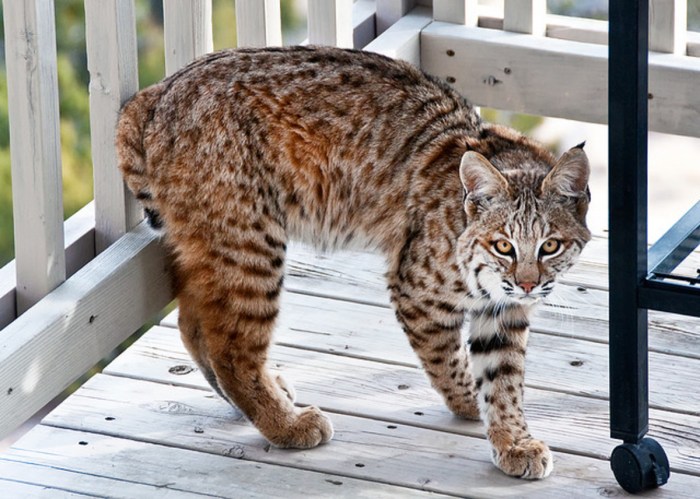
Bobcats (Lynx rufus) are medium-sized wild cats, smaller than their mountain lion cousins. Adults typically weigh between 13 and 30 pounds, with males generally larger than females. Their length ranges from 2 to 4 feet, including a short, bobbed tail (hence the name). Coat color varies considerably depending on geographic location, ranging from reddish-brown and yellowish-brown to grayish-brown and even black.
A distinctive feature is the presence of small, black ear tufts, which are believed to aid in communication and hunting. Their fur is dense and provides excellent insulation against cold weather. They possess powerful legs and sharp claws, perfectly adapted for hunting.
Describe their typical behaviors in the wild (hunting techniques, social interactions, territoriality).
In the wild, bobcats are solitary and crepuscular, meaning they are most active during dawn and dusk. They are skilled hunters, primarily preying on rabbits, rodents, and birds. Their hunting techniques involve stealth and ambush, utilizing their camouflage to blend into their surroundings. Bobcats are highly territorial, marking their boundaries with scent and vocalizations. Social interactions are generally limited to mating season, and even then, interactions are brief.
They communicate through a variety of vocalizations, including growls, hisses, and caterwauls, as well as through scent marking.
Share information about their natural habitat across North America (climate, terrain, prey availability).
Bobcats are remarkably adaptable and can be found in a wide range of habitats across North America, from Canada to Mexico. They thrive in diverse environments including forests, swamps, deserts, and even suburban areas. Climate plays a role, with bobcats generally preferring areas with moderate temperatures and sufficient precipitation to support their prey base. The availability of prey is a crucial factor in determining habitat suitability.
Areas with abundant rabbits, rodents, and other small mammals are ideal.
Create a table with 3 columns: “Region,” “Typical Habitat,” “Prey” to illustrate geographic distribution.
| Region | Typical Habitat | Prey |
|---|---|---|
| Eastern United States | Mixed forests, swamps, farmlands | Rabbits, rodents, birds, deer (occasionally) |
| Western United States | Deserts, grasslands, mountains, forests | Rabbits, rodents, ground squirrels, birds |
| Southwestern United States | Arid scrublands, canyons, mesas | Rabbits, rodents, lizards, snakes |
Legality of Bobcat Ownership – A State-by-State Breakdown
Organize a comprehensive list of states with varying regulations regarding bobcat possession.
The legality of owning a bobcat varies dramatically from state to state. Some states prohibit bobcat ownership entirely, while others require permits or licenses. Regulations are often complex and can change frequently, so it’s essential to verify the current laws in your specific location. The classification of bobcats as wildlife versus domestic animals significantly impacts the regulations.
Detail the permit requirements, if any, for owning a bobcat in specific states.
Permit requirements, when they exist, typically involve demonstrating the ability to provide adequate housing, nutrition, and veterinary care. Applicants may be required to submit detailed enclosure plans, proof of experience with exotic animals, and a commitment to ensuring public safety. Background checks are also common. Some states may require annual inspections of the enclosure and ongoing reporting of the animal’s health and well-being.
Discuss the potential legal ramifications of owning a bobcat illegally.
Owning a bobcat illegally can result in severe penalties, including hefty fines, confiscation of the animal, and even criminal charges. The specific penalties vary depending on the state and the severity of the violation. Furthermore, illegal ownership can contribute to the black market trade in wildlife, further endangering bobcat populations.
Design a table with 4 columns: “State,” “Permit Required? (Yes/No),” “Specific Regulations,” “Potential Penalties.”
| State | Permit Required? (Yes/No) | Specific Regulations | Potential Penalties |
|---|---|---|---|
| California | Yes | Requires a Restricted Species Permit; strict enclosure requirements; annual inspections. | $10,000 fine, 1 year in jail, confiscation of animal. |
| Texas | No (generally) | No permit required unless selling or breeding; must comply with local ordinances. | Varies by local ordinance; potential fines and confiscation. |
| Florida | Yes | Requires a permit from the Florida Fish and Wildlife Conservation Commission; specific enclosure standards. | $500 – $5,000 fine, confiscation of animal. |
| New York | No | Illegal to possess as a pet. | $200 – $500 fine, confiscation of animal. |
*Note: This table provides a general overview and is not exhaustive. Laws are subject to change. Always consult with your state’s wildlife agency for the most up-to-date information.*
Housing Requirements for a Pet Bobcat
Demonstrate the space needed for a bobcat to thrive (indoor and outdoor considerations).
Providing adequate space is paramount for the well-being of a captive bobcat. These are active animals that require ample room to roam, explore, and exercise. While some indoor time is necessary for bonding and interaction, a significant portion of their time should be spent outdoors in a secure enclosure. A minimum enclosure size of 1/4 acre is generally recommended, but larger is always preferable.
Indoor spaces should be large enough to allow for comfortable movement and should include designated areas for sleeping, eating, and enrichment activities.
Detail the ideal enclosure design, including materials, size, and security features.
The ideal enclosure should be constructed from durable materials that can withstand a bobcat’s strength and digging abilities. Chain-link fencing is often used, but it must be heavy-gauge and buried at least 2 feet deep to prevent escape. A top mesh covering is essential to prevent climbing. The enclosure should be designed to provide both shade and sunlight, and should be protected from extreme weather conditions.
Security is of utmost importance; the enclosure must be escape-proof and capable of preventing unauthorized access.
Discuss environmental enrichment strategies to prevent boredom and promote physical activity.
Boredom can lead to behavioral problems and stress in captive bobcats. Environmental enrichment is crucial for stimulating their minds and encouraging physical activity. This can include providing climbing structures, digging areas, puzzle feeders, and novel objects to explore. Rotating enrichment items regularly helps maintain interest.
Create a bulleted list outlining essential enclosure features: climbing structures, digging areas, shaded zones, water source.
- Climbing Structures: Large logs, sturdy platforms, and artificial trees provide opportunities for climbing and surveying their surroundings.
- Digging Areas: Designated areas filled with sand or soil allow bobcats to engage in natural digging behaviors.
- Shaded Zones: Provide ample shade through trees, shrubs, or artificial shelters to protect from the sun.
- Water Source: A large, clean water source for drinking and bathing is essential.
- Secure Fencing: Heavy-gauge chain link, buried deep, with a top mesh covering.
- Varied Terrain: Incorporate different ground textures and elevations to mimic their natural habitat.
Ultimate Conclusion
From navigating a patchwork of state laws to providing a sprawling, enriched enclosure, owning a bobcat is a monumental undertaking. The ethical implications of removing a wild animal from its natural habitat and the potential welfare concerns for the bobcat itself are significant factors to consider. While the idea of a bobcat as a pet might seem appealing, the reality demands a deep understanding of their needs and a commitment to providing a life that, while captive, still allows them to express their natural behaviors.
Ultimately, responsible pet ownership means prioritizing the animal’s well-being, and for bobcats, that often means remaining in the wild.
This exploration has hopefully shed light on the complexities involved. Before even entertaining the thought of a bobcat for a pet, thoroughly research the legalities, financial burdens, and, most importantly, the ethical considerations. There are countless ways to appreciate these magnificent creatures without compromising their freedom and well-being.
FAQ Explained
Can I legally own a bobcat in my state?
It varies wildly! Some states prohibit bobcat ownership entirely, while others require permits and specific enclosures. Research your state’s laws
-before* even considering it.
What kind of enclosure does a bobcat need?
A
-very* large one. Think acres, not square feet. It needs to mimic their natural habitat with climbing structures, digging areas, and plenty of space to roam. Indoor housing is also essential, and must be incredibly secure.
What do bobcats eat?
A raw meat diet is crucial, including bones for calcium. Supplementation is often necessary to ensure they receive all the required nutrients. Don’t expect them to thrive on kibble!
Are bobcats trainable?
Training is extremely challenging. They are not domesticated animals and retain strong wild instincts. Positive reinforcement can be used, but don’t expect the same level of obedience as a dog.
Can I keep a bobcat with my other pets?
Absolutely not. Bobcats are predators and pose a serious risk to other animals, even those they’ve grown up with. Separate housing is essential.
How much does it cost to own a bobcat?
A
-lot*. Acquisition costs can be high, enclosure construction is expensive, and ongoing expenses for food, vet care (which is specialized and costly), and enrichment add up quickly. Expect to spend tens of thousands of dollars.
What vaccinations do bobcats need?
There aren’t standard vaccinations for bobcats like there are for dogs and cats. Preventative medications for parasites are crucial, and a veterinarian experienced with exotic animals will advise on appropriate protocols.
Are bobcats affectionate?
They are not known for being affectionate. While some individuals may tolerate handling, they are primarily solitary and independent animals. Don’t expect cuddles.

