Let’s be honest, who can resist those big, pleading eyes? Wet cat treats have become a beloved way to show our feline friends some extra love, and for good reason! They’re a delightful departure from the usual kibble, offering a burst of flavor and moisture that cats often crave. But beyond the immediate appeal, there’s a whole world to explore when it comes to wet cat treats – from their surprising history to the nutritional benefits they offer and the best ways to incorporate them into your cat’s routine.
This guide will walk you through everything you need to know to make informed choices and keep your kitty purring with happiness.
The evolution of wet cat food is fascinating, moving from early, rudimentary preparations to the diverse range of textures and flavors we see today. Compared to dry kibble treats, wet treats offer a significantly different experience – a softer, more palatable texture that many cats find irresistible. This initial appeal is often the gateway to a deeper appreciation for the added moisture and richer flavors that wet treats provide, making them a winning choice for many feline palates.
Introduction to Wet Cat Treats
Wet cat treats have become increasingly popular among cat owners seeking a delicious and nutritious way to spoil their feline companions. They offer a different experience than dry kibble, appealing to a cat’s natural instincts and providing benefits that dry food simply can’t match. This article will delve into the world of wet cat treats, exploring their history, nutritional value, different types, and how to choose the best options for your cat.Historically, cats in the wild obtained most of their moisture from their prey.
As domesticated cats transitioned to dry kibble, they often didn’t receive adequate hydration, potentially leading to urinary health issues. The introduction of wet cat food in the mid-20th century addressed this need, providing a more natural and palatable option. Over time, wet food evolved from a complete meal replacement to a tempting treat, capitalizing on cats’ inherent preference for moist, meaty textures.Wet cat treats differ significantly from dry kibble treats in terms of texture and palatability.
The high moisture content of wet treats creates a soft, succulent texture that many cats find irresistible. Dry kibble treats, while crunchy and convenient, can be less appealing to cats who prefer a softer consistency. The aroma of wet treats is also generally stronger, further enhancing their appeal to a cat’s keen sense of smell. Essentially, wet treats tap into a cat’s instinctive desire for fresh, moist food, mimicking the texture of their natural prey.The initial appeal of wet cat treats lies in their sensory qualities.
Cats are obligate carnivores with a strong preference for meat-based foods. The smell and taste of wet treats, often featuring real meat, fish, or poultry, are highly enticing. The soft texture is also easier for some cats to eat, particularly those with dental issues or a preference for a smoother consistency.
Nutritional Benefits of Wet Cat Treats
The high moisture content in wet cat treats is arguably their most significant nutritional benefit. Cats have a low thirst drive and often don’t drink enough water, making it crucial to obtain moisture from their food. Adequate hydration is vital for urinary tract health, helping to prevent the formation of crystals and stones. Wet treats contribute significantly to a cat’s daily fluid intake, supporting kidney function and overall well-being.Wet cat treats are often fortified with essential vitamins and minerals.
Commonly found nutrients include Vitamin A (important for vision and immune function), Vitamin D (essential for calcium absorption), Taurine (crucial for heart and eye health – cats cannot synthesize it themselves), and Omega-3 fatty acids (beneficial for skin, coat, and brain health). The specific vitamins and minerals included will vary depending on the brand and ingredients.Protein sources in wet cat treats are typically derived from fish (salmon, tuna, whitefish), poultry (chicken, turkey), or meat (beef, lamb).
The digestibility of these proteins varies. Generally, poultry and fish are considered highly digestible for most cats. However, some cats may have sensitivities to specific protein sources, so it’s important to monitor for any adverse reactions.
| Brand | Protein (%) | Fat (%) | Moisture (%) | Fiber (%) |
|---|---|---|---|---|
| Brand A (Salmon Recipe) | 10.0 | 5.0 | 82.0 | 1.0 |
| Brand B (Chicken & Liver) | 12.0 | 7.0 | 78.0 | 2.0 |
| Brand C (Tuna in Gravy) | 9.0 | 4.0 | 84.0 | 0.5 |
Types of Wet Cat Treats Available
A wide variety of wet cat treat formats cater to different feline preferences. These include purees (smooth, easily digestible), jellies (similar to purees but with a firmer texture), chunks in gravy (offering a more substantial bite and flavorful sauce), flaked (thin, crispy pieces), and shredded (thin strips of meat).The ingredients typically found in each format vary. Purees and jellies often consist primarily of meat or fish, with added vitamins and minerals.
Chunks in gravy contain larger pieces of meat or fish suspended in a savory gravy. Flaked treats often include a combination of meat, fish, and grains (though grain-free options are available). Shredded treats usually feature finely cut meat or poultry.Different formats appeal to various feline preferences. Picky eaters often enjoy purees or jellies due to their smooth texture and concentrated flavor.
Older cats with dental issues may find purees and jellies easier to chew. Cats who enjoy a more substantial texture may prefer chunks in gravy or flaked treats.
Decision-Making Flowchart for Wet Cat Treat Format Selection
- Is your cat a picky eater?
- Yes: Consider Puree or Jelly
- No: Proceed to Step 2
- Is your cat a senior with dental issues?
- Yes: Consider Puree or Jelly
- No: Proceed to Step 3
- Does your cat prefer a crunchy texture?
- Yes: Consider Flaked Treats (ensure they are soft enough)
- No: Proceed to Step 4
- Does your cat enjoy a hearty meal?
- Yes: Consider Chunks in Gravy or Shredded Treats
- No: Select a format based on your cat’s individual preferences.
Ingredient Breakdown & Quality
Understanding ingredient lists is crucial for selecting high-quality wet cat treats. The term “meat” simply refers to an animal source, but “meat meal” indicates that the water has been removed, concentrating the protein. “Animal by-products” can be a source of nutrients, but the quality can vary significantly depending on the source and processing methods. Ideally, treats should list specific meat sources (e.g., “chicken,” “salmon”) rather than vague terms like “meat.”Potentially harmful ingredients to watch out for include artificial colors (provide no nutritional value and can cause allergic reactions), artificial preservatives (like BHA and BHT, which have been linked to health concerns), and fillers (like corn, wheat, and soy, which offer limited nutritional benefit and can trigger allergies in some cats).Deciphering ingredient percentages can be tricky.
Ingredients are listed in descending order by weightbefore* processing. This means the first few ingredients make up the bulk of the treat. A treat listing meat as the first ingredient is generally a better choice than one listing grains or fillers.
| Ingredient | Potential Benefit | Potential Risk | Alternative |
|---|---|---|---|
| Chicken Meal | Concentrated protein source | Quality can vary; source not always specified | Whole chicken or chicken broth |
| Fish Oil | Source of Omega-3 fatty acids for skin and coat health | Can cause fishy breath | Flaxseed oil |
| Pea Fiber | Adds fiber for digestive health | Can cause gas in some cats | Pumpkin or sweet potato |
| Taurine | Essential amino acid for heart and eye health | None (should always be included) | N/A |
| Natural Flavors | Enhances palatability | Source not always specified; can be vague | Specific meat or fish broths |
Considerations for Specific Cat Needs
Wet cat treats formulated for kittens should be rich in protein and essential nutrients to support growth and development. Look for treats with higher levels of taurine and DHA (an omega-3 fatty acid important for brain development).For senior cats, softer textures are often preferred due to potential dental issues. Treats with added glucosamine and chondroitin can help support joint health.
If a senior cat has a decreased appetite, highly palatable treats with strong aromas can encourage eating.Cats with sensitivities or allergies may benefit from grain-free or limited-ingredient diets. These treats typically contain a single protein source and avoid common allergens like corn, wheat, and soy.Cats with kidney disease require a diet that is low in phosphorus and controlled in protein.
Wet cat treats specifically formulated for kidney health will have reduced levels of these nutrients. Always consult with a veterinarian before making significant dietary changes for a cat with kidney disease.
Feeding Guidelines & Portion Control
Appropriate daily treat quantities vary depending on a cat’s weight and activity level. As a general guideline, treats should not exceed 10% of a cat’s daily caloric intake. A typical adult cat requires around 20-30 calories per pound of body weight.It’s crucial to balance treats with a cat’s regular meals. Reduce the amount of regular food offered to compensate for the calories consumed from treats, preventing weight gain.Wet cat treats can be effectively incorporated into training and positive reinforcement.
Use small pieces of treat to reward desired behaviors, such as coming when called or using a scratching post.
A sample daily feeding schedule for an average adult cat (10 lbs) might look like this:
Morning: 1/2 cup dry food + 1-2 teaspoons wet cat treat
Afternoon: Playtime with a few treat rewards
Evening: 1/2 cup dry food + 1-2 teaspoons wet cat treat
Before Bed: Small treat as a final reward.
Popular Brands & Product Reviews
Several well-regarded brands offer high-quality wet cat treats. Fancy Feast is known for its wide variety of flavors and textures. Wellness offers natural and grain-free options. Blue Buffalo emphasizes real meat and wholesome ingredients.Each brand offers a diverse range of flavor profiles. Fancy Feast is known for its classic seafood and poultry flavors.
Wellness often features recipes with unique ingredients like salmon and sweet potato. Blue Buffalo offers a variety of protein-rich options, including chicken, turkey, and fish.Packaging options and sizes vary. Fancy Feast is available in a wide range of can sizes and pouches. Wellness offers both cans and convenient multi-packs. Blue Buffalo primarily uses cans and pouches.Here are 5 popular wet cat treat flavors:
- Fancy Feast Grilled Salmon Feast: Primary ingredients: Salmon, fish broth, and vitamins/minerals. Target demographic: Adult cats who enjoy seafood.
- Wellness Complete Health Chicken & Liver: Primary ingredients: Chicken, liver, chicken broth, and vitamins/minerals. Target demographic: Adult cats seeking a balanced and nutritious treat.
- Blue Buffalo Wilderness Chicken Recipe: Primary ingredients: Chicken, chicken broth, and vitamins/minerals. Target demographic: Active adult cats needing a protein-rich treat.
- Tuna Temptations: Primary ingredients: Tuna, fish oil, and vitamins/minerals. Target demographic: Picky eaters and cats who love tuna.
- Friskies Party Mix: Primary ingredients: Chicken, fish, and poultry by-products. Target demographic: Cats who enjoy a variety of flavors and textures.
Storage & Shelf Life
Proper storage is essential to maintain the freshness and prevent spoilage of wet cat treats. Unopened cans and pouches should be stored in a cool, dry place. Once opened, treats should be transferred to an airtight container and refrigerated promptly.The typical shelf life of unopened wet cat treats is approximately 2-3 years, depending on the brand and packaging. Opened treats should be used within 2-3 days.Signs of spoilage include a foul odor, discoloration, or mold growth.
Discard any treats that exhibit these signs.
Visual Guide to Proper Storage Methods
Imagine a three-panel visual guide. Panel 1 shows a can of wet cat food being stored in a pantry, labeled “Cool, Dry Place – Unopened.” Panel 2 depicts an opened can being transferred to a clear, airtight container with a lid, placed in the refrigerator. The label reads “Airtight Container – Refrigerated.” Panel 3 illustrates a pouch of wet cat food being sealed tightly with a clip after opening, also stored in the refrigerator.
The label reads “Resealable Clip – Refrigerated.” The overall style is clean and simple, using clear illustrations and concise text.
Creative Ways to Use Wet Cat Treats
Wet cat treats can be used for enrichment activities to stimulate a cat’s natural hunting instincts. Puzzle feeders that require cats to work for their treats provide mental stimulation and prevent boredom. Hiding treats around the house encourages exploration and play.Treats can also be incorporated into playtime. Toss treats for your cat to chase, or use them to lure your cat into different positions during interactive play sessions.With caution and veterinary guidance, treats can be used to administer medication.
Mix a small amount of medication with a favorite treat, ensuring your cat consumes the entire portion.Here are 5 DIY enrichment activities using wet cat treats:
- Toilet Paper Roll Puzzle: Fold in the ends of a toilet paper roll, poke holes, and fill with treats.
- Muffin Tin Game: Place treats in some of the muffin tin cups and cover each cup with a tennis ball.
- Box Maze: Create a maze using cardboard boxes and hide treats throughout.
- Treat-Filled Sock: Tie off the end of a clean sock filled with treats.
- Ice Cube Treat Pops: Freeze small pieces of wet cat treat in ice cube trays for a refreshing summer treat.
Cost & Value
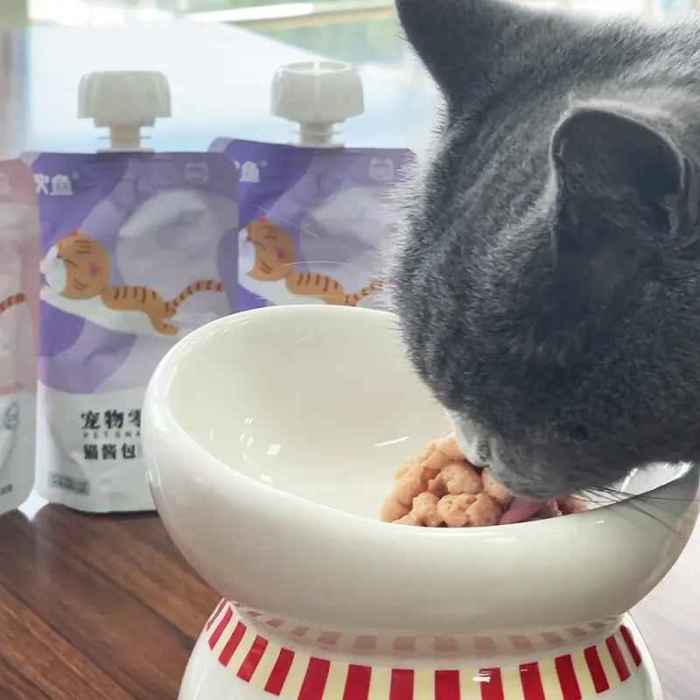
Source: hsvikopethealth.com
The price per ounce of wet cat treats varies significantly depending on the brand and format. Premium brands with high-quality ingredients generally cost more than budget-friendly options.Ingredient quality, brand reputation, and packaging all influence the cost. Treats with real meat, limited ingredients, and sustainable packaging tend to be more expensive.Determining the best value involves considering not only the price per ounce but also the quality of the ingredients and your cat’s individual preferences.
A more expensive treat that your cat enjoys and thrives on may be a better value than a cheaper option that your cat refuses to eat.
| Treat Size | Approximate Cost | Ounces per Unit | Cost per Ounce |
|---|---|---|---|
| Small Can (3 oz) | $0.75 | 3 | $0.25 |
| Large Pouch (5.5 oz) | $2.00 | 5.5 | $0.36 |
| Multipack (12 x 3 oz cans) | $10.00 | 36 | $0.28 |
Ultimate Conclusion
So, there you have it – a comprehensive look at the wonderful world of wet cat treats! From understanding ingredient lists and choosing the right format for your cat’s needs to mastering portion control and creative enrichment ideas, we’ve covered a lot of ground. Ultimately, the goal is to provide your furry companion with delicious, nutritious treats that contribute to their overall health and happiness.
With a little knowledge and careful consideration, you can confidently select wet cat treats that will have your cat begging for more – and you feeling good about the choices you’re making for their well-being.
Quick FAQs
Why are wet cat treats good for urinary health?
Wet treats have a high moisture content, which helps dilute urine and reduce the risk of urinary crystals and blockages – a common concern for cats.
What does “meat meal” mean on an ingredient list?
Meat meal is a concentrated form of dried meat, offering a good source of protein. It’s generally considered a good ingredient, though it’s not quite the same as whole meat.
My cat is a picky eater – which treat format should I choose?
Purees or jellies are often a good starting point for picky eaters, as their smooth texture and strong aroma can be very appealing. Chunks in gravy can also be a hit!
Can I use wet cat treats to hide medication?
Yes, but always consult with your veterinarian first. They can advise on the best way to administer medication and ensure it’s done safely and effectively.
How long do opened wet cat treats last?
Opened wet cat treats should be refrigerated and used within 1-2 days to maintain freshness and prevent spoilage.
What are some signs that wet cat treats have gone bad?
Look for changes in smell (a sour or off odor), texture (mold or sliminess), or color. If you notice any of these, discard the treats.

