Let’s face it, cat grooming can be a bit of a battle sometimes! But a good cat slicker brush can be a game-changer, transforming a stressful experience into a bonding moment (and a seriously shiny coat!). From their surprisingly long history to the latest innovations, these brushes have evolved to become essential tools for cat owners. We’ll dive into everything you need to know about cat slicker brushes – from choosing the right one to mastering the perfect brushing technique – so you can keep your feline friend looking and feeling their best.
Understanding the design and materials behind a cat slicker brush is key to selecting the right one. The classic design features wire bristles set into a handle, but the specifics of those bristles and the handle material can dramatically impact comfort and effectiveness. We’ll explore the different types of cats who benefit most, like those long-haired beauties prone to mats, or even your short-haired friend who sheds like crazy!
Understanding Cat Slicker Brushes: A Comprehensive Guide
Keeping your feline friend looking and feeling their best involves more than just cuddles and playtime. Regular grooming is essential for a cat’s health and well-being, and a good slicker brush is often a cornerstone of that routine. But with so many options available, choosing the right one can feel overwhelming. This guide will break down everything you need to know about cat slicker brushes, from their history and construction to proper grooming techniques and maintenance.
A History of Grooming Tools and the Rise of the Slicker Brush
Grooming cats isn’t a modern invention. Throughout history, humans have recognized the importance of removing loose fur and preventing mats. Early methods were rudimentary, often involving simple combs made from bone or wood. As technology advanced, so did grooming tools. Early metal combs emerged, offering a more effective way to remove tangles.
However, these could be harsh on a cat’s skin. The slicker brush evolved as a gentler alternative, designed to detangle without causing discomfort. Its development was driven by a need for a tool that could effectively manage the long, dense coats of certain breeds while remaining kind to the cat’s skin. The modern slicker brush, with its fine, closely spaced wires, represents a significant improvement in cat grooming technology.
Fundamental Design of a Cat Slicker Brush
At its core, a cat slicker brush is a relatively simple tool, but its design is carefully considered. The key components are the wire bristles, the handle, and the overall construction. The wire bristles are typically made of stainless steel and are the workhorses of the brush, designed to penetrate the coat and lift out loose fur and tangles. The handle provides grip and control, allowing the groomer to maneuver the brush effectively.
The overall construction ensures the bristles are securely anchored and the brush is durable enough to withstand regular use. Different designs prioritize different aspects, such as bristle density, handle ergonomics, and overall weight.
Which Cats Benefit Most from Slicker Brush Use?
While most cats can benefit from occasional brushing with a slicker brush, certain types are particularly well-suited to it. Long-haired breeds like Persians, Maine Coons, and Ragdolls are prime candidates, as their dense coats are prone to matting. Shedding breeds, such as Siberian cats and Norwegian Forest Cats, also benefit greatly, as the slicker brush effectively removes loose fur, reducing shedding around the house.
Even short-haired cats can benefit from a slicker brush to remove loose undercoat and keep their coats healthy and shiny. However, it’s crucial to use the brush gently and avoid over-brushing, especially on cats with sensitive skin.
Materials and Construction of Slicker Brushes
The quality and performance of a slicker brush are heavily influenced by the materials used in its construction. From the bristles to the handle, each component plays a role in the brush’s durability, comfort, and overall effectiveness. Let’s explore the common materials and their respective pros and cons.
Common Materials in Slicker Brush Manufacturing
Slicker brushes are typically constructed using a combination of materials. Stainless steel is the most common material for the bristles, prized for its durability and resistance to rust. Plastics are frequently used for the brush head and handle, offering a lightweight and cost-effective option. Wood handles provide a classic aesthetic and a comfortable grip, while rubber offers enhanced grip and cushioning.
Occasionally, you’ll find brushes with rubberized coatings on the handle for added comfort and control.
Advantages and Disadvantages of Each Material
Stainless steel bristles are incredibly durable and effective at removing loose fur, but can be harsh if used incorrectly. Plastic components are affordable and lightweight, but may not be as durable as metal or wood. Wood handles are aesthetically pleasing and comfortable, but can be susceptible to moisture damage. Rubber handles offer excellent grip and cushioning, but can be more difficult to clean and may degrade over time.
Comparing Handle Materials
Choosing the right handle material is crucial for comfortable and efficient grooming. Here’s a comparison of common handle materials:
| Material | Grip | Cleaning |
|---|---|---|
| Wood | Moderate – can be slippery when wet | Requires careful cleaning to prevent moisture damage; not dishwasher safe |
| Rubberized Plastic | Excellent – provides a secure and comfortable grip | Easy to clean; often dishwasher safe |
| Metal | Good – can be slippery when dry, but provides a solid feel | Easy to clean; often dishwasher safe |
Bristle Types and Configurations
The bristle configuration of a slicker brush is a key factor in its effectiveness and suitability for different coat types. The arrangement, density, and spacing of the bristles all contribute to how the brush interacts with a cat’s fur. Understanding these nuances can help you choose the right brush for your feline friend.
Various Bristle Configurations
Slicker brushes come with a variety of bristle configurations, including straight, angled, curved, and varying lengths. Straight bristles are common and provide a general-purpose brushing experience. Angled bristles are designed to reach under the fur and tackle tangles in hard-to-reach areas. Curved bristles offer a gentler brushing experience, making them suitable for cats with sensitive skin. Varying bristle lengths allow the brush to penetrate different layers of the coat.
Impact of Bristle Density and Spacing
Bristle density and spacing significantly impact the brush’s effectiveness. Denser bristles are better suited for short, dense coats, as they can effectively lift out loose fur. Wider-spaced bristles are ideal for long, thick coats, as they prevent the brush from getting clogged and allow for better airflow. The right balance of density and spacing ensures the brush is both effective and comfortable for the cat.
Fine-Toothed vs. Wider-Spaced Bristles
Fine-toothed bristles are best for short, dense coats, providing a thorough removal of loose fur. Wider-spaced bristles are more suitable for long, thick coats, preventing tangling and allowing for better ventilation. Choosing the appropriate bristle spacing is essential for a comfortable and effective grooming experience.
Bristle Types and Ideal Coat Types
- Fine-toothed: Best for short, dense coats like those of British Shorthairs or Abyssinians.
- Angled: Effective for reaching under the fur and tackling tangles in areas like the armpits and belly, suitable for most coat types.
- Curved: Gentle on sensitive skin and ideal for cats who are easily irritated, particularly beneficial for Persians or Himalayans.
Handle Design and Ergonomics
A comfortable and well-designed handle is just as important as the bristles when it comes to effective cat grooming. A poorly designed handle can lead to hand fatigue and discomfort, making the grooming process unpleasant for both you and your cat.
Importance of Handle Design
The handle’s design directly impacts the groomer’s ability to control the brush and apply the right amount of pressure. A comfortable handle reduces hand fatigue, allowing for longer and more thorough grooming sessions. Ergonomics play a crucial role in ensuring the brush feels natural and easy to hold.
Different Handle Shapes and Sizes
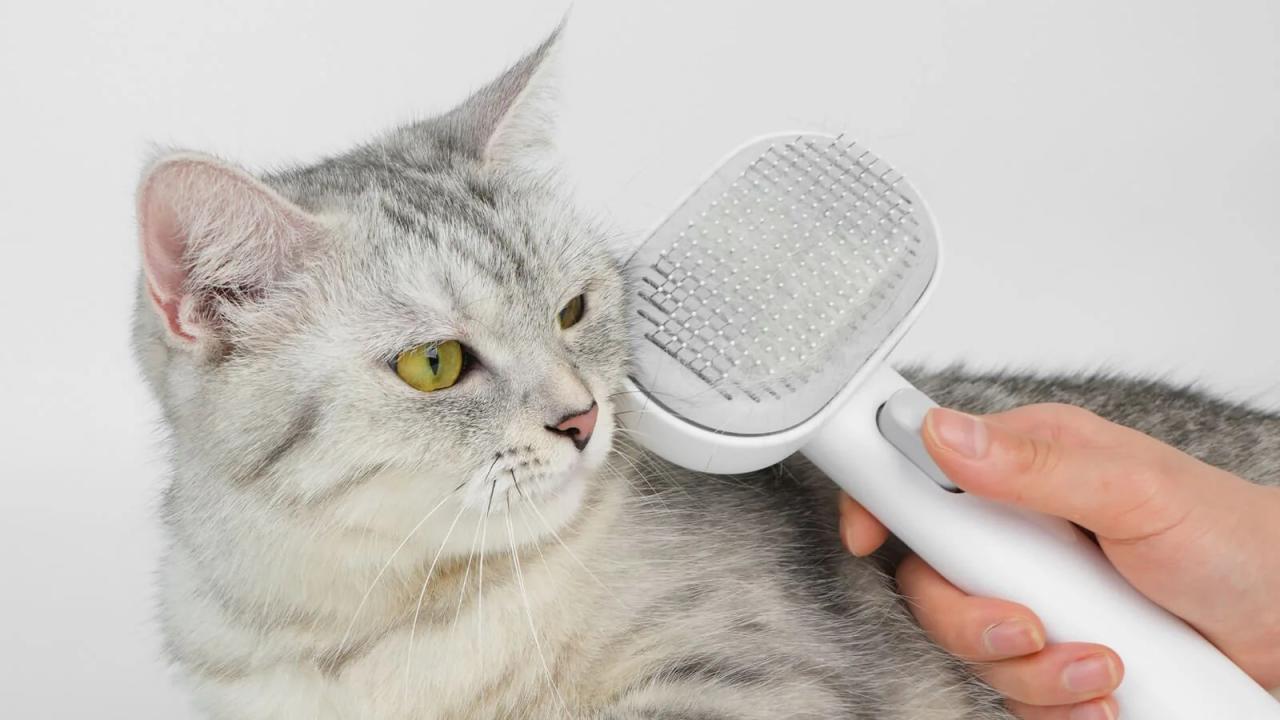
Source: aumuca.com
Handles come in various shapes and sizes, including straight, curved, and ergonomic contours. Straight handles offer a classic design and are suitable for most users. Curved handles provide better leverage and control, particularly when reaching difficult areas. Ergonomic handles are designed to fit the natural curve of the hand, providing maximum comfort and reducing strain.
Handle Features that Enhance Grip and Control
Several features can enhance grip and control, such as rubber grips, textured surfaces, and contoured shapes. Rubber grips provide a secure and comfortable hold, even when wet. Textured surfaces offer additional traction, preventing the brush from slipping. Contoured shapes conform to the hand, providing a more natural and ergonomic feel.
Comparing Handle Shapes
| Shape | Comfort | Control |
|---|---|---|
| Straight | Moderate – can be less comfortable for extended use | Good – provides a solid and predictable feel |
| Curved | Good – offers better leverage and reach | Excellent – allows for precise maneuvering |
| Ergonomic | Excellent – designed to fit the natural curve of the hand | Very Good – provides a comfortable and secure grip |
Ultimate Conclusion
So, there you have it – a comprehensive look at cat slicker brushes! Whether you’re dealing with a fluffy Persian or a sleek Siamese, a good slicker brush, used correctly, can be a powerful tool for maintaining a healthy, happy coat. Remember to pay attention to your cat’s comfort, choose the right brush for their coat type, and make grooming a positive experience for both of you.
A little effort goes a long way in keeping your kitty looking fabulous!
Expert Answers
How often should I brush my cat with a slicker brush?
It depends on their coat length and shedding habits! Long-haired cats might need daily brushing, while short-haired cats can often get away with 2-3 times a week.
My cat hates being brushed – what can I do?
Start slowly! Just a few minutes at a time, paired with treats and praise. Try different brushes to see if one is more comfortable for your cat. Gentle is key!
Can I use a slicker brush on a kitten?
Yes, but use a kitten-specific brush with softer bristles and a smaller head to avoid irritating their delicate skin.
How do I clean a slicker brush?
Regularly remove hair with your fingers or a comb. For a deeper clean, you can rinse it with warm water and mild soap, making sure it’s completely dry before storing.
What’s the difference between a slicker brush and a de-shedding tool?
Slicker brushes are great for general grooming and removing loose hair, while de-shedding tools are specifically designed to pull out large amounts of undercoat. They often work well together!
My cat has sensitive skin – what kind of slicker brush should I choose?
Look for brushes with rounded, flexible bristles and an ergonomic handle for a comfortable grip. Avoid brushes with sharp or stiff bristles.

