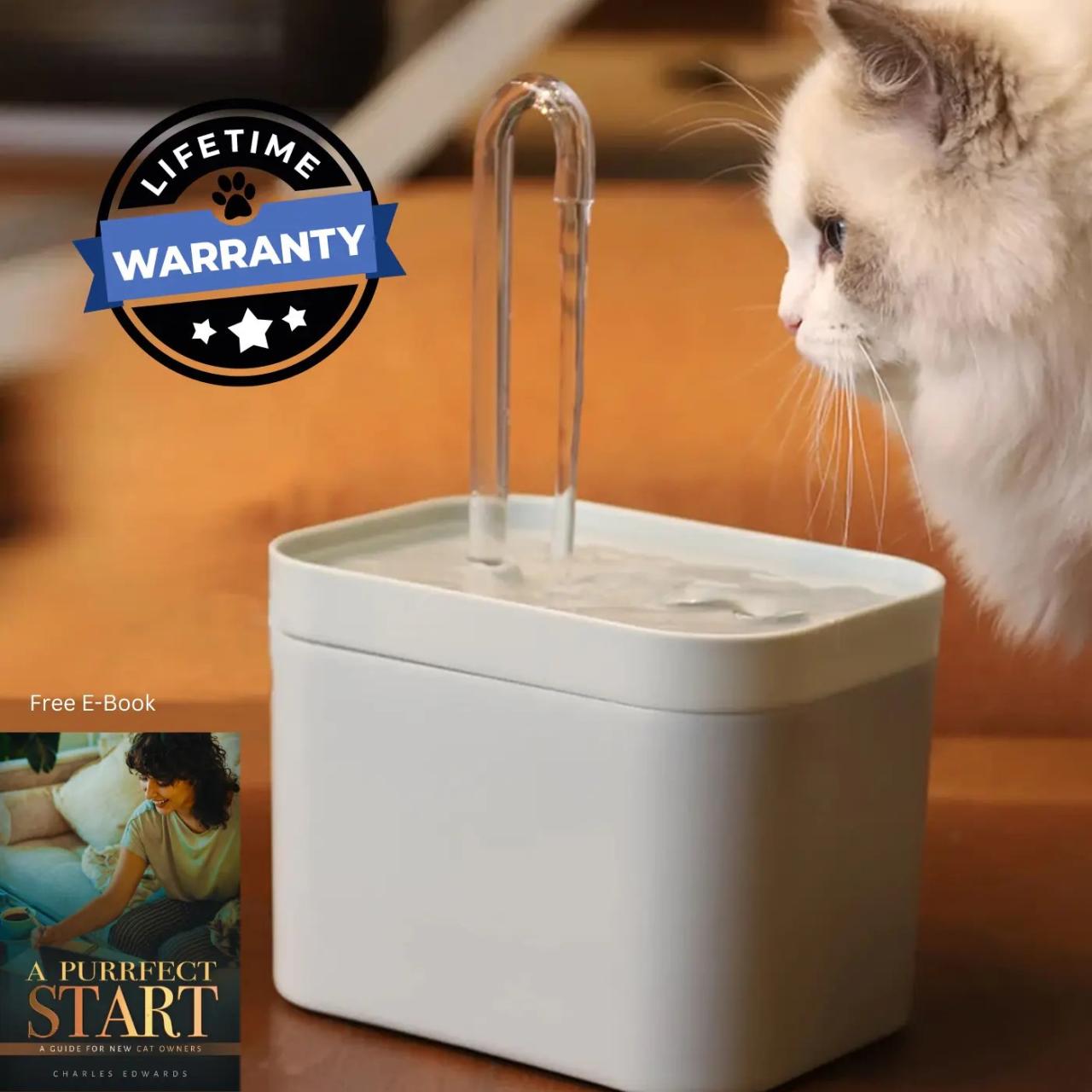
Vet Recommended Cat Water Fountain Keeping Your Kitty Hydrated

Keeping our feline friends happy and healthy means ensuring they get enough water, and that can be surprisingly tricky! Many cats don’t drink enough, leading to potential kidney and urinary tract issues. Traditional water bowls often sit stagnant and unappealing, but a vet recommended cat water fountain can be a game-changer, encouraging them to sip more throughout the day. Healthy adult cats typically need around 5-10 ounces of water daily, and a fountain can make reaching that goal much easier and more enjoyable for your furry companion.
Imagine Whiskers, a notoriously picky eater and drinker. He’d turn his nose up at a regular water bowl, but the gentle flow and fresh, filtered water of a fountain completely changed his habits. He now drinks consistently, and his vet has noticed a significant improvement in his overall health – a testament to the power of proper hydration!

The Ultimate Guide to Vet-Recommended Cat Water Fountains
We all want the best for our feline companions, and that includes ensuring they stay properly hydrated. Many cat owners are surprised to learn that cats often don’t drink enough water, which can lead to serious health problems down the line. This guide dives deep into the world of cat water fountains, exploring why hydration is so crucial for cats, what makes a fountain “vet recommended,” and which models consistently receive top marks from veterinary professionals.
We’ll cover everything from material safety to noise levels, helping you choose the perfect fountain to keep your kitty happy and healthy.
1. Introduction
The Importance of Hydration for Cats
Adequate water intake is absolutely vital for a cat’s overall health. Cats are naturally predisposed to dehydration due to their evolutionary history as desert dwellers. Their kidneys, in particular, rely on sufficient water to function properly, filtering waste and regulating electrolyte balance. Insufficient hydration can significantly increase the risk of developing kidney disease, a common and often debilitating condition in older cats.
Urinary tract problems, such as crystals and urinary blockages, are also directly linked to low water intake. These issues can be incredibly painful and even life-threatening.
Traditional water bowls, while seemingly straightforward, often fail to entice cats to drink enough. The water can quickly become stale, attracting dust and insects, which many cats find unappealing. Furthermore, the bowl’s location might not be ideal – cats are often wary of drinking near their food, and a static bowl doesn’t offer the allure of fresh, flowing water.
On average, a healthy adult cat should consume around 5-10 ounces (150-300 ml) of water per day. This can vary depending on factors like diet (wet food contributes significantly to hydration), activity level, and environmental temperature. A good rule of thumb is to monitor your cat’s weight and adjust water intake accordingly.
Consider Whiskers, a typically picky Persian cat. He’d turn his nose up at a bowl of still water, often going days with minimal intake. His owner, concerned about his kidney health, decided to try a circulating water fountain. Within days, Whiskers was lapping up water constantly, seemingly fascinated by the flowing stream. His vet noticed a significant improvement in his kidney function during his next check-up, a direct result of his increased hydration.
2. What Makes a Water Fountain “Vet Recommended”?
Source: anodicproducts.com
Veterinarians prioritize several key factors when recommending a water fountain. It’s not just about whether a cat
-can* drink from it, but about the fountain’s safety, durability, and ability to consistently provide clean, appealing water. The material used is paramount, followed by ease of cleaning, the effectiveness of the filtration system, and, surprisingly, the noise level. A fountain that’s difficult to clean or produces excessive noise is unlikely to be a long-term solution for a cat’s hydration needs.
Let’s break down the common materials: Stainless steel is generally considered the gold standard. It’s non-porous, meaning it doesn’t harbor bacteria, and it’s incredibly durable. Ceramic fountains can be aesthetically pleasing, but they are porous and can be prone to bacterial growth if not meticulously cleaned. Lead in ceramic glazes is also a potential concern (more on that later).
Plastic fountains are often the most affordable, but the quality varies greatly. Look for fountains made with BPA-free, food-grade plastics to minimize potential health risks.
Filtration systems are equally important. Activated carbon filters are the most common, effectively removing chlorine, odors, and improving the taste of the water. Foam filters help trap larger debris and sediment. Ceramic filters offer a more natural filtration process, utilizing beneficial bacteria to break down impurities, but they require more maintenance.
| Model | Material | Filtration Type |
|---|---|---|
| PetSafe Drinkwell Platinum | Stainless Steel | Activated Carbon & Foam |
| Cat Mate C300 | Plastic (BPA-Free) | Foam & Ceramic |
| H2Oasis Stainless Steel Fountain | Stainless Steel | Activated Carbon & Sponge |
3. Top Fountain Models Frequently Cited by Veterinarians
Based on feedback from veterinary professionals and positive reviews from cat owners, here are five fountain models that consistently receive high praise:
- PetSafe Drinkwell Platinum: Large capacity (1.5 gallons), electric pump, quiet operation, activated carbon and foam filtration. Vets appreciate its durability and ease of cleaning.
- Cat Mate C300: Moderate capacity (68 ounces), electric pump, ceramic filter, multiple drinking levels. Recommended for cats who prefer shallow water.
- H2Oasis Stainless Steel Fountain: Generous capacity (80 ounces), electric pump, activated carbon and sponge filtration, free-falling stream. Known for its quiet operation and stainless steel construction.
- Pioneer Pet Raindrop Fountain: Moderate capacity (64 ounces), battery-powered option, multiple tiers, replaceable filter cartridge. A good choice for households with limited access to outlets.
- A2O Cat Water Fountain: Large capacity (2.5 liters), stainless steel, triple filtration system (foam, activated carbon, and a mineral crystal), quiet operation. Highly regarded for its comprehensive filtration and large capacity.
The PetSafe Drinkwell Platinum stands out for its ease of disassembly and cleaning. Simply unplug the fountain, remove the upper reservoir, and rinse both the reservoir and the bowl with warm, soapy water. The filter cartridge should be replaced every 2-3 months. A quick scrub with a soft brush ensures all debris is removed. Allow all components to dry completely before reassembling.
4. Filtration Systems
A Deeper Dive
A typical fountain filtration system comprises three key components: a pre-filter, an activated carbon filter, and a sponge filter. The pre-filter, often a foam layer, catches larger debris like hair and sediment. The activated carbon filter is the workhorse, absorbing chlorine, odors, and volatile organic compounds (VOCs) that can affect the water’s taste and quality.
Finally, the sponge filter provides additional filtration and helps to distribute the water evenly.
Activated carbon’s effectiveness stems from its porous structure, which provides a vast surface area for impurities to adhere to. This process, known as adsorption, removes unwanted chemicals and improves the water’s taste, making it more appealing to cats.
Regular filter replacement is crucial for maintaining water quality. Activated carbon filters typically need to be replaced every 2-3 months, while foam and sponge filters should be cleaned weekly and replaced every 1-2 months. Ignoring these schedules can lead to bacterial buildup and compromise the fountain’s effectiveness.
[Flowchart illustrating the water filtration process: Water enters -> Pre-filter (removes large debris) -> Activated Carbon Filter (removes chlorine, odors, VOCs) -> Sponge Filter (further filtration & water distribution) -> Clean Water]
5. Material Safety and Concerns
The materials used in a cat water fountain can pose potential health risks if not carefully considered. BPA, a chemical found in some plastics, has been linked to hormonal disruption. Lead in ceramic glazes is another concern, although it’s less common in modern manufacturing. The risk is higher with older or imported ceramic fountains.
Stainless steel is generally considered the safest material due to its non-porous nature and resistance to bacterial growth. It doesn’t leach chemicals into the water and is easy to clean and disinfect.
If plastic is the only option, always choose fountains made with food-grade plastics that are clearly labeled as BPA-free. Look for certifications like FDA (Food and Drug Administration) and NSF (National Sanitation Foundation), which indicate that the material has been tested and meets safety standards.
6. Noise Levels and Cat Sensitivity
Some cats are surprisingly sensitive to the sounds of water fountains. The constant bubbling or trickling can be unsettling for cats who prefer quiet environments. This sensitivity can lead to avoidance of the fountain, defeating its purpose.
Several factors contribute to fountain noise: the pump type (some pumps are inherently louder than others), the water flow rate (higher flow rates generally produce more noise), and the fountain design (certain designs amplify the sound of the water).
Minimizing fountain noise is possible. Placing the fountain on a soft surface, such as a rubber mat or towel, can dampen vibrations. Choosing a fountain with a quiet pump is also essential. Some fountains offer adjustable water flow rates, allowing you to reduce the flow and minimize noise.
[Noise Level Scale: 1 – Virtually Silent, 2 – Very Quiet, 3 – Moderate, 4 – Noticeable, 5 – Quite Loud]
7. Cleaning and Maintenance Procedures
Thorough cleaning is essential for preventing bacterial growth and ensuring the fountain provides safe, clean water. A complete cleaning should be performed weekly. This involves disassembling the fountain, washing all components with warm, soapy water, and rinsing thoroughly. Disinfecting the fountain monthly is also recommended.
Disinfecting can be done with a diluted bleach solution (1 part bleach to 32 parts water), followed by a thorough rinsing to remove all traces of bleach. Alternatively, you can use a pet-safe disinfectant specifically designed for water bowls and fountains.
Safe cleaning solutions include mild dish soap, white vinegar, and pet-safe disinfectants. Avoid harsh chemicals like bleach (unless diluted properly) and abrasive cleaners, which can damage the fountain’s materials.
| Component | Cleaning Schedule |
|---|---|
| Bowl | Weekly |
| Filter (Foam/Sponge) | Weekly (clean), 1-2 months (replace) |
| Filter (Activated Carbon) | 2-3 months (replace) |
| Pump | Monthly |
8. Addressing Common Cat Behaviors Around Fountains
It’s not uncommon for cats to initially avoid a new water fountain. This is often due to unfamiliarity with the sound or the fountain’s appearance. They might associate it with something new and potentially threatening.
Encouraging a cat to drink from a fountain involves patience and positive reinforcement. Place the fountain in a visible location where your cat spends time. Use enticing water, such as filtered water or water with a small amount of tuna juice (use sparingly). You can also try placing the fountain near their food bowl initially.
Troubleshooting issues like splashing or knocking the fountain over often involves adjusting the fountain’s placement or choosing a model with a wider, more stable base. For multi-cat households, ensure there are enough fountains to prevent competition and ensure each cat has access to fresh water.
9. Advanced Features and Considerations
Some water fountains offer advanced features like timers (to control when the fountain operates), adjustable water flow (to cater to different cat preferences), and UV sterilization (to kill bacteria in the water). Timers can be useful for conserving energy and preventing the fountain from running constantly. Adjustable water flow allows you to customize the stream to your cat’s liking. UV sterilization provides an extra layer of protection against bacteria, but it can also affect the taste of the water.
Choosing a fountain with features that align with a cat’s individual needs and preferences is key. Consider your cat’s age, health, and drinking habits. Older cats may benefit from a fountain with a lower water flow, while cats prone to urinary issues may benefit from UV sterilization.
[Decision Tree: Cat Age (Kitten/Adult/Senior) -> Health Concerns (Urinary Issues/Kidney Issues/None) -> Drinking Habits (Low/Moderate/High) -> Recommended Fountain Features (Timer/Adjustable Flow/UV Sterilization)]
10. Illustrative Examples
Cat Hydration Success Stories
Mittens, the Anxious Indoor Cat: Mittens, a shy indoor cat, was a notoriously poor drinker. Her owner tried everything – multiple bowls, different water locations – but Mittens rarely drank more than a few ounces a day. After introducing the H2Oasis Stainless Steel Fountain, Mittens’ behavior changed dramatically. She became fascinated by the flowing water and started drinking consistently throughout the day.
Her vet confirmed a significant improvement in her overall health and reduced anxiety levels.
Jasper, the Senior Cat with Kidney Issues: Jasper, a 14-year-old cat with a history of kidney problems, was struggling to stay hydrated. His owner opted for the PetSafe Drinkwell Platinum, drawn to its large capacity and ease of cleaning. Jasper quickly embraced the fountain, drinking significantly more water than he ever had before. His vet reported a stabilization of his kidney function and a noticeable improvement in his energy levels.
Luna, the Picky Siamese: Luna, a discerning Siamese cat, was known for her finicky palate. She rejected tap water and even filtered water from a bowl. Her owner decided to try the Cat Mate C300 with its ceramic filter, hoping the improved taste would entice her. Luna was immediately drawn to the fountain, lapping up the water with enthusiasm. Her owner noticed a healthier coat and increased energy levels, a testament to the power of proper hydration.
Closure
From material safety and filtration effectiveness to noise levels and ease of cleaning, choosing the right vet recommended cat water fountain involves careful consideration. We’ve explored the key features, popular models, and maintenance tips to help you find the perfect fountain for your cat’s individual needs. Ultimately, investing in a fountain is an investment in your cat’s long-term health and happiness, ensuring they stay hydrated and thriving for years to come.
Don’t underestimate the impact of fresh, flowing water on your cat’s well-being. With the right fountain, you can provide a constant source of hydration and peace of mind, knowing you’re supporting their overall health and vitality.
FAQ
How often should I replace the filter?
Most filters need replacing every 2-4 weeks, depending on usage and the fountain model. Check your fountain’s instructions for specific recommendations.
Can I use tap water in a cat fountain?
Yes, but it’s best to let tap water sit for 24 hours to allow chlorine to evaporate. Filtered water is always preferable for optimal taste and purity.
My cat is scared of the fountain – what can I do?
Start by placing the fountain near their existing water bowl and gradually move it further away. Use enticing water like tuna juice (in moderation!) to encourage them to investigate.
Are all plastic fountains safe for cats?
Not necessarily. Look for fountains made with BPA-free, food-grade plastics or opt for stainless steel for the safest option.
How can I tell if my fountain is too noisy?
Observe your cat’s behavior. If they seem stressed or avoid the fountain, it might be too loud. Try placing it on a soft surface or choosing a model with a quieter pump.
Can I use vinegar to clean the fountain?
Yes, diluted white vinegar is a safe and effective disinfectant. Rinse thoroughly after cleaning.
What if my cat starts splashing water everywhere?
Adjust the water flow rate if possible. You can also try placing a mat underneath the fountain to contain the splashes.