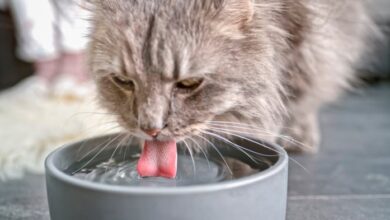
Can I Give My Cat Pedialyte Vet Approved Tips To Keep Your Cat Safe

can i give my cat pedialyte is the exact question I screamed into my phone at 1:47AM last year, when my newly adopted tabby Mochi woke me up hunched over the rug, sick from a bad batch of wet food. I’d spent 45 minutes scrolling through conflicting TikTok takes and chaotic Facebook pet group comments, half of which said Pedialyte was a lifesaver and the other half warned it would poison my cat. I felt like I was going to throw up too, scrambling to make the right call for the tiny creature that’d only been my responsibility for six months.
If you’ve ever found yourself in that same panicky spot, scrolling for clear, no-nonsense advice instead of generic “call your vet” cop-outs, you’re in the right place. This guide cuts through all the noise with vet-backed facts that tell you exactly when Pedialyte is safe, how to use it right, and when you need to drop everything and head to the emergency vet, no guesswork involved. We’ll cover a quick at-home test to confirm dehydration, a homemade backup if you don’t have Pedialyte in your pantry, and non-negotiable red flags that mean at-home care isn’t enough.




Last July, I spent a terrifying 2am hunched over my bathroom tile, watching my 3-year-old tabby Mochi heave up a third round of stomach bile. She’d snuck a dead lizard off my fire escape earlier that day, and whatever was in that lizard had torn her stomach to shreds. The emergency vet was two hours away, and I was deep in the throes of late-night Google panic, scrolling through Reddit threads screaming that “Pedialyte will kill your cat!” while others swore it was the only thing that saved their sick kitten. I had no clue what to believe.
If you’ve ever cared for a cat that won’t drink, you know that dehydration can turn a small issue into a life-threatening one fast. Pedialyte is the go-to for sick human kids, but can you use it to get your cat’s fluid levels back up? Let’s break this down, no weird internet scare tactics required.
First, When Would You Even Need Pedialyte For Your Cat?
Cats hide illness really well. By the time you notice they’re not drinking, they’re probably already slightly dehydrated. I’ve had three cats in my adult life, and I’ve faced this problem more times than I can count. The most common scenarios that spark a dehydration scare:
- Stomach bugs or bad food choices (looking at you, Mochi and your lizard snacks) that cause repeated vomiting or diarrhea
- Overheating in the summer, especially if your AC breaks and you live in a warm climate
- Stress that makes them refuse food and water—new roommates, a trip to the boarder, even a new brand of litter can throw some cats off that hard
- Chronic illnesses like kidney disease that cause steady fluid loss, a common issue for older cats
Your first move is always to get them to a vet. But if you’re stuck waiting for a clinic to open, or you need a quick fix to stabilize them on the drive, Pedialyte can work. But only if you use it right.
Is Pedialyte Actually Safe For Cats?
The short answer? Yes, but only the right kind, and only in small doses. A lot of the bad press Pedialyte gets online comes from people misusing it, not from the product itself being toxic.
Plain, unflavored Pedialyte is the only safe option. Full stop.
That blue raspberry or grape stuff you buy for your niece’s soccer games? It’s loaded with added sugar, artificial sweeteners, and food dyes that are terrible for your cat’s kidneys and digestive system. Even the “natural” vanilla flavored Pedialyte has additives that can upset their stomach more. The only thing you want to pick up is the basic, clear, unflavored bottle from the pharmacy. Generic store brand versions work just as well, as long as the ingredient list is short and has no hidden sweeteners.
And don’t even think about reaching for Gatorade or Powerade. Those have 3x the sugar and salt of plain Pedialyte, and they’ll do way more harm than good. I made that mistake with my first cat, and the vet chewed me out so bad I still remember it.
Pedialyte is a band-aid, not a cure.
I called the on-call vet the night Mochi got sick, and the first thing they told me was that Pedialyte was fine to use that night, but I still had to bring her in first thing the next morning. It’s not a replacement for medical care. If your cat hasn’t had any fluids in 24 hours, is lethargic, or has sunken eyes? That’s an emergency. Pedialyte can keep their levels stable long enough to get them professional help, but it can’t fix the underlying infection, blockage, or illness that’s making them sick in the first place.
How To Give Your Cat Pedialyte The Right Way
Once you’ve got the right bottle, you can’t just fill their water bowl and call it a day. Cats are weird about new tastes, and too much Pedialyte too fast can make them throw up even more. I learned this the hard way with Mochie. Here’s the exact routine the vet gave me that works:
- Stick to tiny doses. For an average 10lb cat, that’s 2-3 teaspoons an hour, max. You’d think more fluid would fix dehydration faster, but chugging anything will irritate a raw stomach and lead to more fluid loss.
- Use a needleless syringe if they won’t lap it up. Mochi sniffed the Pedialyte I poured in her bowl, glared at me, and walked away like I’d served her dirt. I had to squirt half a teaspoon at a time into the side of her mouth, slow enough that she wouldn’t choke or spit it out. It took 45 minutes to get her full dose down, but it worked.
- Never mix it with their regular water. It’ll make their whole water bowl taste off, and most cats will refuse to drink from it altogether. Offer Pedialyte as a separate, small snack, and keep their usual water bowl clean and full.
- Dump any leftovers after 24 hours. Once you open the Pedialyte bottle, it goes bad fast. Don’t leave half a bottle sitting out to use for the next scare—grab a new one if you ever need it again.
I keep a small bottle of unflavored Pedialyte in my cat first aid kit now, tucked next to their vaccine records and extra gauze. Mochi still chases lizards off the fire escape every summer, and I have no doubt she’ll eat another bad one eventually. But I’m not panicking at 2am anymore. I know what’s safe, what works, and when to stop Googling and call the vet. That’s the best any cat parent can ask for, right?
At the end of the day, Pedialyte isn’t a magic cure for every sick cat, but it is a safe, accessible temporary triage tool that can help you stabilize a cat with mild dehydration while you figure out next steps. The 2AM panic that hits when your cat is sick is impossible to fully prepare for, but having a clear, vetted plan to reference turns that overwhelming chaos into manageable action. I still keep a bottle of unflavored Pedialyte and a needleless syringe in my cat first-aid kit, and I still have the emergency vet’s number saved as the first contact in my phone, just in case. No cat parent is perfect, but having the right facts to hand means you can show up for your cat when they need you most, even when everything feels scary and out of control.
Quick FAQs
Can I give my cat Pedialyte every day to prevent regular dehydration?

Source: nurie-land.com
No, plain unflavored Pedialyte is only intended for short-term use to address mild, acute dehydration from one-off issues like a single day of mild diarrhea. Daily use can throw off your cat’s natural electrolyte balance, and if your cat gets dehydrated regularly, that’s a sign of an underlying chronic condition that needs professional vet care, not at-home electrolyte supplements.
Are generic store-brand electrolyte drinks as safe as name-brand Pedialyte for cats?
Generic plain unsweetened unflavored electrolyte drinks are safe only if they match the basic sodium and potassium ratios of original Pedialyte and have no xylitol, artificial sweeteners, added sugars, or flavorings. Always check the full ingredient list before offering any generic electrolyte drink to your cat to avoid hidden toxic additives that could make them sick.
Can I give Pedialyte to young kittens showing signs of dehydration?
While a tiny amount of plain unflavored Pedialyte can stabilize a dehydrated kitten temporarily, kittens are far more vulnerable to dangerous fluid and electrolyte imbalances than adult cats, so you must contact your vet immediately if a kitten shows any dehydration signs. Their small size means even minor dosing errors can lead to severe health complications, so vet guidance is non-negotiable for sick kittens.
Can I mix Pedialyte into my cat’s regular water bowl long-term to boost their intake?
No, mixing Pedialyte into your cat’s daily water supply alters their regular sodium and electrolyte intake, which can cause long-term issues like kidney strain over time. Pedialyte is only for short-term use to help a cat recover from a single bout of mild dehydration, not for permanent addition to their food or water.