Kittenhood is a crucial period for growth and development, and proper nutrition is absolutely key. Selecting the right food can feel overwhelming, especially when it comes to wet food. This guide dives deep into what makes a high quality kitten wet food truly beneficial, exploring everything from ingredient sourcing to palatability and how to decipher those often-confusing labels.
We’ll break down the science behind kitten nutrition and empower you to make informed choices for your furry friend’s health and happiness.
We’ll cover the essential nutrients kittens need, the pros and cons of different protein sources, and how manufacturing processes impact the final product. Understanding these factors will help you navigate the vast array of options and confidently choose a wet food that supports your kitten’s optimal well-being, setting them up for a long and healthy life.
Choosing the Best Wet Food for Your Growing Kitten
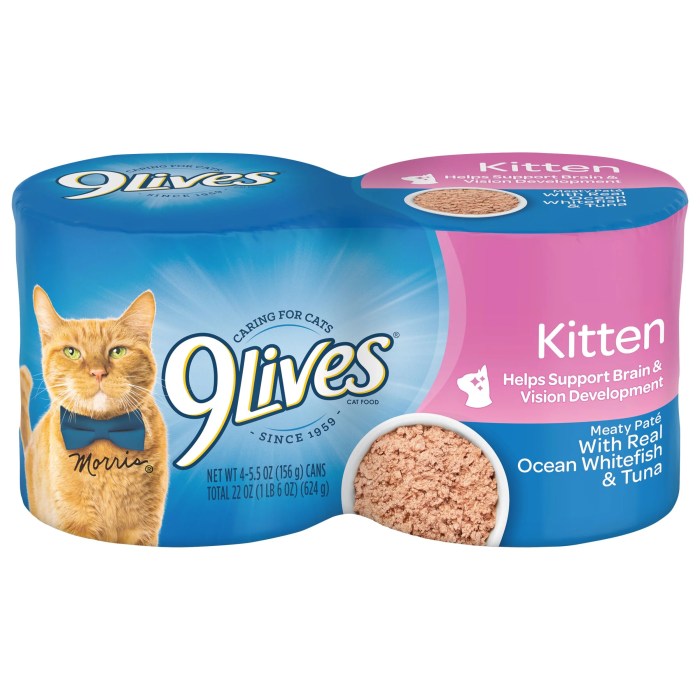
Source: walmartimages.com
Bringing a new kitten home is an exciting time! Ensuring they get the right nutrition is paramount for healthy growth and development. Wet food can be a fantastic way to provide essential moisture and nutrients, but navigating the sheer number of options can be overwhelming. This guide breaks down everything you need to know about selecting high-quality wet food for your kitten, from understanding ingredient labels to recognizing potential red flags.
Kittens have significantly different nutritional needs than adult cats. Their bodies are rapidly developing, requiring a concentrated source of energy and specific nutrients to support bone growth, muscle development, and a strong immune system. Choosing the right wet food is an investment in your kitten’s long-term health and well-being.
1. Defining “High Quality” in Kitten Wet Food
The term “high quality” isn’t regulated, so it’s up to us as pet parents to understand what it truly means. It goes beyond just marketing claims and requires a careful examination of the ingredient list and nutritional profile. Let’s dive into the specifics.
Nutritional Requirements for Growing Kittens
- Protein: Crucial for muscle development and overall growth. Kittens need a higher percentage of protein than adult cats, typically 30-45%.
- Fat: Provides energy and supports healthy skin and coat. Aim for 15-25% fat.
- Taurine: An essential amino acid that cats cannot produce themselves. Deficiency can lead to serious health problems like heart disease and blindness. Wet food generally provides more taurine than dry food.
- Vitamins & Minerals: Essential for various bodily functions, including bone development, immune function, and energy metabolism.
Beneficial vs. Avoidable Ingredients
Understanding ingredients is key. Look for foods where meat is listed as the first ingredient. Avoid foods with excessive fillers, artificial colors, flavors, and preservatives.
Digestibility and Ingredient Quality
High-quality ingredients are not only nutritious but also easily digestible. Kittens have sensitive digestive systems, and poorly digestible ingredients can lead to stomach upset and nutrient malabsorption. Look for ingredients known for their digestibility, like easily digestible proteins and limited fiber.
Ingredient Profile Comparison
| Food Name | Primary Protein Source | Top 5 Ingredients |
|---|---|---|
| “Purrfect Start” (High Quality) | Chicken | Chicken, Chicken Broth, Chicken Liver, Pea Fiber, Taurine |
| “Kitty Delight” (High Quality) | Salmon | Salmon, Salmon Broth, Brown Rice, Flaxseed, Vitamin E |
| “Feline Feast” (High Quality) | Turkey | Turkey, Turkey Broth, Sweet Potato, Carrot, Calcium Propionate |
| “Budget Bites” (Lower Quality) | “Meat By-Products” | Meat By-Products, Corn, Wheat, Soy Meal, Artificial Flavor |
| “Value Paws” (Lower Quality) | Chicken | Chicken, Corn Gluten Meal, Animal Fat, Beet Pulp, Artificial Colors |
| “Economy Choice” (Lower Quality) | Poultry | Poultry, Ground Yellow Corn, Soybean Meal, Calcium Carbonate, Salt |
Protein Sources & Their Impact
The source of protein in your kitten’s wet food significantly impacts their growth and overall health. Different protein sources offer varying levels of bioavailability and can influence a kitten’s digestion and tolerance.
Animal-Based vs. Plant-Based Protein
Kittens are obligate carnivores, meaning they thrive on animal-based protein. While plant-based proteins can be part of a balanced diet, they are generally less digestible and less bioavailable to cats than animal-based proteins. Relying heavily on plant-based proteins can lead to nutritional deficiencies.
Bioavailability of Protein
Bioavailability refers to how easily the body can absorb and utilize a nutrient. Chicken, turkey, and fish are generally considered to have high bioavailability for kittens. Beef can be a good source, but some kittens may have difficulty digesting it.
Impact on Growth and Development
A kitten fed a diet rich in easily digestible chicken protein might exhibit faster muscle growth and a more robust energy level compared to a kitten consuming a diet primarily based on less digestible plant proteins. Individual kittens may also have preferences and sensitivities to certain protein sources.
Fish-Based Wet Food: Pros & Cons
- Pros: Excellent source of protein, omega-3 fatty acids (beneficial for skin and coat), often highly palatable.
- Cons: Potential for mercury contamination (choose brands with rigorous testing), risk of allergies (fish is a common allergen), can contribute to oily stools if fed in excess.
Essential Vitamins & Minerals
Beyond protein and fat, kittens require a range of vitamins and minerals to support their rapid development. Deficiencies in these nutrients can lead to serious health problems.
Crucial Vitamins & Minerals
- Calcium & Phosphorus: Essential for strong bone development.
- Vitamin D: Aids in calcium absorption and bone mineralization.
- Taurine: As mentioned earlier, crucial for heart and eye health.
- Vitamin A: Supports vision, immune function, and growth.
- Vitamin E: An antioxidant that protects cells from damage.
Roles of Key Nutrients
Calcium and phosphorus work together to build strong bones and teeth. Vitamin D helps the body absorb calcium. Taurine is an essential amino acid that cats cannot produce themselves, and deficiency can lead to blindness and heart problems.
Natural Sources
High-quality wet food often incorporates natural sources of these nutrients, such as bone meal (calcium), fish oil (vitamin D and omega-3s), and organ meats (taurine and vitamin A).
Taurine Calculation
A general guideline for taurine requirement is approximately 25-50 mg per kilogram of body weight per day. For a 2 kg kitten, the daily taurine requirement would be approximately 50-100 mg.
Ingredient Sourcing & Manufacturing Processes
The journey of an ingredient from its source to your kitten’s bowl significantly impacts the final product’s quality. Understanding sourcing and manufacturing processes is crucial for making informed choices.
Ingredient Sourcing
“Human-grade” ingredients are those that meet the same standards for human consumption, while “animal-grade” ingredients are fit for animal consumption but may not meet human food safety standards. While “human-grade” is a desirable quality, it’s not always a guarantee of superior nutrition. Focus on the overall ingredient list and nutritional profile.
Manufacturing Processes
Extrusion (common in dry food) can degrade some nutrients. Canning generally preserves nutrients better, but high heat can still affect certain vitamins. Look for brands that prioritize gentle processing methods.
Certifications
AAFCO Statement: Indicates that the food meets the nutritional levels established by the Association of American Feed Control Officials (AAFCO) for a specific life stage (in this case, growth/kitten). Organic Certification: Guarantees that ingredients are produced without synthetic pesticides or fertilizers.
Manufacturing Flowchart
- Ingredient Sourcing: Selection of high-quality ingredients (meat, vegetables, vitamins, minerals).
- Ingredient Preparation: Cleaning, grinding, and mixing ingredients.
- Cooking/Sterilization: Canning process involves sealing ingredients in cans and heating to sterilize.
- Quality Control: Testing for nutrient levels, contaminants, and overall safety.
- Packaging: Cans are labeled and sealed.
- Distribution: Products are shipped to retailers.
Texture & Palatability Considerations
Kittens are often picky eaters, and texture plays a significant role in their acceptance of wet food. It’s also important to consider their developing teeth and chewing abilities.
Importance of Texture
Kittens have small, developing teeth, so textures that are too hard or chunky can be difficult for them to manage. Softer textures are generally preferred.
Different Textures
- Pate: Smooth and creamy, often appealing to kittens with sensitive gums.
- Minced: Finely ground meat and vegetables, easy to chew.
- Chunks in Gravy: Provides more texture and flavor, but ensure the chunks are small and soft.
Palatability Enhancers
Liver is naturally rich in flavor and nutrients. Fish oil adds a savory taste and provides omega-3 fatty acids. Some brands also use natural flavorings to enhance palatability.
The aroma alone is captivating – a savory blend of chicken and herbs. The texture is luxuriously smooth, melting in the kitten’s mouth. Each bite is a symphony of flavor, a testament to the quality of ingredients and the care taken in its preparation. It’s a truly delightful sensory experience.
Comparing Different Brands & Formulations
The wet kitten food market is vast, with numerous brands and formulations to choose from. Let’s compare some popular options.
Brand Comparison
A thorough comparison of ingredient lists and nutritional profiles is essential. Consider factors like protein content, fat content, and the presence of fillers.
Grain-Free vs. Grain-Inclusive
Grain-free diets have gained popularity, but they are not necessarily superior for all kittens. Some grains (like brown rice and oats) can be easily digestible sources of fiber and nutrients. Grain-inclusive diets can be a perfectly healthy option, provided they use high-quality grains.
Limited-Ingredient Diets
Limited-ingredient diets contain a minimal number of ingredients, which can be beneficial for kittens with allergies or sensitivities. These diets help isolate potential allergens and simplify the diagnostic process.
| Brand Name | Grain-Free? | Primary Protein | Price per Can | Customer Rating (Hypothetical) |
|---|---|---|---|---|
| “Purina Kitten Chow Tender” | No | Chicken | $0.75 | 4.2 |
| “Blue Buffalo Baby Blue Healthy Growth Formula” | Yes | Chicken | $1.25 | 4.5 |
| “Wellness Complete Health Kitten” | No | Turkey | $1.00 | 4.6 |
| “Instinct Original Kitten” | Yes | Chicken | $1.50 | 4.7 |
| “Royal Canin Kitten” | No | Chicken | $1.10 | 4.4 |
Addressing Common Concerns & Myths
There are many misconceptions surrounding kitten wet food ingredients and feeding practices. Let’s address some common concerns.
Misconceptions about Ingredients
“By-products” are always bad: While some by-products can be low-quality, others are nutritious organ meats (like liver and heart) that provide essential vitamins and minerals. The key is to look for reputable brands that source high-quality by-products.
Risks of Overfeeding
Overfeeding wet food can lead to weight gain and obesity. Follow the feeding guidelines on the packaging and adjust portions based on your kitten’s activity level and body condition.
Food Sensitivities & Allergies
Signs of food sensitivities or allergies include vomiting, diarrhea, skin itching, and ear infections. If you suspect a sensitivity, consult with your veterinarian and consider a limited-ingredient diet.
Frequently Asked Questions
- Q: Is grain-free wet food always better? A: Not necessarily. High-quality grains can be a healthy part of a kitten’s diet.
- Q: How much wet food should I feed my kitten? A: Follow the feeding guidelines on the packaging, adjusting portions as needed.
- Q: Can I mix wet and dry food? A: Yes, a combination of wet and dry food can provide a balanced diet and hydration.
- Q: How long does opened wet food last in the refrigerator? A: Typically, 1-2 days.
Wet Food Storage & Handling
Proper storage and handling are essential to maintain the freshness and safety of your kitten’s wet food.
Storage Techniques
- Unopened Cans: Store in a cool, dry place.
- Opened Cans: Transfer any leftover food to an airtight container and refrigerate immediately.
Hygiene
Always wash your hands before preparing and serving wet food. Use clean bowls and utensils.
Safe Disposal
Dispose of leftover wet food properly to prevent attracting pests.
Storage Infographic (Description)
The infographic would visually depict the following steps: 1) A sealed can of wet food stored in a pantry. 2) An opened can with leftover food being transferred to an airtight container. 3) The airtight container being placed in the refrigerator. 4) A clean bowl being prepared for feeding. 5) A hand washing icon emphasizing hygiene.
The Role of Wet Food in a Kitten’s Diet
Wet food can be a valuable addition to a kitten’s diet, complementing dry food and providing numerous benefits.
Wet & Dry Food Combination
Combining wet and dry food offers a balanced approach. Dry food provides dental benefits and can be left out for grazing, while wet food provides hydration and concentrated nutrients.
Hydration & Urinary Tract Health
Kittens are prone to dehydration, and wet food is an excellent source of moisture, which helps support urinary tract health and prevent crystal formation.
Feeding Schedules
A common feeding schedule might involve offering wet food twice daily and leaving dry food available for grazing throughout the day.
Digestive System Visual Representation (Description)
The visual would illustrate a kitten’s digestive system, highlighting the stomach and intestines. Arrows would indicate the flow of wet food through the system, with annotations emphasizing the ease of digestion and efficient nutrient absorption due to the high moisture content. The illustration would also show how wet food helps hydrate the digestive tract, promoting healthy bowel movements.
Understanding Labeling & Nutritional Information
Decoding a kitten wet food label can be confusing. Let’s break down the key elements.
Guaranteed Analysis
The Guaranteed Analysis lists the minimum percentages of crude protein and fat, and the maximum percentages of crude fiber and moisture. It provides a snapshot of the food’s nutritional composition.
AAFCO Statement
The AAFCO statement indicates whether the food is complete and balanced for a specific life stage (growth/kitten). It’s a crucial indicator of nutritional adequacy.
Hidden Ingredients & Fillers
Be wary of vague ingredient terms like “animal fat” or “flavorings.” Look for specific ingredients and avoid foods with excessive fillers like corn, wheat, and soy.
Sample Label (Description)
The sample label would include: Brand Name, Product Name, “Complete and Balanced for Growing Kittens,” Guaranteed Analysis (Protein, Fat, Fiber, Moisture), Ingredient List (Chicken, Chicken Broth, etc.), Feeding Guidelines, and AAFCO Statement.
Closing Summary
Ultimately, feeding your kitten high quality wet food is an investment in their future. By understanding the nuances of ingredient lists, nutritional profiles, and manufacturing processes, you can ensure your kitten receives the vital nutrients they need to thrive. Remember to always consult with your veterinarian for personalized feeding recommendations, and don’t hesitate to experiment with different textures and flavors to find what your kitten enjoys most.
A happy, healthy kitten is a joy to have!
With the knowledge gained here, you’re now equipped to confidently select a wet food that supports your kitten’s growth, hydration, and overall health, contributing to a vibrant and playful companion for years to come.
Q&A
Why is taurine so important for kittens?
Taurine is an essential amino acid that kittens can’t produce on their own. It’s vital for heart health, vision, and proper growth and development. Deficiency can lead to serious health problems.
What does “by-product” mean in kitten wet food?
“By-products” can refer to organs like liver and kidney, which are nutrient-rich. However, the quality can vary, so look for foods that specify the source of the by-products (e.g., “chicken by-product”).
Is grain-free wet food always better for kittens?
Not necessarily. Grain-free diets can be beneficial for kittens with allergies, but grains like brown rice and oats can be a good source of fiber and nutrients. It depends on your kitten’s individual needs.
How much wet food should I feed my kitten?
Feeding amounts vary based on age, weight, and activity level. Always follow the guidelines on the food label and consult your veterinarian for personalized recommendations.
Can I freeze leftover wet food?
Yes, you can freeze leftover wet food in an airtight container for up to a month. Thaw it in the refrigerator and discard any uneaten portion after 24 hours.
What’s the AAFCO statement and why is it important?
The AAFCO statement indicates that the food is “complete and balanced” for a specific life stage (like growth for kittens). It means the food meets the nutritional standards established by the Association of American Feed Control Officials.
My kitten is a picky eater – how can I encourage them to eat wet food?
Try warming the food slightly, adding a small amount of low-sodium broth, or offering different textures and flavors. Patience and persistence are key!

