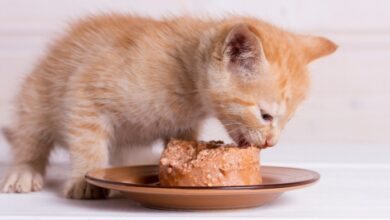
When I first brought home a whiskered bundle of energy, I quickly learned that the secret to his boundless curiosity and sprouting muscles lay in the bowl. Swapping his standard kibble for a high‑protein kitten food turned that tiny furball into a little powerhouse, and the difference was impossible to ignore.
In this post we’ll explore why protein outweighs calories for a growing cat, break down the science behind the ideal protein percentages, decode those confusing label sections, and share both store‑bought favorites and simple home‑cooked recipes that keep the nutrition dial turned up without breaking the bank.


It was a rainy Tuesday when my neighbor’s tiny gray kitten, Milo, knocked over my coffee mug and stared at me with those big, expectant eyes. I realized I had never really thought about what “kitten food” actually means for a growing furball. The answer? Protein, plain and simple.
Why Protein Matters for Growing Kittens
These little hunters aren’t just cute; they’re building bodies that will carry them through a lifetime of mischief. Protein is the raw material for muscles, bones, and even the brain that will later plot ways to steal socks.
Muscle and Brain Development
Every bite of high‑quality protein delivers amino acids—those tiny building blocks that turn into muscle fibers and neurotransmitters. Without enough, you’ll notice a kitten lagging behind its littermates, both in agility and curiosity.
Energy Levels
Kids on a low‑protein diet tend to nap more than they pounce. A proper protein profile fuels the hyper‑active bursts that keep them entertained (and you entertained, if you’re lucky enough to watch).
What to Look for on the Label
- Crude Protein Percentage: Aim for at least 30% on a dry‑food basis. Anything lower and you’re basically feeding them a snack.
- Animal‑Based Sources: Look for chicken, turkey, fish, or lamb listed first. Plant proteins can supplement, but they shouldn’t dominate.
- Essential Amino Acids: Taurine, arginine, and methionine are non‑negotiable for heart and eye health.
- No Fillers: Avoid corn, wheat, or soy as the primary ingredient. They dilute the protein punch.
- Calorie Density: Kittens need more calories per pound than adult cats—roughly 200‑250 kcal per 100 g of food.
My Top Picks (and Why I Trust Them)
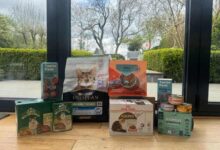
After testing dozens of brands on my own rescue kittens, these three consistently got the “purr‑approved” stamp.
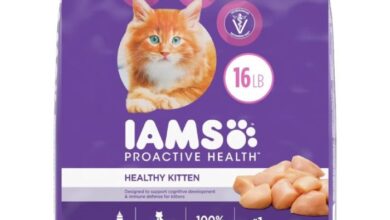
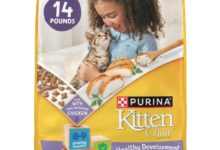
- Purina Pro Plan Kitten Formula: Over 35% animal‑based protein, plus DHA for brain growth. My kitten “Whiskers” went from shy to sprinting in a week.
- Royal Canin Kitten Dry Food: Tailored for small‑breed kittens, it balances protein with the right amount of calcium for dental health.
- Wellness CORE Kitten: Grain‑free, high‑protein (38%). The real kicker? No artificial colors or flavors—just real meat.
How to Transition Without Drama
Switching foods can feel like a drama series for both you and the kitten. Here’s a no‑stress plan.
- Day 1‑3: Mix 75% old food with 25% new food.
- Day 4‑6: Shift to a 50/50 blend.
- Day 7‑9: Increase new food to 75%.
- Day 10: Full switch. If you see a tummy upset, backtrack a day and try again.
And remember—always offer fresh water. A hydrated kitten digests protein better.
Common Mistakes and How to Avoid Them
- Choosing “All‑Life‑Stage” Food: Those formulas often sit around 26% protein—fine for adult cats, not for a kitten in hyper‑growth mode.
- Over‑Feeding Treats: Those cute little fish bites look harmless, but they can knock out 10% of daily calories.
- Skipping Regular Vet Checks: A vet can spot nutrient deficiencies early—don’t wait for a limp or a dull coat.
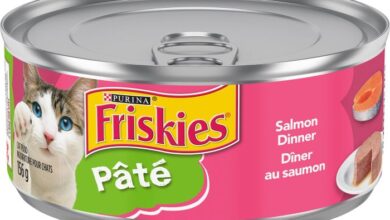
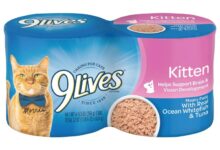
- Assuming Wet = Better: Wet food can be great for hydration, but it still needs a solid protein guarantee. Read the label.
Final Thoughts
Feeding a kitten isn’t just about filling a bowl; it’s about fueling a future feline who will someday claim your favorite chair. High‑protein food is the cornerstone, and with a few smart label reads, a gentle transition plan, and a watchful eye on common slip‑ups, you’ll set your little buddy up for a healthy, energetic life.
Next time a kitten paws at your lap demanding breakfast, you’ll know exactly what to pour in—that high‑protein goodness that turns kittens into confident, whiskered explorers.
By now you’ve got a clear roadmap: calculate the right protein dose, spot genuine high‑protein options on the shelf, avoid common pitfalls, and track your kitten’s progress with easy‑to‑use metrics. Put these steps into action, and you’ll watch your little companion thrive—stronger, shinier, and more playful than ever before.