Keeping our feline friends properly hydrated is absolutely vital for their health and happiness. Dehydration can sneak up on cats, often triggered by things like vomiting, diarrhea, or simply refusing to drink enough water. Luckily, there’s a readily available option many pet parents are curious about: unflavored Pedialyte. It’s a familiar product for humans, but can it safely and effectively help rehydrate our cats when they need it most?
Let’s dive into everything you need to know.

This guide will explore the ingredients in Pedialyte, when it’s appropriate to use, how to administer it safely, and what alternatives exist. We’ll also cover potential risks and, most importantly, when a vet visit is absolutely necessary. Hydration is key to a thriving cat, and understanding how to support it is a big part of responsible pet ownership.
Unflavored Pedialyte for Cats: A Guide to Safe Hydration
Keeping our feline friends properly hydrated is absolutely vital for their health and well-being. Cats are notoriously picky drinkers, and sometimes, they just don’t get enough water. This can lead to dehydration, which can quickly become a serious problem. If your cat is experiencing vomiting, diarrhea, refusing to drink, or is generally unwell, dehydration is a real concern. Hydration isn’t just about quenching thirst; it’s essential for everything from kidney function and nutrient absorption to regulating body temperature and maintaining healthy skin.
Pedialyte, a familiar electrolyte solution used in human medicine to rehydrate children, has gained popularity among pet owners as a potential aid for feline hydration. Let’s explore how it can be used safely and effectively, and when it’s best to seek professional veterinary advice.
Introduction: Unflavored Pedialyte & Feline Hydration
Dehydration in cats can stem from various causes, including gastrointestinal upset like vomiting and diarrhea, a reluctance to drink fresh water, underlying illnesses, or even fever. The body relies on water for countless processes, including transporting nutrients, regulating temperature, and flushing out waste products. When a cat is dehydrated, these functions are compromised, potentially leading to serious health complications. Pedialyte, originally designed to replenish electrolytes lost due to illness in children, contains a balanced mix of sugars and electrolytes that can help restore fluid balance in cats.
It’s a readily available and relatively inexpensive option, but it’s crucial to understand its composition, appropriate use, and potential risks before offering it to your cat.
Composition & Nutritional Value of Unflavored Pedialyte
Unflavored Pedialyte is primarily a solution designed to replace lost fluids and electrolytes. Its core ingredients include water, dextrose (a type of sugar), sodium chloride (table salt), potassium chloride, and sometimes, citric acid for flavor. Water, of course, is the primary hydrating agent. Dextrose provides a small amount of energy and helps with the absorption of water and electrolytes. Sodium chloride and potassium chloride are essential electrolytes that are lost through vomiting and diarrhea, and are crucial for nerve and muscle function.
The citric acid contributes to the taste, though it’s minimal in the unflavored version. Understanding the role of each ingredient is key to appreciating Pedialyte’s potential benefits and risks for cats.
| Ingredient | Pedialyte Level (approximate) | Typical Feline Level (in bodily fluids) |
|---|---|---|
| Sodium (Na) | 145 mEq/L | 140-160 mEq/L |
| Potassium (K) | 3.5 mEq/L | 3.5-5.5 mEq/L |
| Chloride (Cl) | 120 mEq/L | 100-110 mEq/L |
While Pedialyte’s electrolyte levels are generally comparable to those found in feline bodily fluids, the dextrose content is a point of concern. The sugar can be problematic for diabetic cats or those prone to weight gain. Even in healthy cats, excessive sugar intake isn’t ideal. Always consult your veterinarian before administering Pedialyte, especially if your cat has any pre-existing conditions.
When is Unflavored Pedialyte Appropriate for Cats?
There are several situations where offering Pedialyte to a cat might be beneficial. Mild dehydration, often resulting from a brief period of vomiting or diarrhea, can sometimes be addressed with Pedialyte. It can also be helpful in encouraging water intake in cats who are reluctant to drink, or during recovery from illness. However, it’s not a substitute for veterinary care.
Recognizing the signs of dehydration is crucial. These include sunken eyes, dry and sticky gums, lethargy, decreased skin elasticity (when you gently pinch the skin on their back, it doesn’t snap back quickly), and a decreased urine output. If you observe these signs, especially if they are severe or persistent, seek immediate veterinary attention. Pedialyte is
-not* appropriate for cats experiencing severe dehydration, those with underlying medical conditions like kidney disease, or kittens under 8 weeks old without veterinary guidance.
Kittens are particularly vulnerable and require specialized care.
To help you decide, consider this flowchart:
- Is my cat dehydrated? Observe for signs like sunken eyes, dry gums, and lethargy.
- Mild dehydration? If symptoms are mild and your cat is otherwise healthy, consider Pedialyte (with vet approval).
- Severe dehydration? Immediate veterinary care is required. Do not attempt to treat severe dehydration at home.
Safe Administration Methods & Dosage
Administering Pedialyte safely is paramount. The most common methods include syringe feeding, mixing it with wet food, or adding it to the cat’s water bowl. Syringe feeding allows for controlled administration and ensures the cat receives the correct dosage. Mixing it with wet food can encourage consumption, especially for cats who are picky eaters. Adding it to the water bowl is a less precise method, but can be helpful for encouraging overall water intake.
Dosage is crucial and depends on the cat’s weight and the severity of dehydration.
| Cat Weight (lbs) | Recommended Dosage (mL) |
|---|---|
| 5-8 lbs | 10-15 mL |
| 9-12 lbs | 15-20 mL |
| 13-16 lbs | 20-25 mL |
| 17+ lbs | 25-30 mL |
Important Safety Precautions: Always administer Pedialyte slowly and carefully to prevent aspiration (liquid entering the lungs). Hold the cat’s head slightly tilted upwards during syringe feeding, and administer the liquid in small increments, allowing them to swallow between each dose. Never force the liquid into the cat’s mouth.
Potential Risks & Side Effects
Source: cuteness.com
While generally safe when used appropriately, Pedialyte can cause adverse reactions in some cats. These may include vomiting, diarrhea, or, rarely, allergic reactions. Excessive electrolyte intake can disrupt the delicate balance of minerals in the body, potentially leading to health problems, particularly in cats with kidney disease. Cats with pre-existing kidney conditions are more susceptible to electrolyte imbalances. Be vigilant for any signs of adverse reactions and discontinue use immediately if they occur.
- Vomiting
- Diarrhea
- Lethargy
- Loss of appetite
- Swelling of the face or paws
- Difficulty breathing
Alternatives to Unflavored Pedialyte for Feline Hydration
While Pedialyte can be a helpful tool, it’s not the only option for feline hydration. Subcutaneous fluids, administered by a veterinarian, provide direct hydration and are often necessary for more severe dehydration. Electrolyte solutions specifically formulated for pets are also available and may be a better choice for cats with underlying health conditions. Encouraging increased water intake through various methods is always a good strategy.
Fountains, multiple water bowls placed around the house, and even flavored water (using a small amount of tuna juice or chicken broth) can entice cats to drink more. Wet food is also an excellent source of hydration, as it typically contains a high percentage of water.
| Option | Pros | Cons | Cost |
|---|---|---|---|
| Pedialyte | Readily available, inexpensive | Sugar content, potential for electrolyte imbalance | $5-10 |
| Subcutaneous Fluids | Direct hydration, effective for severe dehydration | Requires veterinary administration, can be costly | $20-50 (per administration) |
| Pet-Specific Electrolyte Solutions | Formulated for feline needs, balanced electrolytes | May be more expensive than Pedialyte | $10-20 |
Veterinary Consultation & When to Seek Professional Help
It’s crucial to consult with a veterinarian before administering Pedialyte to your cat, especially if they have any underlying health conditions. While Pedialyte can be helpful in mild cases, it’s not a substitute for professional veterinary care. Signs that warrant immediate veterinary attention include persistent vomiting, lethargy, seizures, difficulty breathing, or any other concerning changes in behavior. When contacting your veterinarian, be prepared to provide information about your cat’s condition, the signs you’ve observed, and the dosage of Pedialyte you’ve administered.
Use this checklist to assess your cat’s hydration status:
- Are their gums dry or sticky?
- Are their eyes sunken?
- Are they lethargic or inactive?
- Does their skin lack elasticity?
- Are they producing less urine than usual?
If you answer yes to several of these questions, or if you are concerned about your cat’s health, seek veterinary care promptly.
Long-Term Hydration Strategies
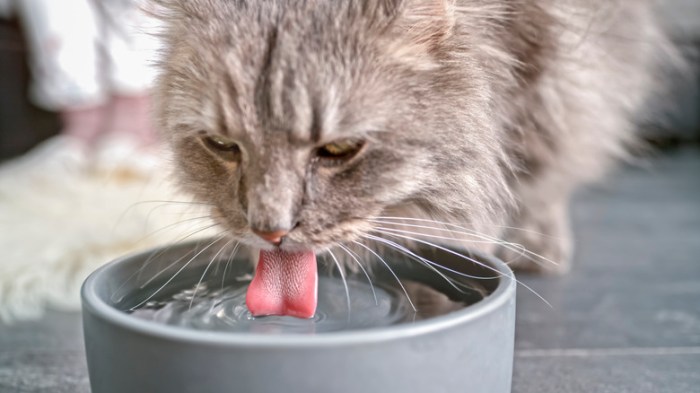
Preventing dehydration is always better than treating it. Providing fresh, clean water at all times is the most fundamental step. Encouraging water intake through fountains, multiple water bowls, and flavored water can make a significant difference. Incorporating wet food into your cat’s diet is another excellent strategy, as it provides a substantial amount of hydration. Addressing potential barriers to water consumption, such as dirty water bowls or a stressful environment, is also important.
Consider the material, size, and placement of your cat’s water bowl. Ceramic or stainless steel bowls are generally preferred over plastic, as they are less likely to harbor bacteria. Wide, shallow bowls are often more comfortable for cats to drink from, and placing bowls in multiple locations around the house can encourage them to drink more frequently.
Last Point
Ultimately, using unflavored Pedialyte for cats can be a helpful tool in mild dehydration situations, but it’s
-never* a substitute for professional veterinary care. Knowing the signs of dehydration, understanding the proper dosage, and always consulting your vet beforehand are crucial steps. By prioritizing your cat’s hydration and being proactive about their health, you can help ensure they live a long, happy, and energetic life.
Remember, a hydrated cat is a happy cat!
Clarifying Questions
Can I use flavored Pedialyte for my cat?
No! Only unflavored Pedialyte is safe for cats. Flavored varieties contain artificial sweeteners like xylitol, which is extremely toxic to cats.
How much Pedialyte can a kitten have?
Kittens under 8 weeks old should
-always* be evaluated by a vet before receiving Pedialyte. Dosage will depend on their weight and condition, but it’s generally much lower than for adult cats.
Is Pedialyte a substitute for water?
Absolutely not. Pedialyte is for short-term hydration support, not a replacement for fresh, clean water. Always ensure your cat has access to plenty of water.
My cat refuses to drink Pedialyte from a syringe. What can I do?
Try mixing a small amount with their wet food or adding it to their water bowl. You can also try offering it in a shallow dish or using a smaller syringe.
How long can I give my cat Pedialyte before seeing a vet?
If your cat’s condition doesn’t improve within 24 hours, or if their symptoms worsen, seek veterinary attention immediately.
Can I give Pedialyte to a cat who is eating and acting normally?
No. Pedialyte is only for cats experiencing dehydration. Giving it to a healthy cat is unnecessary and could potentially cause electrolyte imbalances.
What if my cat vomits after taking Pedialyte?
Stop administering Pedialyte immediately and contact your veterinarian. Vomiting could indicate an adverse reaction or that the cat is already experiencing electrolyte imbalances.