Seeing your feline friend repeatedly toss their dinner is incredibly worrying. Vomiting in cats can stem from a surprising number of sources, ranging from simple hairballs to more serious underlying health conditions. Understanding the ‘why’ behind the vomiting is the first step, and often, diet plays a crucial role. This guide dives deep into the world of cat food for cats vomiting, exploring ingredients to avoid, beneficial formulations, and feeding practices to help soothe your cat’s tummy and get them back to feeling like themselves.
We’ll break down everything from identifying the type of vomit (regurgitation vs. vomiting – they’re different!) to navigating the confusing world of cat food labels. You’ll learn about hypoallergenic options, limited-ingredient diets, and the importance of fiber, all while understanding how to work with your vet to pinpoint the root cause of the problem and find the best nutritional solution for your beloved cat.
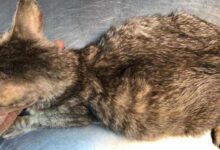

Understanding Cat Vomiting – Causes & Severity
Vomiting in cats can be alarming, and it’s natural to worry when your feline friend isn’t feeling well. While occasional vomiting can be normal (think hairballs!), persistent or severe vomiting is a sign something might be amiss. This section will break down the common causes, help you differentiate between different types of expulsion, and explain what clues your cat’s vomit might be giving you.
Understanding the root cause is the first step towards finding a solution.
Detailing Common Reasons for Cat Vomiting
Cats vomit for a variety of reasons, ranging from relatively harmless to serious medical concerns. Hairballs are a frequent culprit, but dietary issues and underlying health conditions also play a significant role. Let’s explore these categories in more detail.
- Hairballs: These are formed when cats groom themselves, ingesting loose fur. The fur accumulates in the stomach and is eventually expelled. While generally not a major concern, frequent hairball vomiting can indicate excessive grooming or a lack of fiber in the diet.
- Dietary Issues: This is a broad category encompassing everything from eating too quickly to food sensitivities and intolerances. Sudden changes in diet can also upset a cat’s digestive system.
- Underlying Medical Conditions: Vomiting can be a symptom of a wide range of illnesses, some of which are quite serious. These require veterinary diagnosis and treatment.
Regurgitation vs. Vomiting: What’s the Difference?
It’s important to distinguish between regurgitation and vomiting. While both involve expelling contents from the stomach, the mechanisms and appearances are quite different. Regurgitation is a passive expulsion of undigested food, often occurring shortly after eating. It’s typically effortless and the food is tubular in shape. Vomiting, on the other hand, is an active process involving abdominal contractions and often occurs after a delay.
The expelled material is usually partially digested and may contain bile or other fluids. Observing which process your cat is experiencing can provide valuable clues to the underlying cause.
Potential Medical Conditions Manifesting as Vomiting
Several medical conditions can present with vomiting as a primary symptom. Here’s a table outlining some common possibilities, their associated symptoms, and a general severity level.
Please note that this is not an exhaustive list and a veterinary diagnosis is always necessary.*
| Condition | Common Symptoms | Severity Level |
|---|---|---|
| Inflammatory Bowel Disease (IBD) | Chronic vomiting, diarrhea, weight loss, decreased appetite | Medium to High |
| Kidney Disease | Vomiting, lethargy, increased thirst, increased urination, weight loss | High |
| Hyperthyroidism | Vomiting, increased appetite, weight loss, hyperactivity, increased thirst | Medium to High |
| Pancreatitis | Vomiting, abdominal pain, decreased appetite, lethargy | High |
| Food Allergies/Sensitivities | Vomiting, diarrhea, skin irritation, itching | Low to Medium |
Observing the Vomit: A Diagnostic Tool
The appearance of your cat’s vomit can offer valuable insights into the potential cause. Pay attention to the following:
- Color: Yellow or green may indicate bile, suggesting the problem originates in the small intestine. Brown or dark material could be digested blood.
- Consistency: Foamy vomit might indicate gastritis. Undigested food suggests rapid transit through the digestive system.
- Presence of Undigested Food: This can point to eating too quickly or a problem with the stomach’s ability to digest food.
- Foreign Objects: The presence of hair, string, or other foreign objects is a serious concern and requires immediate veterinary attention.
Dietary Considerations & Cat Food Ingredients
The food you feed your cat plays a crucial role in their digestive health. Certain ingredients can trigger vomiting, while others can help soothe and support the digestive system. This section will delve into the specifics of cat food ingredients and their potential impact on your cat’s stomach.
Ingredients That Can Contribute to Vomiting
Several ingredients commonly found in cat food can contribute to vomiting, particularly in cats with sensitive stomachs. These can be broadly categorized as allergens, high-fat ingredients, and artificial additives.
- Common Allergens: These are ingredients that trigger an immune response in some cats, leading to digestive upset and vomiting.
- High-Fat Ingredients: While cats need fat in their diet, excessive amounts can overwhelm the digestive system and lead to vomiting.
- Artificial Additives: Artificial colors, flavors, and preservatives can irritate the digestive tract in some cats.
Ingredients to Avoid in Cat Food for Vomiting-Prone Cats
Here’s a breakdown of ingredients to be wary of, and
why* they can be problematic
- Corn, Wheat, and Soy: These are common fillers that are difficult for some cats to digest and can trigger allergies.
- Artificial Colors (Red 40, Yellow 5, Blue 2): These offer no nutritional value and can cause allergic reactions or digestive upset.
- Artificial Flavors: Similar to artificial colors, these can irritate the digestive system.
- BHA and BHT: These are preservatives linked to potential health concerns and can cause digestive issues.
- Excessive Amounts of Fish Meal: While fish is a good source of protein, excessive amounts of fish meal can lead to vomiting in some cats.
Comparing Cat Food Types and Their Impact on Vomiting
Different types of cat food have varying impacts on vomiting frequency. Here’s a comparison:
| Food Type | Pros | Cons (regarding vomiting) | Recommended for (specific conditions) |
|---|---|---|---|
| Dry Food | Convenient, affordable, helps with dental health | Can be less palatable, may cause dry stool, potential for faster eating and vomiting | Healthy cats with no digestive issues |
| Wet Food | Highly palatable, higher moisture content, easier to digest | More expensive, can contribute to dental problems if fed exclusively | Cats with kidney disease, urinary issues, or those prone to vomiting |
| Raw Food | Highly digestible, natural ingredients | Risk of bacterial contamination, requires careful handling and preparation, potential nutritional imbalances if not formulated correctly | Cats with severe food sensitivities or digestive problems (under veterinary guidance) |
The Role of Fiber in Cat Food
Fiber plays a vital role in managing vomiting related to digestive issues. It helps regulate bowel movements, adds bulk to the stool, and can absorb excess fluids in the digestive tract. Different types of fiber have varying levels of effectiveness:
- Insoluble Fiber (e.g., cellulose): Adds bulk to the stool and helps move food through the digestive system.
- Soluble Fiber (e.g., beet pulp): Absorbs water and forms a gel-like substance, which can soothe the digestive tract and reduce diarrhea.
Specific Cat Food Types & Formulations
Beyond general food types, specific formulations are designed to address particular digestive sensitivities and conditions. This section explores hypoallergenic, prescription, and limited-ingredient cat foods.
Hypoallergenic Cat Food: Addressing Food Sensitivities
Hypoallergenic cat food is formulated to minimize the risk of allergic reactions. These foods typically contain hydrolyzed proteins (proteins broken down into smaller pieces, making them less likely to trigger an immune response) and limited ingredients. They are a cornerstone of elimination diets (discussed later).
Prescription Cat Food Options for Gastrointestinal Issues
Veterinarians often prescribe specialized cat food for cats with gastrointestinal problems. These foods typically contain:
- Highly Digestible Proteins: Such as egg or salmon, to minimize digestive stress.
- Prebiotics and Probiotics: To support a healthy gut microbiome.
- Reduced Fiber: To minimize fermentation and gas production.
- Omega-3 Fatty Acids: To reduce inflammation.
Limited-Ingredient Cat Food: Simplifying the Diet
Limited-ingredient cat food contains a minimal number of ingredients, making it easier to identify potential allergens. Suitable protein sources for these foods include:
- Duck
- Venison
- Rabbit
- Salmon
Comparison of Popular Cat Food Brands for Digestive Sensitivities
Here’s a comparison of several popular cat food brands known for addressing digestive sensitivities:
| Brand | Key Ingredients | Price Range | Customer Reviews (summarized) |
|---|---|---|---|
| Royal Canin Veterinary Diet Gastrointestinal | Hydrolyzed protein, prebiotics, highly digestible fibers | $$$ | Generally positive; cats with sensitive stomachs often do well on this food. Some find it expensive. |
| Hill’s Prescription Diet Gastrointestinal | Hydrolyzed protein, prebiotic fiber, controlled levels of fat | $$$ | Highly recommended by vets; effective for many cats with digestive issues. Can be bland in taste. |
| Purina Pro Plan Veterinary Diets EN Gastroenteric | Hydrolyzed protein, easily digestible carbohydrates, omega-3 fatty acids | $$ | Good value for the price; many cats tolerate it well. Some report palatability issues. |
| Blue Buffalo Basics Limited Ingredient Diet | Single animal protein source (e.g., duck, salmon), limited grains | $$ | Good option for cats with mild food sensitivities. Some find the texture dry. |
Feeding Practices & Portion Control
How you feed your cat is just as important aswhat* you feed them. Feeding frequency, portion size, and the speed at which they eat can all influence the likelihood of vomiting.
Feeding Frequency and Portion Size
Feeding smaller, more frequent meals can reduce the burden on the digestive system and minimize vomiting. Guidelines vary based on age and activity level:
- Kittens: 3-4 small meals per day.
- Adult Cats: 2 meals per day.
- Senior Cats: 2-3 smaller meals per day.
- Active Cats: May require slightly larger portions.
Slow Feeding Techniques
Eating too quickly can lead to gulping air and vomiting. Slow feeding techniques can help:
- Puzzle Feeders: These require cats to work for their food, slowing down their eating pace.
- Spreading Food Over a Larger Area: Encourages cats to graze and eat more slowly.
Food Transitions: A Gradual Approach
Sudden changes in diet can disrupt a cat’s digestive system. Introduce new foods gradually over 7-10 days:
- Days 1-2: 25% new food, 75% old food.
- Days 3-5: 50% new food, 50% old food.
- Days 6-8: 75% new food, 25% old food.
- Day 9-10: 100% new food.
Managing Hairballs Through Diet and Feeding Practices
Diet and feeding practices can help minimize hairball formation:
- Hairball Control Cat Food: These foods contain higher levels of fiber to help move hair through the digestive system.
- Regular Grooming: Helps remove loose fur before the cat can ingest it.
- Foods that Promote Hairball Elimination: Pumpkin puree, psyllium husk, and olive oil can help lubricate the digestive tract.
Identifying & Addressing Food Sensitivities/Allergies
Food sensitivities and allergies can manifest as vomiting, diarrhea, and skin problems. Identifying and managing these issues is crucial for your cat’s well-being.
The Elimination Diet Process
An elimination diet is the gold standard for identifying food sensitivities. It involves feeding your cat a novel protein and carbohydrate source for 8-12 weeks, followed by a gradual reintroduction of old ingredients.
Common Cat Food Allergens
Common allergens include:
- Beef
- Chicken
- Fish
- Dairy
Alternative Protein Sources
For cats with common food allergies, consider these alternative protein sources:
- Duck
- Venison
- Rabbit
- Insect Protein (e.g., black soldier fly larvae)
Flowchart: Diagnosing and Managing Food Allergies
[Imagine a flowchart here visually depicting the following steps: 1. Cat exhibits vomiting/skin issues. 2. Suspect food allergy. 3.
Start elimination diet with novel protein/carb. 4. Monitor for improvement (8-12 weeks). 5. If improved, slowly reintroduce old ingredients one at a time, monitoring for reactions.
6. If reaction occurs, eliminate that ingredient permanently. 7. Maintain diet with safe ingredients.]
Nutritional Supplements & Additives
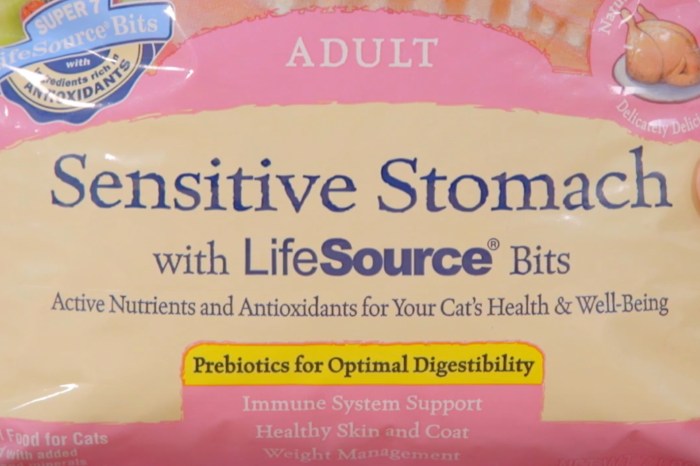
Source: chooseycats.com
Certain supplements can support gut health and reduce vomiting in cats.
Probiotics and Prebiotics
Probiotics are beneficial bacteria that help restore a healthy gut microbiome. Prebiotics are non-digestible fibers that feed these beneficial bacteria. Both can improve digestion and reduce vomiting.
Digestive Enzymes
Digestive enzymes help break down food, improving nutrient absorption and reducing vomiting.
Omega-3 Fatty Acids
Omega-3 fatty acids (EPA and DHA) have anti-inflammatory properties that can soothe the digestive tract.
Reputable Supplement Brands
- Purina Pro Plan Veterinary Diets FortiFlora: Contains probiotics and prebiotics.
- Nutramax Solsin: Digestive enzymes to aid digestion.
- Welactin Ultra: Omega-3 fatty acids for gut health.
- Zesty Paws Digestive Enzymes: Supports healthy digestion.
When to Seek Veterinary Attention
While occasional vomiting can be normal, certain signs warrant an immediate visit to the veterinarian.
Signs and Symptoms Requiring Immediate Veterinary Care
- Frequent or persistent vomiting (more than 24 hours)
- Vomiting accompanied by lethargy, loss of appetite, or weight loss
- Vomiting blood
- Suspected ingestion of a toxin or foreign object
- Dehydration (sunken eyes, dry gums)
Diagnostic Tests
A veterinarian may perform the following tests:
- Blood work: To assess organ function and rule out underlying medical conditions.
- Fecal analysis: To check for parasites.
- X-rays: To identify foreign objects or abnormalities in the digestive tract.
Providing a Detailed History
Be prepared to provide your veterinarian with a detailed history of your cat’s diet and vomiting episodes, including:
- What your cat eats (brand, type, ingredients)
- When the vomiting started
- Frequency and severity of vomiting
- Appearance of the vomit
- Any other symptoms your cat is experiencing
Remember to bring a sample of the vomit if possible, and be prepared to answer detailed questions about your cat’s diet and behavior. Accurate information is crucial for a proper diagnosis and treatment plan.
Final Review
Ultimately, managing vomiting in cats often involves a combination of careful observation, dietary adjustments, and potentially, veterinary intervention. By understanding the potential triggers in your cat’s food, implementing proper feeding techniques, and being proactive about identifying sensitivities, you can significantly improve your cat’s digestive health and overall well-being. Remember, a happy, healthy cat is a cat with a comfortable tummy – and this guide is here to help you achieve just that!
Don’t hesitate to consult with your veterinarian for personalized advice and to rule out any serious medical conditions. With a little knowledge and dedication, you can help your cat overcome vomiting and enjoy a long, happy, and healthy life.
FAQ Guide
Why is my cat vomiting undigested food?
This is often regurgitation, not vomiting. Regurgitation is passive and involves undigested food coming back up, usually quickly. It’s often related to eating too fast or a problem with the esophagus.
What does it mean if my cat’s vomit is yellow or green?
Yellow or green vomit often indicates bile, which means the food hasn’t been properly digested and is moving too quickly through the digestive system. It could be due to an empty stomach or a more serious issue.
How quickly should I transition my cat to a new food?
A gradual transition is key! Start by mixing a small amount (10-25%) of the new food with their old food and slowly increase the proportion over 7-10 days.
Are there any human foods I can give my cat to help with vomiting?
Plain, boiled chicken or white fish (boneless) can be gentle on a cat’s stomach. However, always check with your vet before introducing new foods.
What are some signs that my cat’s vomiting warrants a vet visit?
Frequent vomiting, vomiting accompanied by lethargy, loss of appetite, diarrhea, blood in the vomit, or signs of abdominal pain are all red flags that require immediate veterinary attention.
How do probiotics help cats with vomiting?
Probiotics introduce beneficial bacteria to the gut, helping to restore balance and improve digestion, which can reduce vomiting caused by digestive upset.
What is the difference between a food allergy and a food sensitivity?
A food allergy involves an immune response, while a food sensitivity is a non-immune reaction. Both can cause vomiting, but allergies are often more severe.

