Finding your cat’s stomach feels hard can be unsettling, and it’s natural to worry. It’s not always an emergency, but it’s definitely something to investigate. A relaxed cat’s abdomen should feel soft and pliable, but a firm or hard feeling can signal various underlying issues, from simple digestive hiccups to more serious medical concerns. This guide will walk you through potential causes, what to look for, and when to seek veterinary help, all to help you understand what might be happening with your feline friend.
We’ll explore everything from posture and diet to potential internal problems and diagnostic procedures. Understanding the nuances of a cat’s abdominal feel, and recognizing accompanying symptoms, is key to ensuring their well-being. We’ll also cover what you can do at home while you’re waiting for veterinary advice, and what to absolutely avoid.
Understanding Your Cat’s Abdominal Firmness: A Guide for Concerned Owners
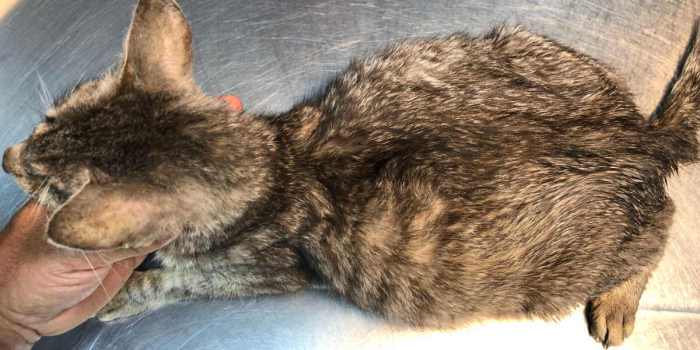
Source: cats.com
A hard or firm stomach in your cat can be worrying. It’s natural to feel concerned when something seems “off” with your feline friend. This article aims to break down what a hard stomachcould* mean, exploring potential causes, what to look for, and what steps you can take – both at home and with your vet’s guidance. We’ll cover everything from posture and diet to potential medical issues, helping you better understand your cat’s health and when professional help is needed.
1. Understanding a Hard Cat Stomach – Initial Assessment
The abdomen of a relaxed, healthy cat should feel relatively soft and pliable. When gently palpated (touched), you should feel some give, and the underlying organs should move somewhat freely. The temperature should be warm, similar to the rest of their body. A slight gurgling sound is also normal, indicating digestive activity. However, a noticeably hard or firm abdomen is different.
This isn’t necessarily an emergency, but it warrants closer observation and potentially a vet visit. The degree of firmness can vary; it might be a subtle change you notice, or a significant, rock-hard feeling.Certain cat breeds are predisposed to having naturally firmer abdominal musculature. This isn’t necessarily a sign of illness, but it’s important to be aware of. For example:
- British Shorthair: Known for their stocky build and well-defined muscles, their abdomen can feel firmer than some other breeds.
- Scottish Fold: Similar to British Shorthairs, their muscular build contributes to a firmer abdominal feel.
- Russian Blue: Their sleek, muscular physique can also result in a slightly firmer abdomen.
- Maine Coon: While large, their muscular frame can give a more solid feel to the abdomen.
It’s crucial to establish a baseline for
your* cat’s abdomen when they are healthy, so you can better recognize any changes.
Initial Steps Flowchart:
- Notice Firmness: You feel your cat’s abdomen is harder than usual.
- Observe for Other Symptoms: Check for vomiting, diarrhea, lethargy, loss of appetite, or changes in litter box habits (see section 5).
- Assess Posture: Is your cat guarding their abdomen or showing signs of pain?
- Hydration Check: Gently pinch the skin on their back; does it snap back quickly, or does it tent?
- If Mild Firmness & No Other Symptoms: Monitor closely for 24-48 hours.
- If Significant Firmness or Any Other Symptoms: Contact your veterinarian immediately.
2. Potential Medical Causes – Internal Factors
A hard stomach in cats can stem from various internal issues. One common culprit is intestinal impaction, where the digestive tract becomes blocked by undigestible material. This can include:
- Hairballs: While usually passed, large or frequent hairballs can cause a blockage.
- Foreign Objects: Cats are notorious for ingesting non-food items like string, plastic, or fabric.
- Food: Dry food, especially if not adequately moistened, can contribute to impaction.
Tumors or masses within the abdominal cavity can also cause firmness. These growths can displace organs and create a palpable mass. Organ enlargement, such as an enlarged liver (hepatomegaly) or spleen (splenomegaly), can also contribute to abdominal firmness. Conditions like feline infectious peritonitis (FIP), liver disease, or certain cancers can cause organ enlargement.Distinguishing between constipation and a bowel obstruction is vital.
Constipation typically presents with infrequent or difficult bowel movements, while a bowel obstruction is a complete blockage, preventing any passage of stool. A bowel obstruction will usually cause more severe symptoms and requires immediate veterinary attention. The abdomen in a bowel obstruction often feels very tight and painful.
| Potential Internal Cause | Associated Symptoms | Urgency Level |
|---|---|---|
| Intestinal Impaction | Vomiting, loss of appetite, straining to defecate, lethargy | Medium |
| Tumor/Mass | Weight loss, loss of appetite, vomiting, abdominal discomfort | High |
| Organ Enlargement (Liver/Spleen) | Lethargy, jaundice (yellowing of skin/eyes), loss of appetite | Medium to High |
| Constipation | Infrequent bowel movements, straining, hard stool | Low to Medium |
| Bowel Obstruction | Severe vomiting, inability to defecate, abdominal pain, lethargy | High |
3. Potential Medical Causes – External Factors & Posture
A cat’s posture and positioning can significantly influence how firm their abdomen feels. When a cat is tense or hunched, their abdominal muscles naturally contract, making the abdomen feel harder. Pain is a major contributor to this muscle tension. If your cat is experiencing abdominal pain, they will instinctively tense their muscles to protect the affected area, creating a palpable firmness.Recent vaccinations or injections can also cause temporary abdominal discomfort and firmness at the injection site.
This is usually mild and resolves within a few days. Dehydration can also play a role. When dehydrated, the abdominal tissues lose their elasticity, contributing to a firmer feel.
Proper Palpation Technique: Gently place your hands on either side of your cat’s abdomen, using a light, circular motion. Avoid pressing directly on the lower ribs or any areas that seem particularly sensitive. Observe your cat’s reaction closely. If they flinch, pull away, or show signs of discomfort, stop immediately.
4. Dietary Considerations & Digestive Issues
Diet plays a crucial role in your cat’s digestive health. A diet lacking in fiber or containing ingredients that are difficult to digest can contribute to abdominal firmness. Hairballs are a common cause of abdominal discomfort. While occasional hairballs are normal, frequent occurrences can indicate a problem. Preventative measures include:
- Regular Grooming: Brushing your cat regularly helps remove loose hair before they ingest it.
- Hairball Remedy: Consider using a hairball remedy, such as a gel or treat, to help lubricate the digestive tract.
- High-Fiber Diet: A diet with adequate fiber can help move hair through the digestive system.
Food sensitivities or allergies can also manifest as abdominal issues, including discomfort and firmness. Common allergens include beef, dairy, fish, and chicken.Here’s a list of foods commonly associated with digestive upset in cats:
- Dairy products (many cats are lactose intolerant)
- Fatty foods
- Foods high in artificial colors or preservatives
- Certain grains (e.g., wheat, corn)
| Cat Food Type | Potential Impact on Digestive Health | Pros | Cons |
|---|---|---|---|
| Dry Food | Can contribute to dehydration if not enough water is consumed; may be higher in carbohydrates. | Convenient, affordable, helps clean teeth | Lower moisture content |
| Wet Food | Higher moisture content supports hydration; generally more palatable. | Hydrating, often higher in protein | More expensive, can spoil quickly |
| Raw Food | Mimics a cat’s natural diet; can be highly digestible. | High in protein, natural ingredients | Requires careful handling to prevent bacterial contamination; potential nutritional imbalances if not properly formulated. |
5. Recognizing Accompanying Symptoms – Behavioral & Physical
Observing other symptoms alongside a hard stomach is crucial for accurate assessment. Behavioral changes can be early indicators of an underlying problem. These might include:
- Lethargy: A decrease in activity level.
- Hiding: Seeking secluded places.
- Aggression: Increased irritability or defensiveness.
Physical symptoms to watch for include:
- Vomiting: Especially if frequent or projectile.
- Diarrhea: Loose or watery stools.
- Loss of Appetite: Refusal to eat or decreased interest in food.
- Changes in Litter Box Habits: Straining to urinate or defecate, blood in urine or stool.
Cats often express pain by guarding their abdomen, reluctance to be touched, or exhibiting a hunched posture.
Important: If your cat has a hard stomach accompanied by any of the following, seek immediate veterinary attention: severe vomiting, inability to defecate, significant abdominal pain, lethargy, or collapse. These are signs of a potentially serious condition that requires prompt treatment.
6. Diagnostic Procedures – Veterinary Examination
A veterinarian will begin with a thorough physical examination, including palpating the abdomen to assess firmness and identify any masses or abnormalities. They will also check for signs of pain and dehydration. Abdominal palpation performed by a veterinarian is more detailed and skilled than what you can do at home. They will use gentle but firm pressure to assess the size, shape, and consistency of the abdominal organs.Imaging techniques, such as X-rays and ultrasound, are often used to diagnose abdominal issues.
X-rays can help identify foreign objects or organ enlargement, while ultrasound provides a more detailed view of the abdominal organs and can detect tumors or masses. Blood work and other laboratory tests, such as a complete blood count (CBC) and chemistry panel, can help assess organ function and identify signs of infection or inflammation.
Diagnostic Process Flowchart:
- Initial Examination: Veterinarian assesses overall health and palpates the abdomen.
- History: Veterinarian gathers information about your cat’s diet, behavior, and any recent illnesses.
- Diagnostic Tests: Based on the initial examination, the veterinarian may recommend X-rays, ultrasound, blood work, or other tests.
- Diagnosis: The veterinarian analyzes the results of the diagnostic tests to determine the underlying cause of the hard stomach.
- Treatment Plan: The veterinarian develops a treatment plan based on the diagnosis.
7. Home Care & Supportive Measures (While Awaiting Veterinary Advice)
While awaiting veterinary advice, ensure your cat has access to fresh, clean water at all times. Dehydration can exacerbate abdominal discomfort. Monitor their behavior and appetite closely, noting any changes. Provide a quiet and comfortable resting place where they feel safe and secure.A bland diet, such as boiled chicken and rice, may be recommended by your veterinarian to ease digestive upset.
Do not* offer any medication or supplements without consulting your vet first.
Things
Not* to Do
- Do not attempt to force your cat to eat.
- Do not administer any human medications.
- Do not delay seeking veterinary care if your cat’s condition worsens.
- Do not palpate the abdomen aggressively or if your cat shows signs of pain.
Conclusive Thoughts
Ultimately, a hard cat stomach can stem from a wide range of factors, and pinpointing the exact cause often requires a vet’s expertise. By understanding the potential issues, observing your cat’s behavior, and knowing when to seek professional help, you can be proactive in ensuring their health and comfort. Remember, early detection and intervention are crucial for many conditions, so don’t hesitate to reach out to your veterinarian if you have any concerns.
Your cat’s well-being is worth it!
This journey through potential causes and solutions highlights the importance of being a vigilant and informed cat parent. Stay observant, trust your instincts, and always prioritize your cat’s health and happiness.
Helpful Answers
Why does my cat’s stomach sometimes feel firm even when they’re relaxed?
Muscle tone and posture can play a big role. Some breeds naturally have firmer abdominal muscles. Also, even a relaxed cat might tense up slightly, making their abdomen feel firmer than usual.
Could recent vaccinations cause a hard stomach?
Yes, localized muscle tension and inflammation after injections can sometimes cause a temporary firmness in the abdominal area.
Is a hard stomach always a sign of something serious?
Not necessarily. It can be caused by something as simple as gas or a mild digestive upset. However, it’s important to monitor for other symptoms and consult a vet if you’re concerned.
What’s the difference between constipation and a bowel obstruction, and how do they feel?
Constipation often feels like a firm, but still somewhat pliable, abdomen. A bowel obstruction can feel much harder and more distended, and is usually accompanied by other serious symptoms.
Can stress or anxiety contribute to a hard stomach in cats?
Yes, stress can lead to muscle tension and digestive upset, potentially contributing to a firmer abdomen. Addressing the underlying stressor is important.
What kind of foods are most likely to cause digestive upset in cats?
Common culprits include dairy products, excessive amounts of fish, and foods high in fat. Also, sudden changes in diet can often trigger issues.
How can I tell if my cat is in pain based on their posture or behavior?
Signs of pain can include hunched posture, reluctance to move, guarding the abdomen, hiding, and changes in vocalization.

