Dealing with a constipated cat can be stressful for both of you. It’s a surprisingly common issue, and figuring out the best way to help can feel overwhelming. We’ll dive into the world of Miralax (polyethylene glycol 3350) for cats, exploring how it works, proper dosage, potential benefits, and crucial safety considerations. This isn’t a replacement for veterinary advice, but a comprehensive guide to help you understand this option and make informed decisions about your feline friend’s health.
Constipation in cats can stem from a variety of factors, from a less-than-ideal diet to underlying medical conditions. Understanding the different types of constipation – functional, megacolon, or obstructive – is the first step in finding the right solution. We’ll break down the process of feline digestion and how disruptions can lead to uncomfortable impaction, and then explore how Miralax can offer a gentle approach to easing things along.





Understanding Constipation in Cats
Constipation in cats is a surprisingly common issue, and while a little straining now and then isn’t always cause for alarm, persistent difficulty passing stool can significantly impact your cat’s well-being. It’s more than just a discomfort; it can be a sign of underlying health problems. This guide will break down the causes, types, and what to look for when your feline friend is struggling to go.Understanding the digestive process in cats is key to grasping why constipation occurs.
Cats are obligate carnivores, meaning their digestive systems are designed to efficiently process meat. Their intestines are relatively short compared to herbivores, and they have a rapid transit time. This efficient system, while ideal for meat digestion, can be easily disrupted by factors like dehydration, a lack of fiber, or underlying medical conditions. When things slow down, stool becomes hard and dry, making it difficult to pass.
Common Causes of Constipation
Several factors can contribute to constipation in cats. These can be broadly categorized into dietary, behavioral, and medical causes. Dietary issues are often the simplest to address. A diet lacking sufficient moisture or fiber can lead to hard, dry stools. Behavioral factors, like stress or anxiety, can also impact bowel movements.
Finally, medical conditions, ranging from kidney disease to spinal problems, can significantly disrupt the digestive system.
Physiological Disruption and Impaction
The feline digestive system relies on a delicate balance of muscle contractions (peristalsis) to move food and waste through the intestines. When this process is disrupted – perhaps due to dehydration, a lack of fiber, or a blockage – the stool can become compacted. This compaction, known as impaction, makes it incredibly difficult for the cat to pass waste, leading to discomfort and constipation.
The longer the stool remains impacted, the harder it becomes to remove, potentially requiring veterinary intervention.
Types of Feline Constipation
Constipation in cats isn’t a one-size-fits-all problem. It can be categorized into three main types: functional, megacolon, and obstructive. Functional constipation is the most common and often related to diet or behavior. Megacolon is a more serious condition where the colon becomes abnormally enlarged, often due to nerve damage. Obstructive constipation is caused by a physical blockage in the colon, such as a hairball or foreign object.
| Symptom | Mild | Moderate | Severe |
|---|---|---|---|
| Straining | Occasional straining during defecation | Frequent and prolonged straining | Excessive straining with little or no stool produced |
| Stool Consistency | Slightly hard stool | Dry, hard, and small stool | Very hard, dry, and small stool, possibly with blood |
| Frequency | Slightly reduced frequency of bowel movements | Noticeably reduced frequency | No bowel movements for 24-48 hours or longer |
| Appetite | Normal appetite | Slight decrease in appetite | Loss of appetite |
| Behavior | Normal behavior | May appear uncomfortable or restless | Lethargy, hiding, vocalizing in pain |
Miralax: What It Is and How It Works
If your vet suggests Miralax for your constipated cat, you’re likely wondering what it is and how it can help. Miralax is a brand name for a medication containing polyethylene glycol 3350 (PEG 3350), a common and generally safe ingredient used to relieve constipation. It’s often preferred over other laxatives due to its gentle action.
Chemical Composition of PEG 3350
Polyethylene glycol 3350 (PEG 3350) is a synthetic polymer – essentially a long chain of repeating ethylene glycol units. It’s a tasteless, odorless, and water-soluble powder. The “3350” refers to its average molecular weight. It’s widely used in various medical applications, not just for constipation relief.
Mechanism of Action: Drawing Water into the Colon
PEG 3350 works as an osmotic laxative. This means it draws water into the colon from the body’s tissues. The increased water content softens the stool, making it easier to pass. It doesn’t stimulate the bowel muscles directly, unlike stimulant laxatives.
Gentle Laxative Compared to Stimulant Options
Unlike stimulant laxatives, which can irritate the bowel and potentially lead to dependency, PEG 3350 is considered a gentle option. It works by softening the stool rather than forcing the bowels to contract. This reduces the risk of side effects and dependency.
Osmotic laxatives, like PEG 3350, work by drawing water into the colon to soften stool. Stimulant laxatives, on the other hand, stimulate the bowel muscles to contract, which can be more irritating and potentially lead to dependency.
Dosage and Administration for Cats
Determining the correct dosage of Miralax for your cat is crucial for effectiveness and safety. Always consult with your veterinarian before administering any medication, including Miralax. The following information is a general guideline and should not replace professional veterinary advice.
Calculating Dosage Based on Weight
The typical dosage of Miralax for cats is based on their weight. A general starting point is 0.5 to 1.5 mg of PEG 3350 per pound of body weight, once or twice daily. It’s best to start with a lower dose and gradually increase it as needed, under your vet’s guidance.
| Weight Range (lbs) | Dosage (mg) |
|---|---|
| 5-7 lbs | 125-375 mg |
| 8-10 lbs | 200-500 mg |
| 11-13 lbs | 275-650 mg |
| 14-16 lbs | 350-800 mg |
Proper Method of Administration
Miralax is typically administered orally, mixed thoroughly with a small amount of wet food or water. Ensure the powder is completely dissolved to prevent clumping and ensure your cat consumes the entire dose.
Potential Challenges and Solutions
Administering Miralax can be tricky, especially with picky eaters. If your cat refuses to eat the medicated food, try mixing it with a strong-smelling wet food they enjoy. You can also try administering the powder directly into their mouth using a syringe, but this can be stressful for both you and your cat.
Creating a Palatable Mixture
For cats who dislike the taste of Miralax, try these tips:
1. Start with a favorite wet food
Choose a wet food your cat absolutely loves.
2. Mix thoroughly
Ensure the Miralax powder is completely dissolved in a small amount of water before adding it to the wet food.
3. Add a flavor enhancer
A tiny amount of tuna juice or salmon oil can help mask the taste.
4. Offer in small portions
Present the mixture in small, enticing portions.
Potential Benefits of Using Miralax for Cats
Miralax can offer significant relief for cats suffering from constipation, improving their overall quality of life. While scientific studies specifically on Miralax use in cats are limited, many veterinarians and cat owners have reported positive outcomes.
Documented Cases and Anecdotal Evidence
Source: cats.com
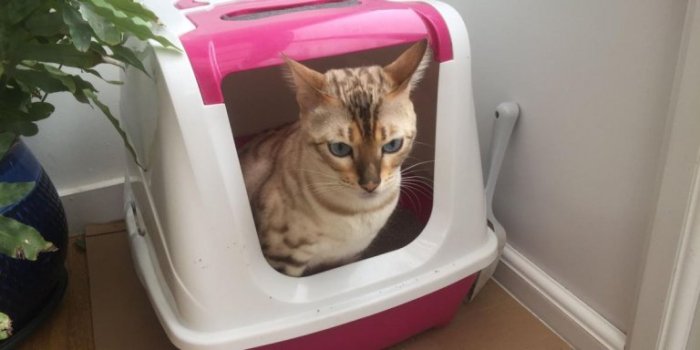
Many cat owners report that Miralax has successfully resolved their cat’s constipation, allowing them to pass stool more easily and comfortably. Veterinarians often recommend it as a first-line treatment for mild to moderate constipation.
Enhanced Quality of Life and Reduced Discomfort
Regular bowel movements are essential for a cat’s well-being. Constipation can cause discomfort, pain, and even behavioral changes. By promoting regularity, Miralax can significantly improve a cat’s quality of life.
Managing Hairballs
Constipation can exacerbate hairball problems, as hard stools make it difficult for cats to pass hairballs. By softening the stool, Miralax can help prevent hairball buildup and reduce the risk of hairball-related complications.
- Short-Term Benefits:
- Relief from straining and discomfort
- Easier passage of stool
- Reduced risk of impaction
- Long-Term Benefits:
- Improved bowel regularity
- Reduced hairball formation
- Enhanced overall health and well-being
Risks and Side Effects to Consider
While Miralax is generally considered safe for cats, it’s important to be aware of potential side effects and monitor your cat closely.
Potential Side Effects
The most common side effects of Miralax in cats are diarrhea, vomiting, and dehydration. These are usually mild and resolve on their own, but it’s important to address them promptly.
Importance of Monitoring and Dosage Adjustment
Closely monitor your cat’s response to Miralax. If you notice any adverse effects, reduce the dosage or discontinue use and consult your veterinarian.
Risks of Long-Term Use
Long-term Miralax use should be supervised by a veterinarian. While it’s generally safe, prolonged use can potentially disrupt the natural balance of the gut flora.
| Side Effect | Severity | Possible Cause | Recommended Action |
|---|---|---|---|
| Diarrhea | Mild | Dosage too high | Reduce dosage |
| Vomiting | Moderate | Possible irritation of the digestive tract | Consult veterinarian |
| Dehydration | Severe | Excessive fluid loss due to diarrhea | Immediate veterinary attention |
When to Consult a Veterinarian
Miralax isn’t always the right solution for feline constipation. It’s crucial to understand when veterinary guidance is necessary.
Situations Requiring Veterinary Guidance
Miralax should
not* be used without veterinary guidance if you suspect a bowel obstruction, if your cat has underlying medical conditions (such as kidney disease), or if the constipation is severe or persistent.
Ruling Out Other Causes
Before administering Miralax, it’s essential to rule out other potential causes of constipation, such as urinary tract problems, spinal issues, or tumors.
Signs Warrants Immediate Attention
Seek immediate veterinary attention if your cat is straining without producing stool, experiencing abdominal pain, exhibiting lethargy, or showing any other signs of distress.[Flowchart: Is my cat constipated? Should I use Miralax? When should I see a vet?](Imagine a flowchart here. Starting with “Is my cat constipated?” leading to “Yes” and “No”. “Yes” leads to “Mild straining, occasional hard stool?
Try Miralax (with vet approval).” “Yes, severe straining, no stool, abdominal pain?” leads to “See a vet immediately.” “No” leads to “Monitor and ensure adequate hydration.”)
Alternatives to Miralax for Constipated Cats
While Miralax is often effective, several alternative treatments can help relieve feline constipation.
Overview of Alternative Treatments
These include dietary changes (increasing fiber intake), stool softeners, and, in severe cases, enemas. The best approach depends on the severity and underlying cause of the constipation.
Comparing Miralax with Other Laxatives
Other laxatives, such as lactulose and mineral oil, have different mechanisms of action and potential side effects. Lactulose is another osmotic laxative, while mineral oil can interfere with nutrient absorption.
Role of Hydration
Adequate hydration is crucial for preventing and treating constipation in cats. Ensure your cat always has access to fresh, clean water.
- Dietary Changes: Increased fiber intake (pumpkin, psyllium husk)
- Medical Treatments: Stool softeners (docusate), osmotic laxatives (lactulose), stimulant laxatives (use with caution and vet guidance)
- Surgical Intervention: Rarely necessary, reserved for severe cases of obstructive constipation
Miralax and Specific Medical Conditions
Using Miralax in cats with pre-existing medical conditions requires careful consideration and veterinary supervision.
Interactions with Other Medications
Miralax can potentially interact with certain medications, such as diuretics and ACE inhibitors. Always inform your veterinarian about all medications your cat is taking.
Use in Cats with Kidney Disease
Cats with kidney disease are more susceptible to dehydration, and Miralax can exacerbate this risk. Dosage adjustments and close monitoring are essential.
Considerations for Geriatric Cats
Geriatric cats are also more prone to dehydration and may require lower doses of Miralax.
When using Miralax in cats with pre-existing medical conditions, always prioritize veterinary consultation. Dosage adjustments, close monitoring for dehydration, and consideration of potential drug interactions are crucial for ensuring safety and effectiveness.
Practical Tips for Preventing Constipation
Preventing constipation is always better than treating it. Here are some practical tips to promote healthy bowel movements in your cat.
Strategies for Promoting Healthy Bowel Movements
Provide fresh water at all times, encourage regular exercise, and feed a high-quality diet that is appropriate for your cat’s age and activity level.
Importance of Litter Box Hygiene
A clean and accessible litter box encourages cats to eliminate regularly. Scoop the litter box daily and clean it thoroughly at least once a week.
Role of Fiber
Fiber adds bulk to the stool, making it easier to pass. Good sources of fiber for cats include pumpkin puree (plain, not pie filling) and psyllium husk.
| Measure | Benefit |
|---|---|
| Fresh Water | Prevents dehydration and softens stool |
| Regular Exercise | Stimulates bowel movements |
| High-Fiber Diet | Adds bulk to stool and promotes regularity |
Wrap-Up
Ultimately, Miralax can be a valuable tool in managing feline constipation, offering relief and improving your cat’s quality of life. However, it’s vital to remember that it’s not a one-size-fits-all solution. Careful observation, appropriate dosage, and, most importantly, consultation with your veterinarian are key to ensuring your cat’s safety and well-being. By understanding the potential benefits and risks, and exploring alternative options, you can work with your vet to create a personalized plan for your cat’s digestive health.
Prevention is always better than cure, so focusing on a high-quality diet, adequate hydration, and regular exercise can go a long way in keeping your cat’s digestive system happy and healthy. Remember, a comfortable cat is a happy cat!
FAQ Summary
Can I give Miralax to a kitten?
No, Miralax should not be given to kittens without explicit veterinary guidance. Kittens have different metabolic needs and are more susceptible to dehydration. Always consult your vet first.
How long does it take for Miralax to work in cats?
It typically takes 24-72 hours to see results. If you don’t notice any improvement within three days, or if your cat’s condition worsens, contact your veterinarian.
Is Miralax safe for cats with diabetes?
It’s crucial to discuss Miralax use with your vet if your cat has diabetes. The potential impact on blood sugar levels needs to be carefully considered.
Can I use Miralax to treat hairballs?
While Miralax can soften stool and potentially help with hairball passage, it’s not a primary treatment for hairballs. Regular grooming and a hairball-control diet are more effective preventative measures.
What if my cat refuses to eat the Miralax mixture?
Try different flavors of wet food or adding a small amount of tuna juice or low-sodium chicken broth to make it more appealing. You can also try giving it in a syringe directly into the mouth, but be very careful not to aspirate.
Can I give my cat too much Miralax?
Yes, overdosage can lead to severe diarrhea and dehydration. Always follow your veterinarian’s dosage instructions precisely and monitor your cat closely.
What’s the difference between Miralax and other laxatives?
Miralax is an osmotic laxative, meaning it draws water into the colon to soften stool. Stimulant laxatives, on the other hand, stimulate the bowel muscles to contract. Miralax is generally considered gentler.