Let’s face it, getting our feline friends to drink enough water can be a challenge! For centuries, we’ve relied on simple bowls, but cats are notoriously picky about their water. The good news is, kitty water fountains offer a fantastic solution, mimicking natural water sources and encouraging hydration. From humble beginnings to today’s tech-savvy models, these fountains have evolved to cater to even the most discerning kitty palates.
We’ll explore everything from the history of providing fresh water to cats, the different types available, and how to choose the perfect one for your furry companion.




The shift from stagnant water in bowls to circulating water in fountains isn’t just a trend; it’s rooted in feline instincts. Cats are naturally drawn to moving water, remembering the fresh streams and springs of their ancestors. This instinct, combined with the often-cleaner and more appealing nature of flowing water, makes fountains a winner. You’ll find options ranging from classic ceramic designs to modern stainless steel and even automatic models, each with its own set of pros and cons.
Introduction to Kitty Water Fountains
For centuries, cats have relied on bowls of water, but the way we provide that essential resource has evolved significantly. Early methods were simple – a dish of water left out. As we learned more about feline behavior and health, we started seeking better ways to encourage hydration. The transition from static bowls to circulating water fountains represents a significant step forward in cat care, driven by a deeper understanding of what cats instinctively prefer.
This article will explore the world of kitty water fountains, covering everything from their history and different types to maintenance and choosing the right one for your feline friend.Cats are naturally drawn to moving water. In the wild, standing water can harbor bacteria and parasites, making flowing water a safer and more appealing choice. The sound of trickling water also mimics natural sources, triggering a cat’s innate desire to drink.
While some cats are perfectly content with a bowl, many will drink significantly more when presented with a fountain. Today, a wide variety of fountains are available, catering to different budgets, aesthetics, and cat preferences. These generally fall into four categories: ceramic, stainless steel, plastic, and automatic (often incorporating features of the other three).Here’s a comparison of the most common fountain materials:
| Material | Pros | Cons |
|---|---|---|
| Ceramic | Aesthetically pleasing, often available in attractive designs, doesn’t impart taste to water. | Prone to algae growth, can be more difficult to clean thoroughly, can be fragile and prone to chipping. |
| Stainless Steel | Durable, resistant to bacteria and odors, easy to clean, generally safe. | Can be noisy (depending on the model), may not be as visually appealing to some owners. |
| Plastic | Affordable, lightweight, often easy to disassemble for cleaning. | Can scratch easily, may absorb odors, potential for leaching chemicals (ensure BPA-free), less durable than other options. |
Types of Kitty Water Fountains: A Detailed Look
Ceramic Fountains
Ceramic fountains are often chosen for their aesthetic appeal. They come in a wide range of designs, from simple and modern to ornate and traditional, allowing owners to find a fountain that complements their home décor. However, the porous nature of ceramic makes them susceptible to algae growth. Regular and thorough cleaning is essential to prevent this. Disassembly is usually straightforward, but scrubbing all the nooks and crannies can be time-consuming.
Vinegar solutions are often recommended for cleaning ceramic fountains, but always rinse thoroughly to remove any residue.
Stainless Steel Fountains
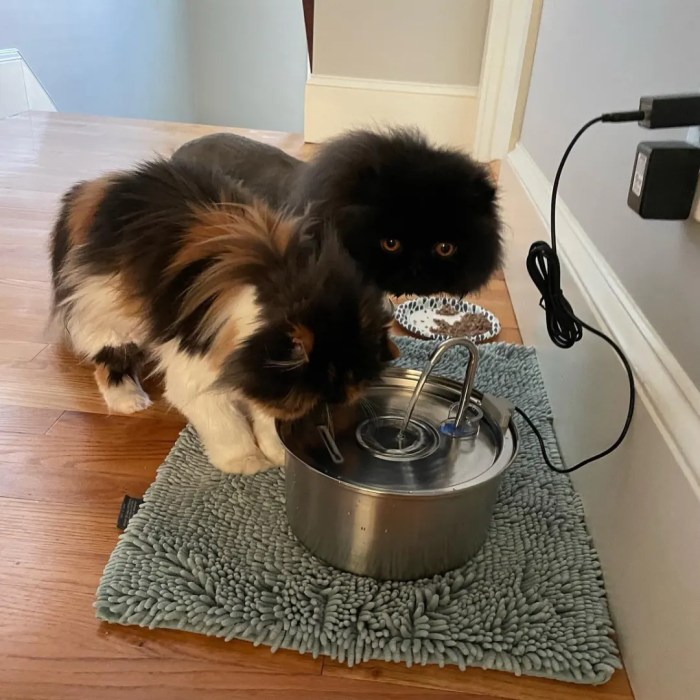
Stainless steel fountains are a popular choice due to their durability and hygienic properties. Stainless steel is non-porous, meaning it resists bacteria and odors effectively. They are also generally easy to clean – a quick rinse and scrub are usually sufficient. However, some stainless steel fountains can be noisy, particularly those with pumps that aren’t well-designed. Look for models specifically advertised as “quiet” or with features to dampen noise.
The sound can be unsettling for some cats, so it’s worth considering.
Plastic Fountains
Plastic fountains are the most affordable option, making them accessible to a wider range of cat owners. They are also lightweight and often easy to disassemble for cleaning. However, plastic is prone to scratching, which can create crevices where bacteria can hide. Furthermore, plastic can absorb odors over time, potentially affecting the taste of the water. It’s crucial to choose a fountain made from BPA-free plastic to avoid potential health concerns.
Regular replacement is often recommended for plastic fountains.To help you decide which type of fountain is right for you, consider this flowchart:
- Budget: Under $30? Consider a plastic fountain.
- Budget: $30 – $60? Look at basic stainless steel or ceramic options.
- Budget: $60+? Explore advanced stainless steel or ceramic fountains with additional features (timers, UV sterilization).
- Cat’s Preference: Does your cat prefer a gentle stream or a waterfall? Choose a fountain with adjustable flow settings.
- Household Factors: Do you have multiple cats? Consider a fountain with multiple drinking areas.
- Ease of Cleaning: How much time are you willing to dedicate to cleaning? Stainless steel is generally the easiest to clean, followed by plastic. Ceramic requires more effort.
Features and Functionality
The Importance of Filtration
Source: kittyspout.com
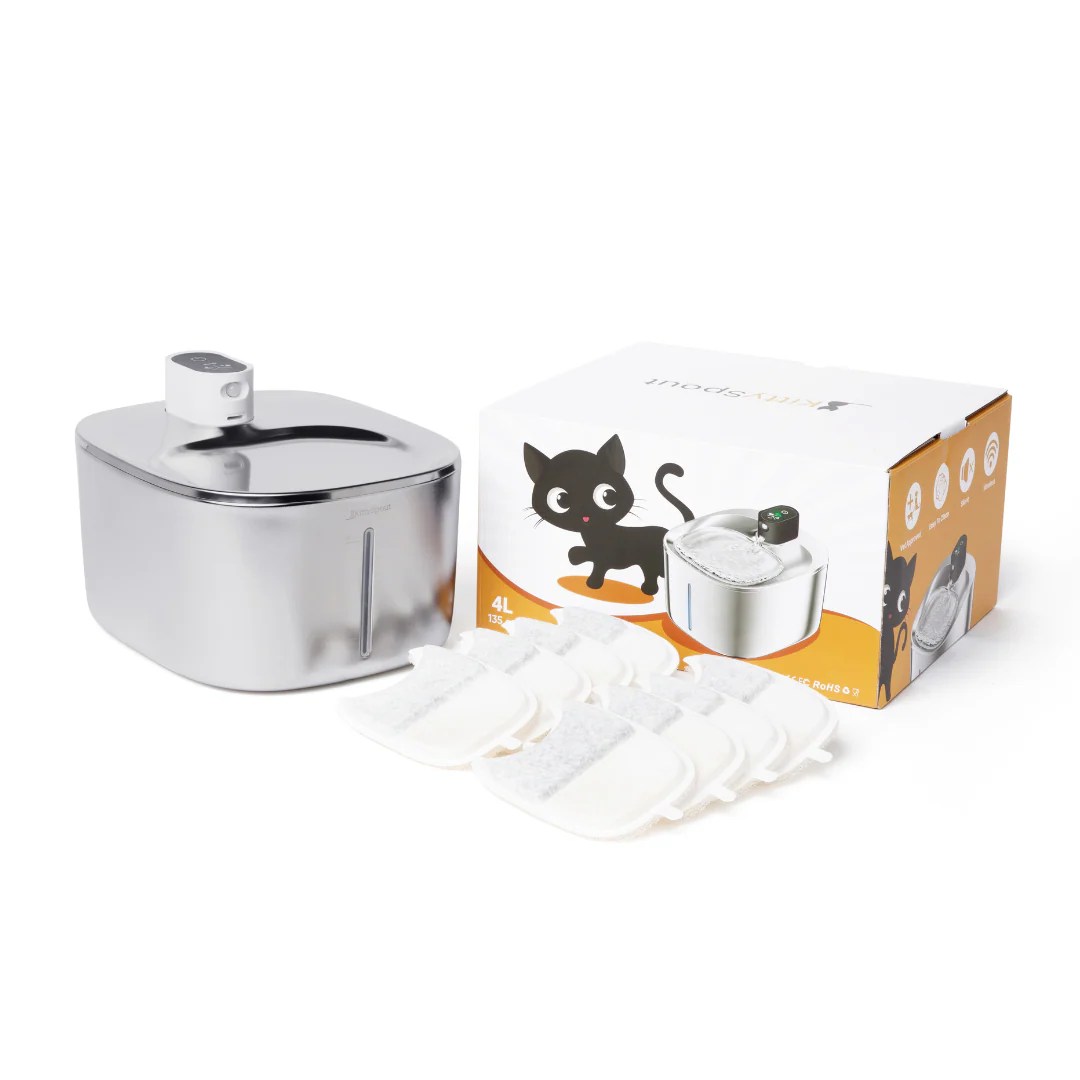
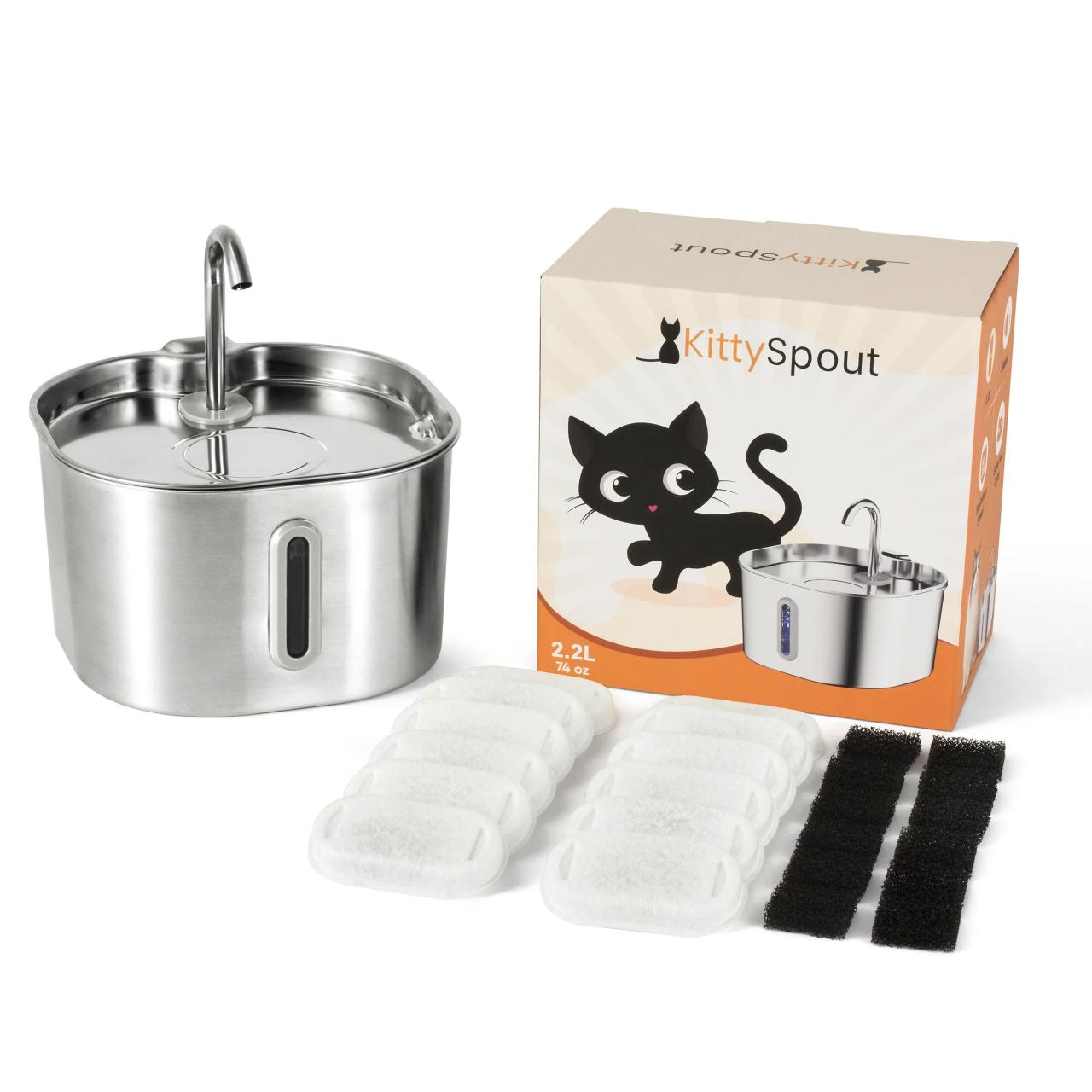
Filtration systems are a key component of most modern kitty water fountains. They remove impurities, sediment, and odors from the water, making it more appealing to cats and ensuring it’s safe to drink. Two common types of filters are carbon filters and sponge filters. Carbon filters absorb impurities and odors, while sponge filters trap larger particles and debris. Regular filter replacement is essential for maintaining optimal water quality.
Flow Settings: Catering to Cat Preferences
Different cats have different preferences when it comes to water flow. Some cats prefer a gentle stream, while others enjoy the sound and movement of a bubbling fountain or a waterfall. Many fountains offer adjustable flow settings, allowing you to customize the water flow to suit your cat’s individual preferences. Experimenting with different settings can help you find what your cat enjoys most.
Quiet Operation: Minimizing Noise
A noisy fountain can be disruptive and even stress some cats. Look for fountains specifically designed for quiet operation. Features that contribute to quietness include well-designed pumps, rubber feet to dampen vibrations, and insulated housings. Reading reviews can provide valuable insights into the noise levels of different models.Here’s a breakdown of essential features to look for:
- Must-Have: Reliable filtration system (carbon and sponge filters), easy disassembly for cleaning, quiet pump operation.
- Nice-to-Have: Adjustable flow settings, BPA-free plastic components, large water capacity (to reduce refilling frequency).
- Optional: Timer function, UV sterilization, multiple drinking areas, attractive design.
Cleaning and Maintenance
Cleaning a kitty water fountain regularly is crucial for preventing bacteria growth and ensuring your cat has access to clean, fresh water. Here’s a step-by-step guide:
- Disassembly: Disconnect the fountain from the power source and disassemble it completely, following the manufacturer’s instructions.
- Washing: Wash all removable parts (bowl, pump, filter housing) with warm, soapy water. Use a soft brush to scrub away any buildup.
- Rinsing: Rinse all parts thoroughly with clean water to remove any soap residue.
- Reassembly: Reassemble the fountain according to the manufacturer’s instructions.
- Initial Run: Run the fountain for a few minutes with clean water to flush out any remaining debris.
Filter replacement is equally important. Carbon filters typically need to be replaced every 2-4 weeks, while sponge filters should be replaced every 1-2 months. Always refer to the manufacturer’s recommendations for specific filter replacement schedules.To prevent algae and bacteria growth, consider these tips:
- Clean the fountain at least once a week.
- Use filtered water instead of tap water.
- Empty and refill the fountain with fresh water daily.
- Occasionally clean the fountain with a diluted vinegar solution (rinse thoroughly afterward).
If your fountain has a mineral buildup (scaling), you can descale it using natural cleaning agents like vinegar or lemon juice. Soak the affected parts in a solution of vinegar and water, then scrub gently.
Cat Preferences and Fountain Selection
A cat’s age, health, and personality can all influence their fountain preference. Kittens may be more playful and drawn to fountains with waterfalls or bubbling streams, while older cats may prefer a gentle, low-flow option. Cats with kidney problems may need to drink more water, so a fountain can be particularly beneficial. Timid cats may be hesitant to approach a new fountain, while playful cats may enjoy batting at the water stream.Introducing a new fountain to a cat requires patience and encouragement.
Place the fountain near their existing water bowl and let them investigate it at their own pace. You can entice them to drink by adding a small amount of their favorite wet food to the water or by gently dripping water from your finger into the fountain.Signs that a cat is enjoying their fountain include increased water intake, playful interaction with the water stream, and a general sense of contentment.
Observe your cat’s behavior to determine if the fountain is meeting their needs.Here’s a guide to matching cat personalities with fountain types:
| Personality | Fountain Type | Flow Setting | Additional Features |
|---|---|---|---|
| Playful | Stainless Steel or Ceramic with Waterfall | Moderate to High | Multiple drinking areas, interactive features |
| Timid | Ceramic or Plastic with Gentle Stream | Low | Quiet operation, placed in a quiet location |
| Picky | Stainless Steel with Adjustable Flow | Variable (experiment to find preference) | Multiple flow settings, BPA-free materials |
| Senior | Ceramic or Stainless Steel with Low Flow | Low | Easy access, shallow drinking area |
Advanced Features and Technology
Source: kittyspout.com
Some fountains offer advanced features like timers and automatic shut-off functions. Timers allow you to schedule when the fountain operates, conserving energy and preventing water stagnation. Automatic shut-off features turn off the fountain when the water level is low, preventing damage to the pump.UV sterilization is another advanced feature that uses ultraviolet light to kill bacteria and viruses in the water.
This provides an extra layer of protection and ensures the water is as clean as possible.Fountains with multiple bowls or drinking areas are ideal for households with multiple cats, ensuring everyone has access to fresh water without competition.Imagine a detailed illustration of a fountain with UV sterilization. The fountain is made of brushed stainless steel and has a sleek, modern design.
A clear, cylindrical chamber houses the UV lamp, which emits a soft blue glow. Water flows through this chamber before entering the main drinking bowl. A small LCD screen displays the water temperature and UV sterilization status. The pump is located at the base of the fountain and is encased in a rubber housing to minimize noise. The overall aesthetic is clean, functional, and visually appealing.
The lighting is soft and diffused, highlighting the stainless steel finish and the gentle flow of the water.
Troubleshooting Common Issues
Addressing common issues can extend the life of your fountain and ensure your cat continues to have access to fresh water.* Excessive Noise: Check for loose parts or debris in the pump. Ensure the fountain is placed on a stable surface. Consider replacing the pump with a quieter model.
No Water Dispensing
Check the water level. Ensure the pump is properly connected and functioning. Clean the pump filter.
Filter Clogging
Replace the filter according to the manufacturer’s recommendations. Rinse the filter before installing it.Here’s a summary of common troubleshooting steps:
No Water Flow: Check water level, pump connection, and filter for clogs.
Loud Noise: Ensure fountain is on a stable surface, check for loose parts, consider a quieter pump.
Algae Growth: Clean the fountain thoroughly, use filtered water, and replace filters regularly.
Safety Considerations
Source: ucarecdn.com
Using BPA-free materials in kitty water fountains is paramount to prevent potential health risks associated with chemical leaching. Always check the product specifications to ensure the fountain is made from BPA-free plastic.Electrical components pose a potential hazard. Ensure the fountain’s cord is in good condition and that the outlet is properly grounded. Never submerge the electrical components in water.Regularly inspect the fountain for cracks or damage.
Discard the fountain if you notice any signs of wear and tear that could compromise its safety.Here’s a checklist of safety precautions:
- Use a BPA-free fountain.
- Ensure the cord is in good condition.
- Keep electrical components dry.
- Inspect the fountain regularly for damage.
- Unplug the fountain before cleaning.
- Supervise your cat when they first use the fountain.
Cost and Value
The initial cost of kitty water fountains varies widely, ranging from $20 for a basic plastic fountain to $100 or more for advanced stainless steel or ceramic models with UV sterilization.Ongoing costs include filter replacements and electricity usage. Filter replacements typically cost $5-$15 per set, and electricity usage is relatively low, but it can add up over time.The long-term value of a fountain lies in its potential to improve your cat’s health and reduce vet bills.
Increased water intake can help prevent urinary tract infections and kidney problems, leading to a healthier and happier cat.Here’s a comparison of the total cost of ownership for three different fountain models over a one-year period:
| Model | Initial Cost | Annual Filter Cost | Annual Electricity Cost | Total Cost |
|---|---|---|---|---|
| Basic Plastic Fountain | $25 | $30 | $5 | $60 |
| Stainless Steel Fountain | $50 | $45 | $8 | $103 |
| Ceramic Fountain with UV Sterilization | $120 | $60 | $10 | $190 |
Design and Aesthetics
The design of a kitty water fountain shouldn’t be an afterthought. It can significantly enhance the overall aesthetic of your home. Consider the style of your décor and choose a fountain that complements it.Modern designs often feature clean lines and minimalist aesthetics, while rustic fountains may incorporate natural materials like wood and stone. Minimalist designs prioritize functionality and simplicity, often using neutral colors and understated details.Ultimately, the best fountain is one that is both visually appealing to you and enticing to your cat.
A fountain that blends seamlessly into your home décor can be a stylish and functional addition to your living space.Imagine these illustrations:
- Modern Apartment: A sleek, stainless steel fountain with a waterfall feature sits on a concrete countertop in a minimalist kitchen. The fountain’s clean lines and brushed finish complement the apartment’s modern aesthetic.
- Farmhouse Kitchen: A ceramic fountain with a rustic design is placed on a wooden butcher block island. The fountain’s warm tones and textured surface blend seamlessly with the farmhouse décor.
- Minimalist Living Room: A simple, white plastic fountain with a gentle stream is tucked away in a corner of the living room. Its understated design doesn’t detract from the room’s minimalist aesthetic.
Final Summary
Ultimately, investing in a kitty water fountain is an investment in your cat’s health and happiness. By understanding the different types, features, and maintenance requirements, you can create a hydration haven that your cat will love. From playful fountains with bubbling streams to quiet, efficient models, there’s a perfect fit for every cat and home. So, ditch the stagnant water and embrace the flow – your kitty will thank you for it!
Remember to prioritize safety, cleanliness, and your cat’s individual preferences when making your choice. With a little research and consideration, you can ensure your feline friend stays hydrated, healthy, and happy for years to come.
Frequently Asked Questions
How often should I clean the fountain?
A thorough cleaning (disassembly, washing) should be done weekly. Daily rinsing of the bowl is a good habit too!
What kind of filter does my fountain need?
Most fountains use a combination of a sponge filter and a carbon filter. Check your fountain’s manual for specific recommendations.
Can I use tap water in the fountain?
While you
-can*, filtered water is generally better. Tap water can contain chlorine and other chemicals that some cats find unappealing. Let tap water sit out for 24 hours to allow chlorine to evaporate.
My cat won’t use the fountain – what should I do?
Try moving the fountain to a different location, using a different flow setting, or adding a small amount of tuna juice to entice them. Patience is key!
Are all plastic fountains safe for cats?
Always ensure the fountain is made from BPA-free plastic to avoid potential health concerns.
How long do filters typically last?
Sponge filters usually need replacing every 2-4 weeks, while carbon filters last around 1-3 months. It depends on usage and water quality.