More and more cat owners are realizing that indoor life isn’t always enough for their feline friends. The desire to provide enrichment and safe outdoor exploration has led to a surge in popularity for cat harnesses. We’re seeing a real shift – cats used to be strictly indoor companions, but now many owners want to give them supervised adventures while keeping them secure.
I remember when my own cat, Leo, was terrified of even a carrier, but with patience and a good harness, he now enjoys short, supervised walks in the garden – it’s been a game changer for his happiness!
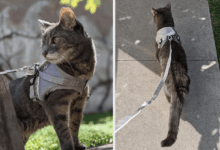
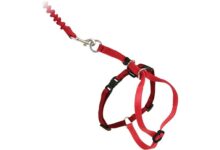
This guide dives deep into everything you need to know about cat harnesses, from the different types and materials to proper sizing and training. We’ll explore what makes a harness truly “best rated,” considering factors like escape-proofing, comfort, durability, and user reviews. Ultimately, we want to help you find the perfect harness to ensure your cat’s safety and enjoyment on their outdoor escapades.
Introduction: The Rise of Cat Harnesses
For years, cats were largely considered indoor companions. But times are changing! More and more cat owners are recognizing the benefits of supervised outdoor time for their feline friends – providing enrichment, exercise, and a chance to explore the world beyond the window. This shift has fueled a significant rise in the popularity of cat harnesses, moving them from a niche product to a mainstream essential for responsible cat ownership.
It’s no longer just about keeping your cat safe; it’s about enriching their lives.
Statistics paint a clear picture. According to the American Veterinary Medical Association, there are over 47 million households in the US that own cats. A recent survey by the Pet Gear Lab showed that 68% of cat owners are interested in providing their cats with outdoor access, but are concerned about safety. This desire, coupled with advancements in harness design, has created a booming market.
We’re seeing a move away from the purely indoor cat lifestyle, with owners actively seeking ways to provide their cats with controlled outdoor experiences, and a well-fitting, secure harness is the key to making that happen.
I remember when my own cat, Jasper, was constantly pawing at the windows, clearly yearning for something more than indoor life. Initially, I was hesitant about letting him outside. The risks felt overwhelming. But after researching different harness options and slowly introducing him to the idea, we started with short, supervised sessions in our backyard. It was a game-changer for him – and for me! Seeing him confidently explore, sniff the grass, and chase butterflies was incredibly rewarding.
It solidified my belief in the power of a good harness to provide both safety and enrichment.
Types of Cat Harnesses: A Comprehensive Overview
Choosing the right cat harness can feel overwhelming with so many options available. Understanding the different types and their specific features is crucial for ensuring your cat’s comfort and safety. Each design caters to different cat personalities and owner preferences, so let’s break down the most common types.
Escape-Proof Harnesses
Escape-proof harnesses are designed with multiple secure points and robust closures to prevent even the most determined escape artists from slipping free. These harnesses often feature a figure-eight or criss-cross design, creating a snug and secure fit that’s difficult to manipulate. The construction typically involves durable nylon webbing, reinforced stitching, and heavy-duty buckles. The benefit is obvious: peace of mind knowing your cat is less likely to bolt into traffic or disappear into the neighborhood.
They are particularly useful for cats who are known to be clever and agile.
Vest-Style Harnesses
Vest-style harnesses are known for their comfort and even weight distribution. Unlike traditional harnesses that can put pressure on a cat’s neck and shoulders, vest harnesses distribute the pressure across the cat’s chest, minimizing discomfort. They often feature a padded interior and adjustable straps for a customized fit. The wider design also provides a degree of protection against scrapes and minor injuries.
These are a great choice for cats who are sensitive to pressure or who spend extended periods wearing a harness.
Traditional H-Style Harnesses
The H-style harness is a classic design, characterized by two straps that form an “H” shape around the cat’s body. They are generally lightweight and easy to put on and take off, making them a popular choice for cats who don’t enjoy wearing restrictive gear. However, they can be less secure than other types, particularly for cats who are skilled at backing out of harnesses.
They are best suited for calmer cats or those who are being closely supervised. For larger cats, the straps can sometimes slip or become uncomfortable if not properly adjusted.
| Harness Type | Description |
|---|---|
| Escape-Proof | Multiple secure points, figure-eight design, durable construction for maximum security. |
| Vest-Style | Distributes weight evenly, padded interior, comfortable for extended wear. |
| H-Style | Classic design, lightweight, easy to use, but potentially less secure. |
Materials Matter: Durability and Comfort
The materials used in a cat harness significantly impact its durability, comfort, and overall safety. Choosing the right materials is just as important as selecting the right design. Let’s explore the pros and cons of common harness materials and hardware.
Nylon, Polyester, and Mesh
Nylon and polyester are popular choices for harness webbing due to their strength and abrasion resistance. Nylon is generally more durable and elastic than polyester, making it slightly more comfortable for cats. However, both can be prone to fraying over time. Mesh materials are often used in vest-style harnesses for breathability and comfort, especially in warmer climates. While mesh is lightweight and allows for airflow, it can be less durable than nylon or polyester and may be susceptible to snagging or tearing.
Hardware: Buckles and D-Rings
The quality of the hardware – buckles and D-rings – is critical for harness safety. Cheaply made buckles can break under pressure, potentially leading to your cat escaping. D-rings should be securely attached and made of stainless steel or a similar durable material to prevent rusting and breakage. Look for harnesses with reinforced stitching around the hardware to further enhance their durability.
Breathability and Climate Considerations
Breathable materials are essential, particularly if you live in a warm climate. Overheating can be a serious concern for cats, so choosing a harness with mesh panels or breathable webbing can help regulate their temperature. Reflective stitching is another valuable feature, increasing visibility during evening walks and enhancing safety.
Premium harnesses often incorporate innovative materials like padded edges made from soft fleece or neoprene, providing extra comfort and preventing chafing. Some harnesses also feature water-resistant coatings to keep your cat dry during light rain.
Sizing and Fit: Ensuring a Secure and Comfortable Experience
A poorly fitted harness can be uncomfortable, restrictive, and even dangerous. It’s crucial to accurately measure your cat and choose a harness that provides a snug but not restrictive fit. Here’s a step-by-step guide to ensure a proper fit.
Measuring Your Cat
Use a soft measuring tape to measure your cat’s chest girth (around the widest part of their chest, just behind their front legs) and neck girth (around the base of their neck). It’s best to have someone assist you to keep your cat calm and still during the measurement process. Don’t pull the tape too tight, but ensure it’s snug enough to get an accurate reading.
Round up to the nearest inch if your cat’s measurements fall between sizes.
Identifying a Properly Fitted Harness
A properly fitted harness should be snug enough that your cat can’t easily slip out, but loose enough that it doesn’t restrict their movement or breathing. You should be able to comfortably fit two fingers between the harness and your cat’s body. The harness shouldn’t rub or chafe their skin, and the straps shouldn’t dig into their armpits.
Common Fitting Mistakes
A common mistake is choosing a harness that’s too small, which can restrict movement and cause discomfort. Conversely, a harness that’s too large can easily slip off. Another mistake is not adjusting the straps properly. Always double-check the fit after adjusting the straps to ensure a secure and comfortable fit.
| Size | Chest Girth Range (inches) | Neck Girth Range (inches) |
|---|---|---|
| Small | 11-14 | 8-10 |
| Medium | 14-18 | 10-12 |
| Large | 18-22 | 12-14 |
Top Rated Harnesses: Features and Benefits
The market is flooded with cat harnesses, but some consistently receive high praise from owners and reviewers. Let’s highlight a few top-rated options and their standout features.
Escape-Proof Harness: Rabbitgoo Cat Harness
The Rabbitgoo Cat Harness is frequently lauded for its exceptional escape-proof design. It features a secure figure-eight design with four adjustable straps and two sturdy locking buckles. The adjustable straps allow for a customized fit, and the locking mechanisms prevent cats from backing out of the harness. Many owners report that this harness has successfully prevented their cats from escaping, even those known for their agility.
Vest-Style Harness: Pupteck Cat Harness
The Pupteck Cat Harness is a popular choice for its comfort and breathability. It features a soft, padded vest design with breathable mesh panels, making it ideal for warmer weather. The adjustable straps and secure Velcro closures ensure a snug and comfortable fit. Owners appreciate the even weight distribution and the reduced pressure on their cat’s neck and shoulders.
H-Style Harness: PetSafe Come With Me Kitty Harness
The PetSafe Come With Me Kitty Harness is a well-regarded H-style harness known for its ease of use and adjustability. It features a front-clip design that discourages pulling and a comfortable, padded neck strap. The adjustable straps allow for a customized fit, and the quick-release buckles make it easy to put on and take off. It’s a good option for cats who are new to harness training.
Harness with Integrated Features: Voyager Step-in Harness
The Voyager Step-in Harness stands out for its integrated leash attachment points and reflective elements. It features two D-rings for attaching a leash and reflective stitching for increased visibility in low-light conditions. The step-in design makes it easy to put on and take off, and the padded interior provides added comfort.
User Reviews and Ratings: What Owners Are Saying
User reviews and ratings provide valuable insights into the real-world performance of cat harnesses. Analyzing these reviews can help you make an informed decision and avoid potential pitfalls.
Common Positive Feedback Themes
Recurring positive themes in user reviews include escape prevention, comfort, and durability. Many owners praise harnesses that have successfully prevented their cats from escaping, while others highlight the comfort and breathability of vest-style harnesses. Durability is another common theme, with owners reporting that their harnesses have held up well to repeated use and wear.
Recurring Negative Feedback Themes
Sizing issues and material durability concerns are the most common negative feedback themes. Some owners report that harnesses run small or large, while others have experienced fraying or tearing of the webbing. It’s important to carefully read reviews and pay attention to sizing recommendations before making a purchase.
Interpreting Star Ratings and Written Reviews
Star ratings provide a quick overview of overall satisfaction, but written reviews offer more detailed insights. Pay attention to the specific comments and experiences shared by other owners. Look for reviews that address your specific concerns, such as escape prevention or comfort for sensitive cats. Consider the reviewer’s cat’s size and personality, as these factors can influence the harness’s performance.
“My cat Houdini is notorious for escaping everything! But this harness has been a lifesaver. He can’t wiggle his way out, and he seems surprisingly comfortable in it. Highly recommend for escape artists!”
Sarah M.
Training Your Cat to Wear a Harness
Introducing a harness to a cat requires patience and a gradual approach. Rushing the process can lead to stress and resistance. Here’s a phased approach to help your cat adjust to wearing a harness.
Phased Introduction
Start by simply letting your cat sniff and investigate the harness. Leave it near their favorite resting spot for a few days. Next, briefly put the harness on your cat for a few minutes at a time, gradually increasing the duration as they become more comfortable. Reward them with treats and praise during each session.
Positive Reinforcement
Positive reinforcement is key to successful harness training. Use high-value treats, praise, and gentle petting to reward your cat for cooperating. Avoid forcing the harness on them or punishing them for resisting. Keep the sessions short and positive.
Gradual Outdoor Exploration
Once your cat is comfortable wearing the harness indoors, start with short, supervised sessions in a secure outdoor area, such as a fenced yard or balcony. Gradually increase the duration of the outdoor excursions as your cat becomes more confident. Always keep them on a leash and under close supervision.
Troubleshooting Resistance
If your cat resists wearing the harness, try different approaches. Some cats prefer a step-in harness, while others prefer a vest-style harness. You can also try rubbing catnip on the harness to make it more appealing. If your cat continues to resist, consult with a veterinarian or certified cat behaviorist.
Safety Considerations: Protecting Your Feline Friend
Outdoor excursions with your cat require careful planning and attention to safety. Here’s what you need to know to protect your feline friend.
Secure Leash Attachment Point
Always use a secure leash attachment point, such as a sturdy D-ring on the harness. Avoid using collars for leash walking, as they can easily slip off or cause injury if your cat pulls.
Potential Hazards
Be aware of potential hazards during outdoor excursions, such as traffic, predators (dogs, coyotes), poisonous plants, and parasites. Choose a safe walking route away from busy roads and potential dangers.
Safe Walking Route
Select a walking route that is relatively quiet and free of distractions. Avoid areas with heavy traffic or a lot of people. Consider walking in grassy areas or parks where your cat can explore and sniff around.
Recognizing Signs of Stress
Pay attention to your cat’s body language for signs of stress or discomfort. These may include flattened ears, dilated pupils, excessive panting, hiding, or attempts to remove the harness. If your cat shows signs of stress, immediately return indoors and reassess the situation.
Harness Maintenance and Care
Proper maintenance and care will extend the lifespan of your cat’s harness and ensure its continued safety and effectiveness.
Cleaning Instructions
Cleaning methods vary depending on the harness material. Nylon and polyester harnesses can typically be hand-washed with mild soap and water. Mesh harnesses may require a gentle cycle in a washing machine. Always check the manufacturer’s instructions before cleaning.
Inspecting for Wear and Tear
Regularly inspect the harness for signs of wear and tear, such as frayed webbing, loose stitching, or damaged buckles. Replace the harness immediately if you notice any significant damage.
Proper Storage
When not in use, store the harness in a cool, dry place away from direct sunlight. Avoid storing it in a damp or humid environment, as this can damage the materials.
Extending Lifespan
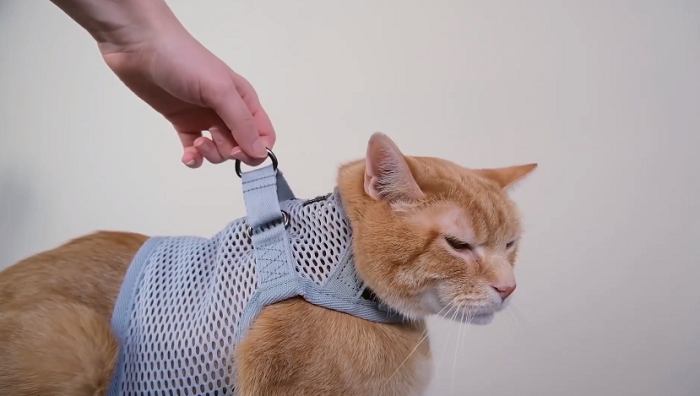
Source: cats.com
To extend the lifespan of your cat’s harness, avoid exposing it to harsh chemicals or extreme temperatures. Regularly clean the harness and inspect it for wear and tear. Properly storing the harness when not in use will also help preserve its quality.
Budget-Friendly Options vs. Premium Investments
Cat harnesses range in price from affordable to premium, each offering different features and benefits. Understanding the trade-offs between price and quality is essential for making the right choice for your cat.
Comparing Features and Benefits
Affordable cat harnesses typically feature basic designs and materials, such as nylon webbing and plastic buckles. They may lack advanced features like padded edges or reflective stitching. Premium harnesses, on the other hand, often incorporate higher-quality materials, reinforced stitching, and innovative features like escape-proof designs and breathable mesh panels.
Long-Term Value
Investing in a durable, well-fitting harness can be a worthwhile investment in the long run. A higher-quality harness is less likely to break or wear out quickly, saving you money on replacements. It also provides greater peace of mind knowing your cat is safe and secure.
Price vs. Quality Trade-offs
While it’s tempting to opt for the cheapest option, it’s important to consider the potential risks of a poorly made harness. A cheap harness may be uncomfortable, unsafe, or prone to breakage. Conversely, a premium harness may offer features that you don’t need or that your cat won’t appreciate.
| Price Range | Key Features & Considerations |
|---|---|
| Under $20 | Basic designs, nylon webbing, plastic buckles, limited adjustability. Suitable for calmer cats or short, supervised outings. |
| $20 – $40 | Improved adjustability, padded straps, more durable materials. A good balance of price and quality for most cats. |
| $40+ | Escape-proof designs, breathable mesh panels, reflective stitching, premium materials. Ideal for escape artists or cats who spend extended periods wearing a harness. |
Final Wrap-Up
Choosing the right cat harness is an investment in your cat’s well-being and your peace of mind. We’ve covered a lot of ground, from understanding the various harness types and materials to mastering the training process and prioritizing safety. Remember that a well-fitting, durable harness, combined with gradual introduction and positive reinforcement, can unlock a whole new world of enrichment for your feline companion.
Don’t rush the process, and always prioritize your cat’s comfort and safety above all else – happy exploring!
FAQ Compilation
How do I know if a harness is the right size?
Accurate measurement is key! Use a soft measuring tape to measure your cat’s chest and neck girth. Refer to a sizing chart (we’ve included one!) and choose a harness that fits snugly but allows two fingers to slide comfortably between the harness and your cat’s body.
What’s the difference between an escape-proof and a regular harness?
Escape-proof harnesses typically feature secure locking mechanisms, multiple adjustment points, and often a more complex design to prevent cats from slipping out. Regular harnesses might have simpler buckles and less robust construction.
Can I use a harness for a kitten?
Yes, but start very slowly! Kittens are even more sensitive to new experiences. Introduce the harness gradually with lots of positive reinforcement and keep initial wear times short.
My cat hates wearing a harness – what can I do?
Patience is crucial! Start by letting your cat sniff and investigate the harness. Then, put it on for very short periods indoors, rewarding them with treats and praise. Gradually increase the wear time as they become more comfortable.
How often should I clean my cat’s harness?
Clean the harness regularly, especially after outdoor adventures. Most harnesses can be hand-washed with mild soap and water. Always check the manufacturer’s instructions for specific cleaning recommendations.
Are reflective harnesses worth the extra cost?
Absolutely! Reflective stitching or elements significantly increase your cat’s visibility during evening or low-light walks, enhancing their safety.

