Finding the Perfect Comfortable Cat Harness for Happy Adventures

More and more cat owners are recognizing the benefits of enriching their feline friends’ lives with safe outdoor experiences. But traditional cat harnesses often prioritize security over comfort, leaving our kitties feeling restricted and unhappy. This guide dives deep into what makes a comfortable cat harness, exploring materials, design, fit, and training techniques to ensure your cat enjoys exploring the great outdoors without discomfort or stress.
We’ll break down different harness types, discuss the importance of proper sizing, and offer practical tips for introducing your cat to wearing a harness. From breathable fabrics to escape-proof designs, we’ll cover everything you need to know to choose the best harness for your cat’s individual needs and personality, making outdoor adventures a positive experience for both of you.
Introduction to Comfortable Cat Harnesses
Let’s be honest, cats are notoriously independent. But as our understanding of feline enrichment grows, so does the desire to safely introduce them to the outdoors. More and more cat owners are recognizing the benefits of supervised outdoor time – fresh air, sunshine, mental stimulation, and a chance to explore. However, traditional cat harnesses often fall short, prioritizing security over comfort, leading to stressed-out kitties and frustrated owners.
This guide dives deep into what makes a cat harness truly comfortable, covering everything from materials and design to proper fit and acclimation.
Traditional harnesses, often made from stiff materials and featuring restrictive designs, can be incredibly uncomfortable for cats. They might rub against sensitive areas, limit natural movement, or simply feel overwhelming. A comfortable harness, from a feline perspective, is one that allows for a full range of motion, doesn’t cause pressure points or irritation, and is lightweight enough to not feel burdensome.
It’s about finding a balance between security and freedom, allowing your cat to enjoy the outdoors without feeling trapped or stressed.
Comparing Harness Types: Comfort Levels
Choosing the right harness type is the first step towards ensuring your cat’s comfort. Different designs offer varying levels of security and freedom. Here’s a breakdown to help you decide:
| Harness Type | Comfort Level (1-5 scale, 5 being most comfortable) | Pros & Cons |
|---|---|---|
| Vest Harness | 4 | Pros: Even weight distribution, good for anxious cats, often escape-proof, covers more of the cat’s body. Cons: Can be bulky, may restrict movement slightly for very active cats. |
| Figure-8 Harness | 2 | Pros: Lightweight, simple design. Cons: Can cause chafing, less secure than vest harnesses, prone to escape. |
| Step-In Harness | 3 | Pros: Easy to put on, generally comfortable if fitted correctly. Cons: Can be tricky to get on, may not be secure for all cats. |
Materials & Construction: Impact on Comfort
The materials used in a cat harness play a crucial role in its comfort. A harness made from the wrong materials can cause irritation, overheating, and discomfort, quickly turning a pleasant outdoor experience into a stressful one for your feline friend. Careful consideration of fabric, padding, and construction is essential.
Breathable fabrics like mesh and soft cotton are key to preventing overheating and allowing air circulation. Mesh, in particular, allows for excellent ventilation, while cotton offers a soft, gentle feel against the cat’s fur. Padding and cushioning are equally important, strategically placed to reduce pressure points around the chest, shoulders, and neck. Look for harnesses with ample padding in these areas, especially if your cat is prone to sensitivity.
Certain materials should be avoided altogether. Stiff nylon can rub against the skin and cause irritation, while rough edges can create painful pressure points. Avoid harnesses with plastic buckles or hardware that aren’t smooth and rounded, as these can snag on fur and cause discomfort. The ideal harness material feels like a second skin – soft, flexible, and breathable. Imagine a lightweight, finely woven mesh, lined with a layer of plush, moisture-wicking cotton.
It should gently conform to the cat’s body, allowing for unrestricted movement without feeling constricting. The texture should be smooth and non-abrasive, feeling cool and comfortable against the fur, even in warm weather. Durability is also key; the material should be able to withstand regular use and washing without losing its shape or softness.
Harness Design Features for Optimal Comfort
Beyond the materials, the design of the harness significantly impacts its comfort. A well-designed harness takes into account a cat’s anatomy and natural movement patterns, ensuring a secure and comfortable fit. Small details can make a big difference in your cat’s overall experience.
Adjustable straps are absolutely essential for achieving a snug, comfortable fit. They allow you to customize the harness to your cat’s unique body shape and size, preventing it from being too loose or too tight. A well-placed belly strap is crucial for preventing slipping. It should sit comfortably around the cat’s abdomen, providing extra security without restricting movement. Contoured designs, which follow the cat’s body shape, are also preferable to boxy or rigid designs.
These harnesses distribute pressure more evenly and allow for a greater range of motion.
Consider this diagram illustrating proper harness placement: Imagine a cat standing naturally. The harness should sit comfortably across the chest and shoulders, with the belly strap positioned just below the rib cage. Avoid placing the harness too high on the neck, as this can restrict breathing and cause discomfort. The straps should be snug enough to prevent slipping, but loose enough to allow for a full range of motion.
Allowing natural movement is paramount. A comfortable harness shouldn’t impede your cat’s ability to stretch, groom, or explore their surroundings.
Sizing & Fit: Ensuring a Snug, Not Tight, Experience
Getting the right size harness is just as important as choosing the right design and materials. A poorly fitted harness can be uncomfortable, insecure, and even dangerous. Accurate measurements are the foundation of a good fit.
To measure your cat for a harness, use a soft measuring tape. First, measure the chest girth – the circumference of the chest just behind the front legs. Then, measure the neck circumference – the circumference of the neck where the collar would sit. It’s important to allow for a “wiggle room” when choosing a harness size. The harness should be snug enough to prevent slipping, but loose enough to allow for comfortable movement.
Avoid harnesses that are too tight, as these can restrict breathing and cause discomfort. Common fitting mistakes include relying on weight estimates instead of actual measurements, and choosing a harness that is too small or too large.
| Breed | Chest Girth Range (inches) | Neck Circumference Range (inches) | Recommended Harness Size |
|---|---|---|---|
| Siamese | 10-14 | 8-12 | Small to Medium |
| Maine Coon | 18-24 | 14-18 | Large to Extra Large |
| Persian | 12-18 | 10-14 | Medium to Large |
Types of Comfortable Cat Harnesses: Deep Dive
We’ve touched on the different harness types, but let’s delve deeper into their specific comfort aspects and suitability for various cat personalities. Each type has its own strengths and weaknesses, and the best choice depends on your cat’s individual needs and temperament.
Vest harnesses offer the most even weight distribution and are often the most comfortable option for anxious cats. The larger surface area helps to prevent pressure points and provides a sense of security. Figure-8 harnesses are lightweight and simple, but they can be prone to chafing and are less secure. Step-in harnesses are easy to put on, but may not be suitable for all cats.
For anxious cats, a vest harness is generally the best choice due to its secure fit and even weight distribution. Adventurous cats might benefit from a step-in harness for its ease of use, allowing for quick outdoor excursions. Escape-proof designs, regardless of the harness type, typically incorporate features like multiple adjustment points, secure buckles, and a snug fit. These designs prioritize security without sacrificing comfort by distributing pressure evenly and preventing chafing.
Consider this scenario: A cat with a sensitive chest might find a figure-8 harness uncomfortable due to the pressure it places on that area. In this case, a vest harness would be a preferable option, as it distributes the weight more evenly and avoids direct pressure on the chest. The extra coverage also provides a sense of security, which can be particularly beneficial for cats who are nervous about being outdoors.
Acclimation & Training: Introducing the Harness Gradually
Even the most comfortable harness won’t be enjoyable if your cat resists wearing it. A gradual acclimation process is key to ensuring a positive experience. Rushing the process can lead to stress and anxiety, making your cat even more reluctant to wear the harness in the future.
Start by simply letting your cat sniff and investigate the harness. Leave it out in a familiar area where they spend time. Next, try putting the harness on for just a few minutes at a time, gradually increasing the duration as your cat becomes more comfortable. Always use positive reinforcement – treats, praise, and gentle petting – to reward your cat for cooperating.
If your cat resists wearing the harness, don’t force it. Take a break and try again later. Strategies for dealing with resistant cats include distracting them with toys or treats while putting on the harness, and associating the harness with positive experiences, such as playtime or mealtime.
Here’s a timeline for harness acclimation: Week 1: Introduce the harness and let your cat sniff it. Week 2: Put the harness on for a few minutes at a time, rewarding with treats. Week 3: Gradually increase the duration of harness wear. Week 4: Short supervised outdoor excursions in a safe, enclosed area. Potential challenges include anxiety, resistance to wearing the harness, and escape attempts.
Patience and consistency are key to overcoming these challenges.
Safety Considerations Beyond Comfort
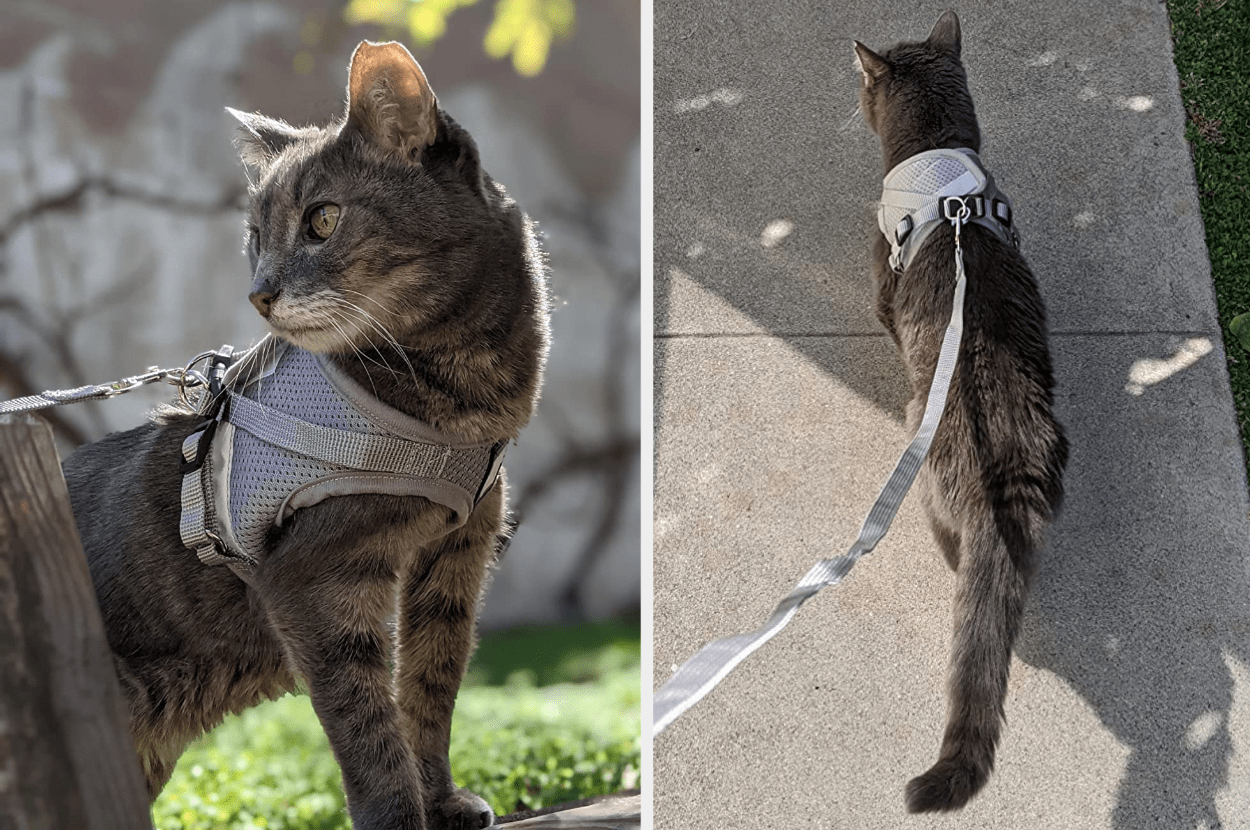
Source: buzzfeed.com
While comfort is paramount, safety should always be the top priority. A comfortable harness is only truly effective if it also provides adequate protection and security.
Reflective elements are essential for visibility during nighttime walks. Look for harnesses with reflective strips or panels that can be seen by cars and other pedestrians. A secure leash attachment point is also crucial. It should be strong and durable, capable of withstanding sudden pulls and jerks. Potential hazards to watch out for during outdoor excursions include traffic, dogs, and other animals.
Always be aware of your surroundings and keep your cat on a short leash. Regularly check the harness for wear and tear, paying close attention to the straps, buckles, and attachment points. Replace the harness if you notice any signs of damage.
Specific Needs: Harnesses for Cats with Medical Conditions
Cats with certain medical conditions may require specialized harnesses to ensure their comfort and safety. Addressing these specific needs is crucial for a positive outdoor experience.
Cats with sensitive skin or allergies may benefit from harnesses made from hypoallergenic materials, such as organic cotton or bamboo. Harness options for cats with mobility issues or injuries should provide ample support and minimize pressure on affected areas. Features to look for in a harness for cats recovering from surgery include adjustable straps, soft padding, and a secure fit that prevents movement.
A harness specifically tailored for a cat with arthritis should emphasize support and minimal pressure. It should be lightweight, with wide, padded straps that distribute weight evenly and avoid putting pressure on sensitive joints. The harness should also allow for a full range of motion, preventing any restriction that could exacerbate the cat’s discomfort.
Cleaning & Maintenance: Preserving Comfort and Hygiene
Regular cleaning and maintenance are essential for preserving the comfort and hygiene of your cat’s harness. A dirty or damaged harness can be uncomfortable and even pose a safety risk.
Cleaning methods vary depending on the harness material. Mesh harnesses can typically be hand-washed with mild soap and water. Cotton harnesses can be machine-washed on a gentle cycle. Always check the manufacturer’s instructions before cleaning. Regularly inspect the harness for damage, paying close attention to the straps, buckles, and attachment points.
Properly store the harness when not in use, away from direct sunlight and moisture. Here’s a checklist for routine harness maintenance: Weekly: Inspect for damage and clean as needed. Monthly: Deep clean the harness. Every 6 Months: Replace worn or damaged parts.
Advanced Features & Innovations in Comfortable Harnesses
The cat harness market is constantly evolving, with new features and innovations emerging to enhance both comfort and safety. Manufacturers are responding to the growing demand for high-quality, functional harnesses that cater to the unique needs of feline companions.
We’re seeing the emergence of harnesses with integrated pouches for treats or waste bags, providing added convenience for owners. Harnesses with built-in GPS tracking capabilities offer peace of mind, allowing owners to locate their cats if they escape. Potential future innovations in cat harness design could focus on incorporating smart fabrics that regulate temperature, or self-adjusting straps that automatically conform to the cat’s body shape.
Imagine a “smart” harness that monitors a cat’s vital signs during outdoor excursions – heart rate, respiration, and body temperature – providing valuable data to owners and veterinarians. This harness could also incorporate sensors to detect potential hazards, such as approaching vehicles or aggressive animals, alerting the owner to take appropriate action.
End of Discussion
Ultimately, a comfortable cat harness isn’t just about preventing escapes; it’s about fostering a positive association with the outdoors and strengthening the bond with your cat. By carefully considering materials, design, fit, and acclimation techniques, you can create a safe and enjoyable experience for your feline companion. With the right harness and a little patience, your cat can safely explore the world beyond your windows, enriching their life and bringing you countless moments of joy.
Remember to prioritize your cat’s comfort and well-being above all else, and always supervise them during outdoor excursions. Happy exploring!
Query Resolution
How often should I check my cat’s harness for wear and tear?
Inspect the harness before
-every* outdoor use. Look for loose threads, cracks, or any signs of damage. Regular checks can prevent accidents and ensure your cat’s safety.
Can I use a harness on a kitten?
Yes, but it’s crucial to choose a harness specifically designed for kittens, with adjustable straps and lightweight materials. Introduce it slowly and always supervise them.
My cat hates the harness! What can I do?
Patience is key. Start by letting your cat sniff and explore the harness indoors. Reward them with treats and praise for positive interactions. Gradually increase the time they wear it, always keeping sessions short and positive.
Are reflective harnesses really necessary?
Absolutely! Reflective elements significantly improve visibility during nighttime walks, making your cat safer from cars and other hazards.
What’s the difference between a figure-8 harness and a vest harness in terms of security?
Vest harnesses generally offer more security as they distribute pressure across a larger area of the cat’s body, making it harder for them to slip out. Figure-8 harnesses can be more prone to escape if not fitted properly.
Can I wash my cat’s harness?
Most harnesses are machine washable, but always check the manufacturer’s instructions first. Use a mild detergent and air dry.
