Shrimp – those tiny, pink crustaceans – are a popular seafood enjoyed by humans worldwide. But have you ever wondered if your feline friend could also benefit from a taste? The question of whether cats can eat shrimps is more complex than a simple yes or no. While shrimp offers some appealing nutritional benefits, there are also potential risks and considerations to keep in mind.
This guide dives deep into everything you need to know about safely sharing this tasty treat with your cat, from nutritional value to potential allergies and proper preparation.

We’ll explore the nutritional powerhouse that shrimp can be, detailing the essential proteins, omega-3s, and minerals it provides. However, we’ll also address the crucial safety concerns surrounding raw shrimp and potential contaminants. Plus, we’ll cover portion sizes, allergy signs, and alternative seafood options to ensure your cat enjoys a healthy and delicious experience.
Can Cats Eat Shrimp? A Comprehensive Guide for Cat Owners
Shrimp – those little crustaceans we love to enjoy with cocktail sauce – might have you wondering if your feline friend can share in the treat. The short answer is, yes, catscan* eat shrimp, but there’s a lot more to consider than just tossing them a peeled shrimp. This guide will delve into the nutritional benefits, potential risks, and best practices for safely incorporating shrimp into your cat’s diet.
We’ll cover everything from cooking methods to portion sizes, ensuring you can make informed decisions about your cat’s seafood indulgence.Feeding your cat a varied diet is key to their overall health and happiness. While commercial cat food provides a solid foundation, occasional treats can add excitement and potentially offer additional nutrients. Let’s explore whether shrimp fits the bill.
Nutritional Value of Shrimp for Cats
Shrimp isn’t just a tasty snack; it’s packed with nutrients that can benefit your cat’s health. The primary nutrients found in shrimp include protein, omega-3 fatty acids, and essential minerals like iodine and selenium. Protein is crucial for building and repairing tissues, while omega-3s contribute to a healthy coat and skin, and support brain function. Iodine is vital for thyroid health, and selenium acts as an antioxidant, protecting cells from damage.Typically, cooked shrimp contains approximately 20-25% protein, 1-2% fat, and less than 1% carbohydrates.
These numbers can vary slightly depending on the shrimp species and cooking method. The high protein content makes it a valuable addition to a cat’s diet, especially for those needing extra support for muscle development or recovery.These nutrients contribute to a cat’s overall well-being by supporting healthy growth, maintaining a shiny coat, boosting the immune system, and promoting optimal organ function.
A balanced diet, including occasional treats like shrimp, can help your cat live a longer, healthier life.
| Nutrient | Shrimp (Cooked) | Chicken (Cooked) | Fish (Cooked – Salmon) |
|---|---|---|---|
| Protein | 20-25% | 25-30% | 20-22% |
| Fat | 1-2% | 3-5% | 10-15% |
| Carbohydrates | < 1% | 0% | 0% |
| Omega-3 Fatty Acids | Moderate | Low | High |
| Iodine | Good Source | Low | Good Source |
Can Cats Eat Shrimp? A Comprehensive Guide for Cat Owners
Safety Concerns: Raw vs. Cooked Shrimp
Feeding cats raw shrimp poses significant health risks. Raw shrimp can harbor parasites and bacteria, such as
- Salmonella* and
- Vibrio*, which can cause severe gastrointestinal distress in cats. Symptoms can include vomiting, diarrhea, lethargy, and loss of appetite. The risk is simply too high to justify feeding raw shrimp.
The recommended cooking methods to eliminate these hazards are boiling, steaming, and grilling. Boiling for at least 5 minutes ensures that any parasites are killed. Steaming is a gentler method that preserves more nutrients, but still requires sufficient cooking time (around 8-10 minutes). Grilling is also effective, but be mindful of potential charring, which can contain harmful compounds.Common contaminants found in shrimp include heavy metals (like mercury) and pesticides.
While the levels are generally low, repeated consumption of contaminated shrimp could potentially impact feline health over time. Choosing sustainably sourced shrimp from reputable suppliers can help minimize this risk.Here’s a flowchart illustrating the steps to safely prepare shrimp for your cat:
1. Purchase
Select fresh, sustainably sourced shrimp from a trusted supplier.
2. Cleaning
Thoroughly rinse the shrimp under cold water.
3. Deveining
Remove the digestive tract (vein) using a small knife.
4. Cooking
Boil, steam, or grill the shrimp until fully cooked (opaque and pink).
5. Cooling
Allow the shrimp to cool completely.
6. Shell Removal
Remove the shell and tail.
7. Portioning
Offer a small, appropriate portion to your cat.
8. Observation
Monitor your cat for any adverse reactions.
Can Cats Eat Shrimp? A Comprehensive Guide for Cat Owners
Potential Allergies and Sensitivities
Like humans, cats can develop allergies and sensitivities to certain foods. Recognizing the signs of an allergic reaction is crucial for your cat’s well-being. Common signs include skin irritation (itching, redness, hives), vomiting, diarrhea, excessive grooming, and respiratory problems. If you notice any of these symptoms after introducing shrimp to your cat’s diet, discontinue feeding it immediately and consult a veterinarian.Shrimp allergies in cats are considered less prevalent than allergies to common proteins like chicken or beef.
However, they do occur. The prevalence is estimated to be around 1-5% of cats, though accurate data is difficult to obtain. It’s important to note that sensitivities can manifest differently than full-blown allergies.If your cat exhibits shrimp sensitivities, several alternative protein sources are available. These include:* Turkey
- Duck
- Rabbit
- Venison
- Lamb
Here’s a breakdown of symptoms indicating a possible allergic reaction, categorized by severity: Mild:
- Increased scratching or grooming
- Mild skin redness
- Occasional soft stool
Moderate:
- Vomiting (occasional)
- Diarrhea (mild)
- More pronounced skin irritation
- Decreased appetite
Severe:
- Severe vomiting and diarrhea
- Difficulty breathing
- Swelling of the face or throat
- Hives (raised, itchy welts) –
- Requires immediate veterinary attention*
Can Cats Eat Shrimp? A Comprehensive Guide for Cat Owners
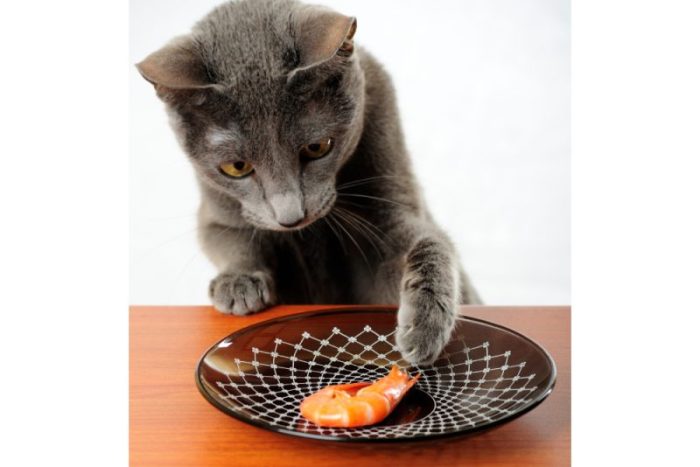
Source: catster.com
Portion Sizes and Frequency
Calculating appropriate portion sizes for shrimp depends on your cat’s weight and activity level. A general guideline is to offer no more than 5-10% of their daily caloric intake as treats, including shrimp. Active, younger cats may require slightly larger portions than sedentary, older cats.The ideal frequency of shrimp consumption is as an occasional treat – no more than once or twice a week.
Regularly feeding shrimp can disrupt the nutritional balance of their diet and potentially lead to health problems.Overfeeding shrimp can lead to digestive upset (vomiting, diarrhea), weight gain, and an increased risk of nutritional imbalances. Shrimp is relatively low in essential nutrients compared to a complete cat food, so relying on it too heavily can deprive your cat of vital vitamins and minerals.Here’s a table showing recommended portion sizes for different cat weight ranges:
| Cat Weight | Recommended Portion Size (Cooked Shrimp) |
|---|---|
| 5 lbs (2.3 kg) | 1-2 small shrimp |
| 10 lbs (4.5 kg) | 2-3 small shrimp |
| 15 lbs (6.8 kg) | 3-4 small shrimp |
Final Summary
Ultimately, while shrimp can be a delightful and nutritious treat for your cat, moderation and careful preparation are key. It shouldn’t replace a balanced, complete cat food diet, but rather serve as an occasional indulgence. By understanding the potential benefits and risks, and following our guidelines on safe preparation and portion control, you can confidently share the joy of seafood with your furry companion, ensuring their health and happiness.
Remember to always observe your cat for any signs of allergic reaction or digestive upset, and consult with your veterinarian if you have any concerns. With a little knowledge and caution, you can safely incorporate shrimp into your cat’s diet and add a little extra flavor to their life!
Question & Answer Hub
Can I feed my cat shrimp tails?
It’s generally best to avoid feeding your cat shrimp tails. They can be difficult to digest and offer little nutritional value. Removing the shell and tail is recommended for easier digestion.
Are frozen shrimp okay for cats?
Yes, frozen shrimp can be a good option, as long as they are fully thawed and cooked before serving. Ensure they are free of any added seasonings or preservatives.
How much shrimp is too much for a cat?
Overfeeding shrimp can lead to digestive upset and weight gain. A general guideline is to offer no more than 1-2 tablespoons of cooked shrimp per week for an average-sized cat (around 10 lbs).
What if my cat tries to eat raw shrimp?
Raw shrimp poses a significant risk of parasites and bacteria. If your cat ingests a small amount, monitor them for any signs of illness. If you’re concerned, contact your veterinarian.
Can shrimp help with my cat’s allergies?
While shrimp can be a good protein source, it’s also a potential allergen for some cats. If your cat has known allergies, introduce shrimp cautiously and monitor for any adverse reactions.
Do shrimp shells have any nutritional value for cats?
Shrimp shells contain chitin, a fiber that
-might* offer some benefits, but they are very difficult for cats to digest and can cause digestive issues. It’s best to discard them.
What are some signs of a shrimp allergy in cats?
Signs can range from mild skin irritation and itching to more severe symptoms like vomiting, diarrhea, and difficulty breathing. If you notice any of these, stop feeding shrimp and consult your vet.

