When I first welcomed my orange tabby kitten, Milo, the world of kibble seemed like a maze of colorful bags and bold promises. I quickly learned that the first crunchy bite isn’t just a snack—it’s the building block for his rapid growth, sparkling teeth, and endless energy.
In this post we’ll explore why nutrient density matters during those critical 0‑4 mo and 4‑8 mo phases, uncover the top five dry foods that truly pass the kitten‑first test in 2024, and share practical tips for decoding labels, budgeting smartly, and avoiding common rookie mistakes. By the end, you’ll have a clear roadmap to keep your little furball thriving.
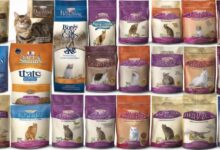
Why Picking the Right Dry Food for Kittens Feels Like a Mini‑Adventure
When I first brought home my orange fluffball, I was convinced that any kibble would do. Spoiler: it didn’t. That tiny nose sniffed out the difference before I even opened the bag. If you’ve ever watched a kitten turn up its nose at a bowl, you know the stakes are real.
What Makes a Good Kitten Dry Food?
First off, kittens aren’t just small cats. Their bodies are growing at warp speed, and their nutrition needs are a moving target.
- Protein power: Look for a named animal protein as the first ingredient—chicken, turkey, salmon, you name it.
- Calorie density: Tiny bodies burn a lot of fuel. A dry food that’s too low in calories will leave them hungry and sluggish.
- Fat balance: Essential fatty acids keep their coats glossy and brains sharp.
- Added DHA: This omega‑3 helps with brain development—think of it as the kitten version of a brain‑boosting smoothie.
- No fillers: Corn, wheat, soy can be hard on sensitive tummies. Aim for limited grain or grain‑free formulas.
Ingredient list cheat sheet
Read the label like you’d read a mystery novel. If the first three ingredients are meat‑derived and you see “whole egg” or “fish meal,” you’re in good shape. Avoid anything that sounds like “by‑product meal” or “animal digest.” Those are the red flags that often hide low‑quality protein.
My Top 5 Picks (and Why I Trust Them)
1. Orijen Cat & Kitten Dry
Protein? 42%. Fat? 18%. This blend mirrors what a wild kitten might hunt.
The formula uses deboned chicken, turkey, and fish—no corn, no soy. I’ve seen kittens finish their bowls faster than a laser pointer chase. Plus, the high moisture content helps with hydration.
2. Wellness CORE Grain‑Free Kitten
For owners who prefer grain‑free, this one hits the sweet spot. Real chicken is first, followed by turkey and salmon. It also adds DHA from fish oil and antioxidants from berries. The kibble size is perfect for tiny teeth.
3. Blue Buffalo Wilderness Kitten
Another high‑protein option, but with a twist of “LifeSource Bits”—a sprinkle of vitamins and minerals. The taste is a hit; my kitten does a little happy dance before each meal.
4. Royal Canin Kitten Dry
If you’ve got a breed‑specific concern, Royal Canin offers formulas tailored to things like digestion or urinary health. The kibble is small, and the nutrient profile is balanced for steady growth.
5. Purina ONE Kitten Formula
Budget‑friendly without skimping on quality. Real chicken is the first ingredient, and it includes antioxidants for immune support. I keep a bag in the pantry for those “just in case” moments.
How to Transition Without Drama
Switching foods can be a battlefield. Here’s a three‑day plan that usually keeps the peace:
- Day 1: Mix 75% old food with 25% new.
- Day 2: 50/50.
- Day 3: 25% old, 75% new.
- Day 4: 100% new.
If you notice any tummy upset, slow the transition. And always have fresh water on hand—dry food can be thirsty.
Common Mistakes to Dodge
- Over‑feeding: Kittens have tiny stomachs. Measure portions according to the bag’s guide, then adjust based on weight gain.
- Skipping the vet check: A quick weigh‑in ensures the food you chose supports healthy growth.
- Choosing based on price alone: The cheapest kibble often cuts corners on protein and essential nutrients.
- Ignoring allergies: If you spot itching, vomiting, or chronic diarrhea, it might be time to swap to a limited‑ingredient formula.
Final Thoughts—What Should You Do Next?
Pick a food that checks the protein, fat, and DHA boxes. Test a small bag first—watch how your kitten reacts. Remember, the best dry food isn’t just about the label; it’s about the sparkle in your kitten’s eyes when the bowl is set down.
And hey, if you end up loving a brand that isn’t on this list, shout it out in the comments. The kitten community thrives on sharing the good stuff.
Choosing the right dry food for your kitten is more than a shopping decision; it’s an investment in a lifetime of health, happiness, and purr‑filled moments. With the insights, product picks, and actionable steps we’ve covered, you’re now equipped to feed confidence into every bite and watch your kitten blossom into a robust, playful cat.

