Let’s face it, our feline friends are curious creatures! While indoor life is cozy, many cat owners want to share the joys of the outdoors with their beloved companions. But safety is paramount, and that’s where a good recommended cat harness comes in. This guide dives deep into everything you need to know – from understanding the difference between a harness and a collar, to choosing the right materials and fit, and even introducing your cat to the idea of leash walking.
We’ll explore various harness types, address common concerns, and equip you with the knowledge to ensure happy and safe adventures for you and your kitty.
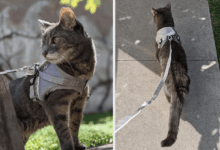

We’ll cover the evolution of cat harnesses, comparing different styles like vests, figure-8 designs, and step-in options. Beyond just the type, we’ll examine crucial factors like material quality, construction details, and proper sizing to prevent escapes and ensure your cat’s comfort. Plus, we’ll tackle practical aspects like cleaning, maintenance, and troubleshooting common issues – because a well-maintained harness is a safe harness!
Introduction to Cat Harnesses
Let’s be honest, the idea of walking your cat on a leash might seem a little… unusual. But for many cat owners, harnesses are a fantastic way to enrich their feline friend’s lives, providing opportunities for safe exploration and bonding. This guide will walk you through everything you need to know about cat harnesses, from the reasons behind their growing popularity to choosing the right one for your furry companion.
The core reason people opt for harnesses over traditional collars is safety. Collars, while useful for ID tags, can pose a choking hazard if a cat suddenly pulls or gets snagged on something. A harness distributes pressure across the cat’s chest and shoulders, making it much safer for outdoor adventures. Beyond safety, harnesses open up a world of possibilities: supervised exercise, travel in carriers or cars, and even controlled introductions to the outdoors for indoor-only cats.
Historically, cat harnesses weren’t always the comfortable, well-designed products we see today. Early versions were often bulky and restrictive, resembling dog harnesses more than anything else. Over time, advancements in materials like nylon, polyester, and mesh, coupled with a better understanding of feline anatomy, have led to lighter, more ergonomic designs. Modern harnesses prioritize comfort and security, allowing cats to move freely while remaining safely contained.
| Harness Type | Description | Advantages | Disadvantages |
|---|---|---|---|
| Vest-Style | Covers a large portion of the cat’s chest and back, often with a padded interior. | Secure fit, comfortable for many cats, good for larger breeds, distributes pressure well. | Can be bulky, may restrict movement slightly, some cats dislike the feeling of a full vest. |
| Figure-8 | Consists of two loops that crisscross over the cat’s chest and around the neck. | Easy to put on and take off, lightweight, relatively inexpensive. | Prone to escape attempts by clever cats, less secure than vest-style harnesses, can rub against the skin. |
| Step-In | The harness forms a loop that the cat steps into, with adjustable straps to secure it. | Convenient to put on, often comfortable for cats who tolerate them, good for cats with sensitive necks. | Some cats resist stepping into the harness, can be difficult to adjust for a perfect fit, potential for escape if not properly secured. |
Types of Recommended Cat Harnesses
Choosing the right harness type is crucial for your cat’s comfort and safety. Let’s delve into the specifics of each popular style.
Vest-Style Harnesses
Vest harnesses are a popular choice due to their secure fit and overall comfort. They typically feature a padded interior, often made of fleece or soft mesh, to prevent chafing. The wide coverage distributes pressure evenly across the cat’s chest, minimizing the risk of injury if they pull. These are particularly well-suited for larger breeds or cats who tend to pull on the leash.
The adjustable straps allow for a customized fit, ensuring the harness isn’t too tight or too loose. Look for vests with multiple adjustment points for optimal comfort and security.
Figure-8 Harnesses
The figure-8 harness, also known as a H-style harness, is known for its simplicity and ease of use. It’s lightweight and generally less expensive than other types. However, its design can be a double-edged sword. While easy to put on, the two loops can be vulnerable to escape artists. Cats with a knack for wriggling can often slip out of a figure-8 harness if they’re determined.
It’s best suited for cats who are less prone to escaping and are comfortable with the harness.
Step-In Harnesses
Step-in harnesses offer a convenient way to get your cat geared up for a walk. The harness forms a loop that the cat steps into, and adjustable straps secure it around their body. While convenient, some cats strongly dislike the sensation of stepping into the harness and may resist wearing it. Proper fit is essential with step-in harnesses; too loose, and the cat can slip out; too tight, and it will be uncomfortable.
A gradual introduction process (as detailed later) is particularly important with this type of harness.
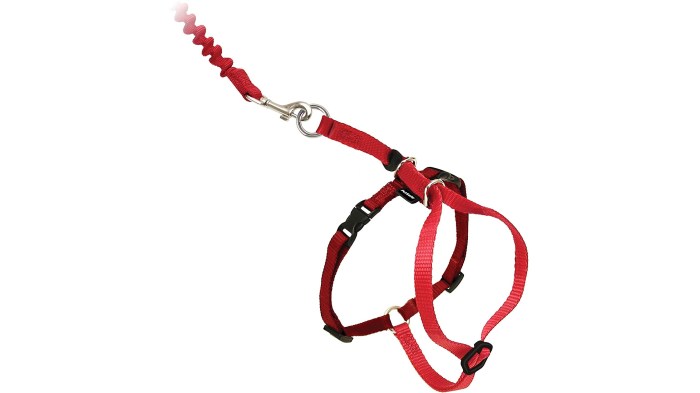
Visual Description: “No-Escape” Harness
Source: futurecdn.net
Imagine a harness designed with maximum security in mind. It’s constructed from a durable, tightly woven nylon webbing, approximately 1/4 inch thick, providing both strength and a comfortable feel against the cat’s fur. The chest plate is made of a flexible, yet robust, neoprene padding, offering cushioning and preventing chafing. Two separate adjustable straps secure around the chest, each equipped with a heavy-duty, metal side-release buckle – the kind often found on climbing gear.
These buckles are designed to withstand significant force. A third strap, running along the cat’s back, further stabilizes the harness and prevents twisting. The neck strap is padded with soft fleece and features a secure quick-release buckle, allowing for easy on and off. The overall design philosophy prioritizes a snug, secure fit without restricting movement, utilizing multiple adjustment points to accommodate a wide range of cat sizes and shapes.
The harness incorporates strategically placed reinforced stitching at all stress points, ensuring long-lasting durability.
Materials and Construction Quality
The quality of a cat harness directly impacts its comfort, durability, and your cat’s safety. Understanding the materials used and how the harness is constructed is essential for making an informed purchase.
Common materials include nylon, polyester, mesh, and neoprene. Nylon and polyester are durable and resistant to wear and tear, making them suitable for the main straps. Mesh provides breathability and can prevent overheating, especially in warmer climates. Neoprene, often used for padding, offers cushioning and helps prevent chafing. The choice of material often depends on the harness’s intended use and the climate you live in.
Sturdy stitching and reinforced seams are absolutely critical. A harness that falls apart mid-walk is not only frustrating but also potentially dangerous. Look for harnesses where the stitching is dense and even, with extra reinforcement at stress points like where the straps connect to the buckles. Poor stitching is a red flag and indicates a lack of quality control.
Adjustable straps and buckles are essential for a customized fit. The ability to fine-tune the harness ensures it’s snug but comfortable, preventing escapes and minimizing discomfort. Buckles should be easy to operate but secure enough to prevent accidental release.
- Buckle Type: Metal buckles are generally more durable than plastic ones, especially for active cats.
- Stitching Density: Look for tight, even stitching with multiple stitches per inch.
- Material Thickness: Thicker webbing and padding generally indicate higher quality and greater durability.
- Overall Construction Feel: Does the harness feel well-made and robust, or flimsy and cheap? Trust your instincts.
Sizing and Fit Considerations
A poorly fitted harness can be uncomfortable, restrict movement, and even pose a safety hazard. Accurate measurement and careful selection of the right size are paramount.
To accurately measure your cat, use a flexible measuring tape. Measure the chest girth by wrapping the tape around the widest part of the chest, just behind the front legs. Measure the neck circumference by wrapping the tape around the base of the neck. Record these measurements in inches or centimeters.
Refer to the manufacturer’s sizing chart, which typically correlates chest girth and weight to specific harness sizes. Keep in mind that breed can also influence sizing; some breeds have deeper chests or longer necks than others. When in doubt, it’s generally better to err on the side of a slightly larger size, as a harness that’s too tight can be uncomfortable and restrict breathing.
A properly fitted harness should be snug but comfortable, allowing for a full range of motion without chafing or restricting movement. When your cat walks, their shoulders should move freely, and the harness shouldn’t rub against their armpits or legs. You should be able to comfortably fit two fingers between the harness and your cat’s body.
Safety Features and Considerations
Safety should always be your top priority when using a cat harness. Beyond the harness itself, responsible leash handling is crucial.
Reflective elements, such as strips of reflective material sewn into the harness, significantly enhance nighttime visibility, making your cat more visible to drivers and pedestrians. Escape-proof designs, featuring secure closures and multiple adjustment points, minimize the risk of your cat slipping out.
Leash length is a critical safety consideration. A longer leash provides more freedom but also increases the risk of tangling or your cat running into traffic. A shorter leash (4-6 feet) offers better control, especially in busy areas. Always maintain a firm grip on the leash and be prepared to react quickly to unexpected situations.
Introducing Your Cat to a Harness: Safety First
- Start with short, indoor sessions, allowing your cat to sniff and explore the harness.
- Use positive reinforcement – treats and praise – to create a positive association.
- Never force your cat into the harness. If they resist, stop and try again later.
- Monitor for signs of stress, such as flattened ears, dilated pupils, or excessive vocalization.
- Gradually increase the duration of indoor sessions and eventually transition to short, supervised outdoor walks.
Harnesses for Specific Cat Needs
Not all cats have the same needs. Some require specialized harnesses to accommodate age-related issues or specific activities.
For senior cats or cats with mobility issues, comfort is paramount. Look for harnesses with soft padding, wide straps, and easy-to-use closures. A vest-style harness can provide extra support and stability. Avoid harnesses with complicated buckles or straps that could be difficult for a cat with limited mobility to navigate.
Travel harnesses are designed to secure your cat within a carrier or car. They typically feature secure attachment points that can be connected to the carrier’s hardware. Comfortable padding is essential for long journeys.
Training harnesses can be used to teach leash manners. A figure-8 harness or a step-in harness can be effective for this purpose, as they allow for better control and responsiveness.
| Activity Level | Key Features | Material Recommendations | Fit Considerations |
|---|---|---|---|
| Indoor Cats | Easy to put on, comfortable, lightweight. | Soft nylon or mesh. | Snug but not restrictive, allows for free movement. |
| Active Outdoor Explorers | Durable, secure, escape-proof, reflective elements. | Reinforced nylon or polyester, metal buckles. | Snug fit, multiple adjustment points, prevents slipping. |
| Travel Companions | Secure attachment points, comfortable padding, easy to clean. | Neoprene padding, durable nylon or polyester. | Snug fit within the carrier, prevents movement. |
Cleaning and Maintenance
Regular cleaning and maintenance will extend the life of your cat’s harness and keep it hygienic.
Cleaning methods vary depending on the harness material. Nylon and polyester harnesses can typically be hand-washed with mild soap and water. Mesh harnesses may require a gentle cycle in a washing machine. Always check the manufacturer’s instructions for specific cleaning recommendations. Avoid using harsh chemicals or bleach.
Regularly inspect the harness for signs of wear and tear, such as frayed straps, loose stitching, or damaged buckles. Addressing minor issues promptly can prevent them from escalating into major problems.
Store harnesses in a cool, dry place away from direct sunlight to prevent damage and prolong their lifespan. Avoid storing them in damp or humid environments.
Repairing a Minor Tear in a Nylon Harness Strap:
- Trim any frayed edges around the tear.
- Thread a strong needle with nylon thread that matches the harness color.
- Using a tight, even stitch, sew across the tear, overlapping the edges slightly.
- Reinforce the repair by sewing several rows of stitches over the tear.
- Trim any excess thread.
Introducing Your Cat to a Harness
A positive introduction is key to ensuring your cat enjoys wearing a harness. Rushing the process can lead to fear and resistance.
Positive reinforcement is the cornerstone of successful harness introduction. Use treats, praise, and gentle petting to create a positive association with the harness. Avoid punishment or force.
Start with short, indoor sessions, allowing your cat to sniff and explore the harness. Gradually introduce the harness, first by simply letting your cat sniff it, then by briefly placing it on their back. Increase the duration of these sessions gradually, rewarding your cat for calm behavior.
Watch for signs of stress or discomfort, such as flattened ears, dilated pupils, excessive vocalization, or attempts to escape. If your cat shows any of these signs, stop the session and try again later. Never force your cat into the harness.
To create a positive association, use treats and praise liberally. Offer your cat a favorite treat while they’re wearing the harness, and shower them with affection. This will help them associate the harness with positive experiences.
Choosing the Right Leash for Your Harness
The leash is just as important as the harness when it comes to safety and control. Different leash types offer varying levels of freedom and security.
Standard leashes are typically 4-6 feet long and offer good control. Retractable leashes provide more freedom but can be difficult to manage in crowded areas. Bungee leashes absorb shock, reducing the impact of sudden pulls, but may not provide as much control as standard leashes. Consider your cat’s personality and the environment you’ll be walking in when choosing a leash.
Leash length and material are crucial for safety. A shorter leash provides better control, while a longer leash allows for more exploration. Choose a leash made from durable material, such as nylon or leather, that can withstand pulling and wear and tear.
Hands-free leash options, such as waist belts with attached leashes, can be convenient for active owners. However, ensure the leash is secure and that you can maintain control of your cat at all times.
Visual Description: Lightweight, Tangle-Resistant Leash
Imagine a leash crafted from a smooth, tightly woven nylon webbing, approximately 1/2 inch wide. It’s a vibrant, eye-catching color, perhaps a sunny yellow or a cheerful turquoise. The leash is 4 feet long, providing ample freedom without sacrificing control. A sturdy, metal swivel clip connects the leash to the harness, preventing tangling. The handle is padded with soft neoprene for a comfortable grip, even during extended walks.
The overall design is minimalist and streamlined, prioritizing functionality and ease of use. The material is treated to resist tangling, ensuring a frustration-free walking experience.
Common Problems and Solutions
Even with the best harness and leash, you may encounter some challenges. Here’s how to troubleshoot common issues.
Escape attempts are a common concern, especially with figure-8 harnesses. Adjust the fit to ensure the harness is snug but not restrictive. Consider switching to a more secure harness type, such as a vest-style harness. Double-check all buckles and closures before each walk.
Chafing can occur if the harness is too tight or if the material rubs against the cat’s skin. Loosen the straps and ensure the harness isn’t restricting movement. Consider using a harness with padded interior.
If your cat refuses to wear a harness, don’t force it. Go back to the gradual acclimation process, using positive reinforcement to create a positive association. Try a different harness type or material. Some cats simply don’t enjoy wearing harnesses, and that’s okay.
- Q: My cat keeps slipping out of the harness. What can I do? A: Ensure the harness is properly fitted and adjusted. Consider switching to a more secure harness type, such as a vest-style harness.
- Q: My cat seems uncomfortable in the harness. A: Loosen the straps and ensure the harness isn’t restricting movement. Try a different harness type or material.
- Q: How often should I wash my cat’s harness? A: Wash the harness as needed, typically every few weeks or when it becomes soiled.
- Q: Can I use a retractable leash with a cat harness? A: While possible, retractable leashes can be difficult to manage with cats. A standard leash offers better control.
Conclusive Thoughts
Ultimately, choosing a recommended cat harness is about more than just buying a piece of equipment; it’s about building trust and creating positive experiences for your cat. By understanding the different options, prioritizing safety, and taking a gradual approach to introduction, you can open up a whole new world of exploration for your furry friend. Remember to always supervise your cat during outdoor adventures and be mindful of their comfort and stress levels.
With the right harness and a little patience, you and your cat can enjoy many happy and safe outings together!
Questions and Answers
My cat hates wearing anything! How can I get them used to a harness?
Start slow! Introduce the harness gradually. Let them sniff it, then put it on for very short periods indoors, rewarding them with treats and praise. Gradually increase the time they wear it, always keeping the experience positive.
What’s the difference between a figure-8 and a vest harness?
Figure-8 harnesses are lightweight and easy to put on, but some cats can slip out of them. Vest harnesses offer a more secure fit, distributing pressure more evenly and making them harder to escape from.
How often should I wash my cat’s harness?
It depends on how often you use it and how dirty it gets! Generally, washing it every 1-2 weeks is a good idea, especially if your cat goes outdoors frequently.
My cat keeps rubbing against furniture to try and get the harness off. What should I do?
Check the fit! It might be too tight or rubbing in an uncomfortable spot. Loosen the straps or consider a different style of harness that allows for more freedom of movement.
Are retractable leashes safe for cats?
Retractable leashes can be risky as they allow for a lot of slack and can easily tangle. Standard leashes offer better control and are generally recommended for cats.
What if my cat starts panting or seems stressed while wearing the harness?
Immediately remove the harness and reassess the situation. It could be a sign the harness is too tight, the environment is too stimulating, or your cat simply isn’t ready for leash walking yet. Go back a step in the acclimation process.

