When I first opened a bag of Friskies for my ginger tabby, I was torn between the familiar crunch and the nagging question of whether I was truly feeding her a nutritious meal or just empty a bowl. In this post I dive into the ingredient list, cost comparisons, and expert opinions so you can decide if Friskies belongs in your cat’s daily menu.
From breaking down the top‑five components in both dry kibble and wet pâté to weighing the price‑per‑ounce against premium brands, I’ll walk you through the pros, the cons, and the red flags that every cat parent should know. Real‑world stories, a handy decision tree, and actionable tips for transitioning to higher‑quality foods round out the conversation.
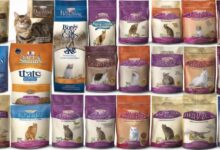
Is Friskies a Good Cat Food? My Honest Take After Years of Feeding My Furry Friends
Picture this: I’m in the kitchen, a half‑empty bag of Friskies on the counter, and my tabby, Luna, perched on the edge of the counter, tail flicking like a metronome. She eyes the bag, whines, and I can’t help but wonder—am I doing the right thing?
We’ve all been there. You read a label, see something that looks “cat‑friendly,” and hope it’s enough. But with so many brands out there, which one truly stands up to the daily demands of a cat’s diet? Let’s break it down, no fluff, just the stuff that matters.
What’s Inside the Bag?
Friskies is a staple in many households because it’s cheap and widely available. The ingredient list reads like a grocery list for humans: chicken, corn, wheat, and a dash of vitamins. Here’s a quick snapshot:
- Protein source: Usually chicken or turkey, but often as a meat meal rather than fresh meat.
- Carbohydrates: Corn and wheat make up a big chunk—good for energy, not so great for obligate carnivores.
- Fats: Animal fat is there, but it’s balanced with vegetable oils.
- Additives: Preservatives, flavor enhancers, and a mix of vitamins and minerals.
That’s the short version. The reality is a mix of decent protein and a lot of filler.
The Good Bits
Don’t get me wrong—Friskies isn’t a total disaster. There are a few things it gets right:
- Affordability: You can feed a cat for months without breaking the bank.
- Palatability: Most cats love the taste. If your cat turns his nose up, try something else.
- Variety: From “Crunchy Bites” to “Gravy Swirls,” there’s a flavor for almost every picky palate.
For a cat who’s on a budget or a multi‑cat household, those points matter.
Where It Falls Short
The devil’s in the details. Cats are obligate carnivores, meaning they need meat, not plant matter, to thrive. Friskies leans heavily on grains and plant proteins. Here’s why that can be a problem:
- Low meat content: The protein is often “by‑product” rather than whole muscle meat.
- High carbs: Too many carbs can lead to obesity, especially in indoor cats.
- Potential allergens: Corn and wheat are common triggers for sensitivities.
And if you’re looking for a diet that supports urinary health or skin and coat shine, you might need something more targeted.
My Personal Test: Six Months of Friskies
I decided to run a mini‑experiment. For six months, Luna ate only Friskies. I kept an eye on her weight, energy, and coat condition. Here’s what I saw:
- Weight: She stayed steady—no major gain or loss.
- Energy: She played like a kitten in the mornings, but afternoons were a bit sluggish.
- Coat: Her fur stayed glossy, few fine hairs out in patches.
Bottom line: Friskies kept her alive and relatively happy, but it wasn’t a miracle food.
When Friskies Might Be a Good Fit
If you’re in any of these situations, Friskies could work:
- You’re feeding a short‑term rescue cat and need something cheap and widely accepted.
- You have multiple cats and need a bulk option that most will eat.
- You’re supplementing a higher‑quality diet with a treat or occasional meal.
In those cases, the price point and palatability outweigh the nutritional shortcomings.
When to Look Elsewhere
Consider switching if you notice any of the following:
- Weight gain or loss without an obvious cause.
- Frequent litter box issues—especially crystals or dark urine.
- Dry, dull coat, or excessive shedding.
- Allergic reactions—itchy skin, ear infections, or sneezing.
Those signs often hint that a diet richer in animal protein and lower in carbs would help.
Alternatives Worth Checking Out
Here are a few brands that strike a better balance between price and nutrition:
- Purina ONE: Slightly pricier but higher meat content.
- Wellness CORE: Grain‑free, proteinfocused, and still reasonably affordable.
- Blue Buffalo Basics: Good for cats with sensitivities.
All of them still have a price tag higher than Friskies, but the nutritional payoff is noticeable.
Bottom Line: Should You Keep Feeding Friskies?
My gut feeling? Use Friskies as a bridge, not a permanent solution. It’s a solid starter, especially if you’re on a budget or dealing with a finicky eater. But if your cat’s health is a priority—and it should be—look toward a diet that leans heavily on real meat, minimal fillers, and added nutrients for urinary and joint health.
Remember, every cat is unique. What works for Luna might not work for Milo. Keep an eye on your cat’s weight, energy, and coat. If anything feels off, a quick chat with your vet can set you on the right path.
So next time you stare at that bag of Friskies, ask yourself: is this the best I can give my cat today? If the answer is “maybe,” then it’s time to explore the next aisle.
Quick Takeaway Checklist
- ✅ Affordable and widely liked
- ❌ Low real meat, high carbs
- ⚠️ Watch for weight and urinary issues
- 🔄 Use as a temporary or supplemental option
- 💡 Consider higher‑protein, grain‑free alternatives for long‑term health
Feeding cats isn’t rocket science, but it does deserve a little thought. Your feline friend will thank you—maybe with an extra purr, or at least a contented stare at your plate.
At the end of the day, Friskies can be a sensible stopgap for healthy adult cats on a tight budget, but it falls short for kittens, seniors, or felines with special dietary needs. By monitoring your cat’s health, comparing nutrient density, and using the simple flowchart provided, you’ll be equipped to make a choice that balances cost with the wellbeing of your whiskered companion.

