Is your feline friend struggling with constipation? It’s a surprisingly common issue, and seeing your cat uncomfortable is never easy. Luckily, a simple dietary shift can often make a big difference. We’re diving deep into the world of wet food for constipated cats, exploring how increased moisture and strategic ingredients can get things moving again. This isn’t just about swapping food; it’s about understanding your cat’s digestive system and providing targeted support.
Constipation in cats can stem from various factors, from dehydration and lack of fiber to underlying medical conditions. Dry food, while convenient, often contributes to the problem due to its low moisture content. Wet food, on the other hand, offers a readily available source of hydration and can be packed with ingredients that promote healthy bowel movements. We’ll cover everything from choosing the right texture and ingredients to transitioning your cat safely and monitoring their progress.
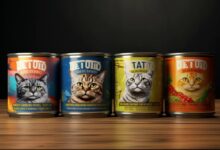
Wet Food for Constipated Cats: A Comprehensive Guide
Dealing with a constipated cat can be stressful for both you and your furry friend. It’s not just about infrequent bathroom breaks; it can indicate underlying health issues and significantly impact their quality of life. While there are various approaches to managing feline constipation, dietary changes, particularly incorporating wet food, can often make a significant difference. This guide will walk you through everything you need to know about using wet food to help your cat find relief.
1. Understanding Constipation in Cats
Constipation in cats isn’t always a simple issue. Recognizing the signs is the first step towards addressing it. Common symptoms include infrequent or absent bowel movements, straining during defecation, small, hard, and dry stools, and a generally uncomfortable or distressed demeanor. Some cats may even cry out in pain while trying to go.Physiologically, constipation arises when the normal movement of the intestines slows down, leading to a buildup of fecal matter.
This can be due to a variety of factors, including dehydration, a low-fiber diet, lack of exercise, hairballs, or even stress.Underlying medical conditions can also play a significant role. Kidney disease, for example, can lead to dehydration and altered electrolyte balance, impacting bowel function. Hyperthyroidism, while often associated with hyperactivity, can sometimes cause constipation due to its effects on the digestive system.
Other possibilities include inflammatory bowel disease (IBD), tumors, or even neurological issues.There are different types of feline constipation.
- Functional constipation* is the most common and often related to diet and lifestyle.
- Megacolon* is a more serious condition where the colon becomes abnormally enlarged, often due to nerve damage, making it difficult for the cat to expel stool. Diagnosis of the type of constipation is crucial for effective treatment.
2. How Wet Food Can Help
The key to understanding how wet food helps with constipation lies in its moisture content. Water is essential for softening stool and facilitating its passage through the digestive tract. When a cat is dehydrated, their stools become harder and more difficult to pass, leading to constipation.Wet food, by its very nature, has a significantly higher water content than dry kibble.
This increased moisture aids digestion by hydrating the intestinal contents and promoting the formation of softer, bulkier stools. The added moisture also helps to stimulate bowel movements.Typically, wet cat food contains between 60% and 85% moisture, while dry food usually ranges from 6% to 12%. This difference is substantial and can have a noticeable impact on a cat’s digestive health.Here’s a table comparing different wet food textures and their potential impact:
| Texture | Moisture Content Range | Potential Benefits |
|---|---|---|
| Pate | 70-80% | Easy to eat, good for cats with dental issues, generally well-hydrating. |
| Chunks in Gravy | 65-75% | The gravy adds extra moisture, appealing to picky eaters, can be easier to mix with supplements. |
| Shredded | 60-70% | Provides some texture, can be more stimulating for cats who enjoy hunting behavior, may require more chewing. |
3. Best Wet Food Ingredients for Constipated Cats
Certain ingredients are particularly beneficial for cats experiencing constipation. Pumpkin, for instance, is a natural source of fiber and water, helping to add bulk to the stool and stimulate bowel movements. Psyllium husk is another excellent fiber source that absorbs water and forms a gel-like substance, softening the stool. Beet pulp, a byproduct of sugar beet processing, is a prebiotic fiber that supports a healthy gut microbiome.Fiber, in general, is crucial for cats with constipation.
It adds bulk to the stool, making it easier to pass. It also helps to regulate bowel movements and prevent future episodes of constipation.Prebiotics and probiotics play a vital role in supporting a healthy gut microbiome. Prebiotics feed the beneficial bacteria in the gut, while probiotics introduce live, beneficial bacteria. A balanced gut microbiome improves digestion, reduces inflammation, and can alleviate constipation.Ingredients to avoid in wet food for constipated cats include excessive bone meal (which can be difficult to digest), artificial colors and flavors (which offer no nutritional value and can sometimes cause digestive upset), and high levels of fillers like corn or wheat (which can be difficult for some cats to digest).
4. Recommended Wet Food Brands and Varieties
Several wet food brands are frequently recommended by veterinarians for cats with digestive issues. These brands often prioritize high-quality ingredients and formulations that support gut health. Some popular choices include Royal Canin, Hill’s Science Diet, Purina Pro Plan, and Blue Buffalo.Within these brands, specific varieties are particularly well-suited for constipation relief. For example, Royal Canin Gastrointestinal Fiber Control is formulated with a high fiber content to promote regularity.
Hill’s Science Diet Sensitive Stomach & Skin is gentle on the digestive system and contains prebiotics for gut health. Purina Pro Plan Veterinary Diets EN Gastroenteric is often recommended for cats with digestive sensitivities.Here’s a table summarizing some recommended brands and varieties:
| Brand | Variety | Key Ingredients | Estimated Moisture Content |
|---|---|---|---|
| Royal Canin | Gastrointestinal Fiber Control | Fiber, prebiotics, beet pulp | 78% |
| Hill’s Science Diet | Sensitive Stomach & Skin | Chicken, rice, prebiotic fiber | 75% |
| Purina Pro Plan | Veterinary Diets EN Gastroenteric | Hydrolyzed protein, rice, fiber | 73% |
It’s crucial to read ingredient labels carefully, even for recommended brands. Ingredient lists are ordered by weight, so the first few ingredients are the most abundant.
5. Transitioning to a Wet Food Diet
Switching a cat from dry food to wet food requires a gradual transition to avoid digestive upset. Start by mixing a small amount of wet food (about 25%) with their usual dry food. Gradually increase the proportion of wet food over a week or two, while decreasing the amount of dry food.Potential challenges during the transition include food refusal and picky eating.
To combat this, try warming the wet food slightly to enhance its aroma, or adding a small amount of tuna juice or broth to make it more appealing.Ensuring adequate water intake alongside wet food is essential. While wet food provides moisture, it’s still important to encourage your cat to drink water from a bowl or fountain.Here’s a sample transition schedule:
- Day 1-2: 75% dry food, 25% wet food
- Day 3-4: 50% dry food, 50% wet food
- Day 5-6: 25% dry food, 75% wet food
- Day 7: 100% wet food
6. Wet Food Preparation and Feeding Tips
Warming wet food slightly can significantly enhance its aroma and palatability, making it more appealing to your cat. A few seconds in the microwave (ensure it’s not too hot!) can do the trick.Offering small, frequent meals throughout the day can be beneficial for cats with digestive issues. This allows them to digest the food more easily and reduces the risk of overloading their system.Encouraging your cat to drink more water is crucial.
Provide multiple water sources around the house, and consider using a water fountain, as many cats prefer running water.
Warming wet food, offering small frequent meals, and providing multiple water sources are key to maximizing the benefits of wet food for a constipated cat.
7. Addressing Underlying Causes (Alongside Wet Food)
While wet food can often provide relief from constipation, it’s essential to consult a veterinarian for persistent or severe cases. Wet food can be a supportive measure
in conjunction with* veterinary treatment.
A veterinarian may perform diagnostic tests, such as blood work, fecal analysis, and X-rays, to identify the root cause of the constipation. These tests can help rule out underlying medical conditions and guide treatment decisions.Environmental factors, such as litter box cleanliness and stress, can also contribute to constipation. Ensure the litter box is clean and easily accessible, and minimize stressors in your cat’s environment.
8. Specific Wet Food Formulations
Prescription wet food options are available for cats with chronic constipation or underlying medical conditions. These diets are specifically formulated to address digestive issues and may contain higher levels of fiber, prebiotics, or other digestive aids.Fiber-supplemented wet food adds bulk to the stool and promotes regularity. Other formulations may contain ingredients like psyllium or probiotics to support gut health.Determining if a prescription diet is necessary requires veterinary consultation.
Your veterinarian can assess your cat’s condition and recommend the most appropriate diet. Prescription diets are typically obtained through a veterinarian.Here’s a comparison table of common prescription wet food diets:
| Diet Name | Key Features |
|---|---|
| Hill’s Prescription Diet w/d Digestive Care | High fiber, prebiotics, easily digestible |
| Royal Canin Veterinary Diet Fiber Sensitive | Increased fiber content, palatable formula |
9. Monitoring Progress and Adjustments
Source: breedsofcat.com
Monitor your cat’s stool consistency and frequency after introducing wet food. Ideally, you should see softer, more formed stools that are passed more regularly.Signs that the wet food is effectively relieving constipation include increased stool frequency, softer stools, and a decrease in straining during defecation.If constipation persists despite dietary changes, adjust the amount of wet food or consult a veterinarian.
They may recommend additional treatments or further diagnostic testing.Here’s a checklist for monitoring your cat’s bowel movements and overall health:
- Stool Consistency: Soft, formed, hard, dry
- Frequency: Daily, every other day, infrequent
- Appetite: Normal, decreased, increased
- Energy Level: Active, lethargic
Concluding Remarks
Navigating feline constipation can feel overwhelming, but remember, you’re not alone. By understanding the role of wet food, carefully selecting ingredients, and working closely with your veterinarian, you can significantly improve your cat’s digestive health and overall well-being. A little patience and a proactive approach can lead to a happier, more comfortable kitty – and a lot less worry for you.
Don’t hesitate to consult your vet for personalized advice and to rule out any underlying medical concerns. Here’s to smoother sailing for your furry friend!
Questions and Answers
Why is moisture so important for a constipated cat?
Water helps soften stool, making it easier to pass. Constipated cats are often dehydrated, and increasing moisture intake is a crucial first step.
What’s the difference between functional and megacolon constipation?
Functional constipation is often related to diet or behavior, while megacolon is a more serious condition where the colon becomes abnormally enlarged and loses its ability to contract effectively. Veterinary diagnosis is essential.
Can I give my cat pumpkin puree to help with constipation?
Yes! Plain, unsweetened pumpkin puree is a great source of fiber. Start with a teaspoon or two mixed into their wet food.
How long will it take to see results from switching to wet food?
Most cats show improvement within a few days to a week, but it can vary depending on the severity of the constipation and individual factors.
My cat refuses to eat wet food – what should I do?
Transitioning slowly is key. Mix small amounts of wet food with their dry food, gradually increasing the wet food ratio over a week or two. Warming the food can also make it more appealing.
Are there any risks to feeding my cat only wet food?
While generally safe, excessive phosphorus can be a concern for cats with kidney issues. Always consult your vet, especially if your cat has pre-existing health conditions.
What does it mean if my cat is still constipated after switching to wet food?
Persistent constipation warrants a vet visit. There may be an underlying medical condition that needs to be addressed.

