best litter boxes for older cats are more than a convenience; they’re a lifeline for our senior whiskered companions who are coping with arthritis, dimmed vision, and a slower step.
When a cat can’t easily climb into a high‑sided tray, every trip becomes a painful ordeal, leading to accidents, extra cleaning, and even health risks. Choosing a box with low‑step entry, stable footing, and gentle odor control not only protects your home but adds precious comfort to the golden years of your feline friend.
Why the Right Litter Box Matters More Than You Think
When my grandma’s 15‑year‑old tabby started stumbling into the bathroom, I realized I’d been treating senior cats like any other feline. It’s a mistake. Older cats lose flexibility, their joints ache, and even a tiny step up can feel like a mountain. The litter box you chose yesterday might be a daily nightmare for them today.
So, let’s talk about the litter boxes that actually make life easier for our aging companions. I’ve tested a handful, swapped stories with fellow cat lovers, and even survived a few midnight messes. Here’s what stuck out.
Key Features to Look For
Low Entry Height
- Side doors that swing open, no high lip.
- Ramp‑style entries if the cat still wants a “cover” feel.
Think of a kitten’s first steps—soft, easy, no strain. That’s the same vibe you want for a senior cat.
Easy Clean Design
- Removable liners or trays you can pull out in one motion.
- Non‑sticky surfaces that don’t cling to clumped litter.
If you have to wrestle with the box, your cat will avoid it. Simplicity is king.
Size and Shape
- Long enough for a cat to turn around without feeling.
- Wide enough for a senior cat to sit comfortably, even with a sagging belly.
Don’t be fooled by a tiny, “cute” box. Bigger is usually better, especially when arthritis slows them down.
Material Matters
- Plastic that won’t crack under the weight of a cat that likes to lounge.
- Non‑porous interior—no hidden odors, no lingering bacteria.
Sturdy, smooth surfaces also mean less scratching, which keeps both cat and floor happy.
My Top Picks (and Why They Earned a Spot)
1. The “EasyStep” Covered Litter Box
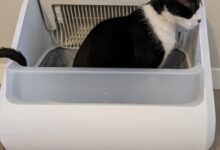
First up, the EasyStep. It’s a low‑profile covered box with a side flap that sits just 2 inches off the floor. My own senior cat, Milo, slides in without a hitch. The cover gives him a sense of privacy, but the flap means he never has to jump.
Pros:
- Super low entry—ideal for stiff joints.
- Covered design traps odors.
- Removable tray clicks out in seconds.
Cons:
- Not the most stylish piece—looks like a plastic tub.
2. The “Ramp‑Ease” Open Litter Box
If your cat prefers an open space, the Ramp‑Ease is a game changer. It’s a shallow, rectangular box with a gentle ramp on one side. The ramp can be folded back for cleaning, which is a neat trick I didn’t expect.
Pros:
- Ramp lowers the step up, perfect for arthritis.
- Open top means no feeling of confinement.
- Wide interior—plenty of room to stretch.
Cons:
- Less odor control than a covered box.
3. The “Slide‑Out” Self‑Cleaning Box
Now, I’m not a fan of gadgets that overcomplicate things, but the Slide‑Out earned a nod. It’s a semi‑automatic box that slides the used litter into a sealed compartment. You just empty it once a week. For me, that meant fewer trips to the bathroom at 3 a.m.
Pros:
- No scooping—big win for lazy weekends.
- Sealed compartment holds odors.
- Low entry platform, despite the tech.
Cons:
- Higher price tag.
- Power source needed—plug it in.
4. The “Classic Hopper” Budget Box
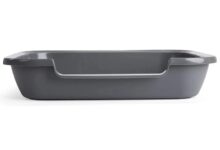
Don’t overlook the basics. The Classic Hopper is an affordable, open‑top box with a low side wall. It’s simple, sturdy, and works well if you use a light, clumping litter that’s easy on paws.
Pros:
- Cheap and reliable.
- Low side makes entry painless.
- Easy to replace with any litter type.
Cons:
- No cover—more smell.
- You’ll need to scoop daily.
How to Transition Your Senior Cat
Switching boxes can be stressful, especially when the cat’s routine is already shaky. Here’s a quick cheat sheet:
- Place the new box next to the old one for a week.
- Sprinkle a bit of the old litter into the new tray.
- Reward any brave attempts with a treat.
- Gradually move the old box away once the cat shows confidence.
Patience wins. Don’t rush—let them sniff, step, and settle at their own pace.
Maintenance Tips for Senior Cat Owners
Even the best box needs care. A few habits keep it fresh and comfortable.
Weekly Deep Clean
- Empty the entire box.
- Wash with mild soap and warm water.
- Rinse thoroughly—no soap residue.
- Dry completely before adding fresh litter.
Spot Cleaning
Every day, scoop out clumps. It only takes a minute, and it prevents a slippery mess that could cause a slip.
Check for Wear
Look for cracks or loose hinges. A broken side door turns a low entry into a hazard.
Final Thoughts
Choosing the right litter box for an older cat isn’t about aesthetics; it’s about respect. Respect for the cat’s changing body, for your own sanity, and for the quiet moments you share when they curl up after a successful bathroom trip.
If you’ve tried one of these boxes, I’d love to hear how it went. And if you haven’t yet, pick the one that feels most like a gentle invitation rather than a hurdle.
Remember, a happy senior cat means a happy home. A few thoughtful tweaks can turn a daily chore into a simple, painless routine—for both of you.
Investing in the right litter box transforms a daily chore into a stress‑free ritual for your aging cat, saving you time, mess, and worry while extending those cherished moments together; with the features and tips Artikeld, you’re ready to pick, place, and pamper your senior companion today.

