As our feline friends gracefully age, their needs shift, and that includes their litter box habits. Older cats often face challenges like arthritis, kidney issues, and cognitive decline, all of which can impact their ability and willingness to use the litter box. This guide dives deep into creating a comfortable and accessible litter box setup for your senior cat, covering everything from litter box types and placement to addressing aversion and ensuring their overall well-being.
We’ll explore how to adapt their environment to support their changing needs and keep them happy and healthy.

Understanding these changes is key to preventing accidents and ensuring your cat feels safe and comfortable. We’ll break down the physiological reasons behind litter box avoidance, discuss the best litter box designs for mobility issues, and offer practical tips for transitioning to new litter types and maintaining a clean and inviting space. Ultimately, our goal is to help you create a litter box experience that your older cat can enjoy without stress or discomfort.
Litter Boxes for Older Cats: A Comprehensive Guide
As our feline companions gracefully age, their needs evolve, and that includes their litter box habits. What once seemed like a simple task – providing a clean litter box – can become a source of concern as our senior cats develop age-related changes. This guide is designed to help you understand these changes, adapt your cat’s environment, and ensure their comfort and well-being when it comes to using the litter box.
We’ll cover everything from choosing the right litter box type to addressing potential behavioral issues, all with the goal of making this essential aspect of your cat’s life as stress-free as possible.
Older cats often experience a combination of physiological and cognitive changes that can impact their litter box habits. Recognizing these changes and adapting your approach is key to preventing accidents and ensuring your cat’s happiness and health. Let’s dive into the specifics.
Understanding Senior Cat Litter Box Needs
The aging process brings about a range of physical and mental changes in cats. These changes can directly influence their ability and willingness to use the litter box. For example, arthritis can make it painful to climb into a box, while kidney disease can lead to increased urination and a greater need for frequent bathroom breaks. Cognitive dysfunction, similar to Alzheimer’s in humans, can cause confusion and disorientation, leading to accidents outside the box.
- Physiological Changes: Arthritis is a common ailment in older cats, causing joint pain and stiffness. This can make it difficult for them to climb into a litter box, especially those with high sides. Kidney disease, another frequent concern, results in increased urine production, requiring more frequent trips to the litter box.
- Cognitive Dysfunction: CDS can manifest as confusion, disorientation, and changes in sleep-wake cycles. A cat with CDS might forget where the litter box is located or become anxious and avoid it altogether.
- Common Health Conditions & Litter Box Implications: Urinary tract infections (UTIs) cause frequent, painful urination, which can lead to accidents outside the box. Diabetes can also increase urine production and create a sense of urgency. Hyperthyroidism can lead to increased activity and restlessness, potentially causing the cat to miss the litter box.
- Recognizing Early Signs: Be alert for changes in litter box habits, such as increased or decreased frequency, straining to urinate or defecate, accidents outside the box, or changes in the consistency of urine or stool. These can be early indicators of underlying health problems.
Litter Box Types: Best Options for Older Cats
Choosing the right litter box is crucial for senior cats, especially those with mobility issues. The ideal litter box should be accessible, comfortable, and easy to clean. While personal preference plays a role, certain types are generally better suited for older felines.
| Litter Box Type | Pros & Cons for Senior Cats |
|---|---|
| Standard Litter Box | Pros: Widely available, affordable, easy to clean. Cons: High sides can be difficult for cats with arthritis, may not offer adequate odor control. |
| Self-Cleaning Litter Box | Pros: Reduces odor, minimizes manual cleaning. Cons: Can be noisy and startling for sensitive cats, may have complex mechanisms that are difficult to maintain, some models have high entry points. |
| Top-Entry Litter Box | Pros: Good for odor control, prevents litter tracking. Cons: Requires jumping, unsuitable for cats with mobility issues. |
| Corner Litter Box | Pros: Space-saving, can be discreet. Cons: May have high sides, limited accessibility. |
| Low-Entry Litter Box | Pros: Easy access for cats with arthritis or mobility issues, reduces strain on joints. Cons: May not offer as much odor control as covered boxes. |
Low-entry litter boxes are particularly beneficial for cats with arthritis or other mobility limitations. Look for boxes with a low profile and a wide opening. Consider boxes with a gently sloping ramp or a shallow entry point to further ease access. Designs that minimize strain on joints and muscles are key – avoid boxes with steep sides or narrow openings.
Litter Type Considerations for Senior Cats
The type of litter you choose can significantly impact your senior cat’s comfort and health. A soft, dust-free litter is essential to prevent respiratory irritation and discomfort. Different litter materials have varying pros and cons, and transitioning to a new litter type should be done gradually.
- Importance of Soft, Dust-Free Litter: Dust can irritate a senior cat’s respiratory system, especially if they have underlying lung conditions. Soft litter is gentler on their paws and joints.
- Comparing Litter Materials: Clay litter is affordable but can be dusty. Clumping litter is convenient for cleaning but may contain clay dust. Crystal litter offers good odor control but can be uncomfortable for some cats. Wood and paper litters are generally soft and dust-free, making them good choices for senior cats.
- Gradual Transition: Mix a small amount of the new litter with the old litter, gradually increasing the proportion of the new litter over a week or two. This allows your cat to adjust to the new texture and scent without aversion.
- Litter Types to Avoid: Avoid heavily scented litters, as they can irritate a cat’s sensitive nose. Also, avoid litters with large, sharp granules that could injure their paws.
Litter Box Placement & Environment
Strategic litter box placement is crucial for senior cats, especially those with limited mobility. The number of litter boxes, their location, and the surrounding environment all play a role in ensuring your cat feels comfortable and secure.
- Ideal Number of Litter Boxes: In a multi-cat household, the general rule is one litter box per cat plus one extra. For senior cats, consider providing even more boxes, especially if they have mobility issues.
- Strategic Placement: Place litter boxes in easily accessible locations throughout the home, avoiding stairs or narrow passages. Ensure the boxes are in quiet, private areas, away from high-traffic zones and noisy appliances.
- Quiet, Private Areas: Senior cats appreciate a sense of privacy and security. Avoid placing litter boxes near loud noises or areas where they might feel vulnerable.
Optimizing Litter Box Placement for Limited Mobility:
- Assess Mobility: Observe your cat’s movement and identify areas where they struggle.
- Ground Floor Priority: Place at least one litter box on the ground floor to avoid stairs.
- Close Proximity: Position boxes near frequently used resting spots.
- Clear Path: Ensure a clear, unobstructed path to the litter box.
- Ramp Consideration: If stairs are unavoidable, consider adding a ramp.
Addressing Litter Box Aversion & Accidents
Litter box aversion in older cats is often a symptom of an underlying issue, whether it’s pain, anxiety, or a medical condition. Identifying the root cause is essential for resolving the problem.
- Potential Causes: Pain from arthritis or a UTI can make using the litter box uncomfortable. Anxiety related to changes in the environment or routine can also lead to avoidance. Medical conditions like kidney disease or diabetes can increase the frequency of urination, making it difficult for the cat to always reach the box in time.
- Identifying the Underlying Cause: A thorough veterinary examination is crucial to rule out medical conditions. Observe your cat’s behavior and identify any potential stressors in their environment.
- Reintroducing to the Litter Box: Make the litter box more appealing by adding fresh, soft litter. Place the cat in the box gently and offer praise and treats.
- Enzymatic Cleaners: Use enzymatic cleaners to thoroughly clean accidents outside the box. These cleaners eliminate odors that can attract the cat back to the same spot.
Litter Box Maintenance for Senior Cat Health
Regular litter box maintenance is essential for your senior cat’s health and well-being. A clean litter box encourages use and prevents the buildup of bacteria and odors.
- Cleaning Schedule: Scoop the litter box at least once daily, and ideally twice. Thoroughly clean and disinfect the box every 1-2 weeks.
- Thorough Cleaning & Disinfection: Empty the entire box, wash it with warm soapy water, and disinfect it with a pet-safe disinfectant. Rinse thoroughly and allow it to dry completely before refilling with fresh litter.
- Impact of Cleanliness: A clean litter box reduces the risk of urinary tract infections and other health problems. It also encourages your cat to use the box consistently, preventing accidents.
Accessibility Modifications & Assistive Devices
Simple modifications to existing litter boxes and the use of assistive devices can significantly improve accessibility for older cats.
- Modifications to Existing Boxes: Add a ramp to help cats climb into the box. Lower the sides to make it easier to enter and exit.
- Assistive Devices: Consider using a small step stool to help cats reach the box.
- Supportive Environment: Place a non-slip mat around the litter box to prevent falls.
- Adapting for Specific Limitations: For blind cats, use a familiar scent to mark the location of the litter box. For paralyzed cats, consider a litter box with a cutout or a ramp that allows them to access it easily.
Medical Considerations & Veterinary Consultation
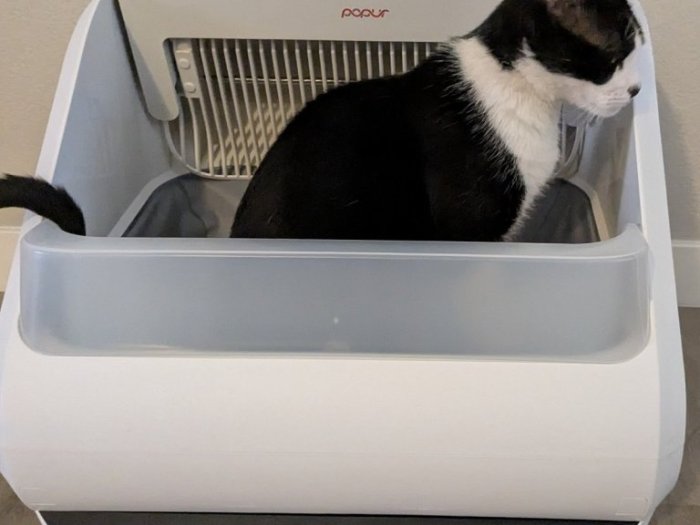
Source: cats.com
Regular veterinary checkups are crucial for senior cats, including screening for common health conditions that can affect litter box habits.
- Importance of Checkups: Annual or bi-annual checkups allow your veterinarian to monitor your cat’s overall health and identify any potential problems early on.
- Medical Conditions & Litter Box Habits: UTIs, kidney disease, and diabetes can all impact litter box habits.
- Diagnostic Tests: Your veterinarian may recommend a urinalysis, blood work, and a physical examination to evaluate litter box problems.
- Questions for Your Veterinarian: Ask about potential medical causes of the litter box issues, treatment options, and any lifestyle changes that may be necessary.
Behavioral Enrichment & Stress Reduction
Environmental enrichment can reduce stress and anxiety in older cats, potentially improving litter box habits.
| Enrichment Activity | Description | Benefits for Senior Cats |
|---|---|---|
| Gentle Play | Short, low-impact play sessions with toys like feather wands or laser pointers. | Provides mental stimulation, reduces boredom, and encourages movement. |
| Puzzle Feeders | Food-dispensing toys that require cats to work for their meals. | Stimulates their minds, slows down eating, and prevents boredom. |
| Window Perches | Provide a comfortable spot for cats to observe the outdoors. | Offers visual stimulation and a sense of security. |
Special Considerations for Cats with Cognitive Dysfunction
Cognitive dysfunction syndrome (CDS) can significantly impact litter box habits in older cats. Maintaining a consistent routine and environment is crucial for managing this condition.
- Impact of CDS: CDS can cause confusion, disorientation, and changes in litter box habits.
- Consistent Routine: Stick to a regular feeding schedule, playtime routine, and bedtime.
- Managing Confusion: Keep the environment familiar and avoid making sudden changes.
- Medication & Dietary Changes: Your veterinarian may recommend medication or dietary changes to manage CDS and its impact on litter box behavior.
Final Thoughts
Navigating the world of senior cat litter box care can feel overwhelming, but with a little knowledge and effort, you can significantly improve your cat’s quality of life. From choosing the right litter box and litter to addressing behavioral issues and consulting with your veterinarian, every step contributes to a happier, healthier senior feline. Remember, patience and observation are your best tools – paying close attention to your cat’s cues and adapting your approach accordingly will ensure they feel comfortable and secure, allowing them to enjoy their golden years with dignity and ease.
By implementing the strategies Artikeld here, you’re not just addressing litter box issues; you’re providing your older cat with a supportive and loving environment that caters to their unique needs. A comfortable and accessible litter box is a cornerstone of their overall well-being, and investing in their comfort is an investment in their happiness.
Questions Often Asked
Why is it important to choose a soft litter for older cats?
Soft litter is gentler on sensitive paws and can help prevent respiratory irritation, which is more common in older cats due to age-related changes.
How often should I clean the litter box for a senior cat?
Ideally, scoop the litter box at least once daily, and even twice daily if possible. Thorough cleaning and disinfection should be done weekly.
My senior cat is suddenly avoiding the litter box. What should I do?
A vet visit is crucial to rule out any underlying medical conditions. Also, consider if there have been any changes in the environment or litter box setup that might be causing stress or discomfort.
What are some signs of cognitive dysfunction syndrome (CDS) related to litter box habits?
Signs include forgetting where the litter box is, having accidents outside the box, and a general lack of awareness regarding bathroom needs.
Can I use enzymatic cleaners if my cat has an accident outside the litter box?
Yes! Enzymatic cleaners effectively eliminate odors that can attract your cat back to the same spot, discouraging repeat accidents.
What kind of ramp can I add to a litter box for a cat with arthritis?
A small, sturdy ramp with a non-slip surface is ideal. You can purchase pre-made ramps or create a DIY version using wood and carpet scraps.
How can I make the litter box area more private for my senior cat?
Place the litter box in a quiet, low-traffic area away from loud noises and disturbances. Consider using a screen or partial enclosure to create a sense of privacy.

