Finding the Best Cat Drinking Fountains for Happy, Hydrated Cats

Keeping your feline friend properly hydrated is absolutely vital for their overall health and well-being. Kidney problems and urinary tract issues are common concerns in cats, and encouraging them to drink more water is a simple yet powerful preventative measure. While a bowl of still water works for some, many cats find it unappealing. That’s where cat drinking fountains come in! They offer a constant supply of fresh, flowing water, mimicking natural sources and enticing even the pickiest drinkers.
We’ll explore the different types, materials, and features to help you choose the best cat drinking fountains for your furry companion.





From electric models with advanced filtration to simple gravity-fed options, the market is brimming with choices. Understanding the pros and cons of each type, along with the importance of proper cleaning and maintenance, is key to ensuring your cat enjoys a safe and healthy drinking experience. We’ll break down everything you need to know, from material durability to noise levels, so you can confidently select a fountain that meets your cat’s needs and your budget.
The Ultimate Guide to Cat Drinking Fountains: Keeping Your Feline Hydrated
We all know cats can be notoriously picky, and that includes when it comes to their water. Many cats simply don’t drink enough, which can lead to serious health problems down the line. Adequate hydration is absolutely crucial for feline health, playing a vital role in everything from kidney function to urinary tract health. This guide will walk you through everything you need to know about cat drinking fountains – from the different types available to choosing the right one for your furry friend, and keeping it sparkling clean.
Let’s dive in!
Why are fountains so important? Unlike us, cats aren’t always drawn to standing water in a bowl. They often prefer moving water, mimicking the natural sources they’d encounter outdoors. Drinking fountains encourage cats to drink more, providing fresh, flowing water that’s more appealing. Plus, the constant movement helps prevent the water from becoming stale and accumulating dust or debris.
You’ll find a variety of options on the market, including ceramic, stainless steel, and plastic fountains, both electric and gravity-fed. Understanding the differences is key to making the right choice.
Types of Cat Drinking Fountains: A Detailed Comparison
Source: hepper.com
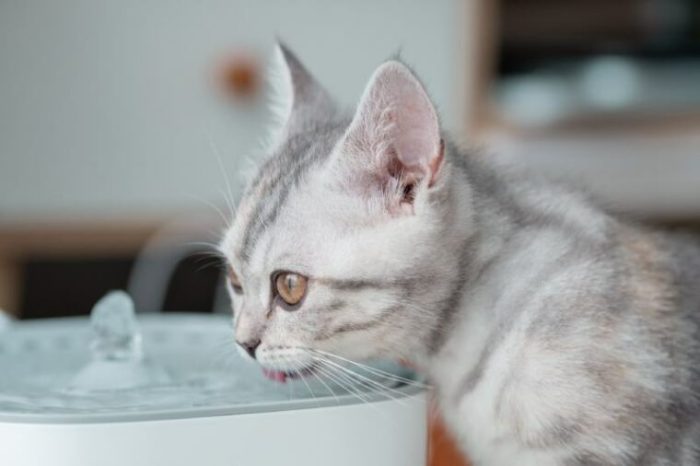
Choosing between an electric and gravity-fed fountain is a big decision. Electric fountains use a pump to circulate the water, offering a consistent flow and often incorporating filtration systems. However, they require electricity and can sometimes be noisy. Gravity-fed fountains rely on physics – water flows from a reservoir as the bowl empties – making them silent and energy-free. But they might not provide as consistent a flow, and the water can sit for longer periods, potentially becoming less fresh.
The material of the fountain also matters. Ceramic is generally considered hygienic and doesn’t impart a taste to the water, but it can be more fragile. Stainless steel is durable and easy to clean, but some cats might not like the metallic taste. Plastic is the most affordable option, but it can harbor bacteria if not cleaned regularly.
| Material | Durability | Cleanability | Cost | Potential for Bacteria | Cat Preference (Hypothetical) |
|---|---|---|---|---|---|
| Ceramic | Moderate (can chip or break) | Good (dishwasher safe, but handle with care) | Moderate to High | Low (non-porous) | High (many cats prefer the taste) |
| Stainless Steel | High (resistant to scratches and dents) | Excellent (easy to wipe clean) | Moderate | Low (if properly cleaned) | Moderate (some cats dislike the taste) |
| Plastic | Low (can scratch and degrade over time) | Fair (requires thorough scrubbing) | Low | High (porous, can harbor bacteria) | Variable (some cats are fine with it) |
Filtration Systems: Ensuring Water Purity
The water your cat drinks should be as clean and fresh as possible. Most cat drinking fountains incorporate filtration systems to remove impurities and improve taste. Activated carbon filters are common, absorbing chlorine, odors, and organic contaminants. Sponge filters trap larger particles like hair and debris. Ion exchange resin filters can help reduce mineral content and soften the water.
Regular filter replacement is absolutely essential. Activated carbon filters typically need replacing every 2-4 weeks, sponge filters every 1-2 months, and ion exchange resin filters every 2-3 months. Ignoring filter replacement can lead to a buildup of bacteria and contaminants, posing serious health risks to your cat. These risks include urinary tract infections, kidney stones, and gastrointestinal upset.
- Urinary Tract Infections (UTIs): Bacteria in unfiltered water can easily infect the urinary tract.
- Kidney Stones: Mineral buildup from unfiltered water can contribute to the formation of kidney stones.
- Gastrointestinal Upset: Contaminants can cause vomiting, diarrhea, and other digestive issues.
- Dehydration: If the water tastes bad, your cat may avoid drinking it, leading to dehydration.
Features to Consider: Beyond the Basics
Beyond the basic functionality of providing water, several features can enhance a cat drinking fountain’s appeal and effectiveness. The flow rate is important – some cats prefer a gentle trickle, while others like a more vigorous stream. A quieter fountain is also crucial, as loud noises can deter cats from drinking. Multiple drinking bowls can accommodate multi-cat households or provide options for cats with different preferences.
Adjustable flow settings allow you to customize the water flow to your cat’s liking. Water level indicators help you monitor the water supply and ensure the fountain is always functioning properly. Many modern fountains also include UV sterilization, which uses ultraviolet light to kill bacteria and viruses in the water, providing an extra layer of protection.
Stability is another key consideration. A wobbly or easily tipped fountain can be a safety hazard and scare your cat. Look for fountains with a wide base and non-slip feet to prevent accidents.
Top Fountain Models: Examining Specific Products
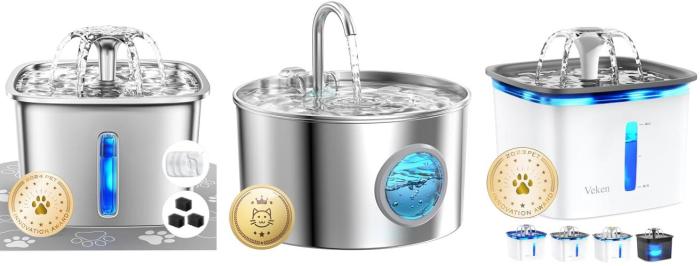
Let’s take a look at five popular cat drinking fountain models and their key features. Each has its own strengths and weaknesses, so consider your cat’s specific needs and preferences when making a decision.
Cleaning and Maintenance: Keeping Your Fountain Hygienic
Regular cleaning is paramount to preventing bacterial growth and algae buildup in your cat’s drinking fountain. A thorough cleaning should involve disassembling the fountain, washing all parts with warm, soapy water, and sanitizing with a diluted vinegar solution. Rinse thoroughly to remove any soap or vinegar residue. Pay close attention to the pump and filter housing, as these areas are prone to bacterial growth.
Vinegar is a natural descaler and disinfectant, effectively removing mineral deposits and killing bacteria. A regular cleaning schedule is essential for maintaining a healthy and hygienic water source for your cat.
Here’s a simple flowchart to guide your cleaning schedule:
- Daily: Rinse the bowl with fresh water.
- Weekly: Disassemble the fountain and wash all parts with warm, soapy water.
- Monthly: Deep clean with vinegar solution, sanitize, and replace filters as needed.
Cat Preferences: Understanding Feline Drinking Habits
Source: animalspick.com
Cats are individuals, and their preferences for drinking fountains can vary widely. A kitten might be more adventurous and willing to try a new fountain, while an older cat might be more set in its ways. Some cats prefer running water, while others are perfectly content with still water. Introducing a new fountain should be done gradually, placing it near their existing water bowl and allowing them to explore it at their own pace.
If your cat refuses to drink from the fountain, try adjusting the flow rate, moving the fountain to a different location, or adding a small amount of tuna juice to the water to entice them.
Addressing Common Concerns: Noise, Electricity, and Safety
Noise is a common concern with electric fountains. To minimize noise, place the fountain on a rubber mat or a surface that absorbs vibrations. Consider models specifically designed for quiet operation. Electrical safety is also crucial. Always use a GFCI outlet to prevent electric shock.
Be mindful of potential hazards like exposed wires or small parts that could be ingested. Regularly inspect the fountain for any signs of damage.
Safety Precautions for Electric Cat Fountains:
- Always use a GFCI outlet.
- Regularly inspect the power cord for damage.
- Keep small parts out of reach of children and pets.
- Unplug the fountain before cleaning.
- Never submerge the electrical components in water.
Advanced Features and Innovations
Source: catster.com
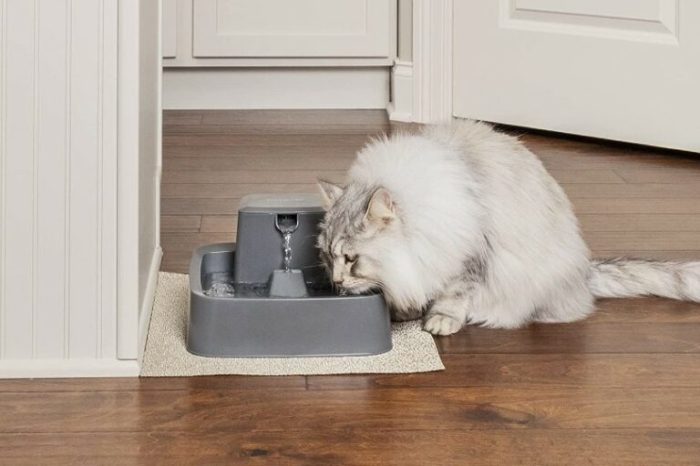
The world of cat drinking fountains is constantly evolving. Emerging technologies include smart fountains with app connectivity, allowing you to monitor water levels and filter status remotely. Self-cleaning fountains automate the cleaning process, saving you time and effort. Some fountains incorporate sensors to detect water quality and alert you to potential issues, ensuring your cat always has access to fresh, clean water.
Imagine a “dream” fountain: a sleek, ceramic design with a whisper-quiet pump, a multi-stage filtration system, UV sterilization, automatic water level monitoring, and a self-cleaning function – the ultimate in feline hydration!
Budget Considerations: Finding the Right Fountain for Your Price Range
Cat drinking fountains range in price from under $30 to over $60. Fountains under $30 typically offer basic functionality and may be made of plastic. $30-$60 fountains often include improved filtration systems and more durable materials. Fountains over $60 usually boast advanced features like UV sterilization, smart connectivity, and self-cleaning capabilities. Consider your budget and prioritize the features that are most important to you.
A durable, well-filtered fountain is a worthwhile investment in your cat’s health, even if it means spending a little more upfront.
Epilogue
Navigating the world of cat drinking fountains can feel overwhelming, but hopefully, this guide has shed some light on the key factors to consider. Whether you’re dealing with a fussy drinker, concerned about water purity, or simply want to provide your cat with the best possible care, there’s a fountain out there that’s perfect for them. Remember to prioritize safety, cleanliness, and your cat’s individual preferences to create a hydration haven they’ll love!
Investing in a good quality fountain isn’t just about convenience; it’s about investing in your cat’s long-term health and happiness. So, take the time to research, compare options, and choose a fountain that will keep your feline friend hydrated, healthy, and thriving.
Essential Questionnaire
How often should I replace the filter?
It depends on the filter type! Activated carbon filters typically need replacing every 2-4 weeks, sponge filters every 1-2 months, and ion exchange resin filters every 3-6 months. Always check the manufacturer’s recommendations.
Can I use tap water in a cat fountain?
While you
-can*, it’s best to use filtered water or let tap water sit for 24 hours to allow chlorine to evaporate. Chlorine can affect the taste and potentially be harmful to cats.
My cat is scared of the fountain’s noise. What can I do?
Try placing the fountain on a rubber mat to dampen vibrations. Look for models specifically marketed as “quiet” or consider a gravity-fed fountain, which tends to be quieter than electric ones.
Are electric cat fountains safe?
Yes, but it’s crucial to use a GFCI outlet and regularly inspect the cord for damage. Choose a fountain with a low voltage to minimize risk.
How do I clean the fountain thoroughly?
Disassemble the fountain completely. Wash all parts with warm, soapy water. Sanitize with a diluted vinegar solution (1 part vinegar to 9 parts water). Rinse thoroughly and allow to dry completely before reassembling.
What are the health risks of unfiltered water for cats?
Unfiltered water can contain bacteria, parasites, and heavy metals that can lead to gastrointestinal upset, infections, and long-term health problems like kidney disease.