Attention Seeking Behavior In Cats What It Actually Means And How To Fix It

If you’ve ever been woken at 3am by loud yowling, had your work laptop sat on mid deadline, or watched your coffee get knocked off the counter for no obvious reason, you’ve already searched for answers about this. You don’t want to yell at your cat, you don’t want to punish them, you just want the constant frustration to stop.
Almost every piece of common advice you will find online for this is actively harmful. What gets labelled as rude, manipulative or bad behaviour is nearly always just your cat communicating a need the only way they know how. We are ditching the lazy “just ignore them” myth, breaking down what each action actually means, and walking through simple daily changes that work long term.

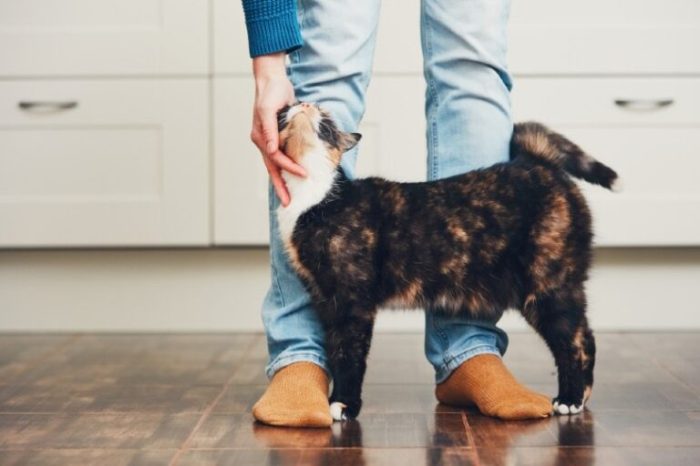
Source: thevetdesk.com
Last Tuesday at 2:47am, I woke up to my cat Mochi repeatedly slapping my forehead with her paw. Not hard. Just deliberate. One smack. Pause. Another.
I didn’t move. I laid there with my eyes half open, watching her. She wasn’t hungry. Her bowl was full. Litter box was clean. She didn’t even want pets. If I reached for her, she’d bolt three feet away and sit staring.
That’s the thing no one warns you about cats. They don’t beg for attention. They demand it on their own weird terms. And half the time, you won’t even realise that the annoying thing they’re doing is just them going hey. Look at me.
It’s not ‘bad behaviour’. It’s a signal.
Most cat owners get this wrong. We see them knocking cups off the counter, or yowling at nothing at 5am, or chewing the corner of your laptop charger and we go stop being a brat.
But that’s not what’s happening. Cats don’t act out for the hell of it. They don’t have a little evil agenda. They just haven’t figured out a politer way to say I exist right now and I would like you to acknowledge that.
And here’s the quiet secret: most attention seeking behaviour happens because you’ve accidentally trained them to do it.
Don’t get defensive. I did this too.
The first time Mochi knocked my water glass over? I yelled. I jumped up. I gave her 10 full seconds of undivided human attention. For her? That was a win. Better than any treat. She learned very fast: knock thing, human reacts.
The quiet signs no one notices
Most people only spot the loud, destructive stuff. But there’s way smaller clues happening every single day that you’re probably missing:
- Sitting directly on the thing you are looking at. Not next to it. On it.
- Following you from room to room, but never getting close enough to touch
- Slow blinking at you from across the room, over and over
- Making one tiny quiet meow, then waiting. Not yelling. Just one little noise, like a text ping
You will miss these. I missed these for two years. I would be scrolling my phone, see Mochi sitting on my notebook staring, and just go yeah that’s just cat stuff.
No. That was her asking nicely. That was her using her manners. And when I ignored her? That’s when the forehead slaps started.
You don’t have to drop everything. You just have to notice.
This is the part that changed everything for me. I used to get so frustrated. I’m busy. I’m working. I can’t stop typing every time the cat wanders past.
Turns out you don’t have to.
Cats don’t want full undivided attention. They don’t want to be held for an hour. They don’t want play time. They just want proof that you know they are there.
I tried an experiment. Every time Mochi came and hung around my desk, I didn’t stop working. I just said her name out loud. Once. Glanced at her. Blinked slow. Then went back to typing.
That was enough. 9 times out of 10, she would curl up on the rug next to my chair and go to sleep. No charger chewing. No cup knocking. Nothing. Just quiet.
It sounds stupid. It feels silly talking to your cat like they’re a coworker popping by your desk just to say hi. But it works.
And stop feeling guilty when you don’t want to pet them. Half the time they don’t even want to be touched. They just want to be in the same room as you, with the unspoken agreement that you will both acknowledge each other’s existence every ten minutes or so.
When it’s not just attention
Okay, let’s be clear. Sometimes this behaviour is not normal. If your cat suddenly starts acting way more clingy or demanding out of nowhere, that’s not them being annoying. That’s them telling you something is wrong.
Cats hide pain unbelievably well. Sudden attention seeking is one of the first signs most owners miss. If this happens, go to the vet. Don’t wait. Don’t write it off as them just being dramatic.
But 9 times out of 10? It’s not that. It’s just a little animal that lives in your house, that loves you, that has no thumbs and very bad communication skills.
I think about this a lot. We brought this animal into our home because we wanted company. We wanted something that would be happy when we walked through the door. And then when they show us they care, we get annoyed.
Last night Mochi slapped my forehead again at 3am. I didn’t sigh. I didn’t pretend to be asleep. I just opened one eye, blinked at her. She blinked back. Then she curled up at the foot of the bed and went to sleep.
No drama. No broken glasses. Just two creatures, sharing a space, reminding each other they’re not alone.
That’s all it ever was.
This was never about training your cat to stop being a cat. It’s about learning to speak their language, so they don’t have to yell or cause chaos to be heard. Those small annoying habits aren’t personal attacks, they are little messages from an animal that loves and relies on you. Once you meet that need before they have to demand it, both of you finally get to relax.
