If you’ve ever sat bleary eyed at 2am typing this question after your cat had a full meltdown over a moved couch, lined every single toy in perfect order, or hid for 18 hours after one guest visited, you are not crazy. You are also far from the only cat guardian who has noticed these familiar patterns.
This conversation is not about slapping a human medical label onto an animal. It is about validating what you have observed, explaining why most vets will dismiss this question, and giving you real, simple steps to support your cat instead of writing off their behaviour as just being weird or difficult.

Last Tuesday I sat cross legged on my kitchen floor at 1:17am, watching my tabby Mochi bat the same bread crumb back and forth across the linoleum. He’d been doing this for 42 minutes straight. I called his name. He didn’t even flick an ear. Three days prior I’d moved his food bowl two inches to the left. He refused to eat for 18 hours.
That night I typed the question into Google that every owner of a very particular cat has typed at 1am: can cats be autistic?
First, let’s throw out the human labels
Let’s get the official line out first. No. Veterinarians and animal behaviourists do not diagnose autism in cats.
Autism is a diagnostic framework we built for human beings. It relies on self reporting of internal experience, on tracking developmental milestones, on understanding how someone thinks and feels. We can’t ask a cat about sensory overload. We can’t ask them why they don’t want to play. We can only watch what they do.
This is where every boring internet argument starts. One side yells it’s impossible. The other side yells that you’ve obviously never met their cat. Both are missing the point.
The behaviours everyone recognises
People don’t ask this question for no reason. Almost everyone who lands on that search bar has watched their cat do things that don’t fit normal cat weirdness. They see patterns like:
- Repetitive, purposeless movements repeated for hours — pacing the exact same line along a wall, batting the same spot on the carpet, spinning before every drink
- Extreme, disproportionate distress over tiny, unnoticeable changes. A new cushion. A different brand of litter mat. Closing a door that’s usually open.
- Consistently avoiding eye contact, even with people they trust completely
- Wildly over or under reacting to touch, sound or smell
- No interest in typical cat play, or only playing in one very specific, rigid way
Most people read this list and go oh. That’s exactly my cat.
And yes, these behaviours can be anxiety. They can be undiagnosed pain. They can be a dozen other things we do have names for. But sometimes they’re not. Sometimes you run every test, rule out every other cause, and you’re just left with a cat that processes the world differently.
What behaviourists will admit off the record
There is no peer reviewed study proving feline autism exists. There is no diagnostic checklist. No vet will write that word on a medical form.
But ask any behaviourist who has worked with thousands of cats, and they will quietly say the same thing. They have seen cats that don’t fit any other box. Cats that aren’t stressed, aren’t hurt, aren’t unhappy — just built different.
That’s the part no clickbait pet article will tell you. It doesn’t actually matter what you call it.
Stop arguing about the label. Start caring for the cat.
I hate how this entire conversation always devolves into people yelling at each other about diagnostic criteria. Who cares?
If your cat panics every time you rearrange the couch, you don’t need an official autism diagnosis to stop rearranging the couch. If they hate being petted, don’t pet them. If they need the exact same bedtime routine every single night, follow that routine.
It doesn’t matter if it’s autism, anxiety, or just that cat being a weird little guy. You adjust for them anyway.
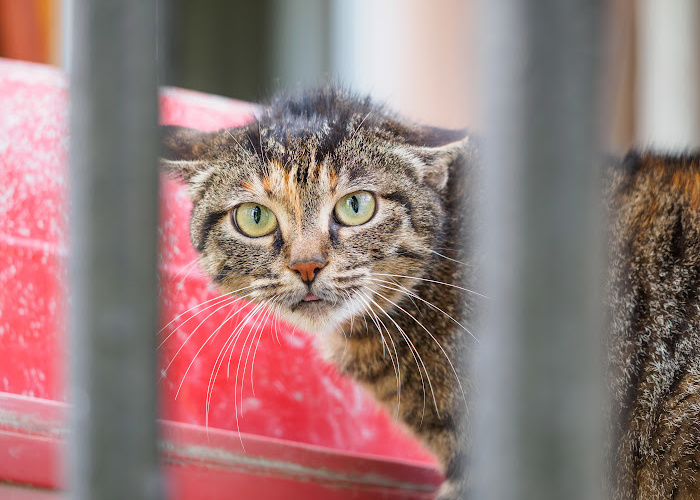
Source: surferseo.art
I’ve watched so many owners waste months arguing online about labels instead of just making their cat’s life easier. That’s the stupidest part of this whole debate.
And for what it’s worth? A lot of autistic people have told me they see themselves in these cats. They recognise the overstimulation, the relief of routine, the way everyone calls you difficult just for existing the way you are. That connection is real. It doesn’t have to be medically official to matter.
The one thing everyone gets wrong
You don’t need a diagnosis to love something well.
Mochi still bats crumbs for an hour every evening. He still runs and hides if I turn the blender on. He still won’t sit on my lap, but he will sleep exactly 12 inches away from my feet every single night.
I don’t call him autistic. I don’t need to. I just know his water bowl goes on the left side of the mat. I know he hates new people. I know he likes it quiet.
That’s enough.
At the end of the day, this question was never really about veterinary science. It’s about people looking at their weird, wonderful cat and going is there a name for the way you are?
Sometimes there isn’t. Sometimes that’s fine.
Sometimes the only label you need is mine.
At the end of the day, you do not need an official diagnosis to love and care for your cat properly. Labels only exist to help us understand needs, not to decide which lives deserve patience and kindness. Stop calling your cat stubborn, mean or strange. See them instead, adjust your home for their brain, and you will both have a far happier life together.

