If you’ve spent even ten minutes googling cat health issues, you’ve already stumbled on the endless arguments about salmon food. Half the internet swears it cures every cat problem, the other half warns it will make your cat sick, and no one gives you straight, usable answers.
This guide cuts past viral hype and brand marketing. We’ll cover exactly when salmon is right for your cat, when you should avoid it entirely, the industry secrets hidden on ingredient labels, and the simple checks that work for every brand on the shelf.
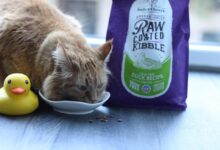
Last Tuesday I was kneeling on my scuffed linoleum kitchen floor at 11pm, holding a crumpled half-empty bag of salmon cat food and scrolling 1-star reviews at 2am. My senior cat Mochi had refused three meals that day. The vet said salmon was the only protein his cranky old kidneys could tolerate right now. And every single option online was either full of garbage, or cost more per pound than the salmon I cook for myself.
Nobody warns you about this. You google “best salmon cat food” and get 47 identical listicles all shilling the same 5 affiliate brands. None of them will tell you the actual messy, annoying truth of picking this stuff. I’ve wasted three weeks and $127 testing this. Let’s save you the headache.
Why everyone is suddenly pushing salmon cat food
Salmon isn’t a trend for no reason. It has the good omega fats that stop your cat’s coat from turning into a cloud of static fur. It’s gentle on sensitive stomachs. For older cats with kidney issues, it’s often one of the only proteins they’ll both keep down and actually want to eat.
But here’s the catch. 90% of the bags labelled “salmon cat food” are lying to you. They aren’t salmon cat food. They’re corn cat food with a tiny sprinkle of salmon dust and a pretty fish photo on the front. Mochi can tell the difference. He will stare at the bowl, stare at you, then go nap on your clean laundry out of spite.
The 3 things I actually check now, no fancy marketing
I don’t read the front of the bag anymore. I flip straight to the tiny ingredient list on the back. These are the only rules that matter:
1. Whole salmon is the very first ingredient
Not salmon meal. Not salmon by-product meal. Not “natural salmon flavour”. If the first line says anything else — corn, wheat, pea protein, chicken byproduct — put the bag back. It doesn’t count.
This is the oldest trick in pet food. Brands will list 12 different filler ingredients first, then add 2% salmon and slap a giant fish on the packaging. I fell for this twice. Mochi knew immediately. He didn’t even sniff the bowl.
2. Stop fighting about farmed vs wild salmon
You will see thousands of people argue about this online. Ignore all of them.
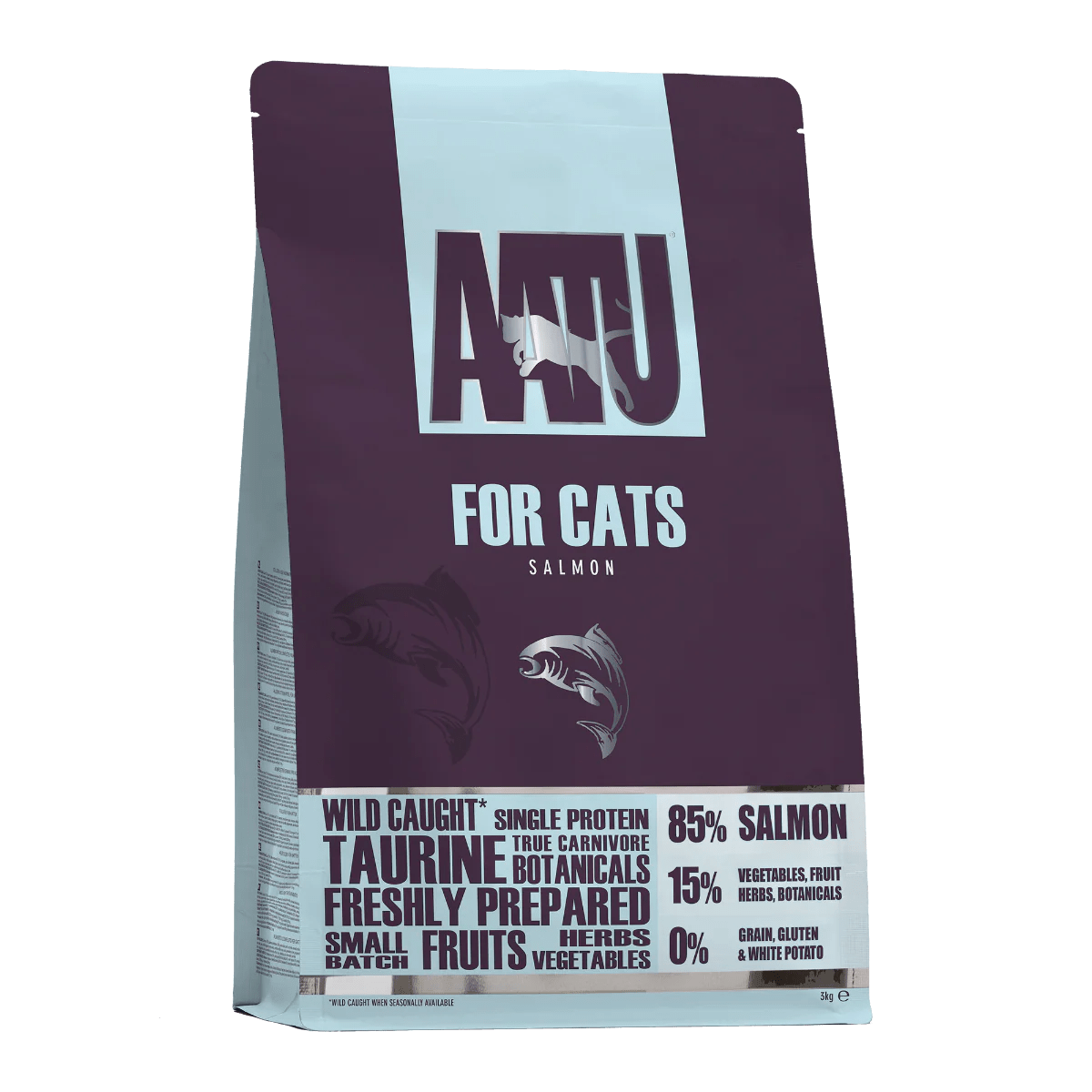
Source: thevetstore.me
Almost every salmon used in commercial cat food is farmed. The ones that claim wild salmon are either lying, or cost $18 for a single 3oz can. And you know what? Properly tested farmed salmon is fine. Your cat does not care if it swam in a Alaskan river. It cares if it doesn’t throw up on your duvet two hours later.
3. No garlic oil. Ever.
I don’t care how many cat influencers say it prevents fleas. Garlic is toxic for cats in even small consistent doses. Half the most popular salmon formulas sneak this in at the very bottom of the ingredient list. You have to squint to see it. Don’t skip this check.
The mistakes I wasted money on this month
For reference, this is what not to buy:
- The grain-free fancy instagram brand that gave Mochi diarrhea for 4 straight days. They just swapped grain for pea filler, which is actually worse for senior kidneys.
- The premium freeze dried raw salmon that he sniffed once and buried under the rug like it was dead roadkill.
- The budget grocery store brand that smelled so strongly of fish I had to open the bag outside on the porch. Mochi loves this one. I still hold my breath every feeding time.
That’s the thing no one posts about. Good cat food is never perfect. It won’t have pretty packaging. It won’t make you look cool on facebook groups. It will be the one your cat will actually eat, that doesn’t cause weird litter box surprises, that you can afford every single week without skipping your morning coffee.
One last thing no listicle will tell you
Don’t buy the big bag first. Ever. Even if it’s half price. Even if 10,000 people gave it 5 stars. Grab the smallest trial pouch they sell. Test it for 3 full days.
If your cat eats the whole bowl. If they don’t start acting weird. If you don’t find half the food hidden behind the couch? That’s the best salmon cat food. There is no perfect one. There is only the one that works for your specific weird little cat.
Last night Mochi ate an entire bowl. He curled up on my lap afterwards, purring so loud my leg vibrated. That’s the only review that actually matters.
Salmon cat food is never a universal miracle diet, but it can be an incredibly helpful tool for the right cat. It can soothe chronically itchy skin, win over your fussiest eater, and give cats with chicken allergies a safe, palatable meal option. Remember to never feed it exclusively every day, always run the 3 point check on any bag you consider, and don’t be afraid to walk away from products that hide cheap ingredients behind fancy marketing. You don’t need the most expensive food, you just need one that respects both your cat and your wallet.

