If you’ve found yourself bleary eyed scrolling pet food listings at midnight, wiping cat allergy gunk off your shirt, or frustrated after another recall on the chicken food you trusted, you are exactly where thousands of other cat parents have been lately. Duck has fast become the go-to alternative for sensitive cats, but almost everyone is picking the wrong products.
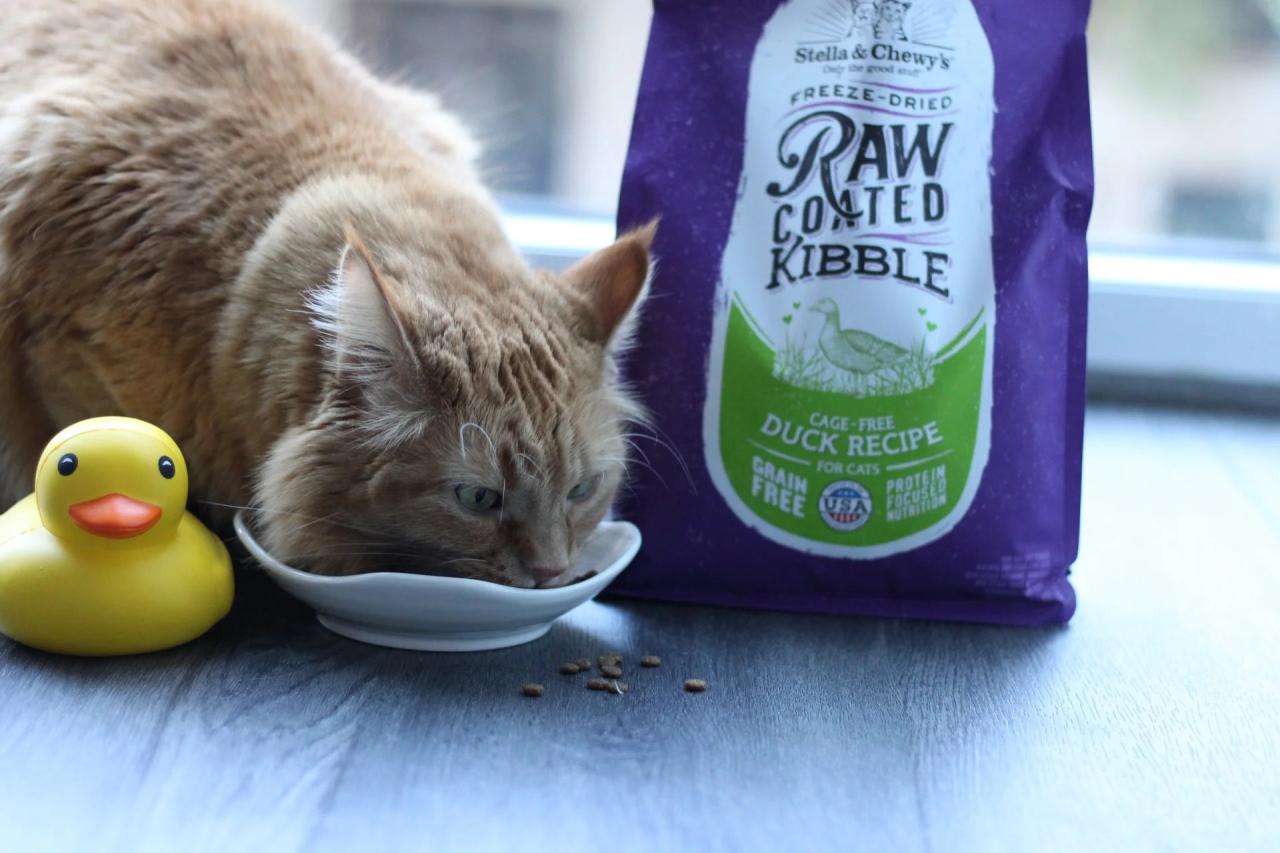
Source: stellaandchewys.com
This guide skips the generic brand hype you see on every other blog. We will cover unspoken downsides of duck food, expose industry labeling loopholes, share vet verified feeding rules, and tell you plainly exactly which cats should never eat duck formula at all.
Last Tuesday I was kneeling on my kitchen floor at 11pm, wiping duck cat food off the baseboards. My senior tabby had knocked the entire bowl over, stared at me like it was my fault, and wandered off to nap on the clean laundry. This was the third brand I’d tried that month.
Everyone online will yell at you about raw diets, or prescription vet food, or that one fancy freeze dried brand that costs more than my groceries. No one ever just tells you about duck. It’s the quiet, unglamorous solution that actually works for most problem cats.
Why duck isn’t just another marketing gimmick
Let’s get one thing straight first. Most cats develop protein sensitivities as they get older. And chicken is the number one allergen by a mile.
No one tells you this. The pet food companies won’t say it. Most vets won’t mention it unless you ask directly. You’ll just spend six months cycling through every fish and turkey formula on the shelf, watching your cat scratch bald spots into their belly and wondering what you’re doing wrong.
Duck is novel protein for most house cats. That means their immune system hasn’t built up a reaction to it yet. It’s also higher in iron and omega 3s than most common cat food proteins, and less inflammatory across the board. It doesn’t sound exciting. It just works.
What actually makes a good duck cat food
90% of the “duck formula” bags you see at the grocery store are garbage. They’ll spray a little duck flavouring on a pile of corn and peas, and charge you twice the price. Don’t fall for it. Here’s what you actually check for:
- Whole duck is the first ingredient on the list. Not duck meal. Not duck by-product meal. Not “natural duck flavour”. If it doesn’t say whole duck first, put the bag back.
- Moisture content over 70%. Dry duck kibble is fine as an occasional snack. It is not a complete meal. Stop lying to yourself that it counts.
- No random plant fillers. Peas, rice, potato, sweet potato? All of it just passes right through them. You’re just paying for expensive litter box filler.
And yes, this rules out almost every popular brand. I wasted $80 on two different highly rated brands before I figured this out. Don’t be me.
The mistakes I made switching over
Oh I messed this up so bad the first time.
I read one good reddit comment, dumped all the old chicken food, and set a full bowl of duck down before bed. My cat went on a full hunger strike for 36 hours. He sat next to the bowl and glared. Wouldn’t even make eye contact with me when I walked past the kitchen.
Cats are petty. They will starve themselves just to prove a point. Don’t rush this.
Do 10% new food for the first three days. 25% for the next three. Work your way up over two full weeks. It’s boring. It’s annoying. It will also save you three days of silent cat judgement.
Who actually needs this?
Duck cat food is not for every cat. If yours eats chicken just fine, has a shiny coat, and normal litter box habits? Don’t switch. Don’t fix what isn’t broken.
But you should try it if you’re dealing with any of this:
- Constant overgrooming or bald spots, especially on the belly or back legs
- Runny poops that make you open every window in the house during litter box duty
- They turn their nose up at every single food you buy after exactly three days
It’s not magic. It won’t fix every health problem. But I have yet to meet a cat with any of those issues that didn’t improve within a month of switching properly.
Last month I took my tabby back for his annual checkup. The vet ran her hand over his coat, flipped through his blood work, and asked what I’d changed. I told her duck food. She nodded and said half her long term clients see the same results. No one talks about it because there’s no big ad budget for it. No influencers get free bags to post about.
That’s annoying.
At the end of the day, this isn’t about buying the most expensive bag on the shelf. It’s about stopping the cycle of panicking and buying whatever new trendy food someone recommended that week.
My cat still knocks his bowl over most nights. He still steals socks and hides them under the couch. But he doesn’t scratch himself raw anymore. He doesn’t throw up on the bed twice a week. That’s enough for me.
And if you’re currently kneeling on your own kitchen floor at midnight, staring at an untouched bowl of cat food and wondering what the hell to try next? Just get the duck one. Give it two weeks. You can thank me later.
At the end of the day, there is no magic food that works for every single cat, but you no longer have to guess your way through crowded pet store shelves. Always start with the smallest trial bag first, take the full 7 days to transition slowly, and never trust the big bold marketing text on the front of the bag alone. Every choice you make for your cat matters, and now you have the tools to pick something that will actually keep them healthy, comfortable, and happy.

