Keeping our feline friends properly hydrated is crucial for their overall health and well-being, and sometimes, a simple water bowl just doesn’t cut it. Cats are notoriously picky drinkers, and a stagnant bowl can quickly turn them off. That’s where cat water fountains come in – offering a constant supply of fresh, flowing water that encourages even the most reluctant sippers.
But with so many options available, choosing the right one can feel overwhelming. We’ll explore the benefits, different types, and key features to help you find the best rated cat water fountain for your furry companion.




Beyond just encouraging drinking, fountains can help prevent urinary tract issues, kidney problems, and other health concerns linked to dehydration. We’ll break down the various materials, filtration systems, and pump technologies, plus discuss how to maintain your fountain for optimal performance and hygiene. Ultimately, the goal is to provide your cat with a safe, appealing, and reliable source of fresh water, leading to a happier and healthier life.
The Ultimate Guide to Cat Water Fountains: Keeping Your Feline Hydrated
Source: meowkai.com
We all know how important hydration is for humans, but it’s just as crucial for our feline friends. Cats are notoriously bad at drinking enough water, often preferring to get their moisture from their food. This can lead to a variety of health problems down the line. Thankfully, cat water fountains offer a fantastic solution, encouraging cats to drink more and stay healthier.
This guide will walk you through everything you need to know about choosing the best cat water fountain for your furry companion, from understanding different materials and filtration systems to troubleshooting common issues.
Why Cat Water Fountains Matter: Hydration and Health
Cats evolved in desert environments, which is why they have a lower thirst drive than many other animals. They’re naturally inclined to conserve water. However, a diet primarily consisting of dry kibble means they’re not getting enough moisture. Dehydration can lead to urinary tract infections (UTIs), kidney disease, and even bladder stones – all serious and potentially life-threatening conditions. A water fountain encourages drinking by providing fresh, flowing water, which is more appealing to cats than still water in a bowl.
The movement also oxygenates the water, making it taste better. Beyond health, a fountain can also be a source of enrichment for your cat, providing a stimulating and engaging activity.
Types of Cat Water Fountains: A Material Breakdown
Cat water fountains come in a variety of materials, each with its own advantages and disadvantages. The most common options are ceramic, stainless steel, and plastic. Understanding these differences is key to choosing a fountain that’s both safe and durable.
| Material | Pros | Cons |
|---|---|---|
| Plastic | Generally the most affordable option, lightweight, often comes in a variety of colors and designs. | Potential for bacterial growth if not cleaned regularly, can leach chemicals (BPA, phthalates) if not BPA-free, less durable than other materials. |
| Stainless Steel | Highly durable, hygienic, doesn’t leach chemicals, easy to clean, resistant to bacterial growth. | Can be more expensive than plastic, some cats may not like the metallic taste, can be noisy depending on the pump. |
| Ceramic | Aesthetically pleasing, doesn’t leach chemicals, can be more appealing to cats due to the natural material. | More fragile than stainless steel, can be porous and harbor bacteria if not glazed properly, can be heavy and difficult to move, often more expensive. |
Top Contenders: Identifying Highly-Rated Models
The market is flooded with cat water fountains, so choosing the right one can feel overwhelming. Here’s a look at some of the most popular and highly-rated models currently available, along with their key features and user experiences.
- PetSafe Drinkwell Platinum: Known for its multi-stage filtration system and stainless steel construction.
- Catit Flower Fountain: A popular choice for its attractive design and quiet operation.
- A2Cat Water Fountain: Features a unique waterfall design and a large capacity.
- Pecute Water Fountain: A budget-friendly option with a simple design and easy-to-clean components.
- IRIS USA Pet Water Fountain: A reliable and affordable fountain with a good flow rate.
- H2Oasis Stainless Steel Fountain: A durable and hygienic option with a simple design.
- FujiPet Water Fountain: Offers a UV sterilization feature for extra water purification.
Each of these fountains distinguishes itself through its filtration system – some using activated carbon, others incorporating foam filters, and a few offering UV sterilization. Pump types vary, with some utilizing submersible pumps and others employing external pumps. Capacity ranges from around 48 ounces to over 128 ounces, catering to different household sizes. Noise levels are a crucial factor, with quieter models generally preferred by both cats and owners.
User experiences consistently highlight the importance of regular cleaning for all models.
| Model Name | Capacity (oz) | Filtration Type | Noise Level (dB) |
|---|---|---|---|
| PetSafe Drinkwell Platinum | 168 | Activated Carbon Filter | 30-40 |
| Catit Flower Fountain | 68 | Foam Filter & Activated Carbon | 20-30 |
| A2Cat Water Fountain | 128 | Foam Filter & Activated Carbon | 25-35 |
| Pecute Water Fountain | 67 | Foam Filter & Activated Carbon | 35-45 |
| IRIS USA Pet Water Fountain | 64 | Foam Filter | 40-50 |
| H2Oasis Stainless Steel Fountain | 80 | Foam Filter | 30-40 |
| FujiPet Water Fountain | 100 | Foam Filter & UV Sterilization | 35-45 |
Filtration Systems: A Deep Dive
The filtration system is the heart of any cat water fountain. It’s responsible for removing impurities and ensuring that your cat is drinking clean, fresh water. Different filtration systems utilize different technologies to achieve this.
Activated Carbon Filters are commonly used to remove chlorine, sediment, and odors, improving the taste of the water. They work through a process called adsorption, where impurities bind to the surface of the carbon. Foam Filters primarily trap larger particles like hair and debris, preventing them from clogging the pump. Ion Exchange Resin is sometimes incorporated to reduce water hardness and remove certain minerals.
While less common, it can be beneficial for cats prone to urinary issues.
The effectiveness of each system varies depending on the contaminant. Activated carbon excels at removing chlorine and odors, while foam filters are best for physical debris. Ion exchange resin is most effective at addressing water hardness.
Here’s a simplified flowchart illustrating the water filtration process:
- Intake: Water is drawn into the fountain.
- Pre-Filter (Foam): Larger particles are trapped.
- Activated Carbon Filter: Chlorine, sediment, and odors are removed.
- Ion Exchange Resin (Optional): Minerals are reduced.
- UV Sterilization (Optional): Bacteria and viruses are eliminated.
- Output: Clean, filtered water is dispensed.
Pump Performance and Noise Levels
Source: technomeow.com
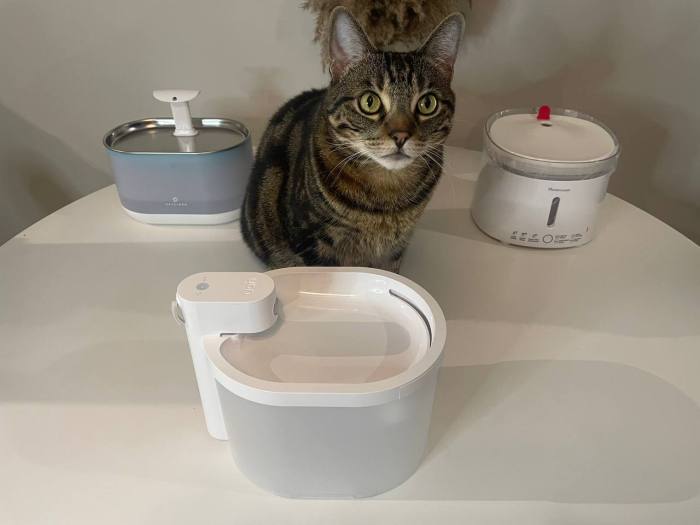
A reliable and quiet pump is essential for a good cat water fountain. The pump circulates the water, keeping it fresh and oxygenated. A noisy pump can deter cats from drinking, while a weak pump can lead to stagnant water and bacterial growth.
Submersible pumps are the most common type, sitting directly in the water. External pumps are located outside the fountain and pump water in, often resulting in quieter operation. Pump performance directly affects water flow and circulation. A strong pump ensures adequate water movement, preventing algae growth and keeping the water fresh.
Troubleshooting common pump issues involves checking for clogs, cleaning the pump intake, and ensuring the water level is sufficient. Fountains known for exceptionally quiet operation include the Catit Flower Fountain (reportedly around 20-30 dB) and the H2Oasis Stainless Steel Fountain (around 30-40 dB). User reviews consistently praise these models for their near-silent operation.
Material Safety and Hygiene
Source: hearstapps.com
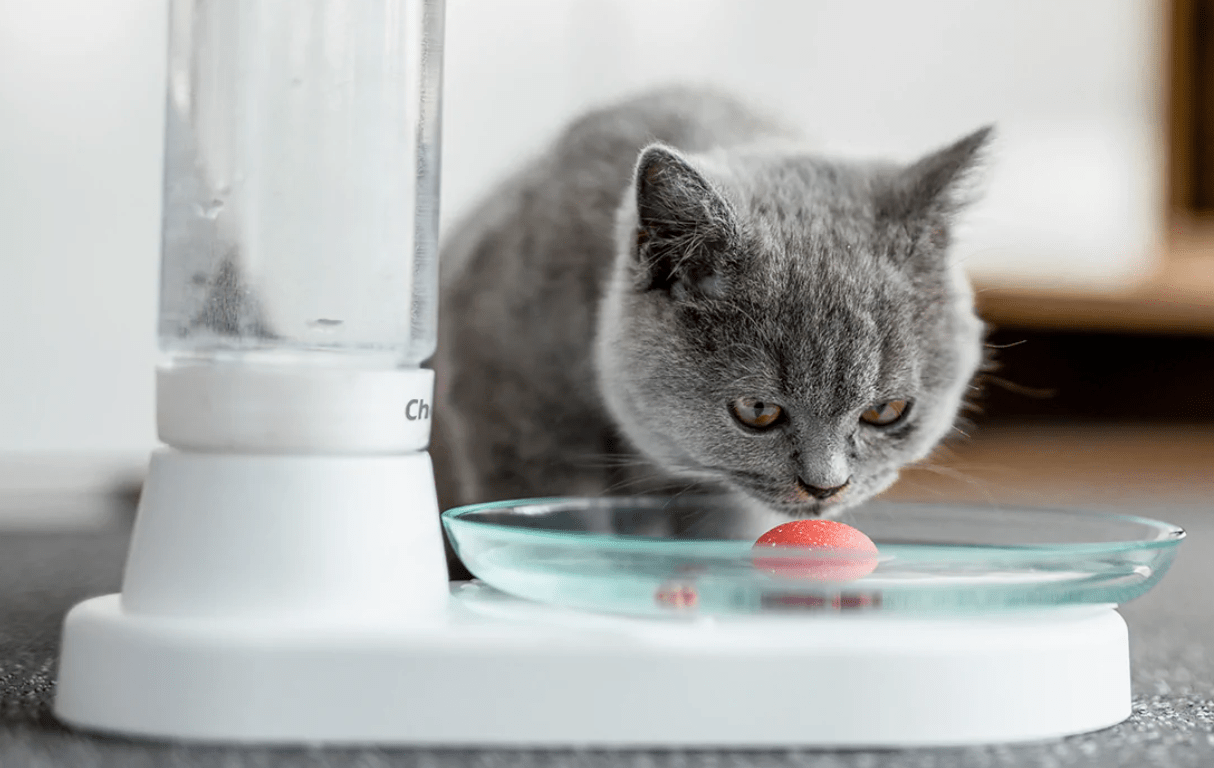
The material of your cat’s water fountain directly impacts its safety and hygiene. Plastic fountains, while affordable, can pose health risks if they contain BPA or phthalates, chemicals that can leach into the water. Stainless steel and ceramic fountains are generally considered safer options, as they don’t leach chemicals and are more durable.
Regular cleaning and disinfection are crucial to prevent bacterial growth, regardless of the material. Here’s a step-by-step guide:
- Disassemble: Take apart the fountain completely, removing all components.
- Wash: Wash all parts with warm, soapy water.
- Disinfect: Disinfect with a diluted bleach solution (1 part bleach to 32 parts water) or a pet-safe disinfectant.
- Rinse: Rinse thoroughly with clean water to remove all traces of bleach or disinfectant.
- Dry: Allow all parts to air dry completely before reassembling.
- Filter Replacement: Replace the filter according to the manufacturer’s instructions (typically every 2-4 weeks).
Capacity and Size Considerations
Choosing the right capacity for your cat’s water fountain depends on the number of cats in your household and their individual drinking habits. A single cat typically needs around 8 ounces of water per day, but this can vary. Multi-cat households require a fountain with a larger capacity to ensure all cats have access to fresh water.
Fountain size also matters. A larger fountain provides more surface area for water evaporation and can be more appealing to cats. Here’s a general guide:
- Single-Cat Household: A 64-80 ounce fountain is usually sufficient.
- Multi-Cat Household (2-3 cats): A 100-128 ounce fountain is recommended.
- Large-Breed Cat Household: Consider a 128+ ounce fountain to accommodate increased water intake.
Features and Functionality
Beyond basic water dispensing, many cat water fountains offer additional features that can enhance the cat’s drinking experience and improve convenience for the owner. Timers allow you to control when the fountain operates, while automatic shut-off features prevent overflows. Adjustable water flow caters to cats with different preferences – some prefer a gentle trickle, while others enjoy a more vigorous stream.
Some fountains even offer unique features like UV sterilization, which eliminates bacteria and viruses, and Wi-Fi connectivity, allowing you to monitor and control the fountain remotely.
| Feature | Benefit |
|---|---|
| Timer | Conserves energy and allows for customized operation. |
| Automatic Shut-Off | Prevents overflows and ensures safety. |
| Adjustable Water Flow | Caters to individual cat preferences. |
| UV Sterilization | Eliminates bacteria and viruses for extra water purification. |
| Wi-Fi Connectivity | Allows for remote monitoring and control. |
User Reviews and Ratings
Interpreting user reviews and ratings is crucial when selecting a cat water fountain. Pay attention to recurring themes and concerns. Positive reviews often highlight ease of use, quiet operation, and durability. Negative reviews frequently mention pump issues, difficulty cleaning, or concerns about water quality.
“My cat was hesitant to drink from his bowl, but he loves this fountain! He drinks so much more now, and I feel better knowing he’s staying hydrated.”
“The pump started making a loud noise after a few months, which was disappointing. I had to replace it.”
Be wary of fake or biased reviews. Look for reviews with detailed descriptions and multiple photos. Cross-reference reviews from different sources to get a more balanced perspective.
Last Recap
Navigating the world of cat water fountains can seem complex, but understanding the key factors – material safety, filtration effectiveness, pump reliability, and ease of maintenance – empowers you to make an informed decision. By considering your cat’s individual preferences and your household needs, you can select a fountain that not only encourages hydration but also seamlessly integrates into your home.
Investing in a quality fountain is an investment in your cat’s health and happiness, ensuring they have access to the fresh, flowing water they need to thrive.
Common Queries
How often should I clean my cat water fountain?
Daily rinsing of the bowl is ideal, with a thorough cleaning and disinfection every 1-2 weeks. Filter replacements should follow the manufacturer’s recommendations, typically every 2-4 weeks.
Can I use tap water in a cat water fountain?
While possible, it’s generally recommended to use filtered or distilled water to minimize mineral buildup and potential contaminants. Tap water can contain chlorine and other chemicals that some cats may find unappealing.
What are the signs that my cat doesn’t like their water fountain?
If your cat avoids the fountain, drinks very little, or seems stressed around it, try adjusting the water flow, moving the fountain to a different location, or switching to a different model.
Are ceramic fountains better than plastic ones?
Ceramic fountains are generally considered more hygienic and durable than plastic, as they are less prone to scratching and bacterial growth. However, they can be heavier and more expensive.
How do I know if the pump in my fountain is failing?
Signs of a failing pump include reduced water flow, unusual noises (grinding, rattling), or the fountain completely stopping. Check for obstructions in the pump and impeller, and consider replacing the pump if the problem persists.
What does “dB” mean when referring to fountain noise?
dB stands for decibels, a unit of measurement for sound intensity. Lower dB numbers indicate quieter operation. Look for fountains with dB levels below 30 for minimal disturbance.