Let’s face it, getting our feline friends to drink enough water can be a challenge! Many cats just aren’t fans of still water bowls, often preferring to sniff and turn away. But proper hydration is absolutely vital for their health, supporting everything from kidney function and urinary tract health to overall vitality. Luckily, a cat water fountain can be a game-changer, encouraging them to drink more while also appealing to their natural instincts.
We’ll explore the world of cat water fountains, diving into different types, filtration systems, and features to help you find the perfect one for your furry companion.




The good news is there’s a fountain out there for every cat and budget. From simple gravity-fed designs to sophisticated electric models with UV sterilization, the options can feel overwhelming. This guide breaks down everything you need to know, comparing materials, noise levels, capacity, and more, so you can confidently choose a fountain that keeps your cat happy, healthy, and hydrated.
Why Cats Need Water Fountains
Many cat owners are surprised to learn that cats often don’t drink enough water. Unlike dogs, who might readily lap up water from a bowl, cats can be surprisingly picky about their hydration sources. This isn’t just a quirky feline preference; it’s rooted in their evolutionary history and can significantly impact their health. Understanding why cats avoid still water and the benefits of increased water intake is the first step in ensuring your feline friend stays properly hydrated.Cats are desert-dwelling creatures descended from ancestors who got most of their moisture from their prey.
This means they didn’t have a strong instinct to seek out standing water. Furthermore, wild cats often avoid stagnant water sources due to the risk of contamination. Domestication hasn’t entirely erased these instincts. Many cats find the taste and smell of water sitting in a bowl unappealing, especially if the bowl is plastic, which can impart a flavor. The movement of water, however, mimics the natural flow they’d encounter in the wild, triggering a more instinctive desire to drink.Adequate hydration is crucial for a cat’s overall well-being.
It plays a vital role in kidney function, helping to flush out waste products and prevent the formation of crystals and stones. Sufficient water intake also supports urinary tract health, reducing the risk of urinary infections and blockages, a common and serious problem in cats. Beyond the physical benefits, the act of drinking moving water can be psychologically stimulating for cats, providing a source of enrichment and entertainment.
A variety of water fountains are available, ranging from simple gravity-fed models to sophisticated electric fountains with filtration and sterilization features.
Types of Cat Water Fountains: A Comparative Overview
Source: kittyspout.com
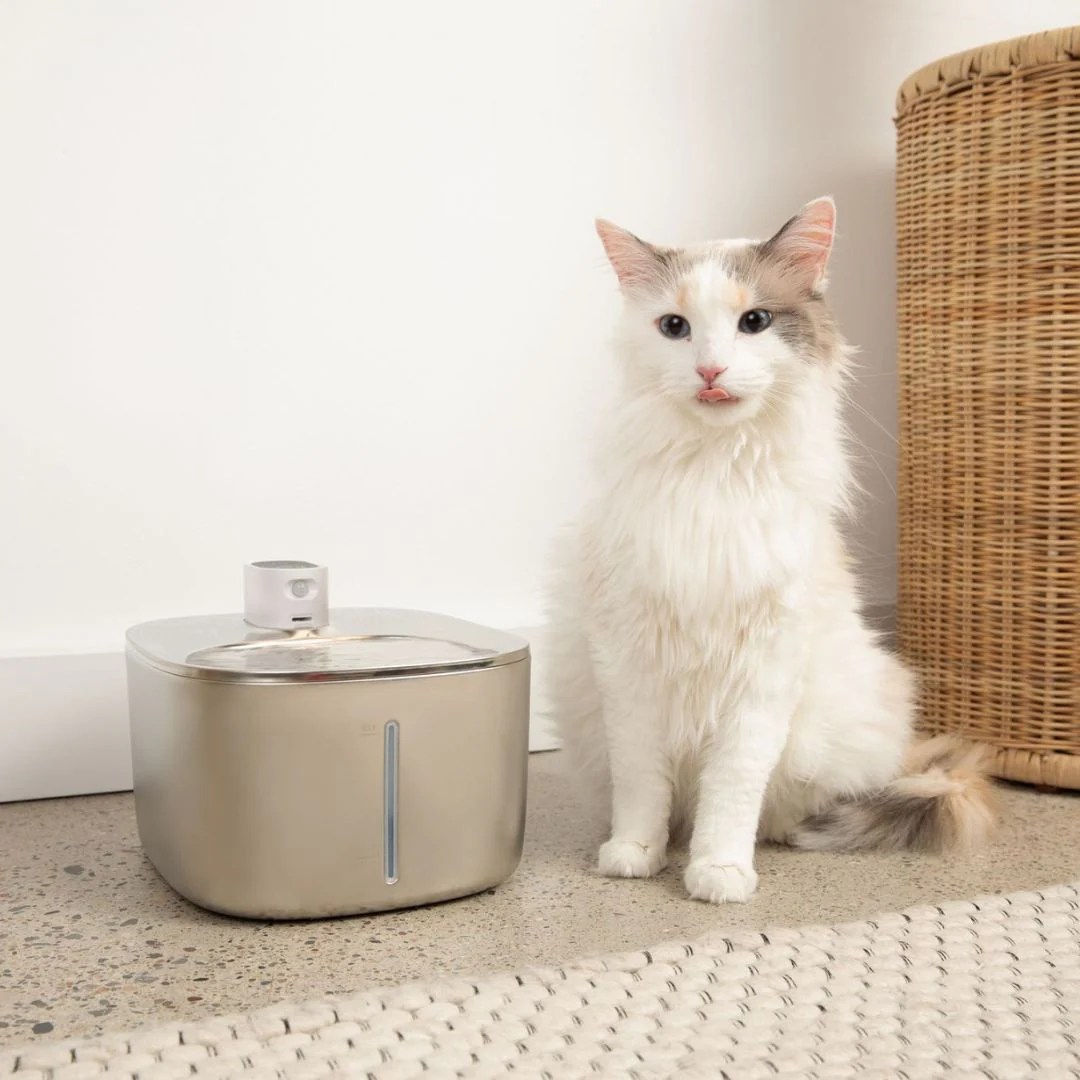
The market offers a diverse range of cat water fountains, each with its own design and features. Understanding the different types – gravity-fed, electric, ceramic, stainless steel, and plastic – is essential for choosing the right fountain for your cat and your home. Each material and design has its advantages and disadvantages regarding durability, ease of cleaning, and potential impact on water taste.Gravity-fed fountains rely on a reservoir of water that flows down into a bowl due to gravity.
Electric fountains use a pump to circulate the water, often incorporating filtration and aeration. Ceramic fountains offer an aesthetically pleasing option, while stainless steel fountains are known for their durability and hygiene. Plastic fountains are generally the most affordable but can be prone to scratching and bacterial growth.The choice of material significantly impacts the fountain’s performance and longevity. Stainless steel is exceptionally durable, easy to clean, and doesn’t impart a taste to the water.
Ceramic fountains are beautiful but can be prone to cracking and are more difficult to clean thoroughly. Plastic fountains are lightweight and inexpensive but can absorb odors and harbor bacteria if not cleaned regularly. The taste of water can be affected by the material; some cats are sensitive to the taste of plastic.
| Type | Pros | Cons |
|---|---|---|
| Gravity-Fed | No electricity needed, quiet operation | Can run out of water quickly, less filtration |
| Electric | Constant water flow, often includes filtration, aeration | Requires electricity, can be noisy, more complex to clean |
| Ceramic | Aesthetically pleasing, doesn’t impart taste | Prone to cracking, difficult to clean thoroughly, can be expensive |
| Stainless Steel | Durable, easy to clean, doesn’t impart taste | Can be more expensive, some cats dislike the metallic taste |
| Plastic | Affordable, lightweight | Can absorb odors, prone to scratching, potential for bacterial growth, may impart taste |
Some electric fountains incorporate UV sterilization, a feature that uses ultraviolet light to kill bacteria and viruses in the water. This provides an extra layer of protection, ensuring the water remains clean and safe for your cat to drink. The UV lamp is typically housed within the fountain’s reservoir and activated when the pump is running.
Filtration Systems: Ensuring Water Purity
The quality of the water your cat drinks is paramount. Cat water fountains often employ multi-stage filtration systems to remove impurities and ensure the water is fresh and appealing. Understanding the different filter types and their functions is crucial for maintaining a healthy drinking environment for your feline companion.Typical cat fountain filtration systems consist of three main stages: a pre-filter, an activated carbon filter, and a sponge filter.
The pre-filter, usually a foam screen, captures large debris like hair and sediment, preventing them from clogging the other filters. The activated carbon filter is the workhorse of the system, removing chlorine, odors, and tastes that can deter cats from drinking. Finally, the sponge filter traps smaller particles and provides biological filtration, helping to maintain water clarity.Regular filter replacement is essential for optimal fountain performance and water quality.
The pre-filter should be rinsed weekly, the sponge filter replaced every 2-4 weeks, and the activated carbon filter replaced every 1-2 months, depending on usage and water quality. Ignoring filter replacement can lead to bacterial buildup and a decline in water taste, potentially discouraging your cat from drinking. 
(Imagine a flowchart here illustrating the water flow
Reservoir -> Pre-Filter -> Activated Carbon Filter -> Sponge Filter -> Drinking Bowl. Arrows indicate the direction of water flow. A note at the bottom reads: “Regular filter replacement is crucial for optimal performance.”)*
Noise Levels: Finding a Quiet Fountain
The sound a water fountain makes can be a significant factor in its acceptability, especially in a quiet home. Cats are sensitive to noise, and a loud fountain can be disruptive and even stressful. Identifying the factors that contribute to fountain noise and taking steps to minimize it is essential for creating a peaceful environment for both you and your cat.Several factors influence a fountain’s noise level.
The type of pump used is a primary contributor; some pumps are inherently louder than others. The water flow rate also plays a role; higher flow rates generally produce more noise. Finally, vibration can amplify the sound, especially if the fountain is placed on a hard surface.Minimizing fountain noise is achievable with a few simple strategies. Placing the fountain on a rubber mat or towel can dampen vibrations.
Choosing a model with a quiet pump is also crucial. Some manufacturers specifically design their pumps for quiet operation. Experimenting with different water flow settings can also help; a lower flow rate often results in less noise.While precise decibel measurements can vary, most quality cat fountains operate within the 30-45 dB range, which is generally considered acceptable. However, some models can reach 50 dB or higher, which may be noticeable.
- Quiet Pump Technology: Look for fountains specifically advertised as “quiet” or featuring low-noise pumps.
- Vibration Dampening: Place the fountain on a rubber mat or towel to absorb vibrations.
- Adjustable Water Flow: Lowering the water flow can reduce noise.
- Stable Base: Ensure the fountain is placed on a level and stable surface.
- Regular Cleaning: Mineral buildup can cause noise; regular cleaning helps prevent this.
Capacity and Size: Matching the Fountain to Your Cat’s Needs
Choosing the right capacity and size for your cat’s water fountain depends on several factors, including the number of cats in your household and their individual drinking habits. A fountain that’s too small will need frequent refills, while a fountain that’s too large can be intimidating for some cats.As a general guideline, a single cat typically needs around 16 ounces of water per day.
For multi-cat households, increase the capacity accordingly. Observe your cats’ drinking habits to determine their individual needs. Some cats drink more than others, and factors like diet (wet vs. dry food) can also influence water intake.The size of the fountain should also be considered in relation to your cat’s comfort and accessibility. Kittens and senior cats may benefit from a fountain with a shallower bowl and a gentle water flow.
Placement is key; ensure the fountain is located in a quiet, accessible area away from high-traffic zones and potential hazards.Adjusting the water flow can cater to different cat preferences. Some cats prefer a gentle trickle, while others enjoy a more vigorous stream. Experiment with different settings to find what your cat prefers.
Ease of Cleaning and Maintenance
Regular cleaning is essential for maintaining a hygienic and appealing water fountain for your cat. Bacteria and algae can quickly accumulate in the fountain, posing a health risk. Understanding the cleaning process for different fountain components and implementing preventative measures can significantly extend the fountain’s lifespan and ensure your cat drinks clean, fresh water.The cleaning process varies depending on the fountain’s design, but generally involves disassembling the fountain into its component parts – the bowl, filter, and pump – and washing them thoroughly with warm, soapy water.
Rinse all parts thoroughly to remove any soap residue. The pump should be cleaned according to the manufacturer’s instructions.Preventing mineral buildup and scale formation is crucial for maintaining the fountain’s performance and appearance. Using filtered water can help reduce mineral deposits. Regularly wiping down the bowl with a vinegar solution can also prevent scale buildup.
- Disconnect the fountain from the power source.
- Disassemble the fountain: Remove the bowl, filter, and pump.
- Clean the bowl: Wash with warm, soapy water and rinse thoroughly.
- Clean the filter: Rinse the sponge filter under running water. Replace the activated carbon filter according to the manufacturer’s instructions.
- Clean the pump: Follow the manufacturer’s instructions for cleaning the pump.
- Reassemble the fountain.
- Refill with fresh, filtered water.
Material Safety and Durability
Source: catslongue.com
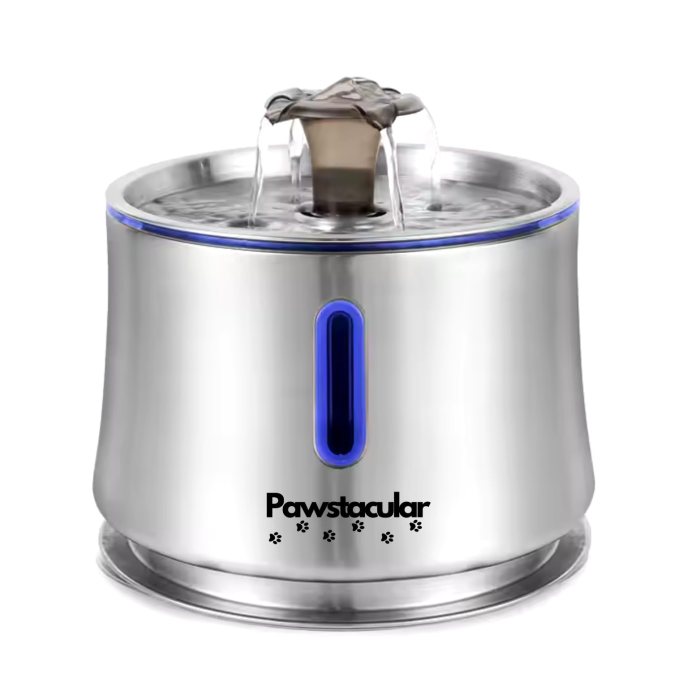
The materials used in a cat water fountain can impact both your cat’s health and the fountain’s longevity. Certain plastics may contain harmful chemicals, while other materials are more durable and easier to clean. Understanding the potential risks and benefits of different materials is essential for making an informed purchasing decision.Some plastics, particularly older formulations, may contain BPA (bisphenol A) and phthalates, chemicals that have been linked to health concerns.
While many manufacturers now use BPA-free plastics, it’s still important to check the product label. Food-grade plastics are a safer alternative, as they are specifically designed for contact with food and beverages. Stainless steel and ceramic are generally considered the safest and most durable options.Stainless steel fountains are highly resistant to scratches, cracks, and leaks, making them a long-lasting investment.
Ceramic fountains are less durable but offer an aesthetically pleasing option. Plastic fountains are the most susceptible to damage but are often the most affordable.Warranty information and customer support are also important considerations. Reputable brands typically offer warranties on their products and provide responsive customer service.
Features to Consider: Beyond the Basics
Source: thirstycatfountains.com
While the core function of a cat water fountain is to provide fresh, moving water, several additional features can enhance its appeal and functionality. These features cater to different cat preferences and needs, adding convenience and enrichment to your feline friend’s life.Multiple drinking bowls can accommodate multiple cats or provide options for cats with different preferences. Adjustable water flow allows you to customize the water stream to suit your cat’s liking.
LED lighting can add a decorative touch and may encourage cats to drink, especially in low-light conditions.Timers and automatic shut-off features can conserve energy and prevent the fountain from running dry. These features are particularly useful for owners who are away from home for extended periods.
| Model | Price | Key Features | Pros/Cons |
|---|---|---|---|
| PetSafe Drinkwell Platinum | $70-90 | Multi-stage filtration, UV sterilization, free-falling stream | Pros: Excellent filtration, quiet operation. Cons: Can be expensive, requires electricity. |
| Catit Flower Fountain | $30-40 | Activated carbon filter, multiple drinking levels, quiet pump | Pros: Affordable, attractive design. Cons: Filter needs frequent replacement, plastic construction. |
| AmazonBasics Stainless Steel Fountain | $25-35 | Stainless steel construction, simple design | Pros: Durable, easy to clean. Cons: No filtration, can be noisy. |
| H2Oasis Stainless Steel Fountain | $50-60 | Stainless steel construction, quiet pump, large capacity | Pros: Quiet, durable, large capacity. Cons: Can be expensive, some cats dislike the metallic taste. |
Specific Recommendations for Different Cat Types
Not all cat water fountains are created equal. Choosing a fountain that’s tailored to your cat’s specific needs and preferences can significantly improve their hydration habits.For kittens, a fountain with shallow bowls and a gentle water flow is ideal. Kittens may have difficulty reaching deep bowls or navigating strong water streams. Senior cats may benefit from a fountain with easy access and quiet operation.
Cats with urinary issues may require a fountain with enhanced filtration to remove minerals and impurities.Multi-cat households require a fountain with a large capacity and multiple drinking areas to prevent competition and ensure all cats have access to fresh water.
Illustrative Descriptions of Fountain Designs
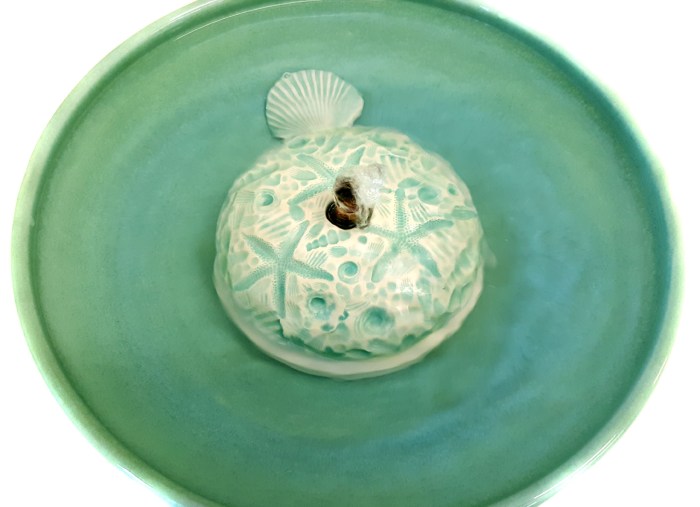
Understanding the nuances of different fountain designs can help you visualize their features and potential benefits.A ceramic fountain often boasts an elegant aesthetic, blending seamlessly with home décor. However, the porous nature of ceramic can lead to mineral buildup and staining. The glaze protects the ceramic but can chip over time. The overall design often incorporates curved lines and decorative elements.A stainless steel fountain prioritizes durability and hygiene.
The smooth, non-porous surface is easy to clean and resists bacterial growth. The finish is typically brushed or polished, providing a sleek and modern look. The construction is robust, ensuring long-lasting performance.A plastic fountain offers an affordable and lightweight option. However, the type of plastic used is crucial; look for BPA-free, food-grade plastics. The transparency of the plastic allows you to monitor the water level.
Proper cleaning is essential to prevent bacterial growth.An electric fountain with UV sterilization combines functionality with advanced water purification. The UV lamp is strategically placed within the reservoir to maximize its effectiveness. The placement ensures that all water passes through the UV light before reaching the drinking bowl, eliminating harmful bacteria and viruses.
Final Wrap-Up
Ultimately, selecting the best water fountain for your cat is about understanding their individual needs and preferences. Considering factors like age, health, number of cats in your household, and even their personality will lead you to the ideal choice. By prioritizing features like effective filtration, quiet operation, and easy cleaning, you’re not just providing fresh water; you’re investing in your cat’s long-term well-being and ensuring they have a reliable source of hydration they’ll actually enjoy.
Cheers to happy, hydrated kitties!
Expert Answers
How often should I replace the filter?
It depends on the filter type and fountain usage, but generally, pre-filters should be rinsed weekly, activated carbon filters replaced every 2-4 weeks, and sponge filters every 1-2 months. Always check your fountain’s manual for specific recommendations.
Can I use tap water in a cat fountain?
Yes, but it’s best to let it sit for 24 hours to allow chlorine to evaporate. Some fountains have built-in filters that remove chlorine, but letting the water sit is a simple precaution.
My cat is scared of the fountain’s noise. What can I do?
Try placing the fountain on a soft surface like a towel or rubber mat to dampen vibrations. Look for models specifically marketed as “quiet” or consider a gravity-fed fountain which is generally quieter than electric ones.
Are all plastic fountains safe for cats?
Not necessarily. Look for fountains made from BPA-free and phthalate-free plastics, or opt for stainless steel or ceramic options which are generally considered safer.
How do I know if my cat is drinking enough from the fountain?
Monitor their litter box habits – increased urination is a good sign. You can also track their water intake by measuring the amount of water refilled in the fountain over a few days.
Can I clean the fountain in the dishwasher?
Check your fountain’s manual. Some components are dishwasher-safe, but others may be damaged by high heat. Handwashing is generally the safest option.