Cat Food For Puking Cat That Works To Stop Vomiting And Ease Sensitive Stomachs

If you’ve ever knelt over your living room rug at 7 a.m. scrubbing cat vomit for the third time that month, you know how desperate you get to break the cycle. I spent over a year testing every “sensitive stomach” cat food I could find at big box stores, dropped hundreds on prescription kibble that only made my senior cat’s IBS worse, and almost resigned myself to keeping enzymatic cleaner in every room before I realized most advice around cat food for puking cats is just overpriced, generic gimmicks.
This guide is for every cat owner who’s felt lost navigating misleading pet food marketing, whether you’re a new cat parent who can’t tell a harmless hairball from a medical emergency, a long-time owner who’s burned through three or more special diets with zero luck, or a budget-focused caregiver who refuses to pay premium prices for low-quality fillers. We’re ditching the one-size-fits-all “best cat food” lists, splitting solutions into clear, actionable plans for occasional vs. chronic vomiting, sharing $20 swaps that actually work, and laying out hard rules for when it’s time to head to the vet instead of switching your cat’s food.


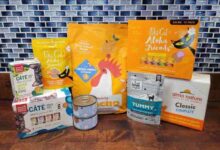
Last April, I found a pile of half-digested salmon kibble on my favorite white wool rug for the third time that week. I stared at it, cold coffee in hand, and wanted to scream. My 2-year-old rescue cat Mochi, who’d never had a sensitive stomach in her life, was suddenly puking like it was her part-time job.
I spent the first two weeks scrolling TikTok for cat hacks, buying every “sensitive stomach” treat I saw, and even tried a homemade raw diet that left my kitchen smelling like fish for three days. Nothing worked. It took a vet visit and a lot of trial and error to figure out that the right food wasn’t just a nice add-on — it was the only thing that would stop the cycle of puke and stress.
Puking Isn’t Just A “Cat Quirk”
I used to buy into the lie that cats just puke sometimes. That it’s normal for them to hack up hairballs or undigested food every few weeks, no big deal. My vet set me straight fast. If your cat is puking more than once a month, that’s a red flag. It’s not a personality trait. It’s their body screaming that something’s wrong.
We ran all the tests first to rule out the scary stuff: parasites, thyroid issues, kidney disease. All clear. That left one main culprit: her food. Most commercial cat foods are loaded with fillers, artificial flavors, and common allergens that wreck even the sturdiest feline stomach. I’d been feeding Mochi a popular mid-tier brand for years, and it finally caught up to her.
The Food Swaps That Flopped (And The One That Actually Worked)
I messed up a lot before I found the right fit. If you’re going through the same thing, save your money and skip the mistakes I made first.
The Worst Moves I Tried First
I bought into every viral trend you can name. Every single one made Mochi’s puke problem worse, not better.
- I dropped $75 on a popular grain-free kibble that Instagram influencers swore by. It turned out the brand used tons of pea and legume fillers to replace grain, which are common gut irritants for cats. The FDA even put out warnings about these ingredients leading to long-term heart issues, for crying out loud. That was a huge waste of cash.
- I switched her food cold turkey after reading that a quick reset would fix her stomach. That shocked her system so bad she puked for four days straight. Vets always say to mix old and new food over 7-10 days to let their gut adjust. I ignored that, and paid for it.
- I tried prescription diet food that smelled like wet cardboard. Mochi refused to eat it for 12 hours straight, which stressed me out so much I caved and gave her her old kibble. Prescription food works for some cats, but it’s not the only solution — and most picky cats won’t touch it anyway.
The Combo That Cut Puke Episodes By 90%
My vet suggested I try a limited ingredient diet first. No fancy marketing, no weird fillers, just one single protein source and one simple carb. I spent an hour reading labels at the pet store, and landed on a rabbit and sweet potato wet food, plus a small batch kibble from the same brand. No added dyes, no legume fillers, no vague “natural flavors” that hide who knows what.
I also stopped free-feeding her. I left a big bowl of kibble out all day before, and she’d inhale half of it in 10 seconds when she got home from work. I split her daily portion into four small meals, that’s it. No more overeating, no more gulping air that leads to puking mid-play session.
Within two weeks, her puke episodes dropped from three times a week to once every month or two. I cried. Not even sad tears, just relief that I didn’t have to keep a stash of carpet cleaner under my couch forever.
Small Changes That Add Up (That Don’t Cost A Fortune)
The right food is the biggest fix, but a few tiny tweaks made it even better. None of these cost more than $20 total.
I bought a $12 puzzle feeder to slow her down even more. It forces her to work for her kibble, so she can’t inhale it in 30 seconds. That cut out the random gulp-induced pukes that still popped up every once in a while.
I cut out all random treats and table scraps. I used to slip her a bite of my turkey sandwich when I ate lunch, or give her those cheap tuna treats from the gas station. Both were loaded with salt and additives that irritated her stomach. Now I only give her small bites of plain, cooked rabbit from the same brand as her food, and that’s it.
I started keeping a little note in my phone of every time she puked, and what she ate that day. It helped me spot random triggers I never would have noticed otherwise. For example, I learned that if I gave her a catnip toy that had added garlic powder (who puts garlic in catnip?!) she’d puke the next morning. That note saved me so much guesswork.
Having a puking cat feels like a never-ending nightmare. I thought I’d be stuck scrubbing rugs and stressing over vet bills forever. But it doesn’t take a ton of money or a fancy homemade diet to fix it. Most of the time, it just means ditching the overpriced viral cat food brands, listening to your vet, and testing what works for your specific cat. Mochi’s happy, my rugs are stain-free, and I haven’t had to buy a bottle of carpet cleaner in 10 months. That’s the kind of win I’ll take every single time.
Cleaning up cat puke doesn’t have to be a permanent part of being a cat owner, and you don’t have to drain your bank account or stress over complicated diets to give your puking cat relief. The right food for your feline friend isn’t necessarily the most expensive prescription blend or the most hyped premium brand—it’s the option that fits their unique situation, whether that’s a $12 slow feeder and a jar of pumpkin puree to fix occasional hairball vomiting, or a low-cost elimination diet to get to the root of chronic food allergies. Always prioritize your cat’s health by reaching out to a vet if you spot any red flags, and remember that small, intentional changes can lead to months of puke-free days with your favorite companion. Here’s to ditching the endless supply of cleaning supplies and enjoying more snuggles, less scrubbing, with your cat.
Clarifying Questions
Can I give my cat human probiotics to cut down on vomiting?
No, stick to probiotics formulated specifically for cats. Human probiotics don’t always match a cat’s unique digestive system, and you could end up worsening their upset stomach instead of easing it. Always check with your vet before adding any new supplement to your cat’s diet, especially if they have chronic health conditions.
Is grain-free cat food always better for a cat that vomits regularly?

Source: simpleflyingimages.com
Not at all, unless your cat has a confirmed grain allergy. Most low-quality grain-free cat foods swap grains for other problematic fillers like legumes or artificial thickeners that can worsen vomiting, so always prioritize ingredient transparency and quality over trendy grain-free labels.
Can I give my cat canned pumpkin year round for vomiting, or only during shedding season?
Unsweetened pumpkin puree is safe to feed year round, not just during shedding season. Its high fiber and moisture content eases general digestive upset for most cats, so you can add a tiny 1-2 teaspoon portion to their meals long term to keep vomiting at bay, as long as your vet approves the consistent addition.
Are there any common household foods I should never feed my puking cat even as a treat?
Yes. Avoid all toxic foods like onions, garlic, chocolate, grapes, and raisins first, but also skip fatty dinner scraps, dairy, and any processed snacks with added salt or sugar. High fat content in particular can trigger severe vomiting and even pancreatitis in cats with sensitive stomachs.
