Special Kitty Cat Food How To Pick The Right Fit For Your Cats Health

I’ve been there, staring at a wall of pet food bags lined with flashy buzzwords claiming to be “premium” or “veterinarian crafted”, dropping $80 on a bag of special kitty cat food only to have my IBS-stricken rescue cat turn his nose up at it, or worse, end up with worse stomach issues after eating it. For years I fell for the predatory marketing tricks that turn generic grocery store kibble into overpriced “specialty” food, wasting hundreds of dollars and stressing endlessly that I was failing my cat.




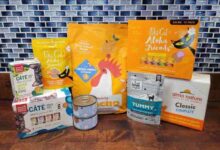
Source: walmartimages.com
This guide cuts through all that overwhelming noise, skipping the generic listicles that tell you nothing about what your specific cat actually needs, and giving you actionable, vet-backed steps to navigate special kitty cat food for your unique furry friend. Whether you’re a first-time adopter of a special needs rescue, a frustrated owner of a chronically picky eater, or someone who’s noticed their cat gets sick every time they eat standard grocery store food, we cover everything from when your cat actually needs a specialized diet to how to afford it without draining your bank account.
Last March, I found my tabby Mochi curled on the bathroom tile at 2:17 a.m., hacking up kibble that smelled like rotten chicken and regret. I’d spent the prior week bragging to my friends that I’d saved $40 on a bulk bag of grocery store cat food. That night, I spent $150 on an emergency vet copay and threw the rest of that cheap kibble in the trash.
That’s when I stopped mocking special cat food as a scam for rich cat ladies. I’m not saying you need to drop $100 a month on caviar-topped cat cans. But after a year of testing different formulas, talking to three vets, and cleaning way too much cat puke out of my couch cushions, special food isn’t the gimmick most people think it is.
Why I stopped writing off “fancy” cat food entirely
The vet ran basic blood and allergy tests on Mochi, and turned out he had a common chicken protein allergy. 1 in 10 cats develop food sensitivities by age 3, most linked to the cheap fillers and byproducts that fill bulk grocery store kibble. That cheap bag I bought? Its first three ingredients were chicken byproduct meal, corn gluten, and artificial flavor. No wonder Mochi’s stomach revolted.
I switched him to a basic limited-ingredient rabbit formula, and within two weeks, his stomach issues were gone. No more random puke on the couch. No more itching his ears raw until they bled. It felt like a miracle, but it was just the right food.
What actually counts as “special” cat food, anyway?
A lot of people see the word “special” and think it’s only for cats with chronic, life-altering illnesses. But that’s not true. Special cat food is just any formula designed for a specific need, not a one-size-fits-all bag you grab on the way out of the grocery store. The most common types you’ll run into (and when you need them):
- Limited-ingredient diets: Perfect for cats with food allergies or sensitive stomachs. These cut out all the weird fillers and stick to 1-2 whole protein sources and a single carb, so if your cat reacts to something, you can spot it fast.
- Senior cat formulas: Cats over 7 need way less fat and more fiber to keep their kidneys and joints working. Most cheap grocery store kibble is designed for growing kittens, so it’s way too rich for an old cat that naps 20 hours a day.
- Veterinary-prescribed therapeutic food: This is the big one people skip. If your cat has diabetes, kidney disease, or even severe dental issues, your vet isn’t selling you that prescription food to make a buck. I watched a friend’s cat with chronic kidney disease gain 2 pounds and stop having weekly emergency vet visits just from switching to the right prescription food.
- Weight management formulas: No, these aren’t just “less food in a bag.” They add extra L-carnitine to help your cat burn fat without leaving them starving (and yowling at your fridge at 3 a.m. demanding treats).
The biggest mistakes I see cat parents make with special food
Buying into the grain-free myth first
I made this mistake, too. When I first started shopping for better food, I assumed grain-free was the healthiest option. All the Instagram cat accounts posted about it. All the pet store employees pushed it. But a few years back, the FDA warned that many cheap grain-free formulas swapped corn and wheat for legumes like peas and lentils, which are linked to a rare heart condition in cats.
Grain isn’t bad for most cats. Unless your vet confirms your cat has a grain allergy, you don’t need grain-free. Save the extra cash for something that actually matters, like annual blood work.
Switching food cold turkey
This is the most common mistake, and I get it. You find out your old food is making your cat sick, so you dump the old, pour the new, and cross your fingers. Big mistake. Cats have super sensitive digestive systems. Swapping their food overnight guarantees at least a few days of upset stomachs and messy cleanup. I learned that the hard way when I first switched Mochi and spent three days scrubbing puke off my new wool rug.
The right way? Mix 25% new food with 75% old for the first three days. Then split it 50/50 for another three. Then 75% new, 25% old for two more days. It’s a slow process, but it saves your rugs and your cat’s stomach.
Overpaying for marketing gimmicks
You don’t need to buy the $40 cans that say “human-grade wagyu” for your cat. A lot of boutique pet brands jack up their prices for fancy words that don’t mean anything. The only thing that matters is the ingredient list on the back of the bag. The first ingredient should always be a whole protein, not a byproduct. If the list is full of words you can’t pronounce, put it back.
You can find perfectly good special cat food at Petco or even on Amazon for $30-$40 a bag, no caviar required.
Mochi’s been on his rabbit formula for 10 months now. He’s gained 3 pounds of muscle, runs around the apartment chasing dust bunnies at 7 a.m. every day, and only pukes once in a blue moon (usually when he eats too much grass outside). Special cat food isn’t about spoiling your cat. It’s about giving them the fuel they need to feel good, for years and years. I still save money where I can. I buy litter in bulk. I get him cheap cat toys from the dollar store. But I never skimp on his food again. That $150 emergency vet bill taught me that cutting corners on what goes into your cat’s bowl ends up costing you way more in the long run.
At the end of the day, special kitty cat food doesn’t have to be a source of constant stress or financial strain, as long as you know how to spot predatory marketing, match your cat’s specific health quirks to the right diet, and lean into the cost-saving hacks and assistance programs that make these life-sustaining foods accessible. The simple, actionable steps we covered—starting with a quick vet checkup before buying any new food, testing small samples before committing to full-size bags, using the vet-backed 7-day transition method, and verifying all labels meet AAFCO standards—take all the guesswork out of choosing the right food for your cat. You don’t need to be a pet nutrition expert to give your cat a diet that helps them thrive; you just need to cut through the empty buzzwords and focus on what your unique cat needs to live a long, healthy, happy life.
Common Queries
Can I feed special kitty cat food to my other healthy household cats long term?
Most therapeutic special diets are not formulated to meet the needs of healthy cats. High-calorie recovery food can cause obesity in sedentary adult cats, while low-phosphorus kidney food lacks the nutrients growing kittens need to develop properly. Keep feeding areas separate to avoid cross-feeding if you have multiple cats.
How long does it take for special kitty cat food to improve my cat’s symptoms?
Most mild symptoms like frequent upset stomachs or dry, itchy skin will start to improve within 4 to 6 weeks of consistent feeding. Chronic conditions like kidney disease require ongoing vet monitoring to track long-term benefits, so schedule regular follow-up appointments to check in on your cat’s progress and adjust their diet if needed.
Is it okay to add treats to my cat’s special diet?
You can add small, vet-approved treats that align with your cat’s dietary restrictions, but avoid random table scraps or generic pet treats that could undo the benefits of their specialized food. For example, cats with kidney disease need low-phosphorus treats, while cats with IBS need easily digestible options that won’t trigger flare-ups.
