If you’ve scrolled TikTok or Instagram lately, you’ve almost certainly run into the viral hype around polydactyl cats—those fluffy, extra-toed “Hemingway cats” that sellers often mark up as rare, exotic pets worth thousands of dollars. When I first fell for their endless toe beans and tried to bring one home two years ago, I was shocked to see listings asking $3,000 or more for a trait that’s just a common, harmless genetic quirk, and I knew I wasn’t the only new cat owner getting scammed by the hype.
I spent months collecting real owner-submitted price data, interviewing vets, and talking to shelter workers to break down the real polydactyl cat price, cutting through all the fake rarity claims and generic online price ranges that leave first-time owners confused and out of thousands of dollars. Whether you’re researching your first cat, trying to vet a seller’s fees, or just want to avoid backyard breeder scams, this guide walks you through everything you need to know to bring home your own extra-toed BFF without overpaying.

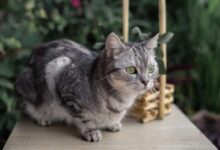
Last month, I sat on a splintered cabin porch in the Catskills, watching a 3-year-old tabby named Moxie steal half my grilled cheese right off my paper plate. That tabby had seven toes on each front paw—thick, little mittens that she used to swat my hand away before I could react. I left that weekend obsessed with bringing a polydactyl cat home to my city apartment. I started scrolling rescue pages, then breeder listings, and I hit a wall. I saw prices ranging from $0 at a local foster’s sale to $1,500 for a “registered polydactyl kitten.” What gives? If you’ve ever looked into adding one of these mitten-footed cats to your family, you’ve probably run into the same chaotic price gaps.
Why The Price Range Is So Wild
Polydactylism isn’t a breed. It’s a random genetic mutation, the same as having a white patch on your chest or curly hair. No registry classifies it as a unique, rare trait, so there’s no set industry standard for what you should pay. That lack of structure lets everyone from shelters to scammers set their own numbers.
Rescue polydactyls are almost always cheap
The vast majority of polydactyl cats in shelters get listed for the exact same adoption fee as every other cat. Most potential adopters don’t even notice the extra toes on their first visit. I checked three Chicago area shelters last week, and every polydactyl cat up for adoption had a standard $140-$175 fee. That fee covers spay/neuter surgery, core vaccines, a microchip, and a basic vet checkup.
You’re not paying for the toes. You’re paying for the care the shelter put into keeping that animal healthy before they found a home. Some super popular rescues might add a $25-$50 premium if polydactyl kittens get a lot of inquiries, but that’s it. No one is charging hundreds extra for a shelter polydactyl.
Breeders charge for lineage, not extra toes
If you see a breeder listing a polydactyl kitten for $800-$1,800, they’re not charging you for the extra toes. They’re charging you for the work that goes into raising healthy, ethically bred purebred cats. Polydactylism pops up most often in breeds like Maine Coons, American Shorthairs, and Pixiebobs, and reputable breeders charge their standard purebred rate for any kitten from a litter, polydactyl or not.
That price tag covers genetic health screenings for breed-specific issues, vet visits from birth, socialization time with the breeder’s family, and often a health guarantee. A good breeder won’t even mention the extra toes as a selling point worth extra cash. It’s just a fun quirk, the same as a kitten having brighter orange fur than its littermates.
The Scams You Need To Watch Out For
The wild west of polydactyl cat pricing has created a ton of opportunities for scammers to take advantage of people desperate for one of these cute cats. I’ve seen dozens of shady listings pop up on Facebook Marketplace and Craigslist in the last six months alone. Watch for these red flags:
- Listings that call cats “rare Hemingway polydactyls” and charge $2,000+ for a random mixed-breed kitten. The Hemingway name gets thrown around to make the mutation sound exotic, but polydactylism is one of the most common genetic quirks in cats. Vets report seeing at least one polydactyl cat a month in general practice. There’s nothing rare about it.
- Kitten mill listings that refuse to share health records, won’t let you meet the kitten’s parents in person, and demand payment via Venmo or Zelle upfront. I saw a listing last month for “Hemingway kittens” in Ohio that asked for $1,200 per cat, and the seller would only meet buyers at a highway gas station. Run from that.
- “Free polydactyl kitten” listings that require you to pay a $300+ “transport fee” to a third-party shipping company. This is one of the most common pet scams out there, and scammers target people searching for specific traits like extra toes because they know those buyers are more likely to jump through hoops to get the cat they want.
Is A High-Priced Polydactyl Ever Worth It?
Yes, but only if you’re paying for the breeder’s work, not the toes. My best friend adopted a polydactyl Maine Coon last year for $1,300, and that breeder tested her for all common Maine Coon genetic issues, included six months of pet insurance, and sent her home with a crate, food, and all her medical records. That’s a fair price for any purebred Maine Coon, polydactyl or not.
But if anyone tries to charge you a premium just for the extra toes? Walk away. I saw a small-time breeder in Indiana last month charging $500 extra for the two polydactyl kittens in their litter, calling them “luxury mitten cats.” That’s garbage. You can find a perfectly healthy, loving polydactyl cat at your local shelter for less than $200, most of the time.
Moxie, the grilled cheese-stealing tabby that started this whole obsession for me? She was a shelter rescue. Her owners adopted her for $125, and the only thing special about her adoption process was the shelter volunteer pointing out her extra toes like they were a free bonus. If you want a polydactyl cat, you don’t need to drop thousands. You just need to check your local shelter’s pet finder page. Odds are, a mitten-footed kitten will pop up sooner than you think. And if they steal your lunch? That’s just part of the deal.
At the end of the day, those extra toes on a polydactyl cat don’t make them more valuable than any other rescue or breeder cat—they just add more little toe beans to boop, more personality to fall in love with, and more joy to your home. All the scam markups and fake “rare breed” claims prey on people who just want to give a cat a loving home, but now you have the tools to spot red flags, compare fair prices, and skip the overpriced listings that take advantage of polydactyls’ viral fame. You don’t need to drop thousands to bring home an amazing polydactyl cat, and the only extra cost you’ll ever have to budget for is extra nail trims every once in a while, not a greedy seller’s made-up rarity surcharge.
Commonly Asked Questions
Can I adopt a polydactyl cat for free?
It’s extremely rare to find a free polydactyl cat, though you may occasionally see a private owner rehoming one for no fee to a trusted home. Most shelters and responsible sellers charge a small fee to cover baseline vet care like spay/neuter and vaccinations, and free listings can sometimes hide unaddressed health issues or scam risks.
Do polydactyl cats have higher long-term care costs that add to their overall price?
No, polydactyly almost never causes long-term health issues, so the annual care costs for a polydactyl cat are identical to any other domestic cat. In the 1% of cases where extra toes grow misaligned and require minor care, that cost is rare and not a standard expense tied to the trait.
Can I negotiate a polydactyl cat’s price with a private seller who added a rarity surcharge?
Yes, you can absolutely negotiate if a seller added an illegitimate markup for extra toes. Come prepared with local average prices for non-polydactyl cats of the same breed and age, and walk away if a seller refuses to budge on their inflated, unsubstantiated fee.
Are purebred polydactyl cats ever recognized as a separate premium breed by major cat associations?

Source: fc2.com
No, no major cat fancier association like CFA or TICA recognizes polydactyl cats as a separate breed, nor do they classify the trait as a premium, rare, or exotic feature. Reputable breeders never charge extra for polydactyl kittens from the same litter as non-polydactyl littermates.

