I first fell down the polydactyl cat rabbit hole last year, when I saw a viral TikTok of an extra-toed cat tucking chicken treats into its paw like a tiny furry pirate stashing loot. I instantly wanted one, but when I started browsing listings, I was shocked by the wild price swings—some random domestic shorthair polydactyls were listed for $2,000, while others were up for adoption for barely $100. If you’ve ever found yourself confused about the real cost of these charming extra-toed cats, you’re not alone.
This guide cuts through all the breeder hype and scammy markups to break down the real numbers behind these prices, from adoption fees to long-term care costs no other generic guide mentions. We’ll debunk the pervasive myth that polydactyls are a rare premium breed, teach you to spot predatory listings that inflate costs for no reason, and give you a clear checklist to bring home your new polydactyl friend without overpaying.
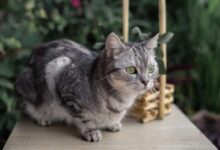
Last summer, I spent a weekend at a friend’s cabin in upstate New York, and left obsessed. Not with the lake, not with the homemade s’mores, but with her 6-toed cat, Mochi, who sat on my laptop the entire time I tried to work. I’d seen polydactyl cats pop up on TikTok for years, but holding that little extra-pawed loaf in my lap? I immediately started googling how much one would cost to bring home to my tiny Brooklyn apartment. What I found was wild. There’s no set price for a polydactyl cat. You could spend $0 to bring one home, or drop over $1,000. And most of the time, that huge price gap doesn’t even mean you’re getting a “better” cat.
Why Polydactyl Cat Prices Are All Over The Place
First, polydactyl cats aren’t a special breed
A lot of first-time cat owners assume extra toes make a cat a unique, standalone breed. That’s the first mistake most people make. Polydactyly is just a common genetic mutation, the same as brown eyes or curly hair in humans. It can pop up in any litter of cats, from barn cats to purebred Persians. The only difference is those extra toes look cute, so people will pay more for them.
You can bring home a polydactyl cat for next to nothing
If you just want a cat with little extra mitten paws, you don’t need to save up for months. Most polydactyl cats are available for standard shelter fees or even free:
– Local animal shelters and rescues almost never mark up polydactyl cats. They see the extra toes as just another quirk, not a premium feature. My local Brooklyn rescue charges a standard $150 adoption fee for all cats, that includes spay/neuter, all shots, and a microchip. I’ve seen three polydactyl kittens cycle through their program in the last year alone, all adopted for that same flat rate.
– Local farm or feral colony listings on Facebook or Craigslist often give away polydactyl cats for free. The mutation is super common in large, outdoor cat colonies, so farm owners are usually just looking for safe indoor homes for any extra kittens they end up with. I saw a litter of four polydactyl barn kittens given away in upstate New York last spring, no strings attached.
– Even some breed-specific rescues have polydactyl cats up for adoption at standard rates. If you’ve got your heart set on a polydactyl Maine Coon, there are rescues that specialize in that breed, and you’ll pay a fraction of what a breeder would charge.
When you will pay premium prices for a polydactyl cat
The only time you’ll drop serious cash on a polydactyl cat is if you’re buying a purebred kitten from a responsible breeder. Purebred cats already come with high price tags — a healthy, screened Maine Coon kitten can run $800 to $1,200 before any add-ons. Some breeders will add a $100 to $300 markup for polydactyl kittens in their litters, just because of the novelty demand. A small number of breeders also market their cats as “Hemingway cats,” leaning into the Ernest Hemingway Home in Key West’s famous colony of polydactyl cats to justify slightly higher prices. That’s fair, as long as the breeder puts that money back into caring for their cats.
The Scams You Need To Avoid At All Costs
Most of the overpriced polydactyl cats you see online are straight-up scams. Don’t waste your money. I’ve seen dozens of listings that prey on first-time cat owners who don’t know any better:
– Anyone calling a mixed breed polydactyl cat “rare” is lying. The gene that causes extra toes is dominant, meaning if one parent has it, roughly half the litter will too. It’s not rare. It’s not exotic. It’s just a common quirk. I saw a listing last year for a domestic shorthair polydactyl kitten listed as a “rare exotic Hemingway cat” for $1,800. The owner had zero health records, no breeding history, just a cute kitten and a google search of what people would pay for extra toes.
– Don’t pay for fake health guarantees. Backyard breeders will often charge premium prices for polydactyl kittens, but skip all the standard vet care that responsible breeders cover. They won’t test for common genetic conditions, won’t spay or neuter before adoption, won’t even update the kitten’s shots. You could end up paying thousands in vet bills down the line for a kitten you overpaid for upfront.
– Any claim that polydactyl cats are hypoallergenic, or smarter, or better with kids than other cats is total nonsense. Extra toes don’t change a cat’s temperament or dander. They just give them cute little mittens that are great for knocking over your coffee mug. That’s it.
Is It Ever Worth Paying Top Dollar?
Short answer? Only if you’re working with a responsible breeder. If you’ve spent years researching purebred cats, you want a specific breed that’s hard to find in rescues, and the breeder does full genetic health screenings, registers their cats, and raises their kittens in a home environment (not a caged breeder farm), then the small markup for a polydactyl kitten is fine.
But don’t pay thousands just because you want a cat with extra toes. I adopted my polydactyl cat, Toast, two years ago for that $150 shelter fee. He has seven toes on each front paw, he steals my socks, he thinks my couch is his personal scratching post, and he’s the best cat I’ve ever owned. I wouldn’t trade him for any $1,500 breeder kitten. If you want a polydactyl cat, you don’t need to break the bank to bring one home.
At the end of the day, polydactyl cats’ extra toes are just a harmless, adorable genetic quirk that makes them even more fun to cuddle and play with—they never should come with a ridiculous inflated price tag. Whether you adopt a rescue polydactyl for $150 from your local shelter or bring home a purebred Maine Coon from a reputable breeder, budgeting for their specific grooming and medical needs will set you both up for years of happy adventures. Don’t let scam artists scare you off from these wonderful cats, and never pay an extra cent for the “rare” Hemingway cat markup that’s almost always a lie.
Top FAQs
Can I trim my polydactyl cat’s nails at home to save on grooming costs?
You absolutely can, as long as you ask your vet to walk you through proper trimming technique to avoid cutting the sensitive quick inside their extra toes. Sticking to a consistent two-week trimming schedule will prevent painful ingrown nails, so you can skip the cost of professional trims entirely if you’re comfortable handling the task.
Is it ever worth paying extra for a so-called rare Hemingway polydactyl cat?
No, the “Hemingway cat” label is just a common nickname for polydactyls, popularized by Ernest Hemingway’s famous colony of extra-toed cats in Key West. It doesn’t denote a special or rare breed, so any breeder charging extra for that label is running a common predatory scam.

Source: org.au
What if I can’t afford the $1500 emergency fund for my polydactyl cat right away?
You can start small by setting aside $50 a month in a dedicated savings account for your cat’s care, and add a low-cost pet insurance wellness plan to your budget to cover most routine and emergency costs before they arise. Many local animal shelters also offer low-cost vet care grants for new pet parents, so don’t hesitate to reach out for support.

