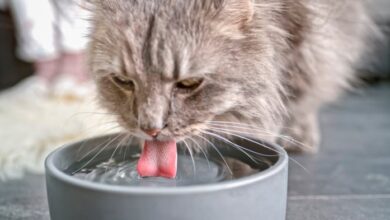
Drinks For Cats That Are Vet Approved And Avoid Risky Viral Fads

When I brought my first tabby cat Mochi home three years ago, I spent more hours than I’d like to admit scrolling TikTok for pet care hacks. I’d seen all the viral catpuccino reels, the fancy kitten smoothies, and the endless posts about bone broth that was supposed to fix every feline health woe, but I kept running into the same unanswerable question: what can I actually give my cat to drink besides plain tap water? I wasn’t alone in that confusion, and after a routine vet visit that revealed Mochi was slightly dehydrated from turning his nose up at his smelly plastic water bowl, I knew I needed to dig past viral trends to find real, trustworthy info on what works for my cat.
If you’ve ever stared at your cat’s untouched water bowl, panicked over a trendy recipe you almost mixed up, or worried that your cat’s low water intake will lead to UTIs or kidney issues down the line, this guide is for you. We’re ditching the generic safe vs unsafe drink lists that every generic pet blog posts, and breaking down drinks for cats as the multi-purpose care tools they are, from boosting daily hydration to supporting senior cats managing chronic health needs. Every tip here is vet and feline nutritionist-vetted, and we’re calling out the risky trends that land thousands of cats in the ER every year, so you never have to guess what’s safe to serve your furry best friend.




Last week I caught my 3-year-old tabby Mochi perched on the edge of my toilet, lapping up lukewarm toilet water like it was a craft latte I’d waited 20 minutes in line for. I screamed, he jumped, and I spent the rest of the night Googling what on earth is wrong with my cat that he’d choose gross toilet bowl water over the pristine ceramic bowl I fill with fresh tap water every single morning.
If you’re a cat owner, you’ve been there. Your cat turns their nose up at the water bowl you place right next to their food, then sneaks sips from your wine glass, your houseplant’s drainage tray, even the muddy puddle outside after a rainstorm. Turns out, their weird water habits aren’t just a quirky personality flaw. There’s actual logic behind them, and a whole world of safe (and unsafe) drinks you might not know you can (or can’t) offer your cat to keep them hydrated and happy.
Why Your Cat Chooses Toilet Water Over Their Own Bowl
I used to think Mochi was just being a dramatic pain in the ass. Why reject fresh, clean water for whatever germs are lingering in my toilet tank? Then my vet explained it’s not a choice to be weird—it’s instinct. Wild cats never drink water near where they eat, because stagnant water next to rotting meat is more likely to carry bacteria or parasites that make them sick. That hardwired rule hasn’t faded in domestic cats, even if we feed them kibble out of a plastic bin and fill their bowls with filtered water.
I used to laugh at people who bought cat water fountains, thought it was just another gimmick to waste pet parents’ money. I was wrong. So wrong. Running water mimics the streams wild cats seek out, which they instinctively know is safer than stagnant puddles. I bought a $25 plastic fountain for Mochi, moved it 20 feet away from his food bowl into the living room by the window, and his water intake tripled in a week. The toilet trips dropped by 80%. It’s that simple.
Common Drinks You Should Never Let Your Cat Lick
Once I realized Mochi would try just about any liquid he could get his paws on, I started researching which drinks are actually toxic for cats. A lot of them are things most people assume are fine, even good, to share. Don’t make that mistake.
The seemingly harmless options that are actually dangerous
- Cow’s milk: That classic trope of a cat lapping up a bowl of milk is total garbage. Over 65% of adult cats are lactose intolerant, and cow’s milk will give them brutal diarrhea, stomach cramps, and even long-term gut issues if you serve it regularly.
- Any caffeinated drink: Coffee, soda, energy drinks, even your matcha latte. Cats can’t process caffeine the way humans can. A single sip of your coffee can cause heart palpitations, seizures, or even death in small cats.
- Store-bought bone broth with additives: A lot of people grab bone broth from the grocery store to add to their cat’s kibble, but most brands load it up with salt, onion powder, or garlic powder—all of which are toxic to cats in even small amounts.
- Any drink with xylitol: That sugar substitute found in most plant milks, sugar-free gum, and baked goods is deadly for cats, just like it is for dogs. Even a tiny lick can cause a rapid drop in blood sugar and liver failure.
Safe, Fun Drinks To Spoil Your Cat (Vets Approve)
Hydration isn’t a joke for cats. 1 in 3 domestic cats suffer from chronic dehydration, which leads to urinary tract infections, kidney disease, and expensive vet bills that no one wants to pay. You don’t have to stick to plain tap water to keep them drinking, though. There are tons of cheap, safe options you probably already have in your kitchen.
Easy swaps your cat will go crazy for
- Plain, unsalted tuna water: The liquid from a can of plain, no-salt-added tuna is Mochi’s all-time favorite drink. I pour a tablespoon into a small bowl once a week, and he licks it clean in 30 seconds flat. It’s packed with mild fish flavor that entices picky drinkers, and it’s 100% safe as an occasional treat.
- Unsweetened goat’s milk: Most lactose-intolerant cats can handle goat’s milk, which has 75% less lactose than cow’s milk. I buy a small carton of unsweetened goat’s milk from the grocery store, pour a splash into Mochi’s fountain on hot summer days, and he drinks way more than he usually would to beat the heat.
- Homemade plain bone broth: Simmer chicken or turkey bones in water for 12 hours, strain out all the solids, and freeze the broth in ice cubes. Drop one into your cat’s water bowl or their kibble once a day for an extra hydration boost. It’s free of additives, cheap to make, and loaded with nutrients that are good for their joints and gut.
- Unsweetened plain coconut water: A small splash of coconut water in your cat’s bowl adds electrolytes that are perfect for cats that hate drinking water, or for older cats that struggle to stay hydrated. Just make sure it has zero added sugar or flavors, and only serve a tablespoon at a time—too much can cause an upset stomach.
Mochi still sneaks a toilet sip every once in a while. Old habits die hard, I guess. But I’ll take that occasional messy, gross mishap over a vet trip for dehydration any day. You don’t have to overcomplicate your cat’s care to keep them healthy. You just have to speak their language—even if that language means buying a $25 water fountain and keeping a stash of canned tuna on hand for special treats.
At the end of the day, keeping your cat hydrated doesn’t have to mean chasing viral fads or stressing over complicated, expensive recipes. Small, simple changes like swapping your plastic bowl for a ceramic one, adding a tiny splash of tuna juice to your cat’s water, or testing a budget cat fountain can make a huge difference in their daily water intake, and the vet-approved drinks we’ve covered give you tailored options for whatever your cat’s unique needs are, whether they’re a picky kitten, a senior managing chronic kidney issues, or a raw-fed cat that needs extra moisture in their diet. Always remember that every cat is different, so it’s okay to test a few options before you find what clicks for yours, and never hesitate to reach out to your vet if you notice persistent low water intake or signs of dehydration. With a little trial and error, you’ll turn your cat’s water bowl from an afterthought into something they actually look forward to using.
Detailed FAQs
Can I give my cat small amounts of plain coconut water as a treat?
Unsweetened, plain coconut water in very rare, tiny servings is fine for most healthy cats, but it’s high in natural potassium so it should never be a regular part of their diet, especially for cats with kidney issues who need to limit potassium intake.
How often can I serve flavored drinks like tuna juice to my cat?
You can add a small splash of low-sodium tuna juice (packed in water, not oil) to your cat’s water bowl daily to boost hydration, but limit richer drinks like lactose-free kefir to 2-3 times a week to avoid stomach upset from overconsumption.
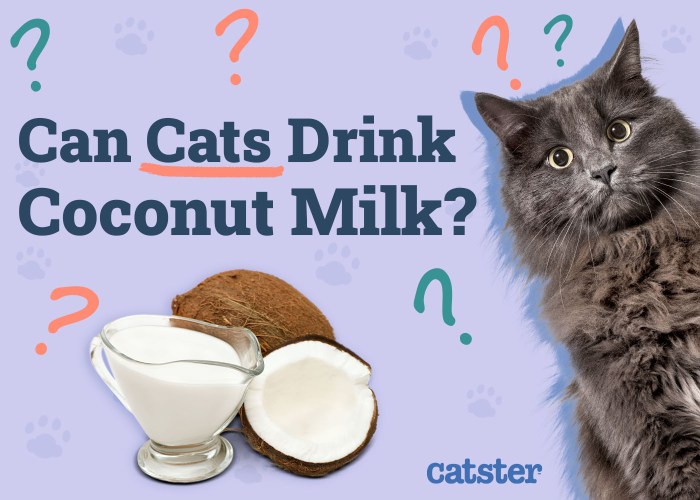
Source: catster.com
Are these vet-approved drinks safe for diabetic cats?
Most work for diabetic cats as long as you skip any options with hidden natural sugars. Stick to plain homemade bone broth, tuna juice, or feline-formulated electrolyte drinks, and always check with your vet before adding any new treat or drink to your diabetic cat’s routine.
Can I mix my cat’s liquid medication into these drinks to get them to take it?
Mild, palatable drinks like plain bone broth or tuna juice work great for hiding most liquid medications, but always check with your vet first to confirm the medication won’t interact with any drink ingredients, and use a small enough amount of the drink that your cat will consume the full dose.