Have you ever heard of a cat that looks like a miniature cheetah? Meet the Cheetoh, a relatively new and captivating breed that’s quickly gaining popularity. These spotted beauties are a fascinating blend of genetics and intentional breeding, resulting in a feline that’s as striking in appearance as it is engaging in personality. We’ll dive deep into everything you need to know about Cheetohs, from their surprising origins to their care requirements and everything in between.
The Cheetoh breed wasn’t born overnight; it’s the result of a carefully planned breeding program aiming to create a domestic cat with the wild look of a cheetah but the loving temperament of a house cat. Understanding their lineage, physical traits, and the dedication behind their creation is key to appreciating these unique felines.


The Alluring Cheetoh: A Comprehensive Guide
The Cheetoh cat is a relatively new breed, captivating cat lovers with its striking spotted coat and playful personality. Often mistaken for a miniature leopard, the Cheetoh is a testament to careful breeding and a desire to create a unique and affectionate companion. This guide will delve into everything you need to know about this fascinating breed, from its origins to its care and potential health concerns.
Origins and History of the Cheetoh
The Cheetoh’s story begins in the mid-1980s with a breeder named Judi Reynolds in California. Reynolds’ goal was to create a cat that resembled a miniature cheetah, possessing the striking spotted coat but with a gentle and affectionate temperament. The initial breeding program involved crossing a Domestic Shorthair with a Bengal, and later incorporating an Ocicat into the mix. This careful selection aimed to enhance the spotted pattern and refine the overall appearance.The lineage of the Cheetoh is a fascinating blend.
The Bengal contributes the wild appearance and athleticism, while the Ocicat adds to the spotted pattern and a generally friendly disposition. The Domestic Shorthair provided a solid foundation and helped to temper some of the more intense traits of the other breeds.The intended purpose behind creating the Cheetoh was purely aesthetic and companion-based. Reynolds sought to develop a beautiful, exotic-looking cat that would also be a loving and playful member of the family.
It wasn’t intended for any specific working purpose, but rather as a cherished pet.Here’s a timeline of significant milestones in the Cheetoh’s development:
- Mid-1980s: Judi Reynolds begins the initial breeding program, crossing a Domestic Shorthair with a Bengal.
- Late 1980s – Early 1990s: The Ocicat is introduced into the breeding program to further refine the spotted pattern.
- 1990s: The breed gains some recognition within the cat fancy, though it remains relatively obscure.
- 2000s: Increased interest in the breed leads to more breeders and a wider distribution.
- Present: The Cheetoh continues to grow in popularity, though it is not yet recognized by major cat registries.
Physical Characteristics & Appearance
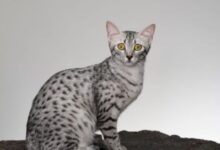
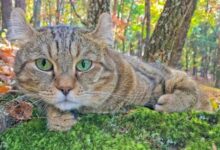
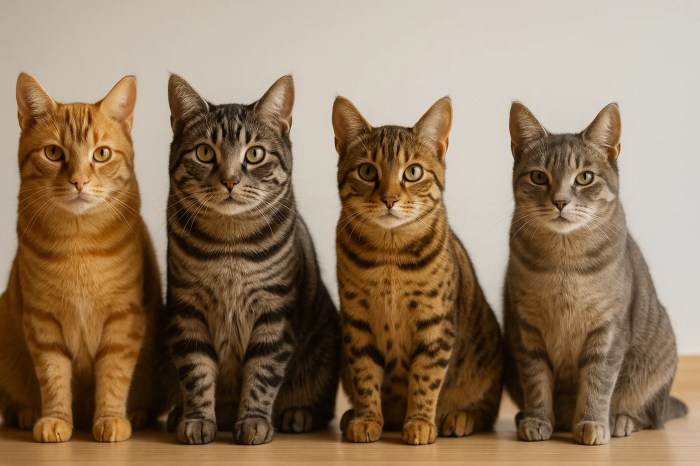
Cheetohs are medium-sized cats, typically exhibiting a muscular and athletic build. Male Cheetohs generally weigh between 8-12 pounds, while females range from 6-10 pounds. Their size and build contribute to their agile and energetic nature.The coat patterns most commonly found in Cheetohs are spotted and marbled. Spotted patterns are the most desirable and characteristic, resembling the markings of a cheetah or leopard.
Marbled patterns, while less common, are also accepted and can be quite striking.Color variations in Cheetoh coats are diverse. Brown (or “natural”) is the most common, but silver, blue, and even lilac variations can occur. The intensity of the spots can also vary, ranging from dark, bold markings to lighter, more subtle spots.What truly distinguishes Cheetohs is the combination of their spotted coat, muscular build, and often, their striking facial features.
Their large, expressive eyes and alert ears contribute to their wild yet endearing appearance.Here’s a table summarizing key physical features:
| Feature | Description | Variation |
|---|---|---|
| Eye Color | Large, round, and expressive | Gold, green, copper, hazel |
| Ear Shape | Medium-sized, slightly rounded tips | Slight variations in size and angle |
| Tail Length | Medium length, tapering to a rounded tip | Slight variations in length |
| Body Build | Muscular and athletic | Slight variations in size and weight |
Temperament and Personality
Source: catpedia.net
Cheetohs are known for their high energy levels and playful nature. They require plenty of exercise and mental stimulation to thrive. Expect a cat that enjoys climbing, chasing toys, and exploring their surroundings.Their intelligence is a notable trait. Cheetohs are quick learners and can be trained to perform tricks or walk on a leash. Positive reinforcement methods, such as treats and praise, work best.Socially, Cheetohs are generally affectionate and enjoy interacting with humans.
They often form strong bonds with their families and can be quite demanding of attention. They also tend to get along well with other pets, especially if introduced at a young age.One anecdote illustrating a common Cheetoh personality trait is their love of “fetch.” Many Cheetohs enjoy retrieving toys, demonstrating their playful and energetic nature. They are often described as being dog-like in their enthusiasm and loyalty.Here’s a personality profile table:
| Trait | Description | Example Behavior |
|---|---|---|
| Energy Level | High | Constantly playing with toys, climbing furniture |
| Intelligence | High | Quickly learning tricks, solving puzzles |
| Social Nature | Affectionate and playful | Greeting family members at the door, cuddling on the couch |
| Loyalty | Strong bond with family | Following their owner from room to room |
Care and Maintenance
Proper nutrition is crucial for a Cheetoh’s health and well-being. A high-quality cat food, rich in protein and essential nutrients, is recommended. Wet food can help ensure adequate hydration, while dry food can contribute to dental health. Portion control is important to prevent obesity.Grooming requirements are relatively low. Cheetohs have short, sleek coats that require minimal brushing.
Weekly brushing is usually sufficient to remove loose hair and maintain a healthy shine. Regular nail trimming is also essential.Regular veterinary checkups are vital for preventative care. Annual exams, vaccinations, and parasite prevention are recommended. Early detection of any health issues can significantly improve treatment outcomes.The ideal living environment for a Cheetoh is one that provides ample space for exercise and enrichment.
Cat trees, scratching posts, and interactive toys are essential. A secure outdoor enclosure can also provide opportunities for exploration and fresh air.Here’s a table outlining care and maintenance guidelines:
| Care Aspect | Frequency | Procedure | Notes |
|---|---|---|---|
| Feeding | Twice daily | Provide measured portions of high-quality cat food | Adjust portions based on activity level and weight |
| Grooming | Weekly | Brush coat with a soft brush | Trim nails as needed |
| Vet Visits | Annually | Comprehensive physical exam, vaccinations, parasite prevention | Follow veterinarian’s recommendations |
| Playtime | Daily | Engage in interactive play with toys | Provide opportunities for climbing and exploration |
Health Concerns & Genetic Predispositions
While generally healthy, Cheetohs can be predisposed to certain health issues, often inherited from their parent breeds. These can include hypertrophic cardiomyopathy (HCM), a heart condition, and progressive retinal atrophy (PRA), an eye disease.Genetic testing is highly recommended for breeders to screen for these and other potential health problems. Responsible breeding practices, such as careful selection of breeding pairs and health guarantees, are essential for minimizing the risk of inherited diseases.Preventative measures, such as a healthy diet, regular exercise, and routine veterinary care, can also help to minimize the risk of health problems.Symptoms to watch for that may indicate a health concern include lethargy, loss of appetite, coughing, difficulty breathing, vomiting, diarrhea, and changes in vision.
Prompt veterinary attention is crucial if you notice any of these signs.Here’s a list of potential health issues:
- Hypertrophic Cardiomyopathy (HCM): Thickening of the heart muscle, leading to breathing difficulties and potential heart failure. Symptoms include coughing, shortness of breath, and lethargy. Treatment may involve medication to manage symptoms.
- Progressive Retinal Atrophy (PRA): Degeneration of the retina, leading to blindness. Symptoms include night blindness and gradual vision loss. There is currently no cure for PRA.
- Patellar Luxation: Dislocation of the kneecap. Symptoms include lameness and pain. Treatment may involve surgery.
- Polycystic Kidney Disease (PKD): Formation of cysts on the kidneys, leading to kidney failure. Symptoms include increased thirst and urination, weight loss, and lethargy. Treatment may involve medication and dietary changes.
Cheetohs in Popular Culture & Media
Cheetohs, with their striking appearance, have started to gain traction in online videos and social media. Numerous videos showcasing their playful antics and unique looks have gone viral, contributing to the breed’s growing popularity.Their portrayal in media is generally positive, often emphasizing their beauty, intelligence, and affectionate nature. They are frequently depicted as playful and energetic companions.While there aren’t any widely recognized Cheetoh celebrities, several influencers on social media feature their Cheetohs, showcasing the breed’s charm to a wider audience.
“The wind whipped through Leo’s spotted fur as he chased a rogue butterfly across the meadow. He leaped and bounded, a miniature cheetah in a world of green, his laughter echoing in the summer breeze. It was a perfect day for adventure, and Leo, the Cheetoh, was ready for anything.”
Finding a Cheetoh: Breeders & Adoption
Finding a reputable Cheetoh breeder requires careful research. Look for breeders who prioritize health testing, provide health guarantees, and are knowledgeable about the breed. Visiting the breeder’s cattery and meeting the parent cats is highly recommended.Ethical considerations are paramount when purchasing a Cheetoh from a breeder. Ensure the breeder is not engaging in irresponsible breeding practices, such as breeding cats with known health problems or neglecting their welfare.Adopting a Cheetoh from a rescue organization is another option.
While less common, some rescue organizations may occasionally have Cheetohs or Cheetoh mixes available for adoption.Before bringing a Cheetoh home, ask the breeder or adoption agency the following questions:* What health testing has been performed on the parent cats?
- What health guarantees are provided?
- What is the breeder’s/adoption agency’s experience with the breed?
- Can I meet the cat’s parents?
Here’s a checklist to guide your search:
| Item | Importance | Notes |
|---|---|---|
| Breeder Reputation | High | Check online reviews and references |
| Health Guarantees | High | Ensure the breeder provides a written health guarantee |
| Adoption Fees | Medium | Understand the fees associated with adoption |
| Home Suitability | High | Assess whether your home environment is suitable for a Cheetoh |
Cheetoh vs. Other Spotted Breeds (Comparison)
Comparing the Cheetoh to other spotted breeds, such as the Bengal and Ocicat, highlights their unique characteristics. While all three breeds share a spotted coat, they differ in origin, size, temperament, and health predispositions.The Bengal is a hybrid breed resulting from a cross between a domestic cat and an Asian Leopard Cat. They are generally larger than Cheetohs and known for their energetic and independent nature.Ocicats were developed to resemble a wild cat, but are entirely domestic.
They are known for their intelligence and trainability, often described as being dog-like in their behavior.Here’s a comparison table:
| Feature | Cheetoh | Bengal | Ocicat |
|---|---|---|---|
| Origin | United States (California) | United States (cross between domestic cat and Asian Leopard Cat) | United States (developed to resemble a wild cat) |
| Size | Medium (8-12 lbs) | Medium-Large (10-15 lbs) | Medium (8-15 lbs) |
| Temperament | Playful, affectionate, energetic | Energetic, independent, playful | Intelligent, trainable, affectionate |
| Health | HCM, PRA, Patellar Luxation, PKD | HCM, PRA, Pyruvate Kinase Deficiency | HCM, PRA, Kidney Disease |
Training and Enrichment Activities
Training Cheetohs requires patience, consistency, and positive reinforcement. Reward-based training methods, such as using treats and praise, are highly effective. Clicker training can also be beneficial.Providing mental stimulation and enrichment is crucial for preventing boredom and behavioral problems. Interactive toys, puzzle feeders, and climbing structures are essential.Ideas for interactive toys and games include feather wands, laser pointers, catnip mice, and puzzle toys that dispense treats.
Creating a stimulating indoor environment with plenty of climbing opportunities and hiding places will keep your Cheetoh entertained and engaged.Here’s a list of enrichment activities:
- Puzzle Feeders: Challenge your Cheetoh’s problem-solving skills while providing meals.
- Cat Trees: Provide vertical space for climbing and exploring.
- Interactive Toys: Engage your Cheetoh’s hunting instincts with feather wands and laser pointers.
- Scratching Posts: Satisfy your Cheetoh’s natural scratching behavior.
- Window Perches: Allow your Cheetoh to observe the outside world.
The Cheetoh Breed Standard
The Cheetoh breed standard, while not officially recognized by major cat registries, Artikels the desired physical and temperament characteristics. Breeders often use this standard as a guideline for their breeding programs.Key physical characteristics include a spotted or marbled coat, large expressive eyes, a muscular build, and a medium-length tail. Temperament characteristics include playfulness, affection, intelligence, and a generally friendly disposition.Adhering to the breed standard is important for maintaining the consistency and quality of the Cheetoh breed.
Judging criteria in cat shows (where Cheetohs are sometimes exhibited) typically focus on coat pattern, eye color, body structure, and temperament.Here’s a table summarizing the breed standard:
| Standard Aspect | Description |
|---|---|
| Coat Pattern | Spotted or marbled, with distinct spots |
| Eye Color | Gold, green, copper, or hazel |
| Body Structure | Muscular and athletic |
| Temperament | Playful, affectionate, intelligent |
Conclusion
From their captivating spotted coats to their playful and intelligent personalities, Cheetohs offer a truly special companionship. Whether you’re a seasoned cat lover or just starting your journey into the world of feline friends, the Cheetoh presents a unique and rewarding experience. With responsible breeding practices and a commitment to their well-being, these spotted wonders are sure to continue enchanting cat enthusiasts for years to come.
Ultimately, bringing a Cheetoh into your home is a big decision, requiring careful consideration of their specific needs and a genuine desire to provide them with a stimulating and loving environment. But for those willing to invest the time and effort, the rewards of sharing your life with a Cheetoh are immeasurable.
Questions Often Asked
How much do Cheetoh kittens typically cost?
Prices can vary widely, but expect to pay anywhere from $1,500 to $3,000 or more, depending on the breeder’s reputation, lineage, and markings.
Are Cheetohs hypoallergenic?
Unfortunately, no. Like all cats, Cheetohs produce Fel d 1, the primary allergen responsible for cat allergies. However, some individuals may experience fewer allergic reactions.
Do Cheetohs get along with dogs?
Generally, yes! Cheetohs are known for their social nature and can often form strong bonds with dogs, especially if introduced at a young age. Early socialization is key.
What is the best type of food for a Cheetoh?
A high-quality, protein-rich diet is essential. Look for cat food with meat as the primary ingredient and avoid fillers like corn and wheat. Wet food is also beneficial for hydration.
How long do Cheetohs typically live?
With proper care, Cheetohs can live for 12-15 years or even longer.
Are Cheetohs difficult to train?
Not particularly! They are intelligent and eager to please, making them relatively easy to train using positive reinforcement methods like treats and praise.

