We all love sharing little bits of our meals with our feline friends, but is it always a good idea? The question “can cats eat corn?” pops up frequently, and for good reason. Corn is a staple in many human diets, but cats have a very different digestive system. This post dives deep into the nutritional value of corn for cats, explores potential risks, and helps you decide if a tiny bit of corn is okay as an occasional treat, or if it’s best to keep it off the menu entirely.
We’ll also look at how corn shows up in commercial cat food and what alternatives might be better for your kitty’s health.
![Can Cats Have Chicken Liver? [Comprehensive Answer] - Nahf.org](https://miowcat.com/wp-content/uploads/2026/05/pexels-photo-15284091-220x150.jpeg)
Understanding a cat’s unique digestive needs is key. Unlike humans, cats are obligate carnivores, meaning their bodies are designed to thrive on a meat-based diet. While they
-can* digest some plant matter, their systems aren’t as efficient at processing carbohydrates like those found in corn. We’ll break down the science behind this, comparing corn’s nutritional profile to other common cat food ingredients and exploring the potential for digestive upset or allergies.
Can Cats Eat Corn? A Comprehensive Guide for Concerned Owners
Let’s be honest, when we think of cats, images of tuna, salmon, and maybe a bit of chicken usually spring to mind. The idea of feeding them something like corn can feel… odd. We often hear that cats are finicky eaters, and that they only want the “good stuff.” Humans, on the other hand, are constantly being told about the benefits of whole grains, and corn is a common ingredient in many of our diets.
But does that mean it’s safe, or even beneficial, for our feline companions? This article dives deep into the topic, exploring the nutritional value, potential risks, and everything you need to know before offering your cat a kernel of corn.
For humans, corn is a staple crop, providing carbohydrates, fiber, and a range of vitamins and minerals. It’s a source of energy, contributes to digestive health, and contains antioxidants. However, cats are obligate carnivores, meaning their bodies are designed to thrive on a diet primarily consisting of meat. This fundamental difference raises questions about whether corn can be safely incorporated into a cat’s diet, and if so, how.
Many cat owners worry about introducing human foods to their cats, fearing digestive upset or allergic reactions. The prevalence of corn in commercial cat food is surprisingly high, often used as a filler or source of carbohydrates. While it’s present, the question remains: is it
-necessary* or
-beneficial*?
Nutritional Value of Corn for Cats
Corn offers a few nutrients that
-could* be relevant to a cat’s health, though it’s important to understand that these aren’t the primary nutrients they need. It’s a source of carbohydrates, providing energy. It also contains fiber, which can aid in digestion. Furthermore, corn contains some vitamins, including thiamin, niacin, and folate, and minerals like magnesium and phosphorus. However, the bioavailability of these nutrients for cats is questionable, and they are often present in lower quantities compared to other ingredients.
While vitamins and minerals are essential for feline health, corn isn’t the most efficient source. Cats primarily obtain these nutrients from animal-based proteins. The nutritional value of corn pales in comparison to ingredients like chicken or fish, which provide essential amino acids and other vital nutrients that cats cannot synthesize on their own.
| Ingredient | Carbohydrates | Other Key Nutrients |
|---|---|---|
| Chicken | Very Low | Protein, Taurine, Vitamin B12, Iron |
| Fish (Salmon) | Low | Protein, Omega-3 Fatty Acids, Vitamin D, Selenium |
| Corn | High | Fiber, Thiamin, Niacin, Magnesium |
Fiber plays a crucial role in a cat’s digestive system, helping to regulate bowel movements and prevent constipation. Corn contributes fiber, but other sources, like pumpkin or psyllium husk, are often more effective and better tolerated by cats.
Can Cats Digest Corn? Digestive System Considerations
A cat’s digestive system is significantly different from a human’s. Cats have shorter digestive tracts and produce fewer digestive enzymes compared to humans. This is because their evolutionary history is rooted in consuming prey, which is relatively easy to digest. Humans, as omnivores, have digestive systems adapted to process a wider range of foods, including plant matter.
Cats lack the enzyme amylase in sufficient quantities to efficiently break down starch, the primary component of corn. While they
-can* digest some carbohydrates, corn’s high starch content can be challenging. This can lead to incomplete digestion and potential digestive issues.
Feeding a cat corn can potentially lead to digestive upset, including vomiting, diarrhea, and gas. The undigested starch can also ferment in the gut, producing gas and causing discomfort. Individual cats may react differently, with some tolerating small amounts of corn better than others.
Here’s a simplified flowchart illustrating the typical path of food through a cat’s digestive system, highlighting potential problem areas with corn:
- Mouth: Food is chewed and swallowed.
- Esophagus: Food travels to the stomach.
- Stomach: Food is mixed with digestive juices. Corn’s starch may not break down efficiently here.
- Small Intestine: Nutrient absorption occurs. Limited amylase means starch digestion is incomplete.
- Large Intestine: Water is absorbed, and waste is formed. Undigested corn can contribute to gas and discomfort.
- Exit: Waste is eliminated.
Types of Corn and Their Suitability
Not all corn is created equal. Sweet corn, field corn, and popcorn each have different characteristics that affect their digestibility and nutritional value for cats. Sweet corn is higher in sugar, while field corn is primarily starch. Popcorn is essentially puffed corn kernels.
Preparation methods significantly impact feline digestion. Raw corn is difficult for cats to digest and is generally not recommended. Cooking corn softens the kernels and makes the starch more accessible, but it doesn’t eliminate the digestibility challenges. Popped popcorn kernels pose a choking hazard, especially for kittens or cats with a tendency to gulp their food.
Here’s a breakdown of each corn type:
- Sweet Corn: Pros – Slightly sweeter taste might be appealing to some cats. Cons – High sugar content isn’t ideal.
- Field Corn: Pros – Readily available. Cons – High starch content, difficult to digest.
- Popcorn: Pros – None, really. Cons – Choking hazard, difficult to digest, high in fat.
Potential Risks and Allergies
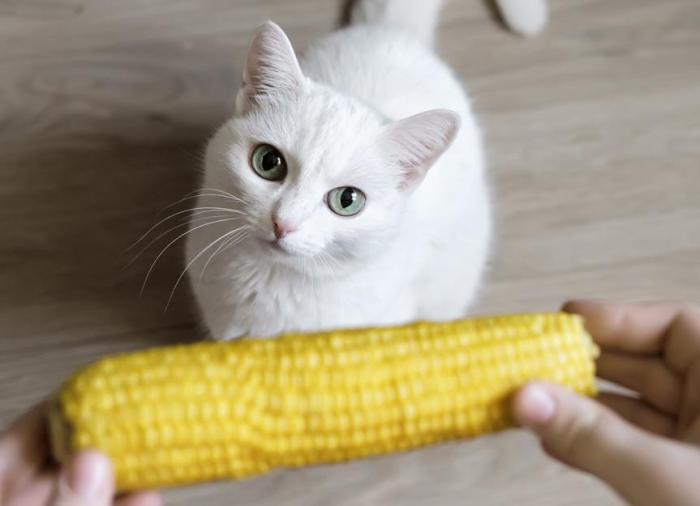
Source: petmd.com
Common allergens in cats include beef, dairy, fish, and chicken. While corn allergies are less common than these, they do occur. The likelihood of a cat being allergic to corn is relatively low, but it’s not impossible.
Symptoms of a corn allergy in cats can include skin irritation (itching, redness, hives), digestive upset (vomiting, diarrhea), and respiratory problems (coughing, sneezing). In severe cases, an allergic reaction can cause anaphylaxis, a life-threatening condition.
Cross-reactivity is a possibility. A cat allergic to corn might also react to other grains, such as wheat or soy. If you suspect a corn allergy, it’s crucial to eliminate all potential allergens from the cat’s diet and introduce them back one at a time to identify the culprit.
If your cat exhibits signs of an allergic reaction to corn, immediately consult a veterinarian. They may recommend antihistamines, corticosteroids, or other treatments to alleviate the symptoms.
Safe Preparation and Portion Sizes
If you choose to offer your cat corn, proper preparation is essential. Cook the corn thoroughly, either by boiling or steaming. Remove the kernels from the cob to prevent choking. Avoid adding butter, salt, or other seasonings, as these can be harmful to cats.
Portion sizes should be small and infrequent. For a small cat (5-7 lbs), a teaspoon of cooked corn kernels is plenty. Larger cats (10-15 lbs) can have a tablespoon or two. Always monitor your cat for any adverse reactions after introducing corn to their diet.
Raw corn is generally not recommended due to its poor digestibility and potential for bacterial contamination.
| Cat Weight (lbs) | Recommended Corn Portion (Tablespoons) | Notes |
|---|---|---|
| 5-7 | 1 | Introduce slowly, monitor for digestive upset. |
| 8-10 | 1-2 | Small amounts only, occasional treat. |
| 11-15 | 2 | Observe for any allergic reactions. |
Corn as an Occasional Treat vs. Regular Diet Component
Treats play a role in a cat’s overall diet, providing enrichment and strengthening the bond between owner and pet. However, treats should only make up a small percentage (ideally less than 10%) of a cat’s daily caloric intake.
Corn is best considered an occasional treat rather than a staple food. Its limited nutritional value and potential for digestive issues outweigh any benefits it might offer. Relying on corn as a significant portion of a cat’s diet can lead to nutritional deficiencies and health problems.
Healthy treat alternatives for cats include cooked chicken, fish, or small pieces of vegetables like carrots or green beans. These options provide more essential nutrients and are generally better tolerated.
Balanced nutrition is the cornerstone of feline health. While occasional treats can be enjoyable, a cat’s primary diet should consist of high-quality, meat-based food that meets their specific nutritional needs.
Corn By-Products in Cat Food
Common corn by-products found in commercial cat food include corn gluten meal, corn syrup, and corn distillers dried grains with solubles (DDGS). Corn gluten meal is a protein source, but it’s not as bioavailable as animal-based protein. Corn syrup is a sweetener and provides empty calories. DDGS is a byproduct of ethanol production and contains some protein and fiber, but its nutritional value is questionable.
The nutritional value of these by-products is generally low, and they offer little benefit to cats. Concerns surrounding their use include potential allergens, low digestibility, and the fact that they are often used as fillers to reduce the cost of cat food.
| Corn By-Product | Description | Nutritional Value | Potential Concerns |
|---|---|---|---|
| Corn Gluten Meal | Protein concentrate from corn | Moderate protein, low bioavailability | Potential allergen, low digestibility |
| Corn Syrup | Sweetener | Empty calories | Contributes to weight gain, no nutritional benefit |
| DDGS | Byproduct of ethanol production | Some protein and fiber | Variable nutritional value, potential contaminants |
Alternative Grains and Starches for Cats
While corn isn’t the best choice for cats, other grains and starches are generally considered safer and more digestible. Oats, brown rice, and quinoa are often used in cat food as carbohydrate sources. These alternatives provide more readily digestible carbohydrates and may be better tolerated by some cats.
Compared to corn, oats and brown rice offer a slightly better nutritional profile, providing more fiber and essential nutrients. Quinoa is a complete protein source, making it a more valuable addition to a cat’s diet.
Incorporating these alternatives into a cat’s diet can provide a source of energy and fiber without the potential digestive issues associated with corn.
Here’s a visual comparison:
Corn: High Starch, Low Bioavailability of Nutrients, Potential Digestive Issues
Oats: Moderate Starch, Good Fiber Source, Generally Well-Tolerated
Brown Rice: Moderate Starch, Good Fiber Source, Easily Digestible
Quinoa: Complete Protein, Moderate Carbohydrates, Highly Digestible
Expert Opinions and Veterinary Perspectives
Veterinary nutritionists generally agree that corn is not essential for a cat’s health and that high-quality, meat-based diets are the best option. While small amounts of corn may not be harmful to all cats, it’s not recommended as a significant component of their diet.
Veterinarians often recommend limiting grain inclusion in a cat’s diet, particularly for cats with sensitive stomachs or allergies. They emphasize the importance of choosing cat foods with high-quality protein sources and minimal fillers.
There’s ongoing debate within the veterinary community regarding the optimal level of carbohydrate intake for cats. Some argue that cats can benefit from small amounts of carbohydrates, while others maintain that a strictly carnivorous diet is ideal.
Here are some reputable sources for more information on feline nutrition:
- American Animal Hospital Association (AAHA): https://www.aaha.org/
- Association of American Feed Control Officials (AAFCO): https://www.aafco.org/
- Purina Veterinary Diets: https://www.purinaveterinarydiets.com/
Last Point
So, can cats eat corn? The short answer is, in very limited quantities, and with careful preparation, it
-might* be okay as an occasional treat. However, it shouldn’t be a regular part of their diet. Prioritizing a high-quality, meat-based cat food is crucial for their overall health and well-being. Remember, a balanced diet is the foundation of a happy and healthy cat! If you’re ever unsure about what to feed your feline friend, always consult with your veterinarian – they’re the best resource for personalized nutritional advice.
Ultimately, while a tiny bit of cooked corn might not cause harm, there are plenty of other, more nutritious treats you can offer your cat. Focusing on their natural carnivorous instincts and providing a balanced diet will ensure they get everything they need to thrive.
Detailed FAQs
Is corn toxic to cats?
No, corn isn’t inherently toxic to cats, but it’s not easily digestible and can cause digestive issues in some.
Can kittens eat corn?
It’s generally best to avoid feeding corn to kittens, as their digestive systems are still developing.
What’s the best way to prepare corn for my cat?
Cooked corn kernels, without butter, salt, or other seasonings, are the safest option. Avoid raw corn entirely.
My cat seems to love corn – is it okay to give them more?
Just because your cat enjoys it doesn’t mean it’s good for them. Treats should only make up a small portion of their diet.
What are the signs of a corn allergy in cats?
Symptoms can include skin irritation (itching, redness), vomiting, diarrhea, and excessive grooming.
Are corn by-products in cat food harmful?
Often, corn by-products offer little nutritional value and can be difficult for cats to digest, potentially leading to digestive upset.
What are some good alternatives to corn for cat treats?
Cooked chicken, fish, or small amounts of certain vegetables like pumpkin or green beans are healthier treat options.

