Ever wondered why your cat’s food label highlights taurine? It’s more than just a buzzword – it’s a vital nutrient for feline health! Taurine is an essential amino acid, meaning cats can’t produce it themselves and
-must* get it from their diet. Understanding how much taurine your cat needs, and where to find it, is key to keeping them happy and healthy for years to come.
Let’s dive into the fascinating world of taurine and its importance for our furry friends.
Unlike many other animals, cats lack the enzymatic machinery to synthesize taurine efficiently. This unique metabolic quirk means they’re entirely reliant on external sources. Historically, the discovery of taurine deficiency in cats was a significant turning point in feline nutrition, revealing a link between inadequate taurine intake and serious health problems like heart disease and vision loss. Ignoring this crucial nutrient can lead to a cascade of issues, impacting everything from their heart function to their reproductive health.
Taurine and Feline Health: A Comprehensive Guide
Taurine. It’s a name you’ve probably heard when discussing cat nutrition, but do you really understand its importance? For our feline companions, taurine isn’t just another nutrient; it’s absolutely vital for their health and well-being. Unlike humans and many other animals, cats can’t produce enough taurine on their own, making dietary intake crucial. This article will delve into everything you need to know about taurine, from its role in your cat’s body to how to ensure they’re getting enough.Taurine is an amino acid, a building block of protein, but its role extends far beyond simple protein synthesis.
It acts as an antioxidant, supports healthy vision, aids in digestion, and is particularly critical for heart function and reproductive health. The discovery of taurine deficiency in cats in the 1980s was a significant turning point in feline nutrition. Researchers noticed that cats fed a diet low in taurine developed serious health problems, including blindness and dilated cardiomyopathy (DCM). This led to the mandatory supplementation of taurine in commercial cat foods, a change that has dramatically improved the health of countless felines.
A lack of taurine can manifest in a variety of ways, impacting everything from their heart and eyes to their reproductive capabilities and overall energy levels.
Taurine Sources: Dietary Options
Ensuring your cat gets enough taurine hinges on their diet. Let’s break down the taurine content of different food types and how they impact your cat’s intake. Dry cat food, wet cat food, and raw diets all offer varying levels of taurine, and understanding these differences is key to making informed choices. Commercial cat foods are generally formulated to meet the minimum taurine requirements, but homemade diets require careful planning and supplementation.
The bioavailability of taurine – how well the body can absorb and utilize it – also varies depending on the food source. Animal-based sources, like meat and fish, generally have higher bioavailability than plant-based sources.Here’s a table summarizing typical taurine content:
| Food Type | Typical Taurine Content (mg/kg) | Notes (e.g., added taurine, natural source) |
|---|---|---|
| Dry Cat Food (Commercial) | 500-1500 | Typically supplemented; varies by brand and formulation. |
| Wet Cat Food (Commercial) | 300-800 | Often naturally occurring from meat/fish; some brands add taurine. |
| Raw Meat (Chicken) | 200-400 | Natural source; content can vary depending on the cut and freshness. |
| Raw Fish (Salmon) | 500-1000 | Excellent natural source; high bioavailability. |
| Homemade Diet (Unsupplemented) | Variable (often deficient) | Requires careful planning and taurine supplementation. |
Recommended Taurine Intake: Age and Life Stage Considerations
Taurine requirements aren’t static; they change depending on your cat’s age and life stage. Kittens, with their rapidly developing bodies, need more taurine than adult cats. Pregnant and lactating queens have significantly increased needs to support their own health and the growth of their kittens. Cats with certain health conditions, particularly heart disease, may also require higher taurine levels. Understanding these nuances is crucial for tailoring your cat’s diet to their specific needs.Here’s a breakdown of taurine recommendations (mg/kg body weight):
- Kitten (0-6 months): 50-75 mg/kg
- Adult (6 months – 7 years): 30-50 mg/kg
- Senior (7+ years): 30-40 mg/kg
- Pregnant Queen: 75-100 mg/kg
- Lactating Queen: 100-150 mg/kg
Taurine Deficiency: Symptoms and Diagnosis
Recognizing the signs of taurine deficiency is essential for early intervention. Common symptoms include lethargy, poor appetite, weight loss, and increased thirst. More seriously, taurine deficiency can lead to dilated cardiomyopathy (DCM), retinal degeneration (causing blindness), and reproductive problems in both male and female cats. Veterinarians typically diagnose taurine inadequacy through blood tests that measure taurine levels. Early detection and intervention, through dietary changes or supplementation, can often reverse the effects of deficiency and prevent long-term health complications.A cat experiencing heart failure due to taurine deficiency might exhibit a noticeably enlarged chest, a sign of the heart struggling to pump blood effectively.
Their breathing may be labored and rapid, and they often adopt a characteristic “tripod” stance, supporting themselves on their front legs to ease the strain on their chest. Their overall demeanor is typically subdued, with a lack of energy and a general appearance of weakness.
Taurine Supplementation: Guidelines and Precautions
Source: conservationcubclub.com
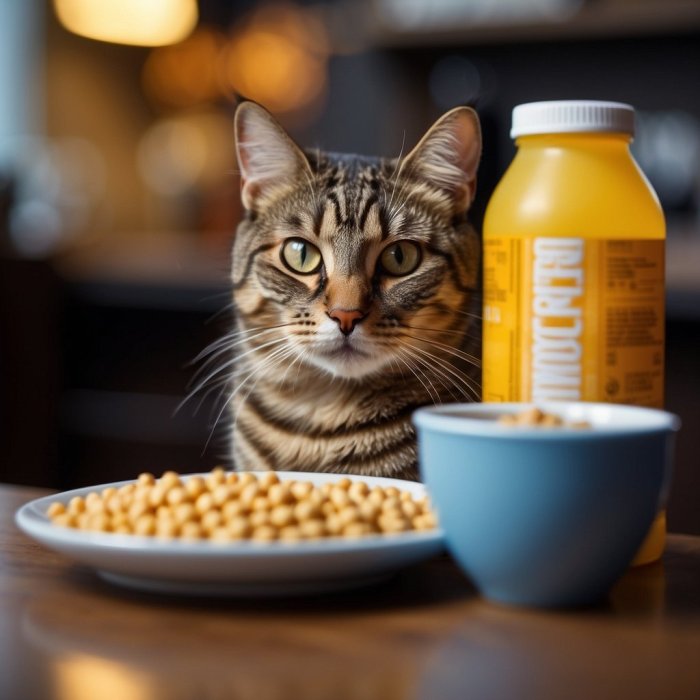
Supplementing your cat’s diet with taurine can be a safe and effective way to ensure they’re getting enough, especially if they’re on a homemade diet or have specific health concerns. However, it’s important to follow guidelines and be aware of potential risks. Dosage should be based on your cat’s body weight and dietary intake, and it’s always best to consult with your veterinarian before starting any new supplement.
Excessive taurine supplementation can, in rare cases, lead to gastrointestinal upset.Here’s a guide to taurine supplementation:
| Supplement Form | Typical Dosage (mg) | Administration Method | Potential Side Effects |
|---|---|---|---|
| Powder | 250-1000 (depending on weight) | Mixed with food | Rare; occasional gastrointestinal upset |
| Capsule | 250-500 | Pill pocket or directly into mouth | Rare |
| Liquid | Varies; follow product instructions | Mixed with food or water | Rare |
Taurine and Specific Health Conditions
Taurine plays a crucial role in managing several feline health conditions. In cases of dilated cardiomyopathy (DCM), taurine supplementation can help improve heart function and prolong life. For cats with retinal degeneration, taurine may help slow the progression of vision loss. Furthermore, taurine’s antioxidant properties contribute to a healthy immune system, helping cats fight off infections and diseases.
Taurine supports healthy heart muscle function by acting as a stabilizer for cell membranes, protecting them from damage and ensuring efficient contraction and relaxation of the heart. It also plays a role in regulating calcium levels within heart cells, which is essential for proper heart rhythm and function.
Taurine Metabolism: How Cats Process Taurine
Cats are unique in their inability to synthesize taurine internally. Unlike many other species, they lack the necessary enzymes to convert other amino acids into taurine. This means theymust* obtain taurine from their diet. Once ingested, taurine is absorbed in the small intestine and utilized throughout the body. Factors like age, health status, and diet composition can influence taurine absorption and excretion.[Flowchart illustrating the process of taurine absorption, utilization, and excretion in cats would go here.
Imagine a diagram showing: Ingestion -> Absorption in Small Intestine -> Distribution to Tissues (Heart, Eyes, Reproductive Organs) -> Utilization in Metabolic Processes -> Excretion via Urine.]
Raw Diets and Taurine: A Closer Look
Formulating a nutritionally complete raw diet for cats can be challenging, particularly when it comes to taurine. While raw meat naturally contains taurine, processing methods like cooking can significantly reduce its content. Ensuring adequate taurine levels in raw diets often requires supplementation.Here’s a ranking of raw meat sources by approximate taurine content (mg/100g):
- Salmon: 500-1000
- Tuna: 400-800
- Chicken Heart: 300-500
- Beef Heart: 200-400
- Chicken Breast: 100-200
- Beef Muscle Meat: 50-150
Taurine and Other Nutrients: Interactions
Taurine doesn’t exist in isolation; it interacts with other essential nutrients to support overall feline health. For example, vitamin B6 is crucial for taurine metabolism, and selenium acts as an antioxidant, working synergistically with taurine to protect cells from damage. Nutrient imbalances can disrupt taurine metabolism and negatively impact health. A balanced diet, carefully formulated to meet all of a cat’s nutritional needs, is the foundation of optimal feline health.
| Nutrient | Interaction with Taurine |
|---|---|
| Vitamin B6 | Positive (essential for taurine metabolism) |
| Selenium | Positive (synergistic antioxidant effects) |
| Copper | Negative (excessive copper can interfere with taurine absorption) |
Epilogue
So, we’ve covered a lot of ground! From understanding taurine’s fundamental role in feline physiology to exploring different dietary sources and supplementation guidelines, it’s clear that this amino acid is absolutely essential for a cat’s well-being. Whether you’re feeding commercial kibble, wet food, or a carefully crafted raw diet, ensuring adequate taurine intake is a non-negotiable aspect of responsible cat ownership.
By paying attention to your cat’s needs and making informed choices about their diet, you can help them thrive and enjoy a long, healthy life.
FAQ Overview
Can cats get taurine from plants?
No, taurine is primarily found in animal tissues. Plant-based diets are unlikely to provide sufficient taurine for cats.
Is taurine supplementation always necessary?
Not always. Most high-quality commercial cat foods are supplemented with taurine. However, homemade diets or those with lower-quality ingredients may require supplementation.
What are the signs of taurine deficiency in kittens?
Kittens may exhibit poor growth, lethargy, and digestive issues. Eye problems and weakened immune systems can also occur.
Can too much taurine be harmful?
While rare, excessive taurine supplementation can potentially lead to digestive upset or interfere with the absorption of other nutrients. Always follow recommended dosages.
Do older cats need more taurine?
Taurine requirements generally remain consistent across adult life stages, but older cats may benefit from monitoring their taurine intake, especially if they have underlying health conditions.
How does taurine affect a cat’s heart?
Taurine is crucial for maintaining healthy heart muscle function. Deficiency can lead to dilated cardiomyopathy (DCM), a serious heart condition.

