As our feline friends gracefully age, their needs shift, and that includes their litter box habits. Senior cats often face physical and cognitive challenges that can make using a standard litter box difficult or even distressing. From arthritis making it hard to climb in, to kidney disease impacting frequency, understanding these changes is key to ensuring your beloved cat remains comfortable and happy.
This guide dives deep into creating a senior-friendly litter box setup, covering everything from the right type of litter to strategic placement and helpful modifications.
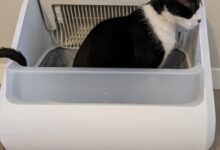
We’ll explore the common issues senior cats encounter, like mobility limitations and cognitive decline, and how these impact their litter box use. You’ll learn about different litter box designs, materials, and litter types, all tailored to address the specific sensitivities and needs of older cats. Plus, we’ll provide practical, DIY solutions to make litter box access easier and more comfortable, ultimately promoting better hygiene and reducing stress for your furry companion.
Litter Boxes for Senior Cats: Creating a Comfortable and Accessible Space
As our feline companions age, their needs change, and that includes their litter box habits. What worked for a kitten or a young adult cat simply might not be suitable for a senior. This can lead to frustration for both you and your cat, and even accidents around the house. This guide is designed to help you understand the unique challenges senior cats face with litter box use and provide practical solutions to create a comfortable and accessible space for them.
We’ll cover everything from understanding their changing needs to modifying existing litter boxes and choosing the right litter.
Senior cats often experience a range of physical and psychological changes that can impact their litter box habits. Recognizing these changes is the first step in addressing any issues and ensuring your cat’s comfort and well-being. Let’s dive into the specifics.
1. Understanding Senior Cat Needs & Litter Box Challenges
Detail the common physical changes in senior cats that impact litter box use (arthritis, kidney disease, cognitive dysfunction).
Aging in cats, just like in humans, brings about a variety of physical changes. Arthritis is incredibly common, causing joint pain and stiffness, making it difficult for cats to climb into a litter box, especially one with high sides. Kidney disease, also prevalent in older cats, can lead to increased urination, requiring more frequent trips to the litter box. Cognitive dysfunction, often referred to as “cat dementia,” can cause disorientation and confusion, making it hard for cats to remember where their litter box is located or how to use it.
Explain how these changes can lead to litter box avoidance or accidents.
The discomfort associated with arthritis can make the act of entering and exiting a litter box painful, leading cats to avoid it altogether. Increased urination due to kidney disease can overwhelm a cat’s ability to reach the litter box in time, resulting in accidents. Cognitive dysfunction can cause a cat to forget where the litter box is, or to become confused about its purpose, leading to inappropriate elimination.
Discuss the psychological factors that might influence a senior cat’s litter box habits (anxiety, disorientation).
Source: whiskersmagoo.com
Beyond the physical changes, psychological factors play a significant role. Anxiety, often stemming from changes in the environment or routine, can manifest as litter box avoidance. Disorientation, a symptom of cognitive dysfunction, can lead to confusion and accidents. Even a seemingly minor change, like rearranging furniture, can trigger anxiety in a senior cat.
Provide a list of potential medical conditions that can affect litter box behavior, and their symptoms.
- Arthritis: Stiffness, limping, reluctance to jump or climb, decreased grooming.
- Kidney Disease: Increased thirst and urination, weight loss, lethargy, vomiting.
- Cognitive Dysfunction: Disorientation, confusion, changes in sleep patterns, vocalization, decreased interaction.
- Urinary Tract Infections (UTIs): Frequent urination, straining to urinate, blood in urine, pain.
- Diabetes: Increased thirst and urination, weight loss, increased appetite.
- Hyperthyroidism: Increased appetite, weight loss, hyperactivity, increased thirst and urination.
2. Litter Box Types
Evaluating Suitability for Older Cats
Compare and contrast covered vs. uncovered litter boxes, considering senior cat preferences and health conditions.
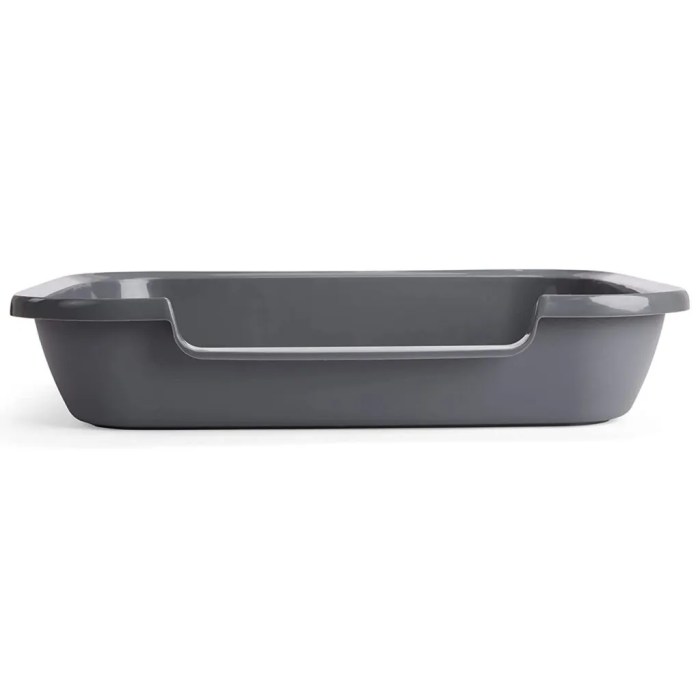
The debate between covered and uncovered litter boxes is a long-standing one, and it’s even more important to consider for senior cats. Covered litter boxes offer privacy and can help contain odors, but the enclosed space can feel claustrophobic for some cats, especially those with arthritis who struggle to maneuver. The lid can also be a barrier for cats with limited mobility.
Uncovered litter boxes provide more space and easier access, but they offer less privacy and may not control odors as effectively. For senior cats, an uncovered box is generally preferred unless your cat specifically enjoys the privacy of a covered box and has no mobility issues.
Design a table (responsive, 3 columns) comparing different litter box materials (plastic, stainless steel, ceramic) regarding ease of cleaning, odor control, and cat comfort.
| Material | Ease of Cleaning | Odor Control | Cat Comfort |
|---|---|---|---|
| Plastic | Easy to clean, but can stain and retain odors. | Moderate, depending on the type of plastic and litter used. | Can be slippery for cats with mobility issues. Some cats dislike the plastic smell. |
| Stainless Steel | Very easy to clean and disinfect. | Excellent, doesn’t absorb odors. | Can be cold and noisy. May be slippery. |
| Ceramic | Relatively easy to clean, but can chip or break. | Good, but can absorb odors over time. | Often feels warmer and more comfortable than plastic or stainless steel. |
Elaborate on the benefits and drawbacks of automatic self-cleaning litter boxes for senior cats with mobility issues.
Automatic self-cleaning litter boxes can be a godsend for senior cats with mobility issues, reducing the need for them to climb in and out of a box. However, the noise and movement of the cleaning cycle can be frightening or stressful for some cats, especially those with cognitive dysfunction. It’s crucial to introduce these boxes slowly and ensure your cat is comfortable with the process.
Some cats may also be hesitant to use a box that moves unexpectedly.
Discuss the importance of litter box size for senior cats, providing recommended dimensions for different cat sizes.
Senior cats need ample space to turn around and comfortably position themselves in the litter box. A good rule of thumb is that the litter box should be at least 1.5 times the length of your cat. For smaller cats (under 8 pounds), a box that’s 18 inches long, 14 inches wide, and 6 inches high is usually sufficient. For larger cats (over 12 pounds), a box that’s 24 inches long, 18 inches wide, and 8 inches high is recommended.
Extra space is especially important for cats with arthritis, allowing them to maneuver without discomfort.
3. Litter Type Considerations for Senior Cats
Share a breakdown of different litter types (clay, clumping, crystal, wood, paper) and their pros and cons for senior cats with sensitive paws or respiratory issues.
Choosing the right litter is crucial for senior cats, especially those with sensitive paws or respiratory problems. Clay litter is inexpensive but can be dusty and irritating. Clumping litter is convenient for cleaning but can also be dusty. Crystal litter offers excellent odor control but can be uncomfortable for some cats’ paws. Wood litter is natural and biodegradable but may not control odors as well.
Paper litter is soft and low-dust but may not clump effectively. The best choice depends on your cat’s individual needs and preferences.
Detail how litter dust levels impact senior cats with respiratory problems.
Dusty litters can exacerbate respiratory problems in senior cats, leading to coughing, wheezing, and difficulty breathing. The fine particles irritate the airways and can trigger allergic reactions. Choosing a low-dust or dust-free litter is essential for cats with asthma or other respiratory conditions.
Explain the importance of unscented litter for senior cats, and why strongly scented litters can be problematic.
Strongly scented litters can be overwhelming and irritating for senior cats, particularly those with sensitive noses. The artificial fragrances can trigger allergic reactions or respiratory problems. Moreover, cats may associate the strong scent with the litter box itself, leading them to avoid it. Unscented litter is always the safest and most comfortable option for senior cats.
Create a bulleted list of litter types suitable for cats with kidney disease, explaining why.
- Low-Dust Clumping Clay: Minimizes respiratory irritation.
- Paper Litter: Gentle on sensitive paws and low-dust.
- Wood Litter (Pine or Cedar): Naturally absorbent and can help control odor. Ensure it’s kiln-dried to reduce dust.
- Crystal Litter (Silica Gel): Excellent odor control and low dust, but monitor for paw sensitivity.
Last Recap
Creating a comfortable and accessible litter box environment is a vital part of senior cat care. By understanding their changing needs and implementing thoughtful modifications, you can significantly improve their quality of life and prevent frustrating accidents. Remember, a little extra effort in designing a senior-friendly setup can go a long way in ensuring your cat feels safe, comfortable, and confident when it comes to their bathroom breaks.
Prioritizing their well-being in this area will strengthen your bond and allow you both to enjoy many more happy years together.
Popular Questions
My senior cat is suddenly avoiding the litter box. What could be the problem?
Sudden avoidance can indicate a medical issue like a urinary tract infection, kidney disease, or arthritis. A vet visit is crucial to rule out underlying health problems. Environmental factors like a dirty box or stressful location can also contribute.
What’s the best litter for a senior cat with respiratory problems?
Low-dust, unscented litter is essential. Paper-based litter, wood pellets, or crystal litter are generally good choices as they produce minimal dust. Avoid clay litters, which tend to be dusty.
How many litter boxes do I need in a multi-cat household with senior cats?
A general rule is one litter box per cat plus one extra. Senior cats may need more, especially if they have mobility issues or cognitive decline. Ensure each cat has easy access to a box without feeling threatened by others.
My cat has trouble getting into the litter box. What can I do?
Lowering the sides of the box is a simple solution. You can also create a ramp using a sturdy piece of wood or cardboard. Ensure the ramp is secure and provides good traction.
Are automatic self-cleaning litter boxes safe for senior cats?
They can be, but introduce them slowly and cautiously. The noise and sudden movements can be frightening for some senior cats. Ensure the cat can easily exit the box if it starts cleaning.
What cleaning products should I avoid when cleaning my senior cat’s litter box?
Avoid harsh chemicals, ammonia-based cleaners, and heavily scented products. These can irritate their sensitive respiratory systems and paws. Opt for mild, unscented soap and water or a pet-safe enzymatic cleaner.
My senior cat seems disoriented near the litter box. What could be causing this?
This is often a sign of cognitive dysfunction (dementia). Ensure the litter box is in a familiar, easily accessible location. Consider using visual cues like a brightly colored mat or a familiar scent to help them locate it.

