We’ve all been there – enjoying a savory piece of beef jerky and catching a curious glance from our feline friend. It’s tempting to share, but is it safe? The allure of beef jerky for cats is undeniable; they’re drawn to the smell and often the texture. But before you offer your kitty a bite, it’s crucial to understand the nutritional content, potential risks, and safer alternatives.
This guide dives deep into the question of can cats have beef jerky, exploring everything from ingredients to portion sizes, so you can make informed decisions about your cat’s health and happiness.


Beef jerky is a hugely popular snack for humans, boasting a concentrated flavor and satisfying chew. But what makes it appealing to us isn’t always good for our furry companions. The high sodium content, potential additives, and choking hazards all raise concerns. Let’s unravel these complexities and discover how to keep your cat safe while still indulging their desire for tasty treats.
Imagine your cat, whiskers twitching, eyes wide with fascination as you unwrap a bag of beef jerky – it’s a moment many cat owners experience, but one that requires careful consideration.
Can Cats Have Beef Jerky? A Guide for Concerned Cat Parents
Let’s be honest, the smell of beef jerky is pretty irresistible, even to us humans. It’s no surprise then that our feline friends sometimes show a keen interest in this savory snack. You might have caught your cat staring longingly at you while you enjoy a piece, or perhaps you’ve wondered if a tiny nibble would be okay. This article dives into the world of beef jerky and cats, exploring the nutritional aspects, potential risks, and safer alternatives.
We’ll break down everything you need to know to make an informed decision about whether or not to share this popular treat with your furry companion. Please remember, this isn’t a substitute for veterinary advice – always consult your vet for personalized recommendations.
I’ve definitely seen it! My own cat, Leo, will sit and watch me eat beef jerky with an intensity that’s both amusing and slightly concerning. He’ll sniff the air dramatically and occasionally let out a little meow, clearly hoping for a taste. It’s a common observation among cat owners – that intense curiosity. Beef jerky’s popularity as a human snack is undeniable; it’s readily available, comes in countless flavors, and offers a concentrated source of protein.
But is that appealing to cats, and more importantly, is it safe for them?
Introduction: The Appeal of Beef Jerky to Cats
Many pet owners are tempted to share their favorite snacks with their cats, and beef jerky is often on the list. The strong smell and meaty texture can be alluring, and the idea of offering a high-protein treat is appealing. Anecdotally, I’ve heard stories of cats going wild for even a tiny piece of beef jerky, rubbing against their owners’ legs and vocalizing their desire.
It’s important to note that this doesn’t mean it’s
-good* for them, just that they find it appealing. The widespread availability and popularity of beef jerky as a human snack contribute to the temptation to share it with our pets.
I remember one afternoon, I was enjoying a teriyaki beef jerky stick after a long walk. Leo, who was napping on the sofa, suddenly perked up. He slowly got to his feet, stretched, and then proceeded to sit directly in front of me, staring intently at the jerky in my hand. He didn’t meow or beg, just… watched. It was a silent plea, a feline negotiation for a taste of the deliciousness.
It’s moments like these that make you question whether to indulge them, and that’s what prompted me to research this topic thoroughly.
Nutritional Composition of Beef Jerky
Understanding what’s
-in* beef jerky is crucial before considering offering it to your cat. Commercially available beef jerky is primarily composed of dried beef muscle. The macronutrient breakdown typically looks like this: high in protein, moderate in fat, and very low in carbohydrates. However, the devil is in the details. Sodium content is a significant concern, as is the presence of various additives.
The protein source is almost exclusively beef muscle, though some brands might include beef by-products. The drying process concentrates the nutrients, which can be both a benefit and a risk.
| Nutrient | Typical Amount (per 100g) |
|---|---|
| Protein | 40-70g |
| Fat | 5-20g |
| Carbohydrates | 0-5g |
| Sodium | 500-1500mg (can vary greatly) |
Compared to standard cat food, beef jerky is significantly higher in protein and fat, and drastically higher in sodium. Most commercial cat foods are formulated with a balanced nutrient profile, while beef jerky is essentially a concentrated source of a few specific nutrients, lacking the vitamins and minerals found in a complete cat food.
Potential Risks and Dangers for Cats
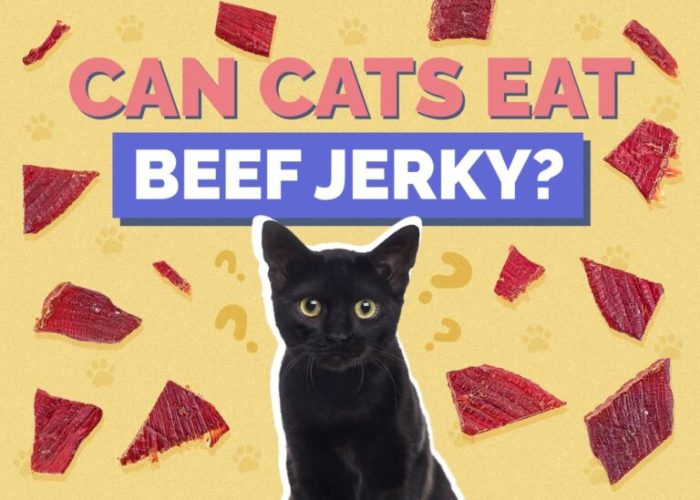
Source: hepper.com
While the protein content might seem appealing, the risks associated with beef jerky often outweigh the potential benefits for cats. The most significant concern is the high sodium content. Cats have a much lower tolerance for sodium than humans, and excessive intake can lead to serious health problems. Choking hazards are another worry, especially with smaller pieces or jerky that has tough, fibrous strands.
Artificial sweeteners, particularly xylitol, are extremely dangerous and can be fatal to cats. Finally, allergic reactions to beef or other ingredients are always a possibility.
- Sodium Poisoning Symptoms:
- Excessive thirst and urination
- Vomiting
- Diarrhea
- Lethargy
- Weakness
- Tremors or seizures (in severe cases)
Ingredients to Watch Out For
Beyond sodium, many beef jerky products contain preservatives and artificial colors that offer no nutritional value and could potentially irritate a cat’s digestive system. Garlic and onion powder, often used as flavor enhancers, are toxic to cats and should be strictly avoided. Reading the ingredient label carefully is absolutely essential. Don’t be fooled by marketing claims – always scrutinize the list of ingredients.
| Ingredient | Potential Risk | Alternative |
|---|---|---|
| Sodium Nitrite/Nitrate | Potential carcinogen, contributes to high sodium levels | Look for jerky with no added nitrites/nitrates (though this is rare) |
| Artificial Colors (Red 40, Yellow 5, etc.) | Potential allergic reactions, no nutritional benefit | Choose jerky with natural coloring (if available) or avoid altogether |
| Garlic Powder/Onion Powder | Toxic to cats, damages red blood cells | Avoid products containing these ingredients |
| Xylitol | Extremely toxic, causes rapid drop in blood sugar and liver failure | Absolutely avoid any product containing xylitol |
Safe Alternatives and Healthier Treats for Cats
Fortunately, there are plenty of safe and healthy treat options available for cats. Commercially available cat treats are specifically formulated to meet feline nutritional needs and are generally lower in sodium and free from harmful ingredients. Cooked, unseasoned lean meats like chicken or turkey are excellent alternatives, providing a natural source of protein. Making homemade cat treats using cat-safe ingredients like pumpkin, oats, and tuna is another great option, allowing you to control exactly what your cat is eating.
“When choosing treats for your cat, prioritize those with limited ingredients and a focus on whole foods. Avoid treats high in sodium, artificial additives, and ingredients known to be toxic to cats. Remember, treats should only make up a small portion of your cat’s daily caloric intake.”Dr. Emily Carter, DVM
Types of Beef Jerky and Their Suitability
Different types of beef jerky vary significantly in their ingredients and nutritional profiles. Teriyaki jerky, for example, is typically high in sodium and sugar due to the marinade. Peppered jerky might contain spices that could irritate a cat’s digestive system. Original or plain jerky is generally the least problematic, but still carries the risk of high sodium content. Commercially produced jerky often contains more additives than homemade jerky.
The sodium levels can vary dramatically between brands, so careful comparison is essential.
| Jerky Type | Sodium Level (approx.) | Ingredients of Concern | Suitability for Cats (Rating 1-5) |
|---|---|---|---|
| Original | 800-1200mg/100g | Sodium, potential preservatives | 2 |
| Teriyaki | 1200-1800mg/100g | Sodium, sugar, soy sauce | 1 |
| Peppered | 900-1400mg/100g | Sodium, pepper (potential digestive irritation) | 2 |
| Homemade (Plain) | 200-500mg/100g (depending on preparation) | Sodium (can be controlled) | 4 |
Portion Control and Moderation
Even “safe” treats should be given in moderation. Treats should never make up more than 10% of a cat’s daily caloric intake. To calculate appropriate portion sizes, consider your cat’s weight and activity level. A more active cat might be able to handle slightly larger portions, while a sedentary cat should receive fewer treats. Adjust your cat’s regular food intake to account for the calories consumed from treats to prevent weight gain.
What to Do if Your Cat Eats Beef Jerky
If your cat accidentally consumes beef jerky, the first step is to assess the amount consumed. A small nibble is less concerning than a large portion. Monitor your cat closely for any signs of sodium poisoning or allergic reactions. If your cat ate a significant amount of jerky or is exhibiting any concerning symptoms, contact your veterinarian immediately.
Here’s a simplified flowchart:
Cat ate beef jerky?
-> Small amount? -> Monitor for symptoms (thirst, vomiting, lethargy)
-> Large amount OR showing symptoms? -> Contact vet immediately
The Role of Age and Health Conditions
The suitability of beef jerky (or any treat) can vary depending on a cat’s age and health status. Kittens require a diet rich in nutrients to support their growth, and excessive treats can disrupt their nutritional balance. Senior cats may have reduced kidney function, making them more susceptible to the negative effects of sodium. Cats with pre-existing health conditions, such as kidney disease or diabetes, should have their diet carefully managed, and new treats should only be introduced under the guidance of a veterinarian.
| Health Condition | Considerations Regarding Beef Jerky |
|---|---|
| Kidney Disease | Avoid due to high sodium content; can exacerbate kidney problems |
| Diabetes | Avoid due to potential added sugars and impact on blood sugar levels |
| Allergies | Avoid if cat has known beef allergy; introduce new treats cautiously |
Ultimate Conclusion
Ultimately, while the idea of sharing a tasty snack with your cat can be appealing, beef jerky isn’t generally a recommended treat. The risks associated with high sodium levels, artificial ingredients, and choking hazards outweigh the potential benefits. Thankfully, there are plenty of delicious and healthy alternatives specifically formulated for feline nutritional needs. From cooked lean meats to commercially available cat treats, you can satisfy your cat’s cravings without compromising their well-being.
Remember, a little moderation and careful ingredient checking go a long way in ensuring your cat lives a long, happy, and healthy life.
FAQ Explained
Can a tiny piece of beef jerky hurt my cat?
Even a small amount can be problematic due to the high sodium content. Repeated exposure can lead to health issues over time.
Is homemade beef jerky safer than store-bought?
Homemade jerky
-can* be safer if you meticulously control the ingredients and avoid sodium, garlic, onion, and artificial sweeteners. However, it requires careful preparation.
What are the signs of sodium poisoning in cats?
Symptoms include excessive thirst, increased urination, vomiting, diarrhea, lethargy, and in severe cases, seizures.
Are all types of beef jerky equally bad for cats?
No. Flavored jerky (teriyaki, peppered) often contains higher sodium and more additives, making them riskier than plain, original varieties.
My cat loves beef jerky, what can I give them instead?
Cooked, unseasoned chicken or turkey is a great alternative. There are also many high-quality commercial cat treats available.
Can kittens have beef jerky?
Absolutely not. Kittens are more sensitive to sodium and other ingredients, making beef jerky even more dangerous for them.
What if my cat has kidney disease and ate beef jerky?
Contact your veterinarian immediately. Kidney disease makes cats even more susceptible to the negative effects of sodium.

