Let’s be honest, we all love seeing our cats happy and content. And what better way to achieve that than with a tasty treat? Cat lickable treats have exploded in popularity recently, and for good reason! They’re more than just a yummy snack; they offer a unique way to bond with your feline friend, provide hydration, and even sneak in some extra nutrients.
This guide will dive deep into everything you need to know about these delightful treats, from their history and ingredients to creative ways to use them and what to watch out for.
We’ll explore the different formats available – tubes, cups, pouches – and weigh the pros and cons of each. Plus, we’ll break down the nutritional benefits, common ingredients, and how to read those labels to ensure you’re giving your cat the best possible treat. Get ready to become a lickable treat expert!
Introduction to Lickable Cat Treats
Lickable cat treats have exploded in popularity over the last few years, and it’s easy to see why. They offer a unique and appealing way to interact with your feline friend, providing a tasty and often hydrating snack. But what exactlyare* these treats, and why have they become so beloved by cats and their owners? Let’s dive in and explore the world of lickable cat treats.The concept of treats for cats isn’t new.
Historically, cats were often given scraps from meals or small portions of meat. As commercial pet food developed, so did the treat market, initially focusing on dry biscuits and crunchy snacks. The shift towards lickable treats represents a move towards catering to cats’ natural preferences – many cats enjoy the texture and sensation of licking, and these treats capitalize on that instinct.
The evolution has been driven by a desire for more palatable, hydrating, and engaging options for our furry companions.Lickable cat treats come in a variety of formats, each with its own advantages and disadvantages. You’ll typically find them in tubes (like toothpaste for cats!), cups, and pouches. Tubes are great for portion control and can be squeezed directly onto a paw or feeding mat.
Cups are often pre-portioned and easy to serve. Pouches offer a larger quantity and can be a more economical option for multi-cat households. The texture is generally smooth and creamy, resembling a mousse or pudding, and the consistency ranges from quite thick to more liquid, depending on the brand and formulation. Common ingredients include meat-based proteins (chicken, fish, beef), taurine, vitamins, minerals, and carbohydrates like starches or sugars.Here’s a quick comparison table to help you choose the right format:
| Format | Description | Pros | Cons |
|---|---|---|---|
| Tube | Squeezable tube containing a creamy treat. | Excellent portion control, easy to administer, can be used for medication. | Can be messy if not careful, may require more cleaning. |
| Cup | Pre-portioned cup of creamy treat. | Convenient, easy to serve, less messy than tubes. | Portion size may not be suitable for all cats, can be more expensive per serving. |
| Pouch | Larger quantity of creamy treat in a flexible pouch. | Economical for multi-cat households, longer shelf life once opened. | Portion control can be challenging, potential for messiness. |
Nutritional Benefits and Ingredients
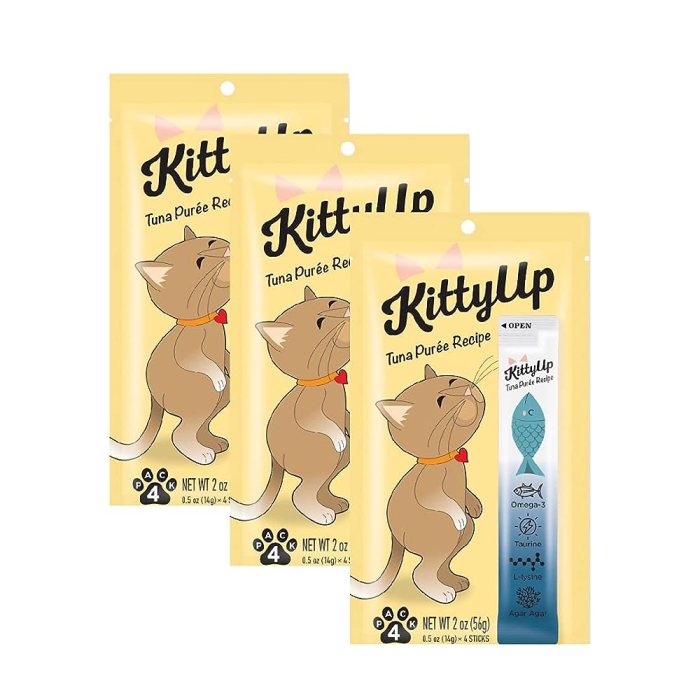
Source: iheartcats.com
Lickable cat treats aren’t just about taste; they can also offer some surprising nutritional benefits. The creamy texture and high moisture content can be particularly helpful for cats who don’t drink enough water, contributing to their daily hydration needs. Many formulations are also fortified with supplemental vitamins and minerals, providing a boost to their overall health. Beyond hydration, the palatability of these treats can be a great way to encourage picky eaters to consume essential nutrients.A closer look at the ingredients reveals a variety of components, each serving a specific purpose.
Meat-based proteins, like chicken or fish, are the primary source of protein, crucial for muscle development and overall health. Taurine is an essential amino acid that cats cannot produce themselves, vital for heart health, vision, and reproduction. Vitamins (like A, D, E, and B vitamins) support various bodily functions, while minerals (like calcium and phosphorus) are important for bone health.
Carbohydrates, often in the form of starches or sugars, provide energy. You’ll also often find ingredients like gums and stabilizers to maintain the texture and consistency of the treat.It’s incredibly important to carefully read ingredient labels before purchasing lickable cat treats. Just like with any pet food, the ingredients are listed in descending order by weight. Look for treats with a high percentage of meat-based protein and minimal artificial colors, flavors, and preservatives.
Be particularly vigilant if your cat has known allergies or sensitivities. Common allergens include chicken, fish, and dairy. If you suspect your cat has an allergy, consult with your veterinarian before introducing new treats.Here’s a chart outlining essential nutrients cats need and how lickable treats can contribute:
| Nutrient | Importance | Typical Treat Source | Recommended Daily Amount |
|---|---|---|---|
| Protein | Muscle development, tissue repair, enzyme production. | Chicken, fish, beef. | 20-30% of diet |
| Taurine | Heart health, vision, reproduction. | Often added to treats. | 200-300mg |
| Vitamins (A, D, E) | Vision, bone health, antioxidant protection. | Fortified treats. | Varies depending on vitamin. |
| Minerals (Calcium, Phosphorus) | Bone health, nerve function. | Often added to treats. | Varies depending on mineral. |
| Moisture | Hydration, digestion. | High moisture content in treats. | Should make up a significant portion of daily intake. |
Types of Lickable Cat Treats
The market for lickable cat treats is surprisingly diverse, offering a wide range of flavors and formulations to suit different feline preferences and dietary needs. Categorizing them by flavor profiles is a good starting point. You’ll find options featuring chicken, fish (salmon, tuna, whitefish), beef, and even more exotic flavors like duck or rabbit. Beyond the core flavors, many brands offer variations like chicken & salmon, or tuna & shrimp, providing even more variety.The formulations themselves also differ significantly.
Grain-free treats are becoming increasingly popular, catering to cats with grain sensitivities or those on limited-ingredient diets. Limited ingredient treats contain a minimal number of ingredients, making them ideal for cats with allergies or digestive issues. Natural formulations emphasize the use of whole, unprocessed ingredients, avoiding artificial colors, flavors, and preservatives. Look for terms like “human-grade” or “organic” if you prioritize natural ingredients.Specific formulations are also available for kittens, seniors, or cats with particular health concerns.
Kitten-specific treats are often higher in calories and protein to support growth and development. Senior treats may contain added glucosamine and chondroitin to support joint health. Treats formulated for urinary health often contain ingredients that help maintain a healthy pH balance in the urine. Hairball control treats may include fiber to help move hairballs through the digestive system.Here’s a comparison of different flavor profiles:
- Chicken: Generally well-accepted by most cats, provides a good source of protein.
- Fish (Salmon): Rich in Omega-3 fatty acids, beneficial for coat health and cognitive function. Some cats are highly sensitive to fish, so introduce slowly.
- Fish (Tuna): Very palatable, but can be high in mercury. Offer in moderation.
- Beef: A good source of iron, but can be harder to digest for some cats.
- Duck/Rabbit: Novel protein sources, suitable for cats with common meat allergies.
Benefits of Using Lickable Treats
Lickable cat treats offer more than just a tasty snack; they can be valuable tools for enrichment and mental stimulation. The act of licking itself is a soothing and enjoyable behavior for cats, and these treats provide an outlet for that instinct. Presenting the treat in a puzzle feeder or on a lick mat can extend the engagement time and provide a more challenging and rewarding experience.Beyond entertainment, lickable treats can be incredibly helpful when administering medication or supplements.
The appealing flavor often masks the taste of pills or liquids, making it easier to get your cat to take what they need. Simply mix the medication with a small amount of treat and let them lick it up.Interactive feeding with lickable treats can also strengthen the bond between you and your cat. Squeezing a small amount onto your finger and letting them lick it off creates a positive interaction and reinforces your role as a provider.Finally, lickable treats are excellent for training and positive reinforcement.
Use them to reward desired behaviors, such as coming when called, using the scratching post, or tolerating grooming. Keep the treats small and use them sparingly to avoid overfeeding.
Potential Drawbacks and Considerations
While lickable cat treats offer many benefits, it’s important to be aware of potential drawbacks. Some brands contain high levels of sugar, which can contribute to weight gain and dental problems. Artificial colors, flavors, and preservatives are also concerns for some owners. Always read the ingredient label carefully and choose brands that prioritize natural ingredients.Portion control is crucial when feeding lickable treats.
They are often calorie-dense, and overfeeding can lead to weight gain and obesity. Follow the feeding guidelines on the package and adjust the amount based on your cat’s individual needs and activity level.Messiness is another common concern. Cats can be enthusiastic lickers, and the creamy texture of these treats can easily end up on their whiskers, paws, and surrounding surfaces.
Using a tube with a nozzle or a lick mat can help minimize mess.
Consult with your veterinarian before introducing new treats into your cat’s diet, especially if your cat has any underlying health conditions or allergies. They can provide personalized recommendations based on your cat’s specific needs.
Top Brands and Product Reviews
Several popular brands offer a wide variety of lickable cat treats, each with its own unique features and target audiences. Temptations, Inaba Churu, Delectables, and Kit & Kaboodle are among the most well-known. Temptations are known for their affordability and wide range of flavors. Inaba Churu is a Japanese brand renowned for its high-quality ingredients and creamy texture. Delectables offers a variety of formats, including tubes, cups, and pouches.
Kit & Kaboodle focuses on natural and limited-ingredient options.Specific product offerings vary within each brand. Temptations Creamy Puree offers a range of flavors like Chicken, Salmon, and Tuna. Inaba Churu comes in flavors like Chicken, Tuna, and Scallop. Delectables Lickable Treats are available in Chicken, Salmon, and Ocean Whitefish. Kit & Kaboodle Meaty Treat Puree features flavors like Chicken, Turkey, and Duck.
Packaging typically includes tubes, cups, or pouches, depending on the product.Reading customer reviews is essential when choosing lickable cat treats. Pay attention to comments about palatability, texture, and ingredient quality. Consider different perspectives and look for patterns in the reviews.Here’s a table comparing top brands:
| Brand | Price Range | Key Ingredients | Flavor Options | Customer Rating (out of 5) |
|---|---|---|---|---|
| Temptations | $3 – $8 | Chicken, Fish, Corn, Wheat | Chicken, Salmon, Tuna, Shrimp | 4.2 |
| Inaba Churu | $5 – $12 | Chicken, Tuna, Natural Ingredients | Chicken, Tuna, Scallop, Salmon | 4.7 |
| Delectables | $4 – $10 | Chicken, Fish, Corn, Wheat | Chicken, Salmon, Ocean Whitefish | 4.5 |
| Kit & Kaboodle | $6 – $12 | Chicken, Turkey, Natural Ingredients | Chicken, Turkey, Duck | 4.6 |
Feeding Guidelines and Safety
Recommended feeding guidelines for lickable cat treats vary depending on a cat’s age, weight, and activity level. As a general rule, treats should make up no more than 10% of a cat’s daily calorie intake. Kittens require more calories than adult cats, so adjust the portion size accordingly. Active cats may need slightly more treats than sedentary cats. Always consult the package instructions for specific recommendations.Safety precautions are essential when using lickable cat treats.
Prevent choking hazards by supervising your cat while they are eating. Store treats in a cool, dry place, away from direct sunlight. Check the expiration date before feeding.While lickable treats are generally safe, excessive consumption can contribute to dental issues. The creamy texture doesn’t provide the abrasive action needed to remove plaque and tartar. Regular teeth brushing and dental chews are still important for maintaining good oral hygiene.Here’s a flowchart illustrating the appropriate amount of lickable treats to give based on a cat’s weight:[Describe a flowchart here.
Start with “Cat Weight (lbs)”. Branch 1: Less than 8 lbs – Give 1/4 – 1/2 tube/cup. Branch 2: 8-12 lbs – Give 1/2 – 3/4 tube/cup. Branch 3: 12+ lbs – Give 3/4 – 1 full tube/cup. Include a note: “Adjust based on activity level and overall diet.”]
Creative Uses and Enrichment Activities
Lickable cat treats can be incorporated into interactive feeding toys and puzzles to provide mental stimulation and prevent boredom. Stuffing a lick mat with treat puree encourages slow eating and licking, which can be calming and satisfying. You can also use puzzle feeders designed for wet food, which require your cat to work for their treat.Creating DIY lickable treat feeders is a fun and inexpensive way to enrich your cat’s environment.
Use household items like cardboard boxes, toilet paper rolls, or ice cube trays to create unique feeding challenges.Lickable treats can also be used to encourage exercise and play. Squeeze a small amount onto a wand toy or feather teaser to entice your cat to chase and pounce.Here’s a step-by-step guide for creating a simple lickable treat puzzle using a cardboard box and toilet paper rolls:
- 1. Cut several holes in the cardboard box, large enough for your cat to reach their paw through.
- 2. Insert empty toilet paper rolls into some of the holes.
- 3. Smear lickable treat puree inside the toilet paper rolls and around the edges of the holes.
- 4. Let your cat explore and figure out how to lick the treat out of the box.
Ingredient Deep Dive: Taurine & Other Key Components
Taurine is an essential amino acid that cats cannot synthesize themselves, meaning they must obtain it from their diet. It plays a crucial role in heart health, vision, and reproduction. Lickable cat treats often contain added taurine to ensure cats receive adequate amounts. A deficiency can lead to serious health problems, including blindness and heart failure.Beyond taurine, other essential ingredients contribute to feline health.
Omega-3 fatty acids, found in fish oil, are beneficial for coat health, cognitive function, and joint health. Vitamins and minerals support various bodily functions, from immune system function to bone strength.The difference between natural and artificial flavorings is significant. Natural flavorings are derived from plant or animal sources, while artificial flavorings are synthesized in a laboratory. While both types can make treats more palatable, natural flavorings are generally considered to be healthier and less likely to cause allergic reactions.[Describe a visual representation of a cat’s digestive system.
Start with the mouth, showing how food is chewed and saliva begins the digestive process. Then illustrate the esophagus, leading to the stomach where food is mixed with digestive juices. Next, show the small intestine where nutrients are absorbed. Finally, depict the large intestine where water is absorbed and waste is eliminated. Label key organs and highlight the breakdown of proteins, carbohydrates, and fats.]
Addressing Common Concerns & FAQs
Common concerns about lickable cat treats often revolve around artificial colors, preservatives, and potential allergens. Many owners prefer to avoid these ingredients whenever possible. Choosing brands that prioritize natural ingredients and transparent labeling can help alleviate these concerns.Frequently asked questions include: How should lickable treats be stored? (In the refrigerator after opening). What is the expiration date?
(Check the package for specific dates). Are they suitable for cats with specific dietary needs? (Consult with your veterinarian to determine if the ingredients are appropriate for your cat’s individual needs).Signs of an allergic reaction to lickable treats can include itching, skin rashes, vomiting, diarrhea, and difficulty breathing. If you notice any of these symptoms, discontinue use and consult with your veterinarian immediately.Here’s a Q&A section addressing common concerns:
- Q: Are artificial colors harmful to cats? A: While not directly toxic, artificial colors offer no nutritional value and may contribute to allergic reactions in some cats.
- Q: What are preservatives used for in lickable treats? A: Preservatives prevent spoilage and extend shelf life. Look for natural preservatives like vitamin E or rosemary extract.
- Q: Can I give my cat lickable treats every day? A: Treats should only make up a small portion of your cat’s daily calorie intake. Daily consumption is fine as long as it’s in moderation.
- Q: My cat refuses to eat lickable treats. What should I do? A: Try warming the treat slightly or mixing it with their regular food. Experiment with different flavors to find one they enjoy.
Last Recap
From enriching your cat’s playtime to administering medication with ease, lickable treats offer a surprising versatility. Understanding the ingredients, portion sizes, and potential drawbacks is key to incorporating them safely and effectively into your cat’s routine. With a little knowledge and a whole lot of love, you can use these treats to strengthen your bond with your furry companion and keep them purring with delight.
So go ahead, indulge your cat – responsibly!
Remember to always consult with your veterinarian before making significant changes to your cat’s diet, including adding new treats. Happy spoiling!
Question & Answer Hub
Can I give my cat lickable treats every day?
While they’re a tasty treat, moderation is key. Daily consumption should be limited and factored into your cat’s overall calorie intake to prevent weight gain.
Are lickable treats a good source of hydration?
Yes, they can be! The high moisture content can be beneficial, especially for cats who don’t drink enough water.
What does “grain-free” really mean?
It means the treat doesn’t contain common grains like wheat, corn, or soy. It’s often preferred by cats with sensitivities, but isn’t necessarily healthier for all cats.
My cat refuses to lick the treat from the tube. What can I do?
Try warming the treat slightly (not hot!) or offering it on a spoon or lick mat. You can also mix it with a small amount of wet food.
How should I store opened lickable treats?
Always reseal the package tightly and refrigerate after opening. Check the packaging for specific storage instructions.
What are some signs of an allergic reaction to lickable treats?
Look out for itching, vomiting, diarrhea, or swelling. If you notice any of these signs, stop feeding the treats and consult your vet.
Are lickable treats safe for kittens?
Yes, but in very small amounts. Kittens have different nutritional needs, so check the label and consult your vet for appropriate portion sizes.

