Let’s face it, cleaning the litter box isn’t anyone’s favorite chore. But beyond the unpleasantness, traditional clay litters can kick up a surprising amount of dust, impacting both your cat’s health and your own. This guide dives deep into the world of low dust cat litter, exploring the science, different types, and how to make the switch for a cleaner, healthier home environment for you and your feline friend.
We’ll unpack the potential health risks associated with dust inhalation, compare various litter materials, and offer practical tips for minimizing dust dispersal. From understanding particle size to choosing the right litter box, we’ll cover everything you need to know to create a dust-free haven for your cat.




Understanding Low Dust Cat Litter
Let’s face it, cleaning the litter box isn’t anyone’s favorite chore. But beyond the unpleasantness, the dust kicked up during scooping and changing can be a real concern. Many cat owners are actively seeking low-dust litter options, and for good reason. This article dives deep into the world of low-dust cat litter, exploring why it’s important, how it works, and what to look for when making the switch.
The primary drivers behind the shift to low-dust litter are simple: health and comfort. Pet owners want to protect their cats and themselves from potential respiratory issues and irritation. The fine particles released by traditional clay litter can easily become airborne, creating a dusty environment that’s far from ideal for anyone.
Inhaling dust, regardless of the source, can irritate the respiratory system. For cats, this can manifest as coughing, sneezing, and even exacerbate existing conditions like asthma. Humans aren’t immune either; prolonged exposure to litter dust can trigger allergies, asthma attacks, and other respiratory problems. Young children and individuals with compromised immune systems are particularly vulnerable.
Different Litter Materials and Their Dust Levels
The type of litter material significantly impacts the amount of dust generated. Each material has its own unique properties and inherent dust levels. Let’s break down the most common options:
| Material | Dust Level (Scale of 1-5, 1=lowest, 5=highest) | Pros/Cons |
|---|---|---|
| Clay | 4-5 | Pros: Affordable, readily available, good clumping. Cons: High dust levels, heavy, not biodegradable. |
| Silica Gel | 1-2 | Pros: Excellent dust control, superior odor absorption, lightweight. Cons: Can be more expensive, some cats dislike the texture. |
| Wood | 2-3 | Pros: Biodegradable, good odor control, relatively lightweight. Cons: Dust levels vary depending on the type (pellets vs. shavings), can be splintery. |
| Paper | 1-3 | Pros: Biodegradable, lightweight, gentle on paws. Cons: Can be less effective at odor control, may not clump as well. |
| Corn | 3-4 | Pros: Biodegradable, good odor control, clumps well. Cons: Can attract insects, potential for mold growth if not kept dry, moderate dust levels. |
| Wheat | 3 | Pros: Biodegradable, good odor control, clumps well. Cons: Can attract insects, potential for mold growth if not kept dry, moderate dust levels. |
The Science Behind Dust Reduction
Manufacturers employ various techniques to minimize dust generation during the litter production process. These methods often involve specialized equipment and careful control of particle size and composition. Understanding these processes helps appreciate why some litters are significantly less dusty than others.
Particle size is a crucial factor. Finer particles are more easily suspended in the air, contributing to dust. Larger particles tend to settle more quickly. Therefore, manufacturers of low-dust litters often use processes that create larger, more uniform particle sizes.
Binding agents and clumping technology also play a vital role. Binding agents help hold the litter particles together, reducing the likelihood of them breaking apart and creating dust. Clumping technology, particularly in clay and corn-based litters, forms solid clumps that trap dust and odors within the clump itself, preventing them from becoming airborne.
Silica Gel Litter: A Dust-Minimizing Structure
Silica gel litter inherently minimizes dust due to its unique structure. Unlike traditional clay litter, which is composed of small, irregularly shaped clay particles, silica gel litter consists of highly porous, spherical granules. Here’s a step-by-step breakdown:
- Raw Material: Silica gel is derived from sand, a naturally occurring material.
- Granulation: The silica gel is processed into spherical granules, typically larger than clay litter particles.
- Porous Structure: The granules are highly porous, meaning they have tiny holes throughout their structure.
- Dust Containment: These pores trap dust and odors within the granule itself, preventing them from escaping into the air.
- Minimal Fragmentation: The spherical shape and strong structure of silica gel granules mean they are less likely to break apart and create dust during scooping and use.
Types of Low Dust Litter: A Detailed Look
The market offers a wide range of low-dust litter products, each with its own strengths and weaknesses. Here’s a comprehensive overview, categorized by material, with specific examples (without brand names) to illustrate the variety available.
Low-Dust Clay Litter
These litters utilize advanced manufacturing processes to reduce dust compared to traditional clay. They often feature larger particle sizes and binding agents to minimize fragmentation.
- Example 1: A clay litter with extra-large granules and a dust-suppressing coating.
- Example 2: A clumping clay litter with a unique formulation that minimizes dust during scooping.
- Example 3: A lightweight clay litter made from smaller, but more uniformly sized, particles.
Silica Gel Litter
As discussed earlier, silica gel’s inherent structure makes it naturally low-dust. Different formulations offer varying levels of odor control and clumping ability.
- Example 1: A silica gel litter with enhanced odor absorption using activated carbon.
- Example 2: A crystal-based silica gel litter with a fine texture for superior absorption.
- Example 3: A larger-granule silica gel litter designed for easier scooping and reduced tracking.
Low-Dust Wood Litter
These litters typically use larger wood pellets or shavings that generate less dust than traditional wood litter.
- Example 1: A wood pellet litter made from pine, known for its natural fragrance and low dust.
- Example 2: A wood shaving litter with a dust-control coating.
- Example 3: A compressed wood fiber litter that clumps well and minimizes dust.
Low-Dust Paper Litter
Paper litter is naturally lightweight and gentle, and low-dust versions often feature larger, more uniform paper fibers.
- Example 1: A recycled paper litter with a soft texture and minimal dust.
- Example 2: A paper pellet litter that clumps moderately and controls odor effectively.
- Example 3: A bleached paper litter with a fine texture and low dust levels.
| Category | Feature 1 | Feature 2 | Price Range |
|---|---|---|---|
| Low-Dust Clay | Good Clumping | Affordable | $15 – $30 |
| Silica Gel | Excellent Odor Control | Lightweight | $25 – $45 |
| Low-Dust Wood | Biodegradable | Natural Scent | $18 – $35 |
| Low-Dust Paper | Gentle on Paws | Lightweight | $20 – $35 |
Each litter type presents its own trade-offs. Low-dust clay is often the most affordable but may not be as effective at odor control as silica gel. Wood and paper litters are biodegradable but can be less clumping. Silica gel offers excellent dust control and odor absorption but can be more expensive.
Litter Box Considerations for Dust Control
The litter box itself plays a significant role in dust management. The type of box, its design, and its placement within the home can all impact dust exposure.
Litter Box Type and Design
Covered litter boxes can help contain dust, but they can also trap odors. Sifting litter boxes allow for easier cleaning and removal of waste, potentially reducing dust generation. Non-sifting boxes require a complete litter change more frequently, which can increase dust exposure.
The ideal litter box for dust control features an enclosed design, high sides to prevent litter scatter, and potentially even an integrated air filtration system. A top-entry design can also minimize dust dispersal.
Litter Box Placement
Placing the litter box in a well-ventilated area can help dissipate dust. Avoid placing it in enclosed spaces like closets or small bathrooms, where dust can accumulate.
Recommended Accessories
- Litter Mats: These mats trap litter that sticks to your cat’s paws, preventing it from being tracked throughout the house.
- Dust-Control Scoops: Scoops with enclosed designs or dust-reducing features can minimize dust generation during scooping.
- Air Purifiers: Placing an air purifier near the litter box can help remove airborne dust particles.
Cleaning and Maintenance Practices
Proper cleaning and maintenance practices are essential for minimizing dust levels and maintaining a healthy litter box environment. Even the best low-dust litter can become dusty if not properly cared for.
Minimizing Dust During Scooping
Scoop the litter box frequently, ideally once or twice a day. Use a slow, deliberate scooping motion to avoid kicking up dust. Consider using a dust-control scoop with an enclosed design.
Regular Litter Box Cleaning
Regularly empty and clean the entire litter box (at least once a month). This removes accumulated dust and debris and helps prevent odors. Wash the box with mild soap and water, avoiding harsh chemicals that could irritate your cat.
Dust Mask Usage
When cleaning the litter box, especially when emptying and washing it, consider wearing a dust mask or respirator to protect yourself from inhaling dust particles.
Weekly Cleaning Schedule
Weekly Litter Box Cleaning Schedule (Dust Reduction Focused):
- Daily: Scoop solid waste and clumps.
- Every 2-3 Days: Stir the litter gently to redistribute and aerate.
- Weekly: Empty the entire litter box.
- Weekly: Wash the litter box with mild soap and water.
- Weekly: Refill with fresh litter, ensuring even distribution.
- Throughout the Week: Monitor litter dust levels and adjust scooping frequency as needed.
Addressing Specific Concerns & Cat Preferences
Cats can be sensitive to dust in their litter, and recognizing these sensitivities is crucial for their well-being. Transitioning to a low-dust litter requires a gradual approach to avoid stressing your feline friend.
Identifying Dust Sensitivity
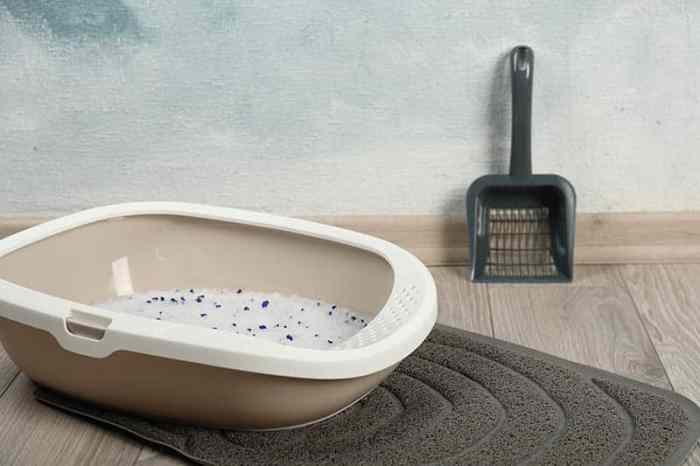
Source: catster.com
Signs of dust sensitivity in cats include excessive sneezing, coughing, watery eyes, and skin irritation around the paws or face. A cat may also avoid using the litter box if it’s consistently dusty.
Transitioning to Low-Dust Litter
Introduce the new litter gradually by mixing it with the old litter, increasing the proportion of the new litter over several days or weeks. This allows your cat to adjust to the new texture and scent without feeling overwhelmed.
Age-Related Preferences
Kittens may be more sensitive to dust due to their developing respiratory systems. Senior cats may also experience increased sensitivity. Adult cats generally have more established preferences, but a change in litter can still be disruptive.
Troubleshooting Litter Box Issues
- Refusal to Use the Box: If your cat refuses to use the litter box after switching to a new litter, try adding a small amount of the old litter to the new litter to re-familiarize them with the scent.
- Excessive Grooming: Increased grooming around the paws or face may indicate irritation from the litter.
- Sneezing or Coughing: If your cat is sneezing or coughing frequently, the litter may be too dusty.
Comparing Low Dust Litter to Traditional Litter
The decision to switch to low-dust litter often hinges on a comparison of costs and benefits. Let’s examine the cost-effectiveness, environmental impact, and air quality improvements associated with low-dust litter.
Over a 6-month period, low-dust litter can be more cost-effective due to its superior odor control and clumping ability, which may reduce the frequency of complete litter changes. However, the initial cost per bag may be higher.
Environmentally, low-dust litters made from biodegradable materials like wood, paper, or corn are generally more sustainable than traditional clay litter, which is mined and doesn’t decompose. Sourcing practices also play a role; look for litters made from responsibly harvested materials.
Low-dust litter significantly improves indoor air quality by reducing the amount of airborne dust particles. This is particularly beneficial for individuals with allergies or respiratory sensitivities.
| Feature | Low Dust Litter | Traditional Litter |
|---|---|---|
| Dust Levels | Significantly Lower | Higher |
| Odor Control | Generally Better | Can be less effective |
| Clumping Ability | Varies, but often excellent | Generally good |
| Cost (6-Month Period) | Potentially more cost-effective | Potentially less expensive upfront |
| Environmental Impact | Lower (if biodegradable) | Higher (mining, non-biodegradable) |
Innovative Technologies in Low Dust Litter
The quest for even lower-dust cat litter continues, with manufacturers exploring innovative technologies and materials. These advancements aim to further minimize dust generation and enhance overall performance.
Specialized coatings are being applied to litter granules to reduce dust and improve clumping. Alternative materials, such as plant-based fibers and recycled materials, are also gaining traction.
Plant-based litters offer a sustainable and often low-dust alternative to traditional clay. Their biodegradability and reduced environmental impact make them an attractive option for eco-conscious cat owners.
Some manufacturers are incorporating activated carbon or other odor-absorbing agents directly into low-dust litter formulations, providing enhanced odor control without compromising dust reduction. Self-cleaning litter boxes, which automate the scooping process, also contribute to dust control by minimizing human contact with the litter.
Visualizing Dust Reduction (Descriptive Illustrations)
Imagine a scene above a traditional clay litter box: a cloud of fine, gray dust particles hangs in the air, illuminated by sunlight. These particles, barely visible individually, collectively create a hazy atmosphere. Their density is significant, suggesting a potential health hazard.
Now picture the same scenario with a low-dust silica gel litter. The air is noticeably clearer. Instead of a dense cloud, only a few larger, less-dispersed particles are visible. The difference in particle density is striking, demonstrating the effectiveness of silica gel in minimizing dust.
Envision a cat comfortably using a litter box filled with low-dust litter. There are no visible dust clouds swirling around the cat as it digs and covers its waste. The scene is peaceful and clean, highlighting the comfort and health benefits of low-dust litter.
Finally, picture a clean, dust-free home environment thanks to the consistent use of low-dust cat litter. The air is fresh and clear, free from the lingering haze of litter dust. This visual represents the overall improvement in indoor air quality and the peace of mind that comes with choosing a healthier litter option.
Concluding Remarks
Ultimately, choosing low dust cat litter is an investment in your cat’s well-being and your own. By understanding the science behind dust reduction, exploring different product options, and implementing smart litter box practices, you can significantly improve indoor air quality and create a more comfortable living space. It’s a small change that can make a big difference in the health and happiness of both you and your furry companion.
So, ditch the dust clouds and embrace a cleaner, healthier litter box experience! With the right knowledge and a little effort, you can breathe easier knowing you’ve made a positive change for your home and your cat.
FAQ
Is low dust litter really worth the extra cost?
While it might be slightly more expensive upfront, low dust litter can be cost-effective in the long run due to reduced respiratory issues for your cat and less frequent cleaning needed. Plus, the improved air quality benefits everyone in the household.
My cat refuses to use the new litter. What should I do?
Transitioning slowly is key! Mix a small amount of the new litter with the old, gradually increasing the ratio over a week or two. You can also try placing a little of your cat’s used litter in the new litter to familiarize them with the scent.
Can low dust litter still cause allergies?
While it reduces dust, some cats (and humans) may still be sensitive to the litter material itself (e.g., corn, wheat). If allergies persist, consider trying a different material.
How often should I change the litter box with low dust litter?
Regular scooping (at least once daily) is still essential. A full litter change should be done every 2-4 weeks, depending on the number of cats and the type of litter used.
Are all silica gel litters low dust?
Not necessarily. Some silica gel litters can still produce a small amount of dust. Look for brands specifically marketed as “low dust” or “dust-free” and read reviews.
What’s the best way to clean up litter dust after scooping?
Use a dust-controlled scoop, wipe down the area with a damp cloth, or use a handheld vacuum with a HEPA filter to capture any lingering dust particles.